You've seen the ads. A quick spritz on your pillow, a wave of calming scent, and you're promised a journey to dreamland. Deep sleep pillow sprays are everywhere, marketed as the harmless, natural shortcut to better rest. But here's the thing nobody in those serene Instagram ads talks about: they can have side effects. Real ones. From waking up with a headache to more subtle hormonal nudges, the story is more complicated than lavender fields and peaceful slumber. I've worked as a sleep consultant for over a decade, and I've seen the fallout—the rashes, the grogginess, the disappointment when a "natural" solution backfires. Let's pull back the curtain.
What's Inside This Guide
What Exactly Is In That Bottle?
Calling it a "pillow spray" makes it sound simple. It's not just scented water. Most sprays are a cocktail of distilled water, witch hazel or a similar alcohol base (to help it dry and disperse), and a blend of essential oils. The effects—and side effects—hinge almost entirely on those essential oils. Lavender (Lavandula angustifolia) is the undisputed king, present in nearly every formula. Chamomile, vetiver, cedarwood, and bergamot are common supporting actors. The problem starts when we assume "natural" equals "safe in any amount." Essential oils are potent plant compounds. Applying them near your face for hours is a significant exposure.
The Most Common Side Effects, Ranked
Based on client reports and clinical literature, here’s what you might encounter, from most to least frequent.
Top Reported Issues:
- Skin Irritation or Contact Dermatitis: This is the number one complaint. The thin skin on your face, neck, and décolletage can react to undiluted or high concentrations of essential oils. Redness, itching, or a rash can appear by morning.
- Morning Headaches or Sinus Congestion: A strong scent all night can overwhelm your olfactory system, leading to a dull, persistent headache or stuffy nose upon waking. It’s sensory overload.
- Respiratory Irritation: For some, especially those with mild asthma or sensitivities, inhaling the mist particles can trigger coughing, a tickle in the throat, or mild bronchial tightness.
- Unexpected Grogginess: Contrary to the goal, some users report feeling foggy or sedated the next day. This is often linked to specific sedative oils like valerian root in the blend.
- Staining or Damage to Bedding: The oils, even diluted, can leave greasy spots or discolor fine fabrics like silk or certain synthetics. It’s a practical, annoying side effect.
A Closer Look at Key Ingredients & Their Risks
Let's move past generic warnings and talk specifics. Not all oils carry the same risk profile.
Lavender Oil: The Sleep Giant with a Caveat
Lavender is backed by science for reducing anxiety and improving sleep quality (studies like those published in the Journal of Alternative and Complementary Medicine support this). But it's also a known endocrine disruptor. Research, including a landmark study in the New England Journal of Medicine, has linked repeated topical lavender oil exposure to prepubertal gynecomastia (breast growth in young boys). While the risk for adults is debated and likely lower, it indicates lavender's potent biological activity. For adults, the bigger issue is overuse leading to headaches or becoming a psychological crutch—you might convince yourself you can't sleep without the scent.
Valerian Root Extract: Not Just a Calming Tea
When valerian is included (often as a CO2 extract in the spray), it's a game-changer. Valerian is a strong sedative. Its side effects can mirror prescription sleep aids: next-day drowsiness, dizziness, and even mild stomach upset. If you're sensitive, it can make you feel hungover. Most people don't expect a "natural" spray to have this effect, so they don't make the connection.
Citrus Oils (Bergamot, Orange): The Photosensitivity Risk
This is a sneaky one. Bergamot and some other citrus oils contain furanocoumarins, which make your skin more sensitive to sunlight. If you spray your pillow, some oil gets on your face and neck. If you then go out in the sun the next day, you have a higher risk of sunburn or pigmentation changes in those areas. Most spray labels completely omit this warning.
A Critical Mistake I See All the Time: People assume if a little is good, more is better. They drench their pillow. This dramatically increases the concentration of oils you're inhaling and contacting, turning a potential mild aid into a direct irritant. Always, always follow the "less is more" rule—one or two spritzes is plenty.
Who Should Be Extra Cautious?
Some groups need to hit the pause button and possibly skip these sprays altogether.
- Pregnant or Breastfeeding Women: The safety of many essential oils during pregnancy is not well-established. Oils like lavender and chamomile are often considered "likely safe," but why risk it when the data is fuzzy? Most obstetricians recommend avoiding topical essential oil blends as a precaution.
- Parents of Young Children & Pet Owners: A child's or pet's metabolism is different. Cats, in particular, lack a liver enzyme to process compounds in many essential oils (like lavender and citrus), making them potentially toxic. If a pet licks the sprayed pillow or inhales it heavily, it can cause serious health issues.
- Individuals with Asthma, COPD, or Multiple Chemical Sensitivities (MCS): Introducing a new aerosolized chemical blend into your breathing zone for 8 hours is a significant trigger risk. It's not worth the potential asthma attack.
- People with Very Sensitive Skin or Eczema: If your skin barrier is already compromised, adding essential oils is like pouring lemon juice on a paper cut. It will likely sting and worsen inflammation.
- Anyone on Sedative Medications: Combining a spray with valerian or strong lavender with prescription sleep aids, benzodiazepines, or even strong antihistamines can amplify sedation dangerously.
How to Use Sleep Spray Safely (A Step-by-Step Guide)
If you've assessed your risk and still want to try, here's how to minimize the chance of side effects.
- Patch Test First: Spray a small amount on the inside of your elbow. Wait 24 hours. No redness or itch? You've passed step one.
- Spray the Air, Not the Fabric: Instead of aiming directly at your pillow, spray the air above your bed and let the fine mist settle. This reduces direct contact with your skin.
- Use a Pillow Protector: Put a cotton pillow protector over your main pillowcase. Spray the protector. This creates a barrier for your skin and makes washing the oils out easier.
- Start with a "Low Dose": Use the spray every other night for the first week. See how you feel in the morning. No headaches? No grogginess? Good.
- Give Yourself Breaks: Don't use it every single night for months on end. Use it for a week or two when sleep is particularly elusive, then take a week off. This prevents dependency and reduces cumulative exposure.
What Are the Alternatives?
If the side effects worry you, there are other routes to better sleep that don't involve spritzing chemicals near your face.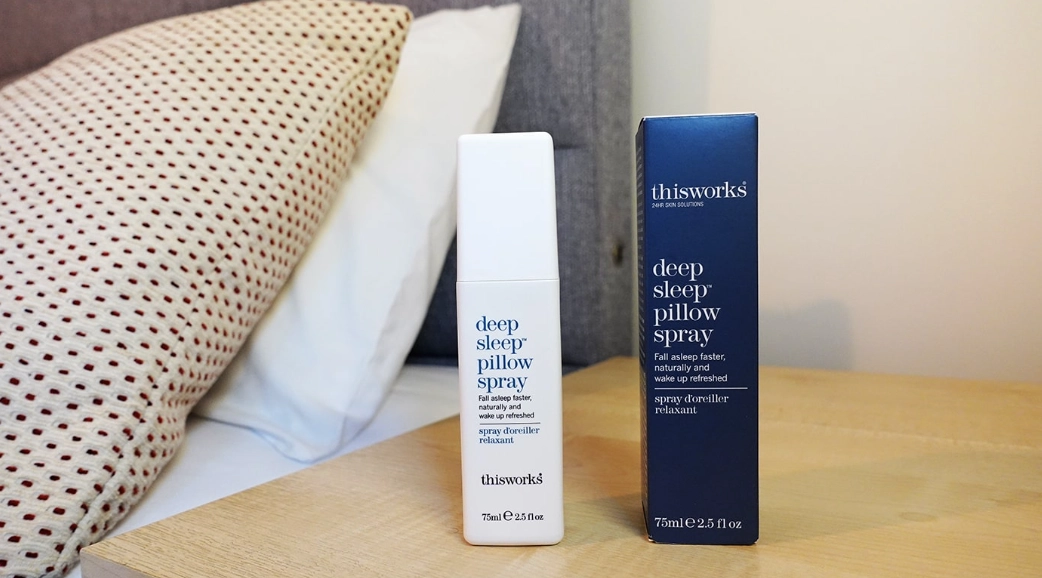
- Diffuser with a Timer: Use a high-quality ultrasonic diffuser in your bedroom, set it to run for 30-60 minutes as you fall asleep, and let it shut off automatically. This gives you the scent benefit without all-night exposure.
- Scented Sachets or Wool Dryer Balls: Place a lavender sachet in your pillowcase or use wool dryer balls with a drop of essential oil when drying your sheets. The scent is much milder and indirect.
- Focus on Sleep Hygiene Fundamentals: This is the boring but brutally effective advice. A consistent bedtime, a cool dark room, and avoiding screens for an hour before bed will outperform any spray in the long run. The CDC's sleep guidelines are a great, science-backed resource here.
- Weighted Blankets or Cooling Pillows: Address the physical sensation of sleep. For many, the deep pressure of a weighted blanket or the cool touch of a specialty pillow provides more tangible relaxation than a scent ever could.
Your Questions, Answered
 How do I know if my morning headache is from the spray or something else?
The bottom line? Deep sleep pillow sprays can be a useful tool in your sleep toolkit, but they are not a magic potion. They come with a list of potential side effects that are too often glossed over in marketing. By understanding the ingredients, respecting their potency, and using them judiciously, you can make an informed choice that prioritizes both your sleep and your overall health. Sometimes, the best path to a good night's rest is the simplest, most boring one—no spritz required.
Reader Comments