Your Nap Blueprint
Let's be honest. That 2:30 PM feeling is the worst. Your brain feels like it's moving through molasses, your eyelids get heavy, and the only thing you can think about is putting your head down on the desk. Coffee just makes you jittery, and pushing through feels impossible. What if I told you there's a better way? A secret weapon used by everyone from NASA astronauts to Silicon Valley CEOs. I'm talking about the power nap.
But here's the catch – most people do it wrong. They wake up groggier than when they started, or they sleep too long and ruin their night. I've been there. I used to think napping was for the lazy, until I hit a massive productivity wall and had no choice but to experiment. After digging into the science and testing every method I could find, I finally cracked the code. These aren't just random power nap tips; they're a blueprint for a perfect energy reset.
What Exactly Is a Power Nap (And Why Is It So Powerful)?
It's not just a cute name. A power nap is a specific, short bout of sleep designed to give you the benefits of rest without dipping into the deeper sleep stages that cause sleep inertia – that awful groggy feeling. Think of it as a system reboot for your brain, not a full shutdown.
The science is pretty compelling.
Research, like the kind summarized by the National Sleep Foundation, shows that short naps (the 10-20 minute kind) can improve alertness, sharpen cognitive performance, and boost mood without the negative side effects. They work by clearing out adenosine, a neurotransmitter that builds up in your brain while you're awake and makes you feel tired. A short nap is like hitting the "clear cache" button on your mental browser.
I remember scoffing at the idea at first. A 20-minute nap? What's the point? But then I tried it during a particularly brutal week of deadlines. I set a timer for 20 minutes, fully expecting to just lie there. Next thing I knew, the alarm was beeping. And you know what? I felt… clearer. The mental fog had lifted, just enough to tackle the last few hours of work. It wasn't a miracle, but it was a tangible, noticeable difference. That's when I became a believer.
The Golden Rules: Your Core Power Nap Tips
If you only remember three things from this entire guide, make it these. These are the non-negotiables, the foundation of every effective nap strategy.
Timing Is Everything (Seriously)
This is the most important of all power nap tips. Get the timing wrong, and you'll regret it. The sweet spot is almost universally agreed to be between 10 and 20 minutes.
Why? You stay in the light stages of sleep (Stages 1 and 2). This provides restorative benefits without entering slow-wave sleep (Stage 3), which is much harder to wake up from. The famous NASA studies on sleepy pilots found that a 26-minute nap improved performance by 34% and alertness by 54%. They landed on that number for a reason.
But what about the time of day? The post-lunch dip, between 1 PM and 3 PM, is biologically primed for a nap. Your circadian rhythm naturally dips in alertness during this window. Napping too late in the day (after 4 PM for most people) can definitely steal from your nighttime sleep. I learned this the hard way after a 5 PM "quick nap" turned into me staring at the ceiling at midnight.
Master Your Environment
You can't just slump over your keyboard and expect magic. Your environment needs to signal "sleep" to your brain, even if it's just for 15 minutes.
- Darkness: This is crucial. Light tells your brain it's time to be awake. Use an eye mask. I resisted this for ages, thinking it was fussy, but a good contoured sleep mask was a game-changer. It blocks out all light and creates an instant sleep cue.
- Quiet & Cool: A slightly cool room (around 65-68°F or 18-20°C) is ideal for sleep. If you can't control the temp, a small fan can help. For noise, white noise or brown noise apps are fantastic. They drown out unpredictable sounds (like office chatter or traffic) that can prevent you from drifting off.
- Get Horizontal (If Possible): Lying down is best. It allows your muscles to fully relax and signals a stronger sleep intention to your brain. If you're at work, the classic "car nap" or finding a quiet couch is worth it. If you must stay upright, try a neck pillow and recline your chair as far as it goes.
I used to try napping in a bright, noisy break room. It was pointless. Investing five minutes to find a darker, quieter spot made the actual nap five times more effective.
The Art of the Wake-Up
Waking up right is just as important as falling asleep. You need a strategy to transition smoothly back to alertness.
- Use a Gentle Alarm: The blaring default phone alarm is a shock to the system. Use an app with a gradual alarm (softer sounds that get louder) or a vibration setting. Some fitness trackers have smart wake features that try to rouse you during a light sleep phase.
- Drink Water: Have a glass of water next to you before you nap. Drinking it immediately upon waking helps with hydration and gives your body a gentle "start" signal.
- Get Light & Move: As soon as you're up, get to bright light (open a curtain, step outside for 2 minutes) and do some light stretching or walk around for 60 seconds. This helps clear any residual sleepiness by resetting your circadian cues and getting blood flowing.
I used to hit snooze on my 20-minute nap, thinking "just five more minutes." Big mistake. Those five minutes were often enough to push me into deep sleep, and I'd wake up feeling worse than before I started. Now, the alarm goes off, I sit up, drink water, and I'm done. No negotiation.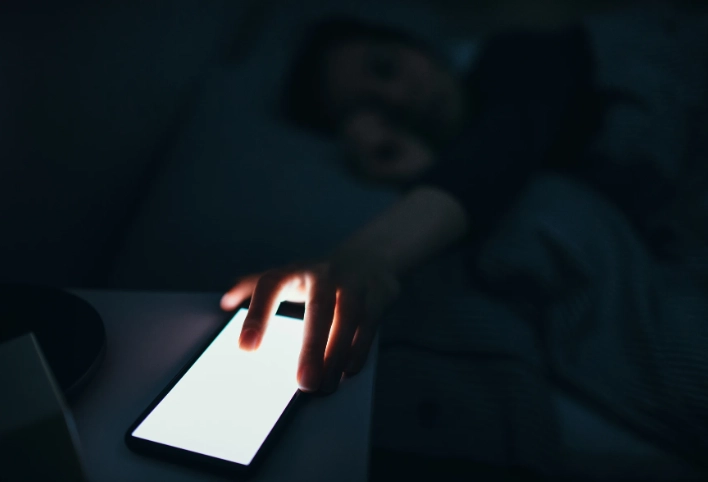
Power Nap Duration: A Quick-Reference Guide
Not all naps are created equal. The duration dramatically changes the effect. This table breaks down what happens at different time lengths, based on sleep stage research.
| Nap Length | Primary Sleep Stage | Key Benefits | The Downside / Risk | Best For... |
|---|---|---|---|---|
| 10 Minutes | Stage 1 (Light) | Quick alertness boost, reduced fatigue. Effects felt almost immediately. | Benefits may fade faster (within ~1-2 hours). | A fast recharge when you're very short on time. |
| 20 Minutes | Stage 2 (Light) | The "Gold Standard." Boosts alertness, motor learning, memory consolidation. No grogginess. | Requires being able to fall asleep relatively quickly. | General afternoon slump, pre-learning or pre-skill practice. |
| 30-60 Minutes | May enter Slow-Wave Sleep (SWS) | Deeper physical restoration, can enhance memory for facts/faces. | High risk of sleep inertia (grogginess) upon waking. | Use with caution. Only if you have 90+ minutes to fully recover. |
| 90 Minutes | Full Sleep Cycle (through REM) | Complete cycle, includes REM sleep for creativity & emotional processing. | Long time commitment. Can disrupt nighttime sleep if done late. | Weekend "recovery" nap after significant sleep debt. |
See that 30-60 minute zone? That's the danger zone for most people looking for a quick pick-me-up. Your best bet for reliable, grog-free energy is to stick to the 10-20 minute plan. These power nap tips for timing are based on avoiding that slow-wave sleep hangover.
Advanced Power Nap Techniques & Hacks
Once you've got the basics down, you can play with some advanced tactics. These are for the nap enthusiast looking to optimize every second.
The Caffeine Nap (or Nappuccino)
This sounds counterintuitive, but it's a legit hack. Drink a cup of coffee or espresso right before your 20-minute nap. The caffeine takes about 20-25 minutes to start blocking adenosine receptors in your brain. So, you nap while the caffeine is still traveling through your system, and you wake up just as the caffeine kicks in, getting a double whammy of alertness from the nap and the coffee. Studies have shown this combination is more effective than either one alone.
I was skeptical. Wouldn't the caffeine keep me awake? Surprisingly, no. The act of lying down and closing my eyes overrides the initial caffeine signal for me. The key is to drink it quickly and immediately go lie down. Don't check your phone.
Setting the Intention & The "Body Scan"
You have 20 minutes. Spending 15 of them worrying about work or trying to force sleep isn't helpful. As you lie down, take 30 seconds to set a simple intention: "I am resting to recharge." Then, try a quick body scan. Start at your toes, consciously relax them, then move up to your ankles, calves, knees, and so on. Don't worry about "finishing" the scan. The goal is to distract your busy mind with a simple, physical task, which often leads to drifting off. Even if you don't sleep, this deep relaxation is incredibly restorative.
Power Nap Props: What's Worth It?
- Eye Mask (Yes): As mentioned, non-negotiable for me now. A good one costs less than a few coffees.
- Weighted Blanket (Maybe): The deep pressure can be calming. But it can also make you too hot or feel "stuck" if your nap time is short. Better for longer, weekend-style naps.
- Nap Pods/Chairs (If You Can): Zero-gravity chairs or dedicated nap pods are amazing because they position your heart above your head, promoting relaxation. Not exactly office-friendly, but if you work from home, it's a worthy splurge.
- Apps (Pick One): Use a simple timer app. Avoid apps with complex sleep tracking for a power nap—the data isn't that useful for 20 minutes, and checking it can become an obsession. The goal is to rest, not optimize.
Answering Your Biggest Power Nap Questions
Q: I always wake up groggy, even from a short nap. What am I doing wrong?
You're likely either 1) napping too long (creeping into the 30+ minute danger zone), or 2) waking up during a deep sleep phase because your timing is off. Stick ruthlessly to a 20-minute alarm. Also, check your sleep debt. If you're chronically sleep-deprived, your body might be desperate to dive into deep sleep the moment you close your eyes, making you more prone to grogginess. Fixing your nighttime sleep is the long-term solution.
Q: Can a power nap replace lost nighttime sleep?
No. This is a critical point. Naps are a supplement, not a substitute. They can mitigate the symptoms of sleep deprivation (sleepiness, poor focus), but they don't provide all the restorative physical and immune benefits of a full night's sleep, especially the crucial deep sleep and REM sleep. Relying on naps instead of nightly sleep is a fast track to burnout and health issues.
Q: I can't fall asleep at all during the day. Does this mean naps aren't for me?
Not at all! Remember the concept of "non-sleep deep rest." The act of lying down in a dark, quiet place with your eyes closed for 10-20 minutes is profoundly beneficial. It lowers your heart rate, blood pressure, and stress hormones. You're still giving your brain a break from sensory input. Don't get anxious about "failing" to sleep. Just rest.
Q: Are there any health risks to power napping?
For most people, short naps are perfectly safe and healthy. However, if you find yourself experiencing an overwhelming need to nap daily, or falling asleep involuntarily, it could be a sign of an underlying sleep disorder like sleep apnea or narcolepsy. The same goes if you snore heavily during naps. In those cases, it's worth talking to a doctor. A good resource to understand sleep disorders is the National Heart, Lung, and Blood Institute (NHLBI).
Putting It All Together: Your 5-Step Power Nap Protocol
Let's make this stupidly simple. Here's a step-by-step checklist you can follow anytime, anywhere.
- Schedule It: Aim for 1-3 PM. Set a timer for 20-25 minutes (allowing 5 mins to wind down).
- Prep Your Cave: Find a dark, cool, quiet spot. Eye mask on. Earplugs or white noise if needed.
- The Wind-Down (2 mins): Lie down. Do a quick body scan or just focus on your breath. Let go of the day's tasks.
- The Nap (15-20 mins): Let go. Sleep if it comes. Rest if it doesn't.
- The Wake-Up (3 mins): Alarm goes off. Sit up immediately. Drink your pre-placed water. Get to light and move for 60 seconds.
That's it. No magic, just biology and a bit of discipline. The real power of these power nap tips is in their consistency. Making it a habit, even just 2-3 times a week, trains your brain and body to accept and benefit from this quick recharge.
So, next time that afternoon slump hits, don't fight it with another cup of coffee you don't need. Give yourself permission to step away for 20 minutes. Use these tips. You might just find that this small pause becomes your most powerful productivity tool.
It's not about sleeping your life away. It's about being awake and present for more of it.
Reader Comments