You've tried counting sheep, meditation apps, maybe even prescription sleep aids. The anxiety still hums in the background, and sleep feels like a distant shore. What if part of the solution was on your dinner plate? For thousands of years, Indian culinary traditions, deeply intertwined with the ancient medical system of Ayurveda, have used food as medicine—specifically for calming the nervous system (Vata dosha) and promoting restful sleep. This isn't about eating a heavy butter chicken before bed and hoping for the best. It's a nuanced, intentional approach using specific ingredients and timing that Western nutrition often overlooks.
I spent years battling work-related insomnia, and my introduction to these principles wasn't through a doctor, but through my Gujarati neighbor, Mrs. Patel. She noticed my tired eyes and one evening brought over a warm cup of something golden. "This is haldi doodh," she said. "For your nerves." That simple act sent me down a rabbit hole of learning that transformed my evenings.
What You'll Find in This Guide
The Ayurvedic Blueprint: Why Food Affects Sleep & Anxiety
Forget calories and macros for a moment. Ayurveda classifies everything—including food, our bodies, and our minds—by three fundamental energies or doshas: Vata (air/space), Pitta (fire/water), and Kapha (earth/water). Insomnia and anxiety are classic signs of a Vata imbalance. Think of Vata as the wind: when it's balanced, it's the force of movement, creativity, and communication. When it's aggravated, it becomes erratic, dry, and chaotic—racing thoughts, worry, a nervous stomach, and light, interrupted sleep.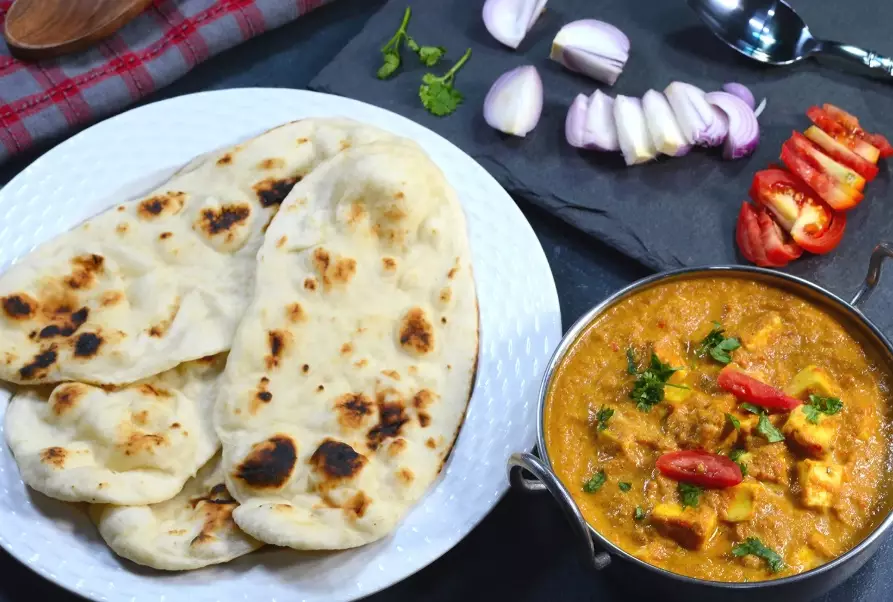
The goal with food is to pacify Vata. You do this by choosing foods that are grounding, warming, moist, and easy to digest. This is the exact opposite of a cold salad, a raw sandwich, or a crunchy bag of chips for dinner—all of which are light, dry, and cold, and will further aggravate Vata. This is where Indian cuisine shines. Its foundational elements are often perfectly aligned with Vata-pacifying principles.
Key Takeaway: You're not just eating for taste or fullness. You're eating to send a specific signal to your nervous system: "It's time to settle down, ground yourself, and prepare for restoration." The wrong signal—light, cold, raw—tells your body it's still go-time.
Your Kitchen Allies: Top Indian Foods for Sleep and Calm
Let's get specific. Here are the powerhouse ingredients you should get familiar with. Don't worry, you don't need to cook a complex feast. Incorporating even one or two of these consistently can make a noticeable difference.
The Non-Negotiable: Turmeric (Haldi) & Golden Milk
Yes, you've heard of it. But most people use it wrong for sleep. The active compound, curcumin, is a potent anti-inflammatory. Chronic, low-grade inflammation is a known contributor to both anxiety and sleep disorders. The trick? You must consume it with fat and black pepper. Curcumin is poorly absorbed on its own. The fat (like milk, coconut milk, or ghee) and piperine in black pepper increase bioavailability by up to 2000%.
The Classic Nightcap: Golden Milk (Haldi Doodh)
Warm 1 cup of whole milk (or almond/milk of choice). Whisk in ½ tsp turmeric powder, a pinch of black pepper, a small slice of crushed fresh ginger, and a ¼ tsp of ghee. Sweeten lightly with honey (added after heating to preserve its benefits). Simmer for 5 minutes, strain, and sip slowly 45 minutes before bed. The warmth, fat, and compounds work synergistically. It’s not magic, but it feels like it.
The Ultimate Comfort Food: Khichdi
If I could only recommend one dish, this would be it. Called the "king of easy digestion" in Ayurveda, khichdi is a simple, one-pot dish of mushy rice and split mung beans (moong dal), cooked with ghee and gentle spices like cumin and turmeric. It's the ultimate Vata-pacifying meal. It’s light enough not to burden digestion overnight but substantial and grounding enough to prevent you from waking up hungry. It provides complex carbs for steady blood sugar and plant-based protein. Make a big pot and have it for dinner 2-3 times a week.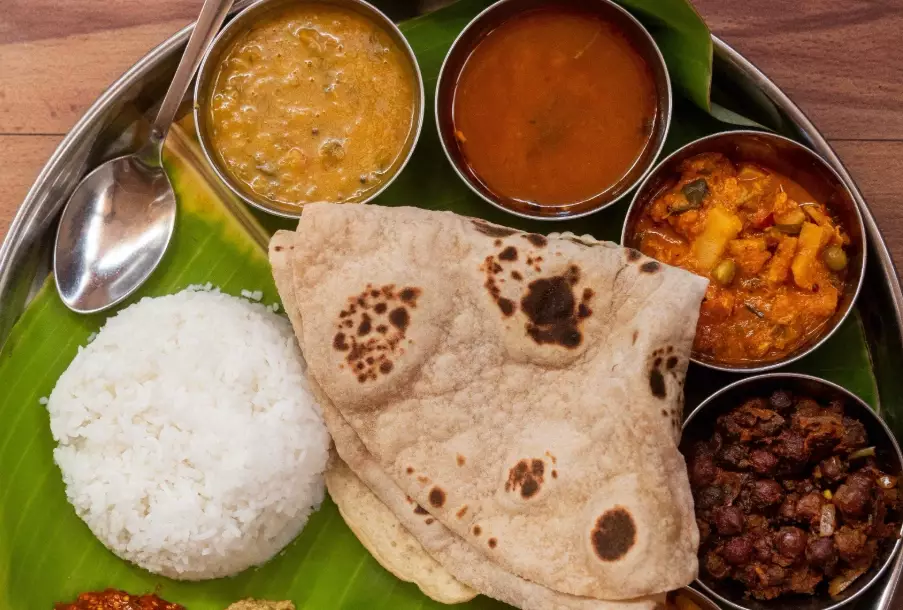
Ghee: The Clarified Butter That Clarifies Your Mind
Don't fear the fat. Ghee is lactose-free butterfat, revered in Ayurveda for its ability to carry the medicinal properties of herbs deep into tissues and to lubricate the nervous system. A teaspoon of warm ghee drizzled on your khichdi or stirred into your warm milk is profoundly soothing for Vata. It's a source of healthy fats that support brain function and hormone regulation—both key for mood and sleep.
| Ingredient | Key Property for Sleep/Anxiety | How to Use It at Night |
|---|---|---|
| Turmeric | Powerful anti-inflammatory, calms nervous system irritation. | In golden milk, or cooked into khichdi/vegetable dishes. |
| Mung Dal (Split) | Extremely easy to digest, provides stable energy, reduces bloating. | The base of khichdi, or as a simple dal soup. |
| Ghee | Lubricates nerves, enhances nutrient absorption, satisfies hunger. | 1 tsp melted in warm milk or drizzled over dinner. |
| Cardamom (Elaichi) | Calms stomach cramps (often linked to anxiety), mildly sedative. | Crush 1 pod into your evening tea or golden milk. |
| Ashwagandha (Adaptogen) | Lowers cortisol (stress hormone), improves resilience to stress. | ½ tsp powder in warm milk 1-2 hours before bed. *Consult doctor if on medication. |
| Fennel Seeds (Saunf) | Relieves gas and digestive discomfort that can disrupt sleep. | Chew a pinch after dinner, or brew into a simple tea. |
Crafting Your Calming Evening Meal: A Practical Plan
So what does this look like on a practical, busy Tuesday night? It's simpler than you think.
Timing is Everything: Eat your last meal at least 2.5 to 3 hours before bedtime. This gives your body time to shift from digestion (a Pitta-dominant activity) to repair and sleep. Going to bed with a full stomach is a guaranteed way to get poor sleep and feel anxious in the morning.
The Ideal Vata-Pacifying Dinner Plate:
- Main Component: A bowl of khichdi OR a well-cooked, soupy dal (like a yellow moong dal).
- Vegetables: Cooked, not raw. Think steamed zucchini, sautéed spinach (palak), or stewed carrots and peas. Season with cumin, turmeric, and a bit of ghee.
- Texture: Aim for moist, soft, and warm. Soups, stews, and well-cooked grains are perfect.
- What to Avoid at Dinner: Heavy meats, excessive raw vegetables (like big salads), cold foods straight from the fridge, dry crackers, and stimulants like caffeine or excessive sugar.
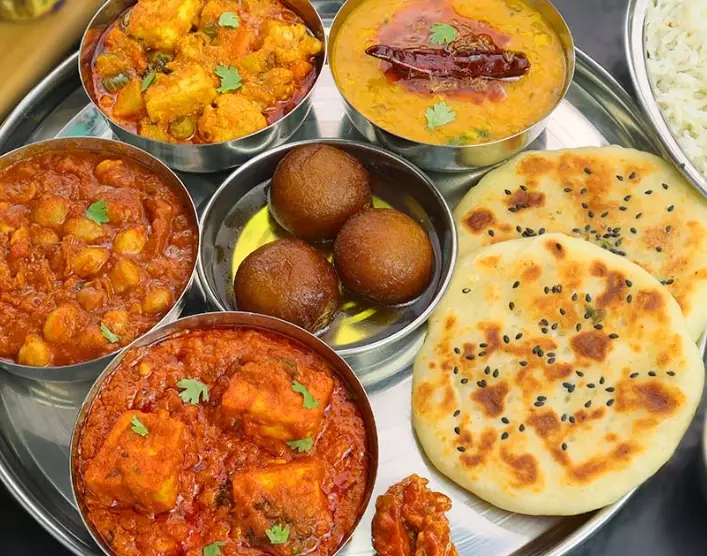
Here’s a sample 3-day plan to get you started:
- Day 1: Yellow moong dal soup, soft-cooked basmati rice with ghee, steamed green beans with cumin.
- Day 2: Simple vegetable khichdi (with carrots, peas, and spinach).
- Day 3: Light pumpkin (kaddu) soup flavored with ginger and fennel, a small side of chapati.
Finish with a cup of warm water with a squeeze of lemon, or a few sips of warm cumin-coriander-fennel tea.
The Nighttime Mistake Most Beginners Make
Everyone jumps on the turmeric and ashwagandha bandwagon. But the single biggest mistake I see? Ignoring digestion. In Ayurveda, sleep starts in the gut. If your dinner is hard to digest—too heavy, too oily, too raw—your body will be busy churning all night. This creates "ama" (toxins), disturbs Vata, and leads to fitful sleep and morning grogginess that feels like anxiety.
That's why khichdi and simple dals are repeated so often. They are "fail-safe" digestively. Before you add any fancy adaptogen, master the art of a light, early, warm, and easy-to-digest dinner. This one habit often solves more problems than any supplement.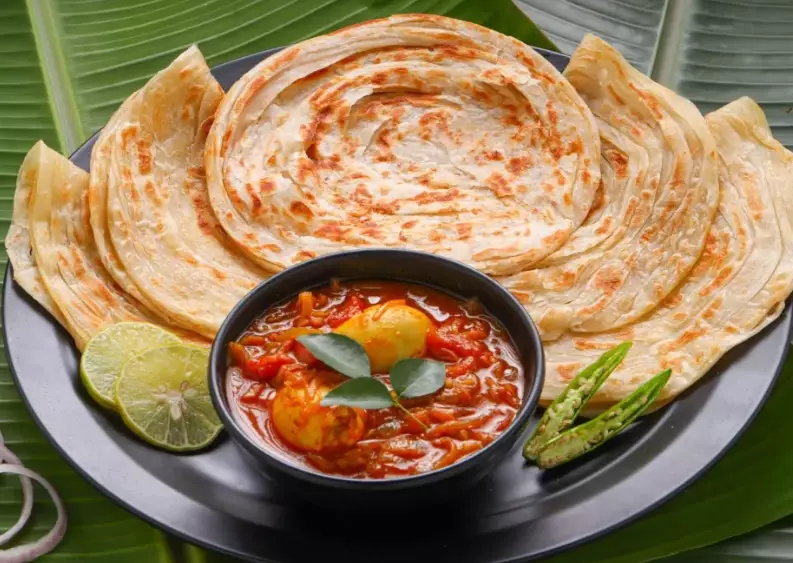
Your Questions Answered (Beyond the Basics)
I love spicy food. Will eating a spicy Indian curry at night ruin my sleep?
It depends on the spice. Heating spices like excessive chili powder or cayenne (which increase Pitta) can overstimulate your system and cause heartburn, disrupting sleep. However, the digestive spices central to Indian cooking—cumin, coriander, fennel, turmeric, ginger—are actually calming and aid digestion. The key is to choose dishes seasoned with these gentler spices for dinner, not the extra-hot vindaloo. A "korma" or a "yellow dal" is a much better bet than a "madras" curry late at night.
Can I just take a curcumin supplement instead of cooking with turmeric?
You can, but you miss the synergistic effect of the whole food and the ritual. The warm milk or ghee in golden milk provides the necessary fat for absorption and has its own sedative properties (tryptophan in milk). The act of sipping something warm, slow, and intentional 45 minutes before bed is a powerful behavioral signal to your brain that it's time to wind down—a signal a pill can't send. Supplements are a good adjunct, but don't skip the food-based ritual.
Are there any Indian foods I should absolutely avoid if I have anxiety?
Be mindful of foods that are extremely dry, cold, or light, as they aggravate Vata. This includes: large amounts of popcorn (very dry and light), crackers, cold leftovers eaten straight from the fridge, and excessively bitter or astringent foods like too much bitter gourd (karela) late in the day. Also, watch out for fried snacks (pakoras, samosas) as a late-night meal—the heaviness and oil can overwhelm digestion.
How long before I notice a difference in my sleep using these food principles?
This isn't a sleeping pill. It's a recalibration of your body's signals. Some people feel a difference in digestion and initial calm within a few days, especially with a consistent evening golden milk habit. For more entrenched sleep issues, give it a solid 2-3 weeks of committed practice—focusing on early, warm, Vata-pacifying dinners and a calming nightcap. The improvement is often gradual but more sustainable.
Can children or teenagers benefit from this approach for sleep anxiety?
Absolutely, and often with great results. The principles are gentle and food-based. A small cup of warm milk with a tiny pinch of turmeric and honey can be very soothing for a restless child. Replacing pre-bed sugary snacks with a small bowl of warm, sweetened rice pudding (kheer, made with light milk and cardamom) is a classic Indian remedy. Always keep portions small for children and avoid strong adaptogens like ashwagandha unless guided by a pediatric Ayurvedic practitioner.
Reader Comments