What to Expect
- The Breakdown: A Day-by-Day Descent into Chaos
- The Physical Carnage: What's Happening Inside Your Body
- The Mental Unraveling: When Your Mind Turns Against You
- Long-Term Consequences and Recovery: Is the Damage Permanent?
- Common Questions People Ask About 5 Days Without Sleep
- The Bottom Line: Respect Sleep, It's Non-Negotiable
Let's be real for a second. We've all pulled an all-nighter. You feel like garbage the next day, chug coffee, and promise yourself you'll never do it again. But what if that one night turned into two? Then three? What happens if you don't sleep for 5 days straight? I'm not talking about feeling a bit tired. I'm talking about a full-scale physiological and mental meltdown that pushes your body into uncharted, dangerous territory.
It sounds like something from a horror movie or a bizarre internet challenge. But the reality is far scarier and has real-world consequences. As someone who's deeply interested in sleep science (and who once survived on two hours a night for a week during finals in college—a terrible idea, by the way), I've dug into the research to separate fact from fiction. What I found wasn't just surprising; it was a stark warning.
Let's get this out of the way immediately: Going without sleep for 5 days is extremely dangerous and should never be attempted intentionally. This article is for informational purposes to understand the severe risks, not a guide.
So, why would anyone even search for this? Maybe you're a student facing impossible deadlines, a new parent in the thick of it, a shift worker struggling, or just morbidly curious. Whatever the reason, understanding the effects of no sleep for 5 days is crucial. It's not just about yawning. It's about your brain starting to eat itself (more on that later), your immune system waving a white flag, and your perception of reality crumbling.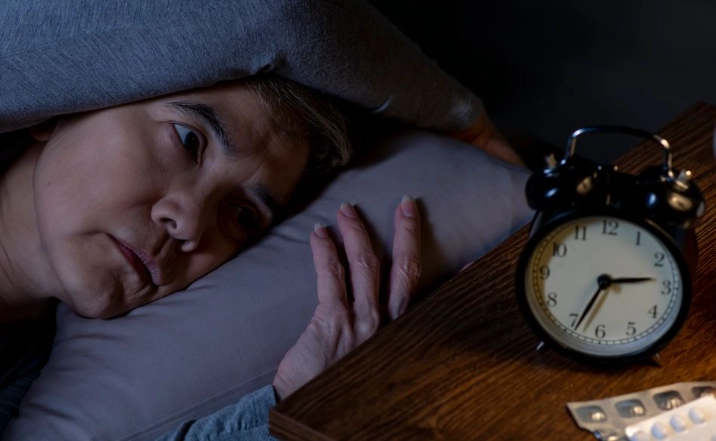
The Breakdown: A Day-by-Day Descent into Chaos
Sleep deprivation isn't a linear slide. It's more like falling down a staircase, where each day you hit a new, worse landing. Let's walk through what the science and documented cases tell us about the timeline when you don't sleep for 5 days.
I've put together a table to visualize this downward spiral. It's grim, but it clearly shows how the problems compound.
| Timeline | Primary Physical Effects | Primary Mental & Cognitive Effects | Overall Risk Level |
|---|---|---|---|
| After 24 Hours | Increased stress hormones (cortisol), blood pressure rise, reduced coordination, blood sugar begins to dysregulate. | Impaired attention, decision-making, and memory. Reaction time similar to being legally drunk (0.10% BAC). Irritability sets in. | Moderate - Functionally impaired. |
| After 48 Hours | Microsleeps (seconds of involuntary sleep), immune system function drops significantly, hormone production for growth and repair halts. | Severe cognitive decline. Difficulty with simple tasks and conversation. Memory gaps. Emotional volatility. | High - Dangerous to operate machinery or drive. |
| After 72 Hours | Extreme fatigue, weakened immune system (high susceptibility to illness), body temperature dysregulation, slurred speech. | Major cognitive deficits, depersonalization, intense mood swings (anxiety, depression, paranoia). Visual distortions begin. | Very High - Mental state severely compromised. |
| After 96 Hours (4 Days) | Physical exhaustion is profound. The body struggles with basic homeostasis. Risk of heart issues increases. | Pronounced hallucinations (auditory and visual), extreme paranoia, disordered thinking. This is often called "sleep deprivation psychosis." | Severe - Loss of touch with reality. |
| After 120 Hours (5 Days) | The body is in a state of crisis. Systems are failing. The risk of sudden cardiac events, stroke, or collapse is real and significant. | Full-blown psychosis is common. Hallucinations are vivid and convincing. Cognitive function is utterly fragmented. The person is incapacitated. | Critical - Medical emergency. |
Looking at that table, it's obvious that the question "what happens if you don't sleep for 5 days" has a multi-layered, terrifying answer. It's a total system failure.
The Physical Carnage: What's Happening Inside Your Body
Your body uses sleep for maintenance, repair, and reset. Take that away for nearly a week, and it's like running a car engine non-stop without ever changing the oil or letting it cool down. Catastrophic failure isn't a question of *if*, but *when*.
Your Brain Starts to Malfunction (Literally)
This is the scariest part for me. Research has shown that prolonged sleep deprivation causes the brain's cleanup cells, called microglia, to become hyperactive. Think of them as the janitors of your brain. In a well-rested brain, they clear out dead cells and debris. But when you don't sleep, they go into overdrive and start attacking healthy, functioning neural connections. It's a process similar to what's seen in Alzheimer's disease. A study published by researchers at Marche Polytechnic University in Italy found this "brain eating" effect in mice after just a few days of sleep loss. The implications for humans going 5 days without sleep are deeply concerning for long-term brain health.
Furthermore, your prefrontal cortex—the CEO of your brain responsible for decision-making, impulse control, and logical thought—essentially goes offline. This is why people make reckless, irrational decisions when severely sleep-deprived.
Your Heart and Cardiovascular System Are Under Siege
No sleep means constant stress. Your body remains in a heightened "fight or flight" state, pumping out cortisol and adrenaline. Your heart rate stays elevated, and your blood pressure doesn't get its normal nighttime dip. The Centers for Disease Control and Prevention (CDC) explicitly links short sleep duration with an increased risk of heart disease and stroke. Pushing this to the extreme for 5 days puts immense, potentially fatal strain on your cardiovascular system.
Your Immune System Collapses
Remember that college finals week I mentioned? I got the worst flu of my life immediately afterward. Coincidence? Not at all. During sleep, your body produces cytokines, proteins that target infection and inflammation. Sleep deprivation drastically reduces cytokine production. You become a sitting duck for viruses and bacteria. The National Institutes of Health (NIH) notes that sleep and immunity are tightly linked. After 5 days of no sleep, your body's defenses are practically nonexistent.
Other physical systems also nosedive:
- Metabolism: Hormones that control hunger (ghrelin and leptin) go haywire. You crave high-calorie, high-carb junk food, but your body becomes less able to process glucose efficiently, increasing diabetes risk.
- Hormones: Growth hormone (crucial for tissue repair) and testosterone production plummet. For men and women, this messes with muscle repair, libido, and overall vitality.
- Motor Skills: Your coordination and balance are as impaired as if you were heavily intoxicated. The risk of accidental injury skyrockets.
The Mental Unraveling: When Your Mind Turns Against You
If the physical effects are bad, the mental effects of skipping sleep for 5 days are where things get truly surreal and frightening. This isn't just "brain fog." This is your brain's operating system crashing and displaying error messages in the form of hallucinations.
You stop being you.
The Descent into Sleep Deprivation Psychosis
Around the 3-4 day mark, many people begin experiencing symptoms clinically similar to acute psychosis. This includes:
- Vivid Hallucinations: Seeing things that aren't there. Not just shadows in the periphery, but full-formed people, animals, or patterns. Auditory hallucinations (hearing voices or sounds) are also common.
- Intense Paranoia: A deep, unshakable feeling that you are being watched, followed, or plotted against. This isn't rational anxiety; it's a fixed, false belief.
- Disordered Thinking: Your thoughts become disjointed, illogical, and impossible to follow. Holding a conversation becomes impossible because you can't track ideas.
- Depersonalization/Derealization: Feeling detached from yourself (like you're watching yourself act) or feeling that the world around you is not real.
These symptoms are why what happens if you don't sleep for 5 days is a serious medical and psychological crisis, not a curiosity. The mind cannot sustain consciousness without the reset that sleep provides.
A Crucial Distinction: This sleep deprivation psychosis is usually temporary. Once the person gets extensive, recovery sleep, the psychotic symptoms typically fade. This is different from primary psychiatric disorders. But the experience itself is traumatic and dangerous while it lasts.
Cognitive Impairment So Severe It's disabling
Beyond psychosis, every cognitive function is in ruins:
- Memory: Your brain cannot form new memories (encode) or access old ones (recall) effectively. It's like having severe, global amnesia.
- Attention & Concentration: Your focus is non-existent. You'll be unable to read a paragraph, let alone understand it.
- Executive Function: Planning, problem-solving, and multitasking are impossible. Making a simple meal becomes an insurmountable task.
In essence, the complex, intelligent human you were is gone, replaced by a confused, terrified, and hallucinating shell. That's the stark reality of the effects of no sleep for 5 days on the mind.
Long-Term Consequences and Recovery: Is the Damage Permanent?
This is the million-dollar question. If someone survives this ordeal and finally sleeps, do they go back to normal?
The good news is that the human body and brain are remarkably resilient. After an episode of extreme sleep deprivation, the first priority is recovery sleep. This isn't just a long night. The person will likely sleep for 12, 16, even 20 hours straight, and still need more sleep in the following days. The brain prioritizes deep NREM sleep and REM sleep to repair the worst of the damage.
Most of the acute psychotic symptoms and severe cognitive deficits will resolve with sufficient recovery sleep. However...
There's growing evidence that such an extreme trauma to the system may leave subtle, long-lasting scars. The study on microglial activity suggests potential for accelerated neurodegeneration. The stress on the heart may have caused micro-damage. The immune system suppression may have allowed a latent virus to flare up.
Furthermore, the sleep-wake cycle itself can be deeply disrupted. The person may struggle with insomnia or fragmented sleep patterns for a long time afterward, as the brain's master clock (the suprachiasmatic nucleus) tries to recalibrate.
Full recovery takes time, and it might not be 100%.
Common Questions People Ask About 5 Days Without Sleep
The Bottom Line: Respect Sleep, It's Non-Negotiable
After looking at all this, my personal takeaway is a renewed, almost fierce respect for sleep. It's not a luxury or a sign of laziness. It's a biological imperative, as vital as food, water, and air.
So, what happens if you don't sleep for 5 days? You invite a temporary, self-induced madness that breaks your body and mind. You risk permanent health consequences. You become a danger to yourself and potentially to others.
If you are struggling with severe insomnia or are in a situation causing extreme sleep loss, please seek help from a doctor or a sleep specialist. There are treatments and strategies. Pushing yourself to see "what happens" is a terrible, dangerous experiment with your most precious asset: your health.
The goal isn't to scare you for the sake of it. It's to provide the definitive, science-backed answer to that search query, so anyone wondering understands the sheer gravity of the situation. Sleep isn't downtime. It's the time when your body and brain do their most critical work. Don't steal from that time. Your future self will thank you.
Reader Comments