Okay, let's be honest. You're reading this because you've searched "how to 100% fall asleep" more times than you can count. You've tried counting sheep, drinking weird teas, and maybe even those fancy apps. And here you are, still staring at the ceiling at 3 AM, feeling more frustrated than rested.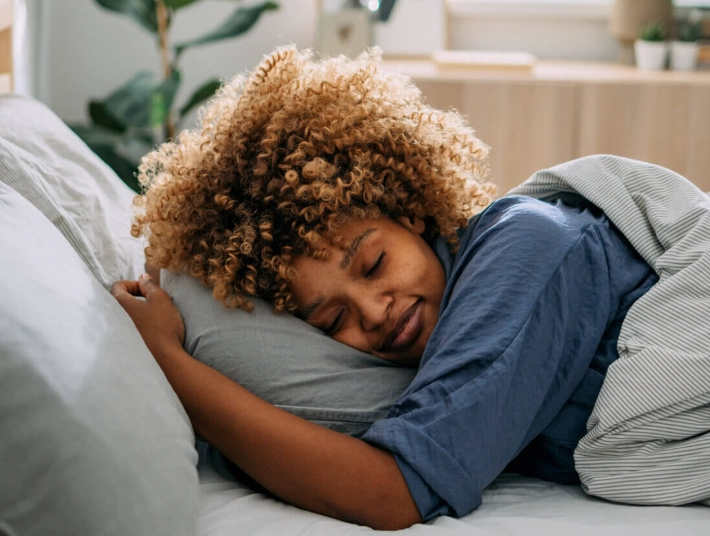
I get it. I've been there. The promise of "100%" is a mirage in the desert of sleepless nights. But what if we stopped chasing perfection and started building a system so reliable that falling asleep becomes the default, not the struggle? That's what this is about. It's not a magic spell; it's a blueprint.
The truth is, "how to 100% fall asleep" isn't about a single trick. It's about stacking the deck so heavily in your favor that sleep becomes inevitable. We're going to break down the exact environment your brain needs, the physical switches you need to flip, and the mental clutter you need to clear. No fluff, just what works.
In This Guide
- Forget Counting Sheep: Build Your Sleep Sanctuary First
- Your Body's Pre-Sleep Checklist: The 60-Minute Wind-Down
- The Mental Game: Quieting the "Monkey Mind"
- What to Avoid: The Sleep Saboteurs
- When You're Still Awake: The "Get Out of Bed" Rule
- Answering Your Burning Questions
- Putting It All Together: Your Nightly Game Plan
Forget Counting Sheep: Build Your Sleep Sanctuary First
Your bedroom might be working against you. We treat it like a living room, an office, and a dining area. No wonder your brain is confused. The first step in mastering how to fall asleep is to reclaim your room for one purpose only.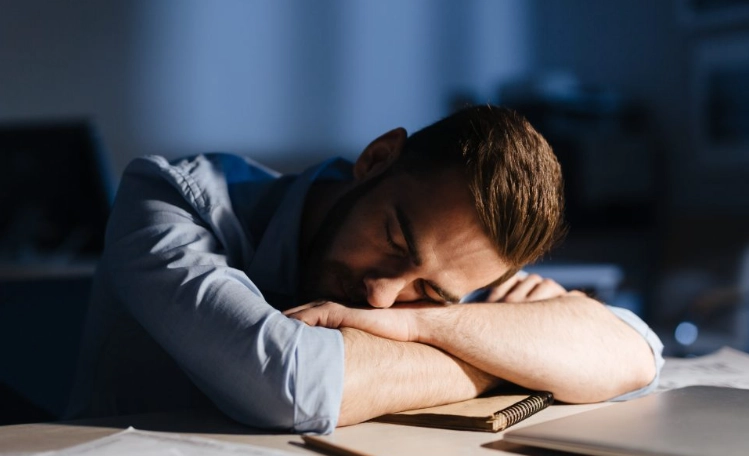
The Non-Negotiable Trio: Dark, Cool, and Quiet
This isn't just advice; it's biology. Your body needs specific signals to trigger sleep hormones like melatonin.
- Pitch Black Darkness: And I mean dark. Even the tiny LED from your charger can interfere. Blackout curtains are a game-changer. An eye mask works, but making the room itself dark is better. It tells your brain's internal clock that it's time to power down.
- The Goldilocks Temperature: Around 65°F (18.3°C). This drop in core temperature is a key signal for sleep onset. A cool room facilitates this. If your feet are cold, wear socks. Seriously, it helps.
- Sound Control: Total silence can be unsettling for some. The goal is consistent, non-intrusive sound. A white noise machine or a fan does wonders. It drowns out unpredictable noises (traffic, a snoring partner) that can jolt you awake. I personally use a cheap box fan—the hum is perfect.
Getting these three right solves about 40% of the battle for how to 100% fall asleep. It's the foundation.
Your Body's Pre-Sleep Checklist: The 60-Minute Wind-Down
You can't sprint and then immediately slam on the brakes. Your nervous system needs a gradual slowdown. This is where most people fail. They're scrolling through work emails or watching an intense show right until they close their eyes.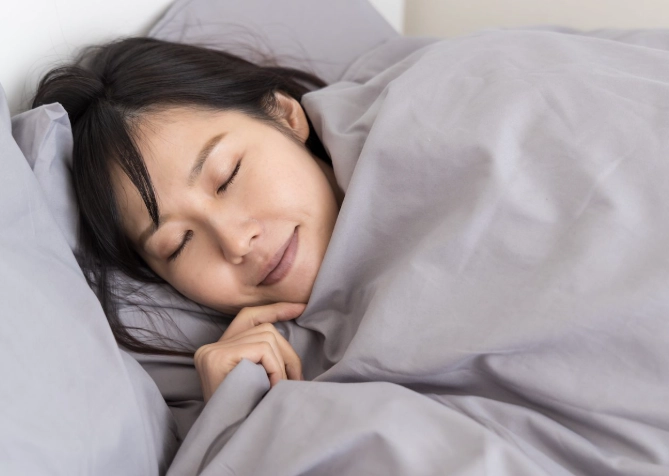
Your body needs a ritual.
The One-Hour Wind-Down Protocol
- Minus 60 minutes: Stop all screens. Yes, all of them. The blue light suppresses melatonin. Read a physical book (a boring one is excellent), listen to calm music, or do some light tidying.
- Minus 45 minutes: Take a warm shower or bath. The rise and subsequent fall in body temperature mimics the natural sleep trigger and is incredibly relaxing.
- Minus 30 minutes: Practice some gentle, static stretching. Focus on your hips, hamstrings, and back. Hold each stretch for 30 seconds. No vigorous yoga.
- Minus 15 minutes: Prepare for tomorrow. Lay out your clothes, pack your bag. This gets planning anxiety out of your head and onto paper (or out of your head entirely).
- Minus 5 minutes: Get into bed. Do some very slow, deep breathing. In for 4, hold for 7, out for 8. Just a few cycles.
This isn't a rigid law, but a template. The key is consistency. Doing a similar sequence night after night trains your brain to recognize the pattern: "Ah, this is the pre-sleep routine. Time to get drowsy."
The Mental Game: Quieting the "Monkey Mind"
This is the hardest part. The body is tired, the room is perfect, but your mind is replaying that awkward thing you said in 2012. Learning how to 100% fall asleep means learning to manage this.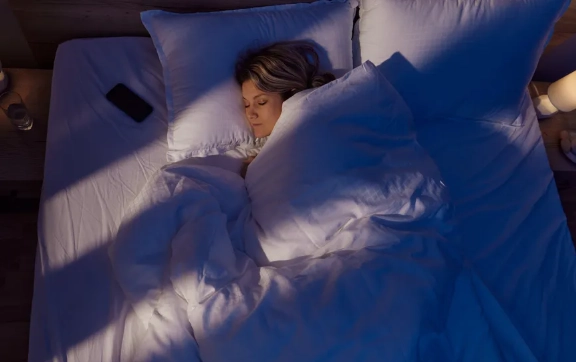
Techniques That Actually Work (Not Just "Clear Your Mind")
Telling someone with anxiety to "clear their mind" is useless. You need a gentle task for your brain to focus on.
- The "Mental Notepad": Keep a notebook by your bed. The moment you get in, brain-dump every thought, worry, or to-do item onto the page. Close the book. Physically hand the thoughts over. This works shockingly well.
- Body Scan Meditation: Don't run from this if you're not "meditative." It's simple. Starting at your toes, mentally focus on each body part. Consciously relax it. Toes... relax. Feet... relax. Ankles... relax. Move slowly upward. By the time you reach your head, you're often halfway to sleep.
- Boring Mental Journeys: Imagine walking slowly through a very familiar, mundane place in extreme detail. Your childhood home, your route to school. The goal is to be so boring that your mind loses interest and drifts off. It's a hack, and it works.
My personal nemesis was the work problem solver. I'd lie there trying to debug code. Now, if a thought pops up, I literally say (in my head), "Not now. Notebook tomorrow." It sounds silly, but it creates a boundary.
What to Avoid: The Sleep Saboteurs
Sometimes, knowing what not to do is more important. Let's bust some myths and confirm some truths.
| Saboteur | Why It's Bad | What to Do Instead |
|---|---|---|
| Caffeine after 2 PM | Caffeine has a half-life of 5-6 hours. That 3 PM coffee can still be 50% active at 9 PM, blocking sleep signals. | Set a hard caffeine curfew. Switch to herbal tea or water in the afternoon. |
| Alcohol as a "Nightcap" | It may help you fall asleep initially, but it severely fragments sleep in the second half of the night, destroying deep and REM sleep. | Finish your last drink at least 3 hours before bed. Water is your real nightcap. |
| Late, Heavy Meals | Your body is busy digesting instead of winding down. Acid reflux can also keep you up. | Eat dinner at least 2-3 hours before bed. If you need a snack, try a small banana or a handful of almonds. |
| Clock-Watching | It fuels anxiety. "It's already 2 AM! I only have 4 hours left!" This stress releases cortisol, the wakefulness hormone. | Turn your clock away. If you wake up, do NOT check the time. Just roll over and focus on your breathing. |
| Napping for too long/too late | Long naps (over 30 mins) or naps after 3 PM can steal sleep pressure from your night. | Keep naps to 20 minutes, before 3 PM. Or skip them if you struggle with nighttime sleep. |
Look, I love a glass of wine. But I had to admit it was wrecking my sleep quality. Trading it for consistent deep sleep was worth it.
When You're Still Awake: The "Get Out of Bed" Rule
This is the single most important rule from cognitive behavioral therapy for insomnia (CBT-I), which is considered the gold-standard non-drug treatment. The National Sleep Foundation and other experts swear by it.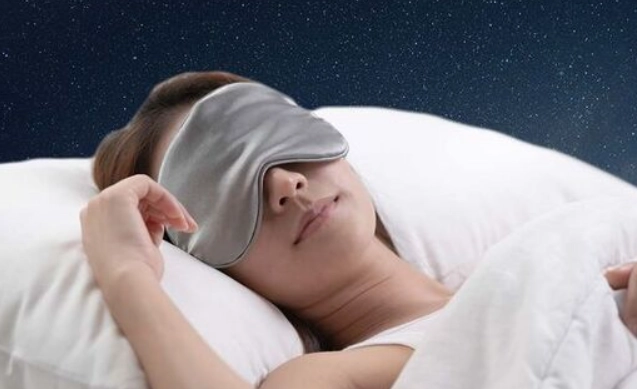
Here's the rule: If you're not asleep (or feeling very drowsy) after about 20 minutes in bed, get up.
Leave the bedroom. Go to a dimly lit room and do something boring. Read a physical book (no thrillers!). Fold some laundry. Listen to a calm podcast. No screens, no food, no work. The goal is to avoid associating your bed with frustration and wakefulness. When you feel sleepy again, go back to bed.
Repeat as necessary. It breaks the cycle of anxiety. Your bed becomes just for sleep (and sex), not for worrying.
Answering Your Burning Questions
Let's tackle some specific things people search when they're desperate to figure out how to 100% fall asleep.
Q: What's the best sleeping position?
A: For most people, especially those with back pain or snoring/ sleep apnea, sleeping on your side is king. It keeps your spine aligned and airways open. Back sleeping can worsen snoring, and stomach sleeping twists your neck. Try a body pillow between your knees if you're a side sleeper—it's a game-changer for hip alignment.
Q: Are sleep supplements (melatonin, magnesium) worth it?
A: It's complicated. Melatonin is a hormone, not a sedative. It's best for resetting your circadian rhythm (like jet lag or shift work). For general insomnia, the evidence is mixed. A low dose (0.5mg to 3mg) about an hour before bed might help some. Magnesium glycinate can promote relaxation. But they are not substitutes for the behavioral changes above. Always talk to a doctor first. The National Center for Complementary and Integrative Health has a good, science-based overview.
Q: I fall asleep fine but wake up at 3 AM every night! Why?
A: This is incredibly common. It's often a cortisol spike or a blood sugar dip. First, don't look at the clock. Use the "get out of bed" rule if you're awake for more than 20 minutes. Ensure your room is still cool and dark. That late-night snack (like almonds) can help stabilize blood sugar. Also, look at stress management during the day—unprocessed stress often surfaces at night.
Q: How important is a consistent wake-up time?
A: Possibly more important than a consistent bedtime. Waking up at the same time every day (yes, even weekends) anchors your circadian rhythm. It makes your body predictably tired at around the same time each night. This is a cornerstone habit for learning how to 100% fall asleep reliably.
Putting It All Together: Your Nightly Game Plan
This feels like a lot, right? Don't try to implement everything at once. You'll get overwhelmed. Pick one thing from each section to start with this week.
Week 1 Focus
- Environment: Buy blackout curtains or a very good eye mask.
- Body: Implement a 60-minute screen curfew before bed.
- Mind: Start the "mental notepad" journal by your bed.
- Habit: Practice the 20-minute "get out of bed" rule once.
The goal of figuring out how to 100% fall asleep isn't about achieving a perfect score. It's about building a system so robust that sleep becomes the natural outcome. Some nights will still be harder than others—that's life. But if you consistently apply this framework, the nights of frantic ceiling-staring will become rare exceptions, not the rule.
Start tonight. Pick one change. The most powerful step is the first one.
Reader Comments