Quick Guide
- What Sleep Deprivation Really Is (And Isn't)
- The Foundation: Building Unbreakable Sleep Hygiene
- Diet and Movement: Fueling Sleep, Not Fighting It
- Taming the Midnight Mind: Stress and Anxiety
- When to Consider Supplements and Alternative Aids
- Knowing When It's Time to Call in the Professionals
- Your Action Plan: Putting It All Together
- Common Questions (The Stuff You're Still Wondering)
Let's be honest. Waking up feeling like you've been hit by a truck, dragging yourself through the day fueled by caffeine and sheer willpower—it's a miserable way to live. I've been there. For months, my sleep was a mess. I'd lie in bed for hours, mind racing, only to be jolted awake by the alarm after what felt like minutes of actual sleep. The brain fog was real. The irritability was off the charts. I knew I had to figure out how to cure sleep deprivation, not just mask it with another latte.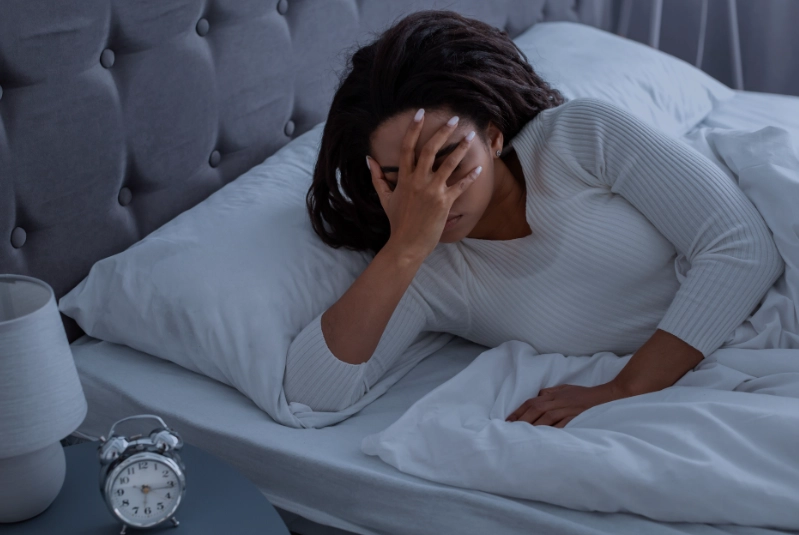
Maybe you're in that same boat right now. You search for "how to cure sleep deprivation" and get a million pieces of advice, from counting sheep to weird breathing techniques. It's overwhelming. What actually works? The truth is, curing sleep deprivation isn't about one magic trick. It's a holistic rebuild of your habits, your environment, and sometimes, your mindset. It's about treating the root causes, not just the symptom of tiredness.
What Sleep Deprivation Really Is (And Isn't)
First, let's clear something up. A bad night or two isn't sleep deprivation. Sleep deprivation is a consistent, chronic shortage of the sleep your body and brain need to function optimally. The National Sleep Foundation defines it as simply not getting enough sleep, and adults typically need 7-9 hours. But it's more than just quantity. It's about the quality of those hours, too.
People often confuse it with insomnia. Insomnia is a specific sleep disorder characterized by difficulty falling or staying asleep, even when you have the chance. Sleep deprivation is the broader state you end up in because of insomnia, a crazy work schedule, poor habits, or all of the above. You can have insomnia and be sleep deprived. You can also be sleep deprived without a clinical insomnia diagnosis—like if you're a new parent or pulling all-nighters for a project.
The effects are no joke. We're talking about impaired cognitive function (goodbye, sharp thinking), weakened immune system (hello, constant colds), mood swings, increased risk of accidents, and long-term risks like heart disease and diabetes. The Centers for Disease Control and Prevention (CDC) links insufficient sleep with several chronic diseases. So figuring out how to cure sleep deprivation is a serious health investment.
The Foundation: Building Unbreakable Sleep Hygiene
If your sleep is a crumbling house, sleep hygiene is the new foundation you need to pour. This isn't about being "clean"; it's about the collection of habits that set the stage for good sleep. It's the most critical first step in any plan to cure sleep deprivation.
Your Sleep Schedule is Non-Negotiable
Your body loves rhythm. It has a master clock called the circadian rhythm. Mess with it, and sleep suffers. The single most powerful thing you can do is go to bed and wake up at the same time every day. Yes, even on weekends. I know, I know. Sleeping in on Saturday feels like a reward. But it's like giving yourself jet lag every week—"social jet lag," they call it. You're confusing your internal clock, making it harder to fall asleep on Sunday night and perpetuating the cycle.
Try it for two weeks. Set an alarm for bedtime just like you do for waking up. Be rigid about it. The consistency signals to your brain when it's time to wind down and when it's time to be alert.
The Wind-Down Ritual: Your Brain's Off-Ramp
You can't sprint at full speed and then expect to slam on the brakes and fall asleep instantly. Your brain needs a transition period—a wind-down ritual. This is your 60-90 minute "pre-sleep" protocol.
- Ditch the Screens: This is the big one. The blue light from phones, tablets, and TVs suppresses melatonin, the hormone that makes you sleepy. I made a rule: no screens in the bedroom. I charge my phone in another room. It felt weird at first, but now I read an actual book (shocking, I know) for 20-30 minutes. The difference in how quickly my mind quieted was noticeable.
- Create a "Worry Dump": If an anxious mind is keeping you up, try this. About an hour before bed, take a notebook and just brain-dump every thought, task, or worry. Getting it out of your head and onto paper can stop the mental loops when your head hits the pillow.
- Embrace the Dull: Do something boring. Listen to a calming podcast (not a thrilling true crime one!), do some gentle stretching, or take a warm bath. The goal is to lower stimulation, not increase it.
Your Bedroom: Make It a Sleep Cave
Your bedroom environment should scream "SLEEP." Optimize these three things:
- Darkness: Pitch black. Use blackout curtains. Cover or turn away any tiny LED lights from electronics. Even a small amount of light can disrupt sleep quality. An eye mask is a great, cheap solution if you can't control the room's darkness completely.
- Coolness: A cooler room (around 65°F or 18°C) is ideal for sleep. Your body temperature naturally drops to initiate sleep. A hot room fights that process.
- Quiet: If noise is an issue, try a white noise machine, a fan, or earplugs. Consistent, low background noise can mask disruptive sounds like traffic or a partner's snoring.
And this is crucial: Reserve the bed for sleep and intimacy only. No working, no doomscrolling, no watching stressful news. You want your brain to associate your bed with one thing: conking out.
Diet and Movement: Fueling Sleep, Not Fighting It
What you eat and how you move during the day has a massive impact on your night.
The Food and Drink Sleep Killers (And Helpers)
Let's talk about the evening meal. A heavy, greasy, or spicy meal right before bed can cause indigestion and discomfort, making it hard to sleep. Try to finish your last large meal at least 2-3 hours before bedtime.
Then there's the usual suspect: caffeine. Its half-life is about 5-6 hours. That means if you have a coffee at 4 PM, half the caffeine is still in your system at 9-10 PM. For people sensitive to caffeine, that's enough to disrupt sleep. My rule? No caffeine after 2 PM. I switched to herbal tea in the afternoons.
Alcohol is a sneaky one. It might make you feel drowsy initially, but it absolutely butchers sleep architecture. It suppresses REM sleep (the restorative, dream-filled stage) and often causes you to wake up in the middle of the night as your body metabolizes it. Relying on a nightcap is a terrible long-term strategy for how to cure sleep deprivation.
On the flip side, some foods might help. A small snack containing tryptophan (an amino acid that's a precursor to melatonin and serotonin) combined with carbs can be soothing. Think a small bowl of oatmeal, a banana, or a few whole-grain crackers with a slice of turkey. But keep it small—you're not having a second dinner.
Exercise: The Best Sleep Aid You're Not Timing Right
Regular exercise is fantastic for sleep. It reduces stress, tires your body physically, and can help regulate your circadian rhythm. But when you exercise matters.
Moderate to vigorous exercise too close to bedtime can be over-stimulating for some people, raising body temperature and adrenaline levels. For most, finishing exercise at least 2-3 hours before bed is a safe bet. However, gentle movement like yoga, tai chi, or a leisurely walk in the evening can be part of a great wind-down ritual. Listen to your body. If a late gym session leaves you wired, shift it to the morning or afternoon.
Taming the Midnight Mind: Stress and Anxiety
This is often the biggest hurdle. You're physically tired, but your brain is hosting a panic party about tomorrow's meeting, that unpaid bill, or something embarrassing you said in 2012. Learning how to cure sleep deprivation often means learning how to manage this anxiety.
Proven Techniques to Quiet the Chatter
You can't just tell your brain to "stop thinking." You need to give it something else to do.
- 4-7-8 Breathing: This is my go-to if I wake up anxious. Inhale quietly through your nose for 4 seconds. Hold your breath for 7 seconds. Exhale completely through your mouth, making a whoosh sound, for 8 seconds. Repeat 3-4 times. It activates your parasympathetic nervous system (the "rest and digest" system) and forces your mind to focus on counting, not worrying.
- Progressive Muscle Relaxation (PMR): Starting at your toes, tense the muscles as hard as you can for 5 seconds, then completely release for 30 seconds. Work your way up your body—calves, thighs, glutes, stomach, hands, arms, shoulders, face. It teaches you to recognize the difference between tension and relaxation, and it's hard for your mind to race when you're focusing on specific muscle groups.
- Mindfulness and "Leaves on a Stream": Imagine you're sitting by a peaceful stream. Every thought that pops into your head, place it on a leaf and watch it float away downstream. Don't judge the thought, don't engage with it. Just acknowledge it and let it go. This practice helps you detach from anxious thoughts instead of getting tangled in them.
If bedtime anxiety is a major pattern, consider scheduling "worry time" earlier in the day (like that journaling technique) to contain it, so it doesn't invade your sleep.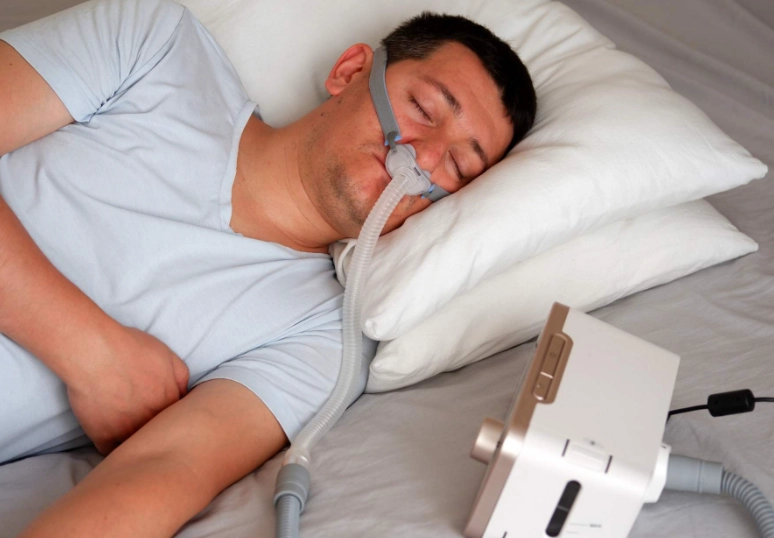
When to Consider Supplements and Alternative Aids
Let's talk about the supplement aisle. It's tempting to look for a pill that tells you how to cure sleep deprivation overnight. Some supplements can be helpful adjuncts to all the behavioral work we've discussed, but they are not magic bullets or long-term substitutes for good sleep hygiene.
Here’s a quick, honest look at some common ones:
| Supplement | What It Is / Does | The Reality Check | Best For |
|---|---|---|---|
| Melatonin | A hormone your body naturally produces to regulate sleep-wake cycles. | It's for timing sleep, not making you sleepy. Great for jet lag or resetting a shifted schedule. Less effective for general insomnia if your body already makes enough. Start with a low dose (0.5-1 mg) 30-60 mins before bed. | Shift workers, jet lag, delayed sleep phase disorder. |
| Magnesium | A mineral involved in hundreds of bodily processes, including muscle relaxation and nervous system regulation. | Many people are mildly deficient. Forms like Magnesium Glycinate or Citrate are known for calming effects. Can help with restless legs and general relaxation. Effects are subtle but cumulative. | People with muscle tension, restless legs, or high stress. |
| L-Theanine | An amino acid found in tea leaves, known to promote relaxation without drowsiness. | It promotes alpha brain waves (associated with calm alertness). Good for reducing anxiety that interferes with sleep. Doesn't cause grogginess. | Anxious minds, people who feel "tired but wired." |
| Valerian Root | An herbal supplement with a long history of use as a sedative. | The evidence is mixed. Some studies show benefit, others don't. It has a strong, earthy smell some find unpleasant. Can take a few weeks of consistent use to see effects. | Those looking for a gentle herbal option, willing to try it consistently. |
Important: Always talk to your doctor before starting any new supplement, especially if you are on other medications. They are not regulated like drugs, and quality can vary wildly.
Knowing When It's Time to Call in the Professionals
You've tried the perfect sleep hygiene. You're managing stress. You're eating right. And you're still staring at the ceiling night after night. What then? This is a critical point. Stubborn sleep deprivation can be a sign of an underlying sleep disorder or another medical condition.
It's time to see a doctor or a sleep specialist if:
- Your sleep problems persist for more than a month despite honest efforts with lifestyle changes.
- You suspect you have sleep apnea (loud snoring, gasping for air during sleep, excessive daytime sleepiness). This is a serious medical condition where breathing stops and starts, and it requires professional diagnosis and treatment (like a CPAP machine). The Mayo Clinic has excellent resources on symptoms.
- You have Restless Legs Syndrome (RLS) (an irresistible urge to move your legs, especially at night).
- Your insomnia is causing severe distress or affecting your ability to function during the day.
A healthcare provider can rule out medical causes (like thyroid issues, pain, or anxiety disorders) and may recommend Cognitive Behavioral Therapy for Insomnia (CBT-I). This is considered the gold-standard, first-line treatment for chronic insomnia by experts like those at the American Psychological Association. It's a structured program that helps you change thoughts and behaviors around sleep, and it's often more effective long-term than sleep medication.
Your Action Plan: Putting It All Together
This is a lot of information. Don't try to overhaul your entire life in one night. You'll get overwhelmed and give up. The real secret to how to cure sleep deprivation is consistency with small changes.
Start with ONE thing this week. Maybe it's setting a firm bedtime and wake-up time. Maybe it's implementing a 60-minute screen-free buffer before bed. Maybe it's just buying blackout curtains. Master that one habit for a week.
Next week, add one more. Maybe it's moving your caffeine curfew earlier. Or starting a brief wind-down ritual.
Track your progress loosely. Not with obsessive sleep apps that can create anxiety, but just a simple note in your journal: "In bed by 10:30, read for 20 mins, felt asleep easier than last night." Celebrate the small wins.
Remember, your sleep debt didn't accumulate in a week, and you won't cure sleep deprivation in a week either. It's a gradual process of rebuilding trust with your own body's rhythm. Be patient and kind to yourself. Some nights will still be bad, and that's okay. The goal is progress, not perfection.
Common Questions (The Stuff You're Still Wondering)
The journey to understand how to cure sleep deprivation is personal. It requires experimenting to see what works for your body and your life. Start with the foundation—the sleep hygiene non-negotiables. Build from there. Be patient. The fog will lift, the energy will return, and waking up will stop feeling like a punishment. Trust the process, and give yourself the gift of a real good night's sleep. You've got this.
Reader Comments