Let's cut to the chase. You're tired in a way that coffee can't fix, sleep doesn't touch, and it's dragging on for months, maybe years. You're wondering, "Is this just my life now?" The short, honest answer to how long menopause fatigue lasts is: it varies wildly, but for many women, it's a marathon, not a sprint. It often starts in the turbulent years of perimenopause, can peak around the final menstrual period, and for some, lingers well into postmenopause. But here's the crucial part most articles miss: the duration isn't a passive waiting game. What you do during this time dramatically influences how long you feel exhausted and how quickly you reclaim your vitality.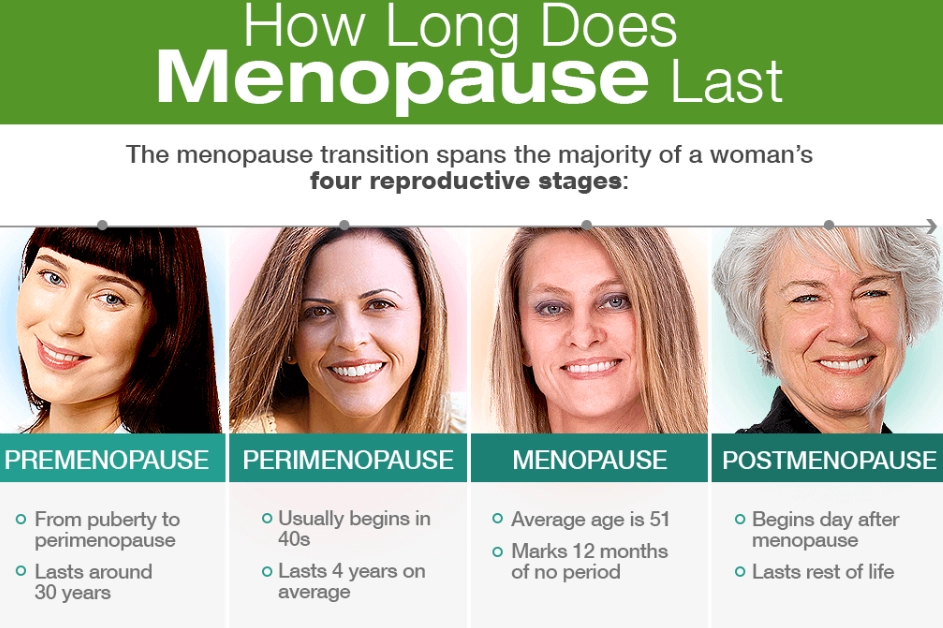
I've talked to hundreds of women navigating this, and the universal mistake is treating this fatigue like a regular slump. It's not. It's a complex signal from your body, driven by plummeting estrogen and progesterone, disrupted sleep from night sweats, and a nervous system stuck in low-grade alert. Understanding this is the first step to shortening its stay.
What You'll Find in This Guide
The Realistic Menopause Fatigue Timeline: From Perimenopause Onward
Expecting a neat, two-year window? Biology isn't that tidy. Menopause fatigue follows the stages of the transition itself. Think of it in phases, not a single event.
Key Insight: The North American Menopause Society (NAMS) defines perimenopause as the time when menstrual cycles become irregular until 12 months after your final period. This phase, which can last 4-8 years on average, is often when fatigue first becomes a stubborn companion.
| Stage | Typical Duration | Fatigue Characteristics & Why It Happens |
|---|---|---|
| Early Perimenopause | Can start 5-10 years before menopause (late 30s to 40s) | Fatigue may be intermittent, tied to hormonal fluctuations in the menstrual cycle. You might feel wiped out for a week, then better. Sleep starts to become less reliable. |
| Late Perimenopause | 1-3 years before the final period | Fatigue intensifies and becomes more constant. Night sweats and insomnia severely fragment sleep. Estrogen and progesterone are on a steep decline, directly impacting brain energy metabolism and stress response. |
| Menopause (The First Year) | The 12 months after your final period | For many, this is the peak of fatigue severity. The body is adjusting to a new, low-hormone baseline. If sleep is still poor, fatigue can feel debilitating. |
| Postmenopause (Years 1-5+) | Begins after the first year and continues | For some women, energy levels gradually improve as the body adapts and sleep stabilizes. For others, particularly if underlying issues like sleep apnea or thyroid changes aren't addressed, fatigue can persist for several more years. |
See that last row? That's the critical fork in the road. The difference between a 2-year struggle and a 7-year one often comes down to proactive management versus passive endurance.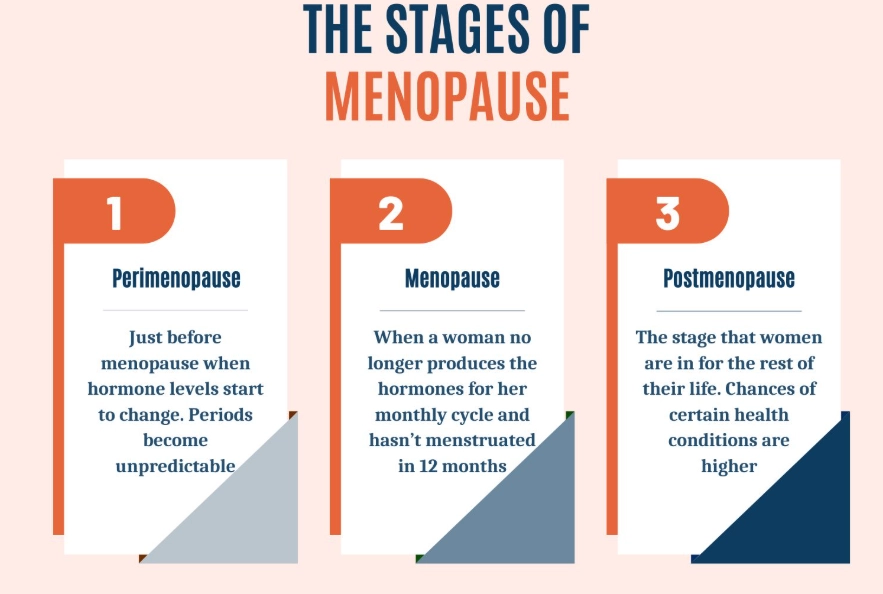
Why Does This Fatigue Drag On For So Long?
If it were just about hormones, it might resolve quicker. The longevity comes from a perfect storm of interconnected factors that most doctors, unless they're menopause specialists, don't connect for you.
The Hormone-Energy Connection (It's Not Just Hot Flashes)
Estrogen is a master regulator of energy. It helps your mitochondria—your cells' power plants—work efficiently. When estrogen drops, it's like your body's energy grid is running on reduced power. Progesterone, which also declines, has a natural calming, sleep-promoting effect. Its absence makes it harder to wind down and stay asleep.
The Sleep Disruption Multiplier
This is the biggest accelerator of long-term fatigue. You don't need me to tell you about 3 AM wake-ups drenched in sweat. But here's the subtle error: women often blame the night sweat itself and don't realize the real damage is sleep fragmentation. Waking up multiple times, even briefly, prevents you from cycling into deep, restorative sleep (slow-wave sleep) and REM sleep, where mental recovery happens. Chronic sleep fragmentation, as noted in research from the National Sleep Foundation, leads to a specific type of exhaustion that feels immune to rest.
The Secondary Dominoes: Mood, Metabolism, and Muscles
Fatigue isn't an island. It lowers your resilience. You might move less because you're tired, leading to muscle loss (sarcopenia), which further reduces energy. Fatigue worsens mood, increasing anxiety or low feelings, which then disrupts sleep more—a vicious cycle. Thyroid function can also shift during this time, adding another layer of potential sluggishness that often gets overlooked.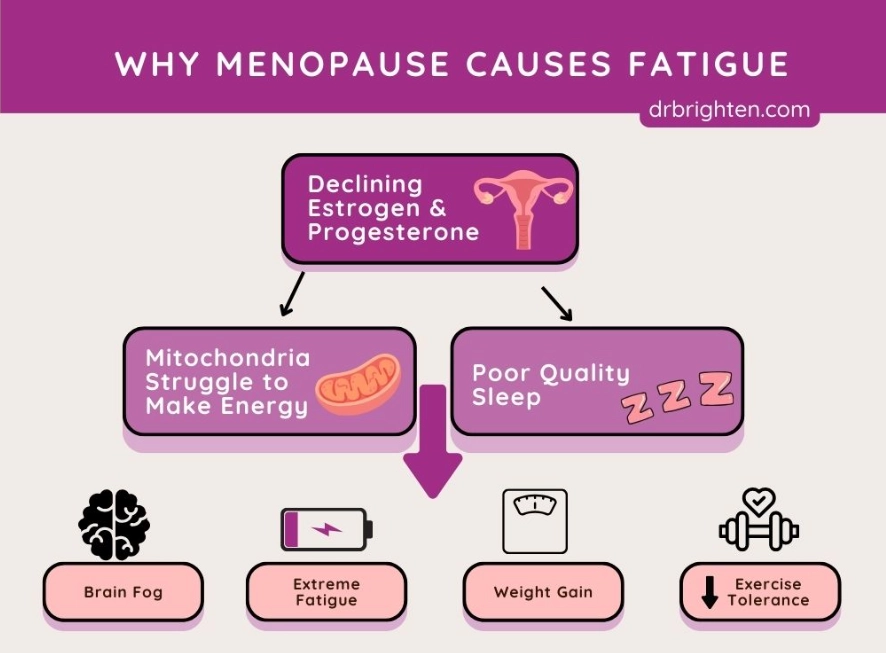
Actionable Strategies to Shorten Fatigue's Duration
You can't control the timeline, but you can absolutely influence it. These aren't generic "get more sleep" tips. These are targeted interventions for menopausal energy systems.
1. Sleep Optimization: Non-Negotiable Repair Time
Goal: Maximize sleep quality, not just quantity.
Temperature Control is King: A cool bedroom (65-68°F), moisture-wicking pajamas and bedding, a bedside fan. Consider a mattress cooling pad if night sweats are severe.
Pre-Sleep Wind-Down Ritual: No screens 60 minutes before bed. Try reading or gentle stretching. A supplement like magnesium glycinate or a very low dose (0.5-1 mg) of melatonin (supported by some NAMS guidance for sleep onset) can be helpful, but talk to your doctor first.
Daylight Anchor: Get 15-30 minutes of morning sunlight. This regulates your circadian rhythm more powerfully than anything else.
2. Strategic Nutrition: Fuel for a New Engine
Your pre-menopause diet might now work against you.
Balance Blood Sugar: Ditch the mid-afternoon sugary crash. Pair carbs with protein and fat (apple with almond butter). Spikes and crashes in blood sugar feel identical to anxiety and drain energy.
Prioritize Protein: Aim for 25-30 grams per meal to support muscle mass and steady energy. This is often far more than women are eating.
Consider Key Nutrients: Iron (check for deficiency), B vitamins, and Vitamin D. A study in the journal Menopause linked low Vitamin D to more severe menopausal symptoms.
3. Intelligent Movement: The Paradoxical Energy Booster
Yes, you're tired. But gentle movement signals your body to produce energy.
Forget "No Pain, No Gain": On high-fatigue days, a 15-minute walk is a victory. Consistency trumps intensity.
Strength Training is Essential: Twice a week. It preserves metabolism-supporting muscle, improves sleep quality, and builds resilience. Start with bodyweight or light weights.
Yoga or Tai Chi: These combine movement with stress reduction and breathwork, directly calming the nervous system stuck in "fight-or-flight."
4. Stress and Nervous System Regulation
Menopause is a physical stressor. Adding mental stress pushes the system into overload.
Diaphragmatic Breathing: 5 minutes, twice a day. Inhale for 4, exhale for 6. This is not fluff; it activates the parasympathetic (rest-and-digest) system.
Set Boundaries: "No" is a complete sentence. Protecting your energy isn't selfish; it's necessary for healing.
When to Consider Medical Help to Change the Timeline
If lifestyle shifts aren't making a dent after 3-6 months, it's time to dig deeper. A standard check-up often isn't enough.
Find a Menopause-Informed Practitioner: Use the North American Menopause Society's provider directory. They'll understand the nuances.
Discuss Hormone Therapy (HT): For eligible women, systemic estrogen (with or without progesterone) can be a game-changer. It directly addresses the root hormonal cause of fatigue and improves sleep architecture by reducing night sweats. It's not for everyone, but dismissing it without a conversation might prolong your suffering unnecessarily.
Rule Out Co-Conspirators: Insist on checking for sleep apnea (it's common and under-diagnosed in menopausal women), full thyroid panel (not just TSH), and vitamin/mineral deficiencies.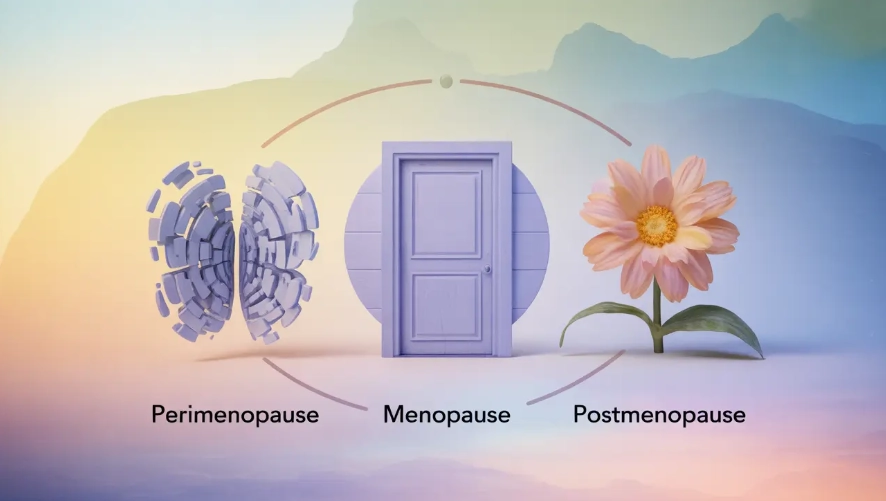
Your Menopause Fatigue Questions, Answered
 I'm exercising, but it seems to make my fatigue worse. What am I doing wrong?
The question of duration is ultimately personal. For some, with proactive and multifaceted management, significant improvement can be seen in 6-12 months. For others, especially if there are compounding health issues, it may be a longer journey of 2-5 years. The empowering truth is that you are not at the mercy of a biological clock. By understanding the why behind the weariness and implementing strategic, layered solutions—from cooling your bedroom to having an informed talk with your doctor—you take back control. You can shorten fatigue's stay and rebuild a sustainable, vibrant energy for the chapter ahead.
Reader Comments