Quick Navigation
You know the feeling. It's 2 AM, the world is quiet, but your brain is throwing a rave party. Or maybe you fall asleep easily enough, only to snap awake at 3:30 AM, heart pounding, with your to-do list scrolling behind your eyelids like a news ticker. You're tired, frustrated, and asking that same old question into the dark: why can't I sleep?
I've been there. More times than I care to admit. Staring at the ceiling, bargaining with myself, counting not just sheep but entire flocks. It’s miserable. And the worst part is the confusion. You’re doing everything "right"—you have a routine, you avoid caffeine—yet sleep remains elusive. The truth is, the causes of lack of sleep are rarely just one thing. It's almost always a tangled web of physical, mental, and lifestyle factors.
This isn't about quick fixes or miracle cures. I'm not selling you anything. This is about pulling back the curtain on what's really going on when you can't sleep. We'll dig into the obvious culprits and the sneaky ones you might be missing. Because understanding the 'why' is the first, most powerful step toward fixing it.
The Usual Suspects: Lifestyle and Environmental Causes of Sleeplessness
Let's start with the stuff you have some direct control over. These are the factors we often point to first, and for good reason. They're powerful.
Your Daily Habits Are Probably Working Against You
Think about your average day. When was your last coffee? For a lot of people, the afternoon pick-me-up is sacred. But here's the kicker: caffeine has a half-life of about 5-6 hours. That 3 PM latte? Half of it is still buzzing around your system at 9 PM. It might not stop you from falling asleep, but it can absolutely wreck the quality of your sleep, making it shallow and fragmented. You wake up feeling like you ran a marathon in your sleep.
Then there's alcohol. The great deceiver. It makes you drowsy, sure. But as your body metabolizes it, it acts as a stimulant. That's why you often wake up in the middle of the night after a few drinks. The sleep you get is garbage—non-restorative. I learned this the hard way after a period of thinking a glass of wine was my "sleep aid." All it did was guarantee a 4 AM anxiety wake-up call.
And screens. Oh, the screens. We've all heard the blue light lecture. But it's not just the light. It's the content. Scrolling through work emails, stressful news, or even an exciting social media thread tells your brain it's time to be engaged and alert, not to wind down. Your brain doesn't know the difference between a work crisis and a captivating Netflix plot. It just knows it needs to be "on."
Your Sleep Sanctuary… or Is It a Battlefield?
Your bedroom environment matters more than you think. Is it a dedicated space for sleep and intimacy, or is it also your office, your gym, and your entertainment center?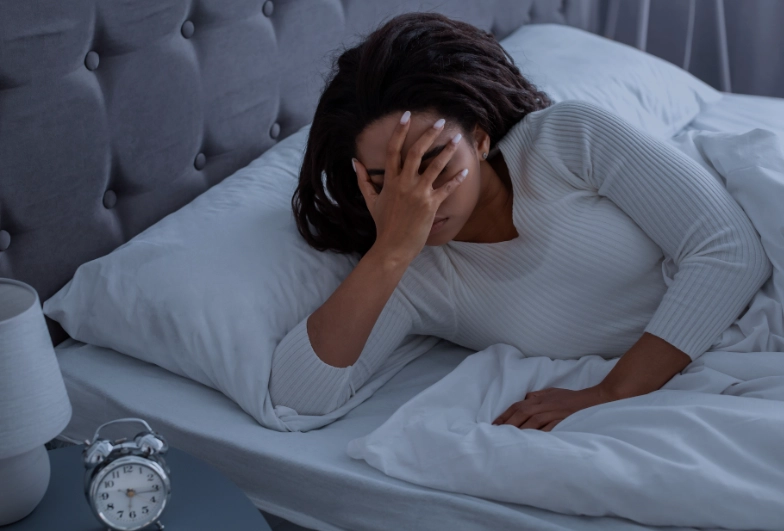
Light is a big one. Even tiny amounts of light from a charger LED or streetlamp can interfere with your melatonin production. Noise is another silent killer. I lived on a busy street for years and didn't realize how much the constant low rumble of traffic was disturbing my sleep cycles until I used a white noise machine to drown it out. The difference was shocking.
And temperature. Most people sleep best in a cool room, around 65°F (18°C). A hot, stuffy room can prevent your core body temperature from dropping, which is a key signal for sleep onset.
These environmental causes of lack of sleep are so common because they're easy to overlook. We get used to them.
When Your Body Has Other Plans: Physical and Medical Causes
This is where things get more complicated. Sometimes, the reason you can't sleep is wired directly into your body's hardware or software.
Pain and Discomfort That Won't Shut Up
Chronic pain conditions like arthritis, back pain, or fibromyalgia are infamous sleep thieves. It's simple logic—it's hard to drift off when your body is sending persistent "ouch" signals. But even minor discomfort from acid reflux (GERD), allergies that cause congestion, or restless legs syndrome can be enough to keep you in a frustrating twilight zone between awake and asleep.
Restless Legs Syndrome (RLS) is a particularly cruel one. It creates this irresistible, creepy-crawly urge to move your legs, which is always worst when you're trying to be still and rest. It's maddening.
The Hormonal Rollercoaster
Hormones run the sleep show. When they're out of balance, sleep often pays the price.
- Thyroid Issues: An overactive thyroid (hyperthyroidism) can rev up your entire system, making you feel anxious, wired, and utterly unable to sleep.
- Menopause & Perimenopause: The drop in estrogen and progesterone can lead to hot flashes, night sweats, and increased anxiety—a perfect storm for sleep disruption. Waking up drenched in sweat is not exactly conducive to a good night's rest.
- Blood Sugar Swings: If your blood sugar crashes in the middle of the night, your body will release cortisol (a stress hormone) to raise it, which can jolt you awake. This is a common issue for people with prediabetes or poor dietary habits.
Sleep Disorders: The Specialists in Disruption
Sometimes, the cause of lack of sleep is a diagnosable sleep disorder. These aren't just bad habits; they're medical conditions.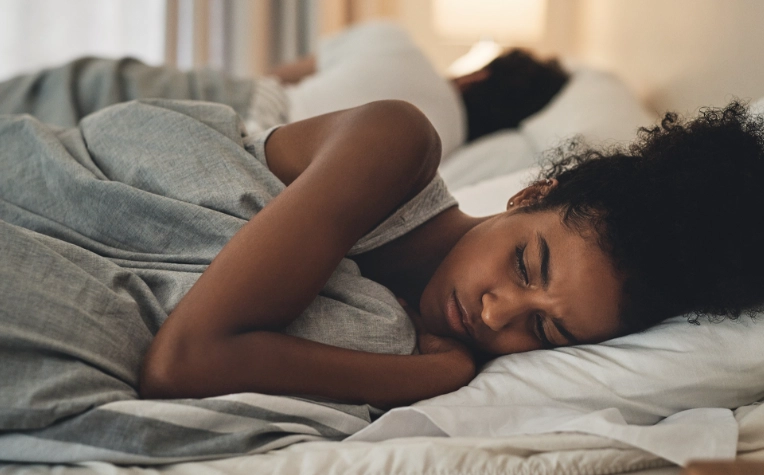
Common Sleep Disorders That Steal Your Rest
| Disorder | What It Is | How It Disrupts Sleep |
|---|---|---|
| Obstructive Sleep Apnea (OSA) | Throat muscles relax and block the airway during sleep. | Causes repeated breathing pauses (apneas), leading to micro-awakenings you don't remember. Results in severe daytime fatigue. |
| Insomnia Disorder | Persistent difficulty falling or staying asleep, despite the opportunity. | Creates a cycle of anxiety about sleep itself. The bed becomes a place of frustration, not rest. |
| Circadian Rhythm Disorders | Your internal body clock is out of sync with the day/night cycle. | You feel wide awake when you should be sleepy (e.g., Delayed Sleep Phase) or unbearably tired in the afternoon/evening (Advanced Sleep Phase). |
| Periodic Limb Movement Disorder (PLMD) | Involuntary leg (or arm) jerks or twitches during sleep. | Disrupts sleep architecture, preventing deep, restorative sleep stages. Often noticed by a partner. |
If you snore loudly, gasp for air at night, have been told you stop breathing, or suffer from extreme daytime sleepiness no matter how long you're in bed, it's crucial to talk to a doctor. Sleep apnea, for instance, is a serious health risk linked to heart disease and stroke, not just an annoyance. Resources like the National Heart, Lung, and Blood Institute provide reliable, science-backed information on this condition.
The Mind Maze: Psychological and Emotional Causes
This, for many of us, is the core of the problem. Our modern lives are stress factories, and our brains haven't evolved to handle the constant pressure.
Stress and Anxiety: The Brain That Won't Power Down
Stress activates your sympathetic nervous system—the "fight or flight" system. Your heart rate increases, your muscles tense, and your mind starts racing through threats and scenarios. This is the polar opposite of the relaxed state needed for sleep.
Anxiety takes this a step further. It's often future-oriented worry. "What if I mess up that presentation?" "What if I can't pay that bill?" Your brain, in its misguided attempt to protect you, tries to solve these problems at 3 AM when you have zero resources to actually do anything about them. It's utterly unproductive and exhausting. The American Psychological Association notes that sleep problems are a core feature of most anxiety disorders.
Sound familiar?
Depression and the Sleep Connection
The link between depression and sleep is a vicious, two-way street. Depression can cause insomnia (trouble falling/staying asleep), but it can also cause hypersomnia (sleeping too much). Often with depression, sleep architecture is disturbed. You might fall asleep but miss out on the deep, restorative slow-wave sleep. You wake up feeling unrefreshed, which feeds the fatigue and low mood of depression, creating a brutal cycle.
It's a chicken-or-egg scenario that often needs professional help to untangle.
Rumination and Overthinking
This is the act of chewing on the same negative thought, past mistake, or future worry over and over. It's like a hamster wheel for your mind. The quiet of night provides the perfect vacuum for these thoughts to rush in and take over. You're not problem-solving; you're just mentally rehearsing distress.
"The irony of insomnia is that the harder you try to sleep, the more anxious you become about not sleeping, and the less likely you are to succeed." This isn't just a saying; it's a clinical reality. The effort itself becomes the problem.
The Sneaky, Less-Obvious Contributors
Beyond the big categories, there are subtler players in the game of sleep disruption.
Medications and Substances
Check the side effects of your medications. Common culprits include:
- Decongestants (like pseudoephedrine)
- Some antidepressants (especially SSRIs/SNRIs initially)
- Beta-blockers for high blood pressure
- Corticosteroids (like prednisone)
- Some asthma medications
Even some over-the-counter pain relievers containing caffeine can do it. Never stop a prescribed medication without consulting your doctor, but do have a conversation about sleep if it's become a problem since starting a new drug.
Diet and Meal Timing
Going to bed too hungry can be distracting, but going to bed too full is a recipe for discomfort and reflux. Heavy, rich, or spicy meals close to bedtime force your digestive system to work overtime when it should be powering down.
And let's talk about hydration. Drinking a huge glass of water right before bed is a guaranteed ticket to a 3 AM bathroom trip. The goal is to stay hydrated throughout the day and taper off in the evening.
A Sedentary Life vs. Late-Night Workouts
Regular physical activity is one of the best promoters of good sleep—it helps regulate mood, tire the body, and stabilize circadian rhythms. However, there's a catch. Intense exercise too close to bedtime (within 2-3 hours) can be overstimulating for some people, raising core body temperature and adrenaline levels.
On the flip side, being completely sedentary means your body never gets the physical signal that it needs deep recovery through sleep.
So, What Can You Actually Do About It?
Understanding the causes of lack of sleep is pointless if it doesn't lead to action. The goal isn't perfection, but gradual improvement.
Start with the Foundation: Sleep Hygiene (But Do It Right)
Sleep hygiene gets a bad rap because it sounds basic. But when done consistently, it's powerful. Think of it as setting the stage for sleep to happen naturally.
- Consistency is King: Go to bed and wake up at roughly the same time every day, even on weekends. This trains your circadian rhythm.
- Wind-Down Ritual: Create a 60-minute buffer zone before bed. No work, no stressful conversations, no exciting/scary media. Read a book, listen to calm music, do gentle stretches, take a warm bath.
- Bed is for Sleep (and Sex): Break the association of bed with wakefulness. If you're awake and frustrated for more than 20 minutes, get up. Go to another room and do something quiet and boring (read a physical book, no screens) until you feel sleepy. Then return to bed. This is called "stimulus control" and it's a core technique in Cognitive Behavioral Therapy for Insomnia (CBT-I), which is considered the gold standard non-drug treatment.
- Optimize Your Environment: Make it dark (blackout curtains), cool (65-68°F), and quiet (earplugs or white noise).
Tackle the Mental Game
For stress and anxiety, you need daytime practices to prevent the nighttime flood.
- Schedule Worry Time: Literally. Set aside 15 minutes in the late afternoon to write down all your worries and potential solutions. When those thoughts pop up at night, you can tell yourself, "I've already addressed that during my worry time. It's on the list for tomorrow."
- Practice Mindfulness or Meditation: This isn't about emptying your mind. It's about learning to observe your thoughts without getting tangled in them. Apps or simple guided sessions can help train this muscle. Research from places like Harvard Medical School supports its benefits for sleep.
- Journaling: A brain dump onto paper can get circling thoughts out of your head.
When to Seek Professional Help
Don't suffer in silence if:
- Your sleep problems have persisted for over a month and are affecting your daytime function (mood, concentration, energy).
- You suspect a sleep disorder like sleep apnea (loud snoring, gasping, daytime exhaustion) or restless legs syndrome.
- Your insomnia is linked to significant anxiety or depression.
- You find yourself relying on sleep aids or alcohol to get to sleep.
Start with your primary care doctor. They can rule out medical issues and may refer you to a sleep specialist or a therapist trained in CBT-I. A sleep study (polysomnography) might be recommended to diagnose disorders like apnea.
Look, fixing sleep is a journey, not a destination.
You'll have good nights and bad nights. The goal is to understand the landscape of potential causes of lack of sleep so you can be a detective in your own life. Maybe it's the late coffee, maybe it's the hidden anxiety about a work project, maybe it's a medication side effect you never considered.
Be patient with yourself. Start with one or two small changes—maybe enforcing a digital curfew or fixing your bedroom temperature. See what happens. The path to better sleep is about untangling your unique web of causes, one thread at a time.
Reader Comments