In This Guide
- What Exactly Qualifies as a Sleep Disorder?
- The Big One: Insomnia
- The Silent Disruptor: Sleep Apnea
- The Urge to Move: Restless Legs Syndrome (RLS)
- When Your Internal Clock is Broken: Circadian Rhythm Disorders
- The Strange and Spectacular: Parasomnias
- The Overpowering Sleep Attacks: Narcolepsy
- A Side-by-Side Look at the Most Common Sleep Disorders
- So, What Can You Actually Do About It?
Let's be honest, we've all had those nights. You're staring at the ceiling at 3 AM, your mind racing about a work email you forgot to send or that awkward thing you said in 2012. For most of us, it's a temporary blip. But for a huge chunk of the population, it's a nightly war. We're talking about sleep disorders, and they're way more common and complicated than just "can't fall asleep."
I remember a period in my life where I'd wake up every single night, wide awake, heart pounding, for no reason at all. It felt utterly bizarre and frustrating. Turns out, I was brushing up against something a lot of people deal with. That's what pushed me to dig deeper into this world of disrupted sleep. It's not just about feeling tired; it's about how these conditions silently mess with your health, mood, and entire life.
So, what are we actually dealing with? The term "most common sleep disorders" covers a surprisingly wide range of issues. Some stop you from falling asleep, some break your sleep into pieces, some make you do strange things while you're asleep, and some mess with the very timing of when your body wants to sleep. The impact is real. We're looking at increased risks for heart problems, diabetes, depression, and just a general feeling of being stuck in a fog.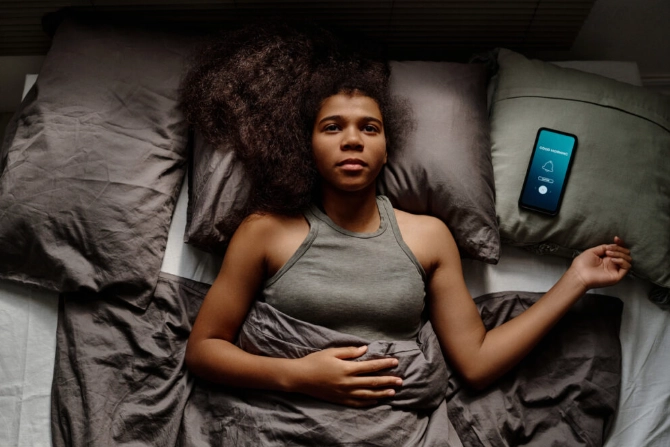
This isn't meant to scare you. It's the opposite. Understanding what these disorders are is the first, biggest step toward fixing them. Ignoring it and just chugging more coffee is a dead-end road, trust me.
What Exactly Qualifies as a Sleep Disorder?
Before we dive into the list, let's clear something up. A bad night here and there because of stress or jet lag isn't a disorder. A sleep disorder is a persistent, recurring problem with how you sleep. It's a pattern that messes with the quality, timing, or duration of your sleep, and it ends up hurting your daytime functioning. You feel it at work, in your relationships, in your motivation.
Diagnosing these things properly often involves specialists and sometimes a sleep study (polysomnography), where they hook you up to monitors overnight to see what your brain and body are doing. But you can spot the signs yourself first.
Now, let's get into the specifics. I've found it helpful to break them down by what they primarily affect. Some are about the inability to sleep, some are about breathing, some are about movement, and some are just plain bizarre.
The Big One: Insomnia
This is the poster child of sleep problems, and for good reason. When people say "I have a sleep disorder," insomnia is often what they mean. But it's more nuanced than just lying awake.
What Insomnia Really Feels Like
There are two main types: sleep-onset insomnia (can't fall asleep) and sleep-maintenance insomnia (can't stay asleep). The maintenance type is the one that really wears people down. You fall asleep okay, but then you're jolted awake at 2 AM, 3 AM, 4 AM... and the cycle starts. Your brain switches on like a computer booting up, and sleep feels miles away.
The causes are a tangled web. It can be primary (its own standalone issue) or secondary (a symptom of something else like anxiety, depression, chronic pain, or medication). Stress is a massive trigger. Your body stays in a low-level "fight or flight" mode, which is the exact opposite of the relaxed state needed for sleep.
And here's the frustrating cycle: you can't sleep, so you get anxious about not sleeping. The anxiety makes it harder to sleep the next night. It becomes a self-fulfilling prophecy. You start dreading bedtime.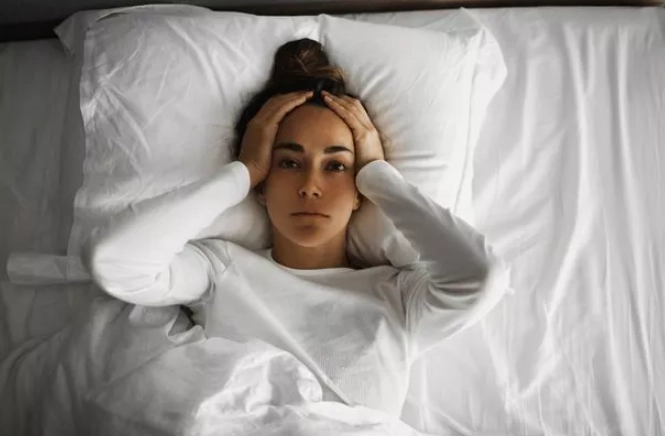
Dealing with Insomnia
The old advice of "just relax" is useless. What does help is structured behavioral change. Cognitive Behavioral Therapy for Insomnia (CBT-I) is considered the gold standard treatment, even over sleeping pills. It involves things like:
- Stimulus Control: Re-teaching your brain that bed is only for sleep (and sex). No phones, no TV, no worrying in bed.
- Sleep Restriction: This sounds counterintuitive, but it involves temporarily limiting your time in bed to match how much you're actually sleeping. It builds sleep pressure and helps consolidate sleep.
- Managing the racing thoughts through techniques like writing a "worry list" before bed.
The American Academy of Sleep Medicine has great resources outlining the effectiveness of CBT-I. It's work, but it tackles the root of the problem rather than just masking it with medication.
The Silent Disruptor: Sleep Apnea
This is one of the most common sleep disorders, but also one of the most under-diagnosed. Why? Because it happens while you're unconscious. You might not even know you have it unless a partner tells you about your thunderous snoring followed by terrifying silences where you stop breathing.
In obstructive sleep apnea (the most common type), the muscles in the back of your throat relax too much during sleep, collapsing and blocking your airway. Your brain then panics due to lack of oxygen, briefly wakes you up (so briefly you don't remember) to gasp for air, and then the cycle repeats. This can happen hundreds of times a night.
Signs You Might Have Sleep Apnea
Loud, chronic snoring is the biggest red flag. But other signs include:
- Waking up gasping or choking.
- Morning headaches.
- Extreme daytime sleepiness (falling asleep at your desk, in meetings, or even at red lights).
- Waking up with a dry mouth or sore throat.
- Irritability and mood changes.
If this sounds familiar, please talk to a doctor. The diagnosis usually involves a sleep study. The good news? Treatment is very effective. The most common is a CPAP (Continuous Positive Airway Pressure) machine, which uses a gentle stream of air to keep your airway open. It takes getting used to, but people who stick with it often report life-changing improvements in energy and health. The National Heart, Lung, and Blood Institute provides clear, reliable information on the risks and treatments for sleep apnea.
The Urge to Move: Restless Legs Syndrome (RLS)
This one is weird and deeply uncomfortable. It's not just "my legs are fidgety." It's a compelling, often irresistible urge to move your legs, usually accompanied by creepy-crawly, tingling, itching, or aching sensations deep within the limbs. The cruel twist? It primarily happens when you're at rest, especially in the evening when you're trying to wind down for bed.
You have to get up, walk around, or shake your legs to make the feeling temporarily go away. It completely sabotages your ability to fall asleep. The cause isn't fully understood but is often linked to low iron levels or issues with dopamine in the brain. It can also run in families.
Managing RLS might involve iron supplements (if tests show a deficiency), lifestyle changes like regular moderate exercise and avoiding caffeine/alcohol late in the day, and sometimes specific medications.
When Your Internal Clock is Broken: Circadian Rhythm Disorders
This category is all about timing. Your body has a natural 24-hour clock (your circadian rhythm) that tells it when to be awake (day) and when to sleep (night). Light is the main cue that sets this clock. When this rhythm is out of sync with the world, you have a problem.
The two most common types are:
- Delayed Sleep-Wake Phase Disorder: Think of the classic "night owl." But we're not talking about preferring to stay up late. This is a hardwired delay where your body's natural sleep signal doesn't come until 2 AM, 3 AM, or even later. Forcing yourself to bed at 11 PM is like trying to fall asleep in the middle of the afternoon. It's brutal for school or 9-5 jobs.
- Advanced Sleep-Wake Phase Disorder: The opposite. You get overwhelmingly sleepy at 7 or 8 PM and wake up naturally at 3 or 4 AM. This is more common in older adults but can affect anyone.
Shift work disorder also falls here, where constantly changing work schedules prevent your body clock from ever settling into a pattern.
Treatment often involves very strict light therapy (using bright light boxes at specific times) and melatonin supplements taken at carefully calculated times to gently nudge the internal clock back into alignment.
The Strange and Spectacular: Parasomnias
These are the most common sleep disorders that involve unusual behaviors, movements, emotions, or dreams. They happen during specific sleep stages.
- Sleepwalking (Somnambulism) & Sleep Talking: Happens during deep non-REM sleep. The person is asleep but can perform complex actions. It's more common in kids.
- Night Terrors: Often confused with nightmares, but they're different. Night terrors occur in deep sleep. A person might sit up, scream, sweat, and look terrified, but they're not awake and won't remember it. Nightmares, on the other hand, are vivid bad dreams that happen during REM sleep, and you usually remember them.
- REM Sleep Behavior Disorder (RBD): This is a fascinating and potentially dangerous one. Normally during REM sleep (the dream stage), your body is paralyzed (muscle atonia) so you don't act out your dreams. In RBD, that paralysis fails. People physically act out their dreams—punching, kicking, jumping out of bed. This can lead to injuries for them or their bed partner. It's also notable because it can be an early sign of certain neurological conditions like Parkinson's disease.
The Overpowering Sleep Attacks: Narcolepsy
Narcolepsy is less common but severely disabling. It's a neurological disorder where the brain loses its ability to regulate sleep-wake cycles normally. The hallmark symptom is excessive daytime sleepiness (EDS), but it's far more than just being tired. It's an overwhelming, irresistible urge to sleep that can hit at any time—during a conversation, a meal, or while driving.
Other key symptoms include:
- Cataplexy: A sudden, brief loss of muscle tone triggered by strong emotions like laughter, surprise, or anger. It can range from slurred speech and drooping eyelids to complete knee buckling and collapse.
- Sleep Paralysis: A temporary inability to move or speak while falling asleep or waking up. It can be terrifying.
- Hypnagogic/Hypnopompic Hallucinations: Vivid, dream-like hallucinations that occur at the edge of sleep.
Narcolepsy is a lifelong condition managed with stimulant medications for EDS and other drugs for symptoms like cataplexy, alongside scheduled naps.
A Side-by-Side Look at the Most Common Sleep Disorders
It helps to see them compared. This table breaks down the core features of the most common sleep disorders we've covered.
| Disorder | Core Problem | Key Symptoms | Primary Impact |
|---|---|---|---|
| Insomnia | Inability to fall or stay asleep | Lying awake for hours, frequent nighttime awakenings, early morning waking | Fatigue, poor concentration, irritability |
| Obstructive Sleep Apnea | Breathing repeatedly stops/starts | Loud snoring, gasping/choking at night, daytime sleepiness | Cardiovascular strain, severe fatigue, morning headaches |
| Restless Legs Syndrome (RLS) | Uncomfortable leg sensations & urge to move | Creepy-crawly/aching feelings in legs at rest, relief with movement | Severe difficulty falling asleep |
| Circadian Rhythm Disorder | Internal body clock misaligned with day/night | Can't sleep at desired time, can't wake when needed | Social/job impairment, insomnia-like symptoms |
| Narcolepsy | Brain's inability to regulate sleep-wake cycles | Overpowering sleep attacks, cataplexy, sleep paralysis | Dangerous sleepiness, social/occupational disability |
| REM Sleep Behavior Disorder | Lack of muscle paralysis during REM sleep | Physically acting out vivid dreams | Risk of injury to self/bed partner |
Looking at them this way, you can see they attack sleep from completely different angles. That's why a one-size-fits-all solution like a generic "sleep aid" almost never works in the long run.
So, What Can You Actually Do About It?
Feeling overwhelmed? Don't be. The path forward starts with clarity. You can't fix what you haven't named.
Step 1: Become a Sleep Detective. Keep a detailed sleep diary for two weeks. Log bedtime, wake time, estimated sleep time, nighttime awakenings, how you felt in the morning, caffeine/alcohol intake, and any symptoms (snoring, leg kicks, etc.). This is gold for you and any doctor you might see.
Step 2: Master Sleep Hygiene (The Basics). This is non-negotiable foundation work for everyone, disorder or not. It's about creating the ideal environment and habits for sleep.
- Consistency is king. Go to bed and wake up at the same time every day, even weekends.
- Make your bedroom a cave: cool, dark, and quiet. Blackout curtains are a great investment.
- Ban screens (phones, TVs, laptops) at least an hour before bed. The blue light is a major signal to your brain that it's daytime.
- Wind down with a relaxing routine: read a (physical) book, take a warm bath, listen to calm music.
- Watch your intake: limit caffeine after noon, avoid heavy meals and alcohol close to bedtime (alcohol might make you drowsy but it ruins sleep quality later in the night).
Step 3: Know When to Get Professional Help. If your sleep diary shows a persistent pattern of poor sleep and daytime impairment, and good sleep hygiene isn't making a dent after a few weeks, it's time to see a doctor. Start with your primary care physician. They can check for underlying issues (like low iron for RLS, or thyroid problems) and refer you to a sleep specialist if needed.
Questions People Always Ask About Sleep Disorders
The world of sleep is complex, but you don't have to navigate it in the dark.
Understanding the landscape of the most common sleep disorders is the power move. It takes the mystery and shame out of it. You're not lazy, weak, or broken because you can't sleep. You're likely dealing with a identifiable, and often treatable, condition.
Start observing your own sleep. Pay attention to your body. Don't ignore the signs, especially the ones a bed partner tells you about. Investing in your sleep isn't a luxury; it's the bedrock of your physical health, mental clarity, and emotional resilience. Tackling one of these common sleep disorders might be one of the most impactful things you ever do for yourself.
Reader Comments