Quick Navigation
- What Exactly Are We Talking About? Defining Sleep Deprivation
- The Immediate Fallout: How Sleep Deprivation Sabotages Your Today
- The Slow Burn: Long-Term Health Risks of Chronic Sleep Loss
- Who's Most at Risk? It's Not a Level Playing Field
- Okay, I'm Convinced It's Dangerous. What Can I Actually Do About It?
- Straight Talk: Busting Common Sleep Myths
- When Is It More Than Just Bad Habits? Recognizing a Sleep Disorder
- The Bottom Line
You know that feeling. The alarm screams at 6 AM after you finally fell asleep at 2. Your head is heavy, your eyes are gritty, and your brain feels like it's wrapped in thick fog. You drag yourself through the day powered by caffeine and sheer willpower, promising yourself you'll catch up tonight. But then the cycle repeats. We've all been there, treating sleep like a negotiable luxury rather than a non-negotiable biological need. But here's the uncomfortable question we rarely stop to ask seriously: is sleep deprivation dangerous, really dangerous, in a way that should scare us straight to bed?
Most of us think the worst outcome is being groggy or maybe a bit grumpy. I used to think that too, wearing my ability to function on four hours of sleep like a badge of honor. That was until a few years ago when a prolonged period of work stress led to months of terrible sleep. The brain fog became constant, my temper was shorter than a fuse, and I caught every cold that went around the office. It felt like my body was slowly falling apart. That personal crash course forced me to dig into the research, and what I found wasn't just concerning—it was genuinely alarming.
Let's cut to the chase: viewing sleep deprivation as merely being "tired" is like calling a hurricane "a bit of wind." The scientific consensus is clear and unwavering. Chronic sleep loss is a stealthy, systemic assault on nearly every function in your body. It's not an exaggeration to say that consistently shortchanging your sleep is one of the most dangerous things you can do for your long-term health.
So, if you've ever wondered is sleep deprivation dangerous for more than just your productivity, stick around. We're going to move past the surface-level yawns and dive into what's happening inside your brain, your heart, and your cells when you don't sleep. This isn't about inducing panic; it's about providing the clarity and motivation to make a change. Because once you understand the stakes, hitting the sack on time starts to look less like a chore and more like the best health insurance policy you've got.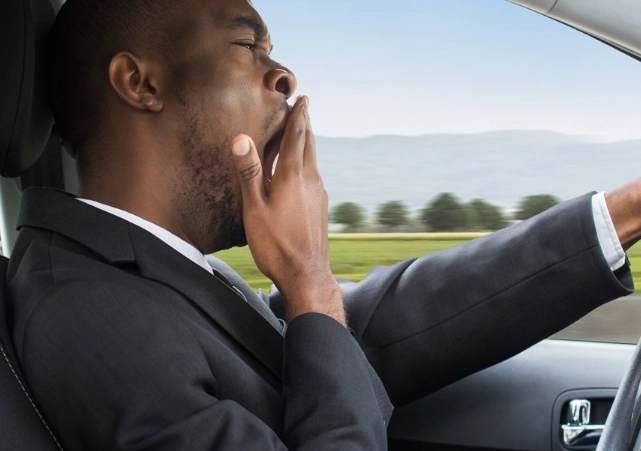
What Exactly Are We Talking About? Defining Sleep Deprivation
First, let's get our terms straight. Sleep deprivation isn't just the occasional late night. It's a broader condition that comes in a couple of flavors.
Acute Sleep Deprivation: This is pulling an all-nighter or getting severely reduced sleep for one or two nights. Your body notices immediately, and the effects are intense but often (not always) reversible with recovery sleep.
Chronic Sleep Deprivation (or Sleep Restriction): This is the real stealth killer. It's getting less sleep than you need, night after night, for weeks, months, or even years. Maybe you're consistently clocking only 6 hours when your body needs 7.5. The scary part? You adapt to the feeling. The grogginess becomes your new normal, masking the deeper damage accumulating underneath. This is the state millions of adults live in, and it's the primary focus when we ask, is sleep deprivation dangerous in the long run?
It's also different from insomnia. Insomnia is the inability to fall or stay asleep despite having the opportunity. Sleep deprivation often stems from not allowing yourself the opportunity—due to work, screens, stress, or just poor habits.
The Immediate Fallout: How Sleep Deprivation Sabotages Your Today
Before we get to the scary long-term stuff, let's look at what happens in the short term. This is where the danger of sleep deprivation starts to become visible, and it affects everything from your safety to your social life.
Your Brain on No Sleep: It's Not Pretty
Sleep is when your brain cleans house. The glymphatic system (think of it as the brain's plumbing) kicks into high gear, flushing out metabolic waste that builds up during the day, including proteins linked to Alzheimer's disease. Skimp on sleep, and that trash doesn't get taken out.
More immediately, your cognitive functions take a nosedive. We're talking about:
- Impaired Attention & Vigilance: Your ability to focus on a task plummets. Studies show performance drops mirror those seen with a blood alcohol concentration of 0.05%—legally impaired in many countries. That's why is sleep deprivation dangerous behind the wheel? Absolutely. The CDC bluntly compares drowsy driving to drunk driving in terms of impairment.
- Messed-Up Memory: Sleep is crucial for memory consolidation—the process of moving short-term memories to long-term storage. Without it, you might forget where you put your keys, a client's name, or crucial steps in a procedure.
- Poor Decision-Making & Risk Assessment: The prefrontal cortex, your brain's CEO for rational thought, gets sluggish. You become more impulsive, more likely to take stupid risks, and less able to foresee consequences. Ever made a terrible online purchase or sent a rash email at 2 AM? There's a reason.
- Emotional Volatility: The amygdala, your emotional center, goes into overdrive when you're tired. You're more reactive, quicker to anger, and more susceptible to stress and anxiety. Small problems feel like crises.
That "brain fog" isn't just a feeling. It's a measurable shutdown of critical neural pathways.
Your Body's Instant Rebellion
It's not just your head. Your body throws a fit too.
Hormonal Chaos: Two key hormones get massively disrupted. Ghrelin (the "hunger hormone") spikes, while leptin (the "fullness hormone") drops. The result? You're ravenously hungry, especially for high-carb, sugary, fatty foods. This isn't a lack of willpower; it's a biological command. Cortisol, your stress hormone, also stays elevated, keeping you in a tense, catabolic state.
Compromised Immunity: This one always surprises people. During sleep, your immune system releases proteins called cytokines, some of which help fight infection and inflammation. Sleep deprivation reduces the production of these protective cytokines. You become a much easier target for viruses. One study found that people who slept less than 7 hours were nearly three times more likely to catch a cold than those who got 8 hours or more. Ever notice you get sick after a period of intense work and poor sleep? That's not a coincidence.
Physical Performance & Coordination: Reaction times slow. Hand-eye coordination suffers. Your motor skills look like you're learning them for the first time. For athletes, this means poorer performance and higher injury risk. For the rest of us, it means being clumsier, more accident-prone at home or work.
So, is sleep deprivation dangerous in the short term? If you consider increased risk of car accidents, workplace errors, emotional meltdowns, and getting sick dangerous, then the answer is a resounding yes.
The Slow Burn: Long-Term Health Risks of Chronic Sleep Loss
This is where the true gravity of the question is sleep deprivation dangerous reveals itself. The acute effects are bad, but the chronic, cumulative damage is what leads to life-altering diseases. It's like a slow drip of poison into your system.
Cardiovascular System Under Siege
Your heart and blood vessels really hate it when you don't sleep. Chronic sleep deprivation is linked to:
- High Blood Pressure: During normal sleep, your blood pressure dips (a phenomenon called "nocturnal dipping"). This gives your cardiovascular system a break. Without adequate sleep, your blood pressure stays higher for longer. Over time, this contributes to hypertension.
- Increased Heart Disease and Stroke Risk: The constant stress, inflammation, and blood pressure issues snowball. The American Heart Association now lists sleep duration as one of its essential eight components for heart health, alongside diet and exercise. Major studies have shown that short sleep duration is associated with a significantly higher risk of coronary heart disease and stroke.
Metabolic Mayhem and Weight Gain
Remember those hunger hormones? The long-term consequence is a direct path to weight gain and metabolic disorders. Sleep deprivation messes with your body's ability to process insulin, the hormone that helps cells use glucose for energy. When cells become insulin resistant, blood sugar levels rise, increasing the risk of Type 2 diabetes.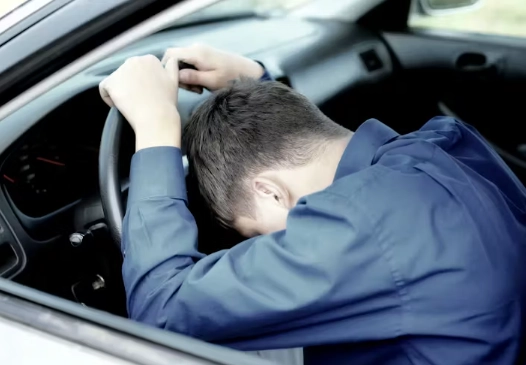
Think of it this way: your tired body, craving quick energy, pushes you to eat junk food. Then, it becomes less efficient at processing the sugars from that food. It's a perfect storm for obesity and diabetes. Research from the National Institute of Diabetes and Digestive and Kidney Diseases (NIDDK) highlights the strong links between poor sleep and metabolic health problems.
The Neurological Toll: Dementia and Mental Health
This is perhaps the most frightening frontier of sleep research. We mentioned the brain's cleaning process. One of the main waste products cleared during deep sleep is beta-amyloid, a sticky protein that forms the plaques characteristic of Alzheimer's disease. Think of sleep as the nightly power wash for your brain. Without it, beta-amyloid builds up. While correlation isn't always causation, the evidence is growing that chronic poor sleep in midlife is a significant risk factor for developing dementia later on.
And then there's mental health. The link between sleep deprivation and conditions like depression and anxiety isn't just one-way (where depression causes insomnia). It's a vicious, bidirectional cycle. Poor sleep worsens mood disorders, and mood disorders make it harder to sleep. It can be the spark that ignites a first episode or the fuel that keeps an existing condition burning.
When you stack these long-term risks up, the question shifts from "is sleep deprivation dangerous?" to "How dangerous is sleep deprivation?" And the answer seems to be: as dangerous as many of the lifestyle factors we spend more time worrying about.
Who's Most at Risk? It's Not a Level Playing Field
The dangers of sleep deprivation aren't distributed equally. Some groups face a perfect storm of biological needs and societal pressures that make them particularly vulnerable.
| Group | Why They're Vulnerable | Specific Dangers & Notes |
|---|---|---|
| Teenagers | Biological clocks shift later, yet school starts early. They need 8-10 hours but often get 6-7. | Impairs learning, memory consolidation for school, linked to increased risk of depression and risky behaviors. The early school start time is, in my opinion, a public health failure. |
| Shift Workers | Forced to work against the body's natural circadian rhythm (night shifts, rotating shifts). | Among the highest risk groups. Strongly associated with higher rates of cardiovascular disease, metabolic disorders, and certain cancers. Their schedules are literally fighting their biology. |
| New Parents | Fragmented, severely reduced sleep for months due to infant care. | Extreme fatigue impacts caregiving safety, parental mental health (postpartum depression/anxiety), and relationship strain. It's a temporary but intense period of high risk. |
| People with Underlying Health Conditions | Conditions like sleep apnea, chronic pain, or anxiety directly disrupt sleep. | Creates a destructive loop: the condition worsens sleep, and poor sleep exacerbates the condition. Treating the sleep issue is often a critical part of managing the primary illness. |
If you fall into one of these categories, understanding that sleep deprivation is dangerous is even more critical. The stakes are higher, and the need for proactive strategies is non-negotiable.
Okay, I'm Convinced It's Dangerous. What Can I Actually Do About It?
Knowing the problem is only half the battle. The other half is fixing it without making it feel like a punishing chore. Forget perfect 8-hour nights immediately. Think gradual improvement and sustainable habits.
Start Here – The Non-Negotiables: These aren't glamorous, but they're the foundation. 1) Consistency is King: Go to bed and wake up at roughly the same time every day, even on weekends. This regulates your internal clock more than anything else. 2) Build a Buffer Zone: The last 60 minutes before bed should be screen-free. No phones, no laptops, no TV. The blue light suppresses melatonin, the hormone that makes you sleepy. Read a (physical) book, listen to calm music, do some light stretching. 3) Optimize Your Cave: Your bedroom should be cool, dark, and quiet. Consider blackout curtains and a white noise machine if needed. Your bed is for sleep (and sex) only—not for work, scrolling, or worrying.
Tackle the Diet & Exercise Levers: Regular physical activity dramatically improves sleep quality, but avoid intense workouts too close to bedtime. Watch your caffeine and alcohol. Caffeine has a long half-life—that 3 PM coffee can still be affecting you at 11 PM. And while alcohol might make you pass out, it ruins your sleep architecture, fragmenting the second half of your night and destroying deep sleep.
Manage the Mental Load: A racing mind is the enemy of sleep. Try a "brain dump" before bed: write down everything you're worried about or need to do tomorrow on a notepad. It gets it out of your head and onto paper, where it can wait until morning. Simple mindfulness or deep breathing exercises can also signal to your nervous system that it's time to shift into rest mode.
Straight Talk: Busting Common Sleep Myths
Bad advice about sleep is everywhere. Let's clear some of it up.
Myth: "I can catch up on sleep on the weekend." This is called "social jet lag" and it's rough on your body. While you can recover some sleep debt, you can't fully reverse the metabolic and cognitive toll of a week of short sleep with two long nights. It's like eating junk food all week and expecting a salad on Saturday to fix everything. Consistency is far more powerful.
Myth: "I only need 5-6 hours of sleep. I'm just built that way." The number of people with a genuine short-sleep genetic mutation is vanishingly small—likely less than 1% of the population. The vast majority of people who think they're fine on less are simply adapted to a state of impaired functioning. They've forgotten what feeling truly rested is like.
Myth: "Watching TV in bed helps me relax and fall asleep." Nope. The content is often stimulating (news, dramas), and the light from the screen is telling your brain it's still daytime. It's one of the most common and destructive habits.
Myth: "If I can't fall asleep, I should just lie in bed and try harder." This creates an association between your bed and frustration. The standard sleep hygiene advice is: if you're not asleep after 20 minutes, get out of bed. Go to another room and do something quiet and boring in dim light (like reading a dull book) until you feel sleepy, then return to bed.
When Is It More Than Just Bad Habits? Recognizing a Sleep Disorder
Sometimes, the problem isn't your habits—it's a medical condition. If you're giving yourself a true opportunity for 7-8 hours of sleep consistently but still wake up exhausted, or if your partner reports loud snoring and gasping pauses in your breathing, you might have a sleep disorder like sleep apnea. Other red flags include an irresistible urge to move your legs at night (Restless Legs Syndrome) or literally acting out your dreams.
In these cases, self-help isn't enough. You need to talk to a doctor, preferably one specializing in sleep medicine. Treating an underlying disorder like sleep apnea can be life-changing, reducing the associated dangers almost immediately.
The Bottom Line
So, let's return to our core question one last time: Is sleep deprivation dangerous?
The evidence from decades of research, from neurology to cardiology to immunology, shouts a unanimous and definitive yes. It's dangerous in the short term, compromising your safety, judgment, and health right now. It's profoundly dangerous in the long term, stacking the deck against you for some of the most serious chronic diseases we face.
But here's the hopeful part: unlike many health risks, this one is largely within our control. We can't always control our genetics or our environment, but we can prioritize and protect our sleep. It's a foundational pillar of health, as important as nutrition and exercise. Maybe more so, because without it, the benefits of the others are harder to realize.
Turn off the screens 30 minutes earlier. Go to bed 15 minutes sooner. Make your room a little darker. View it not as losing waking hours, but as investing in the quality of every single hour you are awake. Your brain, your heart, your mood, and your future self will thank you for it. The danger of sleep deprivation is real, but so is your power to prevent it.
Reader Comments