Quick Navigation
We've all been there. The alarm screams, you fumble to turn it off, and the first thought is a groan. You drag yourself through the morning routine, fueled by caffeine and sheer willpower, telling yourself you're just "not a morning person" or that work has been stressful. But what if your body is trying to send you a clearer, louder message? What if that persistent fatigue, that short fuse, that feeling of being in a mental fog aren't just parts of modern life, but are classic, undeniable signs of bad sleep?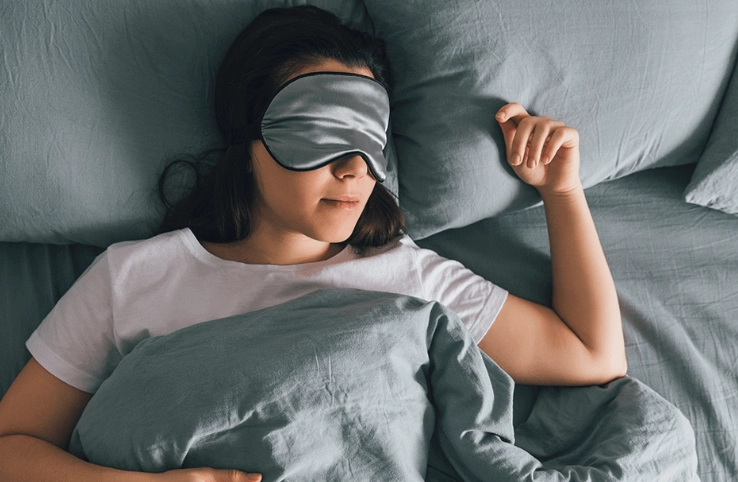
I used to wear my ability to function on five hours of sleep like a badge of honor. Until I didn't. My breaking point wasn't dramatic—it was a Tuesday. I poured orange juice into my cereal bowl instead of milk. It was the third minor, stupid mistake that week. That's when I realized I wasn't "functioning," I was just... present. My body was throwing up red flags I'd been expertly ignoring for years.
Sleep isn't just downtime. It's when your brain cleans house (literally flushing out toxins), your body repairs tissues, and your memories get filed away. Skimp on it, and every system starts to glitch. The tricky part is that these glitches often masquerade as other problems. You might blame your diet, your job, or even your personality for how you feel, completely missing the root cause.
So, let's cut through the noise. This isn't about telling you to get eight hours of sleep. It's not a lecture. It's a deep dive into the world of bad sleep and the signs your body is screaming at you. We're talking about the physical, mental, emotional, and yes, even the social signs that your sleep is lacking. And more importantly, what to do about it.
The Physical Signs of Bad Sleep: Your Body Is Talking, Are You Listening?
Your body has a way of telling you that sleep isn't happening like it should. The tricky thing is, we're so used to feeling a certain way that we don't even realize these are signs of bad sleep.
Think about it. How do you know your body is trying to tell you something? The physical signs of bad sleep are the most obvious ones, but we often mistake them for other things. Let's break them down.
Fatigue and Low Energy: Not Just Being Tired
Fatigue is the most obvious sign, right? But here's the thing: it's not just feeling tired. It's a deep, pervasive lack of energy that coffee can't even touch. You know that feeling when you wake up and within an hour or two, you're already fighting to keep your eyes open? That's not normal. That's a sign of bad sleep.
It's not just about being tired; it's about having no energy for anything beyond the bare minimum. You drag yourself through the day, and by the time you get home, you're exhausted. You can't even think about doing anything productive or enjoyable. You just want to collapse on the couch and watch TV until you fall asleep.
Headaches and Migraines
Ever wake up with a headache? That's a sign of bad sleep. Your body is trying to tell you that you didn't get enough rest. The headache is a sign that your brain is trying to compensate for the lack of sleep. It's a sign that your body is trying to tell you that you need to sleep more.
It's not just headaches, either. Migraines can be a sign of bad sleep. If you're having migraines, it's a sign that your body is trying to tell you that you need to sleep more. The migraine is a sign that your brain is trying to compensate for the lack of sleep. It's a sign that your body is trying to tell you that you need to sleep more.
Other Physical Signs
There are other physical signs of bad sleep, too. Like your immune system. If you're constantly getting sick, that's a sign of bad sleep. Your immune system is trying to fight off infections, but it can't do it if you're not sleeping enough.
Or your skin. If your skin is looking dull and tired, that's a sign of bad sleep. Your skin is trying to repair itself, but it can't do it if you're not sleeping enough.
The Mental and Emotional Signs of Bad Sleep
Now, this is where things get tricky. Because these signs can be mistaken for other things. Like stress, or anxiety, or depression. But sometimes, they're just signs of bad sleep.
Mood Swings and Irritability
You know that feeling when you're just irritable for no reason? Like, you're just snapping at people for no reason? That's a sign of bad sleep. Your brain is trying to compensate for the lack of sleep, and it's making you irritable.
It's not just irritability, either. It's mood swings. You're happy one minute, and then you're sad the next. You're angry one minute, and then you're happy the next. That's a sign of bad sleep. Your brain is trying to compensate for the lack of sleep, and it's making your mood unstable.
Depression and Anxiety
If you're feeling depressed or anxious, that could be a sign of bad sleep. Your brain is trying to compensate for the lack of sleep, and it's making you feel depressed or anxious. It's not just feeling depressed or anxious; it's feeling depressed or anxious for no reason. That's a sign of bad sleep.

How to Tell if You Slept Badly
So, how do you know if you slept badly? Here are some signs:
- You wake up feeling tired, even after a full night's sleep.
- You're irritable and moody throughout the day.
- You're having trouble concentrating or remembering things.
- You're having headaches or migraines.
- You're getting sick more often than usual.
- You're having trouble falling asleep or staying asleep.
If you're experiencing any of these symptoms, it's a sign that you might be suffering from bad sleep. But don't worry, there are things you can do to improve your sleep quality.
What to Do About It
If you're suffering from bad sleep, there are things you can do to improve your sleep quality. Here are some tips:
- Establish a consistent sleep schedule. Go to bed and wake up at the same time every day, even on weekends.
- Create a relaxing bedtime routine. This could include reading a book, taking a warm bath, or listening to calming music.
- Avoid caffeine and alcohol close to bedtime. These can interfere with your sleep.
- Make sure your bedroom is dark, quiet, and cool. This can help you fall asleep and stay asleep.
- Exercise regularly, but avoid vigorous exercise close to bedtime.
If you're still having trouble sleeping, it might be time to see a doctor. They can help you figure out what's going on and recommend treatment options.
Conclusion
Bad sleep is a serious issue that can have a significant impact on your physical and mental health. If you're experiencing any of the signs of bad sleep, it's important to take action. By following the tips above, you can improve your sleep quality and start feeling better.
Remember, sleep is not a luxury; it's a necessity. It's essential for your overall health and well-being. So, if you're not getting enough sleep, make it a priority. Your body will thank you.
Reader Comments