Your Sleep Guide at a Glance
You know the drill. The alarm hasn't gone off yet. It's Saturday. The room is dark, cozy, and quiet. But your eyes are wide open, your mind is already racing through the day's to-do list, and no amount of pleading with yourself will get you back to sleep. You're up. For good. And you're left staring at the ceiling, wondering for the thousandth time: why won't my body let me sleep past a certain time?
It feels personal, doesn't it? Like your own biology is betraying you, robbing you of precious weekend rest. I've been there. I spent years as a night owl, then my body decided 5:30 AM was the new normal, regardless of when I went to bed. No matter what I tried, sleeping past that magic hour was impossible.
Let's cut through the noise. This isn't just "being a morning person." It's a specific, stubborn phenomenon where your sleep window seems to have a hard stop. The good news? You're not broken, and you're definitely not alone. The even better news? Understanding why this happens is the first step to getting some control back.
The Core Idea: Your body isn't trying to punish you. It's following a set of powerful, ingrained biological and behavioral rules. When you ask "why won't my body let me sleep past a certain time," you're really asking about your internal clock, your sleep pressure system, and the invisible cues that govern both.
The 5 Main Culprits Behind Your Early Wake-Up Call
We often blame one thing, but the truth is usually a combination. Here are the five most common reasons your sleep has a built-in curfew.
1. Your Circadian Rhythm: The Master Conductor
This is the big one. Your circadian rhythm is a 24-hour internal clock running in the background of your brain. It cycles between sleepiness and alertness at regular intervals. It's controlled by a tiny part of your brain called the suprachiasmatic nucleus (SCN), and it's incredibly sensitive to light.
Think of it like a conductor leading an orchestra. At a certain point every morning, your conductor decides the "sleep" section of the symphony is over and cues the "wakefulness" instruments. This happens through a cascade of hormones. Cortisol, often mislabeled as just a "stress hormone," has a natural peak in the early morning designed to get you up and going. If your rhythm is set for a 6 AM wake-up, your body will start prepping for that well before the alarm.
What sets this clock? Primarily light exposure. If you get bright light at 7 AM every day (even through curtains), your clock sets that as "morning." The problem is, this clock is stubborn. It doesn't care if it's a workday or a weekend. So when you try to sleep past your body's designated "morning," you're fighting a deeply programmed biological signal. This is often the fundamental answer to why won't my body let me sleep past a certain time – your circadian clock has reached its "day" phase.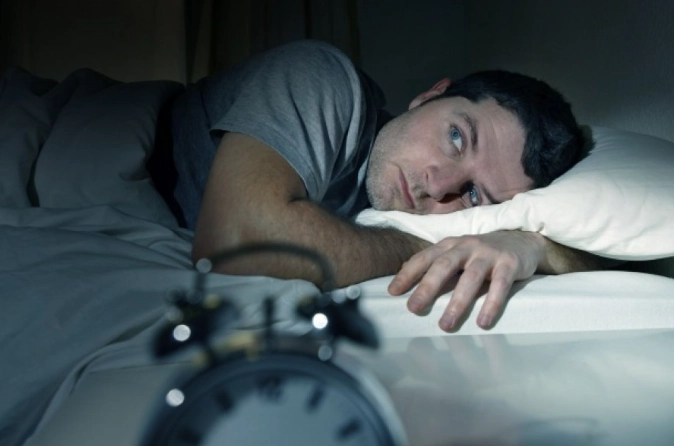
My own rhythm got messed up after a period of working from home with irregular hours. I'd sleep in till 9 AM some days, be up at 5 AM others. My clock had no idea what time it was. The fix wasn't instant, but getting strict about morning light (a walk outside within 30 minutes of waking) was a game-changer. It felt tedious at first, but it reset the conductor.
2. Age-Related Changes in Sleep Architecture
This one is a tough pill to swallow, but it's a major factor, especially if you're over 30. As we age, our sleep patterns naturally change. We tend to produce less melatonin (the sleep hormone), and our sleep becomes lighter and more fragmented.
One of the most significant changes is a reduction in deep, slow-wave sleep and an increase in lighter sleep stages. You spend more time in stages 1 and 2 of sleep and less in stages 3 and 4 (deep sleep). Since deep sleep is more prevalent in the first half of the night, you might feel like you get your "core" sleep done by 3 or 4 AM. After that, you're cycling in and out of lighter sleep, making you far more susceptible to waking up from noise, light, or even internal signals like a full bladder or minor aches.
So it's not just that you're waking up early; it's that you're sleeping differently, and the later sleep stages are easier to break out of. This isn't a disorder for most people—it's a normal shift. The National Sleep Foundation has great resources on how sleep evolves over a lifetime.
3. Built-Up Sleep Pressure (Or Lack Thereof)
Sleep pressure is your body's need for sleep. It builds up the longer you're awake, thanks to a chemical called adenosine. Caffeine works by blocking adenosine receptors, tricking you into feeling alert.
Here's the twist: if you go to bed too early, you might not have built up enough sleep pressure to sustain a long sleep period. Let's say your body needs 7 hours of sleep. If you conk out at 9 PM, your sleep pressure might be fully satisfied by 4 AM. Boom, you're awake. You've "filled your tank," so to speak.
Conversely, napping too long or too late in the day can reduce your nighttime sleep pressure. It's like having a snack before dinner—you're just not hungry enough for the main meal later.
Quick Tip: If you find yourself consistently waking up too early, try pushing your bedtime back by 30-60 minutes for a week. It sounds counterintuitive, but a slightly shorter wake time can build more robust sleep pressure to carry you through the night.
4. Anxiety and the Racing Mind
This is the psychological sidekick to the biological causes. Early morning waking is a classic symptom of anxiety and stress. Why the early morning? During the night, your prefrontal cortex (the rational, planning part of your brain) is offline. Your more primitive, emotional brain centers are more active.
As you transition into lighter sleep phases in the early morning, those subconscious worries can easily bubble up to the surface, jolting you awake. Your mind instantly latches onto a problem—a work deadline, a personal conflict, a financial worry—and once that cognitive engine is revving, falling back asleep feels impossible. You're now awake with your thoughts, which is a terrible state for sleep.
The question why won't my body let me sleep past a certain time then becomes intertwined with "what is my mind trying to process when my defenses are down?"
5. Environmental and Behavioral Triggers
Sometimes, the cause is literally outside your body. Your environment and habits can train you to wake up at a specific time.
- Light: Even a small amount of ambient light from a streetlamp or the rising sun can signal your SCN that it's morning. Blackout curtains are non-negotiable for many early wakers.
- Noise: The garbage truck that comes at 5:45 AM, birds chirping, a neighbor starting their car—these can become conditioned awakenings. You might start waking up just before they happen.
- Temperature: Your body temperature naturally rises in the early morning as part of the wake-up process. If your room is too warm, it can amplify this signal and wake you up prematurely.
- Habit: If you've spent months or years waking up at 6 AM for work, your body gets incredibly good at it. It's a learned pattern. Weekend attempts to override it often fail because the habit loop is so strong.
Action Plan: How to Train Your Body to Sleep Longer
Knowing the causes is half the battle. Here’s what you can actually do about it. This isn't a one-size-fits-all list; pick the strategies that resonate with your likely causes.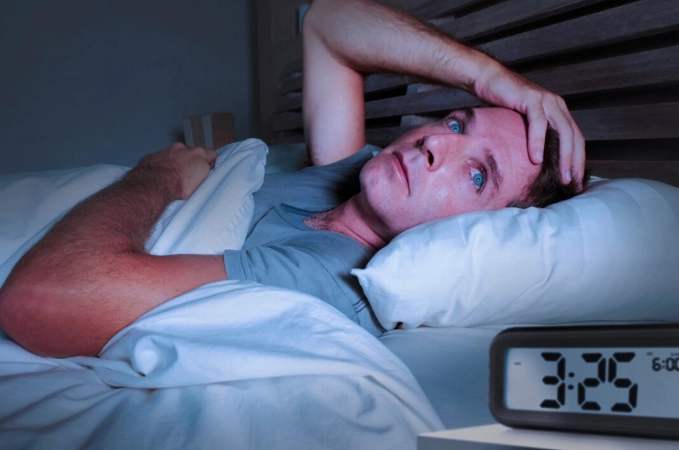
| Cause | Primary Strategy | Actionable Steps |
|---|---|---|
| Circadian Rhythm Misalignment | Reset Your Master Clock | Get 10-30 min of bright outdoor light within 30 min of waking. Avoid bright screens 1-2 hours before bed. Consider a dawn simulator alarm clock. |
| Age-Related Light Sleep | Protect & Consolidate Sleep | Prioritize sleep consistency (same bed/wake time). Ensure your bedroom is absolutely dark, cool (~65°F/18°C), and quiet. Limit fluids 2 hours before bed. |
| Insufficient Sleep Pressure | Build Stronger Sleep Drive | Limit or eliminate naps. If you must nap, keep it under 20 min before 3 PM. Gradually delay bedtime if you wake too early. |
| Anxiety & Racing Thoughts | Quiet the Evening & Morning Mind | Do a "brain dump" journaling session before bed. Practice a 5-minute mindfulness meditation upon waking instead of grabbing your phone. Keep a notepad by the bed to jot down intrusive thoughts. |
| Environmental Triggers | Engineer the Ideal Cave | Invest in blackout curtains and a white noise machine. Use a fan or AC to keep cool. Remove visible clocks to reduce clock-watching anxiety. |
Let's get more specific on a couple of these.
The Light Reset Protocol
This is your most powerful tool for shifting your circadian rhythm. Light is the primary "zeitgeber" (time-giver). To push your wake time later, you need to carefully manage light exposure.
- Morning: Seek bright light immediately upon your target wake time. If you want to wake at 7:30, get light at 7:30, even if you've been awake since 5:30. This tells your clock "this is morning now." A walk outside is best. No sunglasses.
- Evening: Dim the lights in your home 2 hours before bed. Use apps like f.lux or Night Shift on your devices to reduce blue light. Consider amber-tinted glasses if you're in a bright environment.
- Night: Total darkness. Use blackout shades or a comfortable sleep mask. Even the little LED from a charger can be disruptive for some.
Consistency is key. Do this every single day, even on weekends, for at least two weeks to see a shift.
What to Do When You Wake Up Too Early
The worst thing you can do is lie in bed frustrated, watching the clock. That trains your brain to associate the bed with anxiety and wakefulness.
First, give yourself 15-20 minutes. Sometimes you can drift back off. If not, get out of bed. Go to another room. Do something quiet, dull, and non-stimulating in dim light. Read a physical book (not an exciting thriller). Listen to a calm podcast or audiobook. Do some gentle stretching.
The rule is: no screens, no work, no household chores, no bright lights. You're not starting your day; you're in a holding pattern for sleep. After 20-30 minutes, if you feel sleepy, go back to bed. If not, just start your day gently. This breaks the cycle of frustration and prevents your bed from becoming a trigger for wakefulness.
When It Might Be More Than Just Your Body Clock
Sometimes, the persistent question of why won't my body let me sleep past a certain time points to an underlying medical condition. It's important to recognize the red flags.
Could it be Sleep Maintenance Insomnia? This is the clinical term for difficulty staying asleep. It's often linked to the causes above but can be more severe. If you consistently wake up and can't return to sleep for long periods, and it's affecting your daytime function (fatigue, moodiness, poor concentration), it's worth talking to a doctor.
What about Sleep Apnea? This condition causes breathing to repeatedly stop and start during sleep. These disruptions can lead to awakenings, often around the same time early in the morning. You might not remember gasping for air, but you'll wake up unrefreshed. Loud snoring and daytime sleepiness are key signs. The Centers for Disease Control and Prevention (CDC) provides clear information on sleep apnea risks.
Other potential contributors include acid reflux, chronic pain, or medication side effects. A good rule of thumb: if lifestyle changes over a month make no difference, or if your sleep is causing significant daytime distress, consult a healthcare provider or a sleep specialist.
Your Questions, Answered
The Bottom Line: Your body's refusal to let you sleep past a certain time is a complex puzzle with biological, psychological, and environmental pieces. Stop fighting it as a personal failure. Start observing it as data. Track your sleep, light exposure, stress levels, and habits for a week. The pattern will reveal your primary culprit. From there, you can choose targeted strategies to gently, patiently retrain your system. It won't happen overnight, but with consistency, you can stretch that sleep window and reclaim some of those lost morning hours of rest.
It took me months to shift my wake time from 5:30 AM to a more reasonable 6:45 AM. Some days it still doesn't work. But understanding the why—that it was my clock responding to light and habit, not some flaw—made all the difference. The frustration turned into curiosity, and then into a manageable project. I hope it does the same for you.
Reader Comments