You know the drill. The clock glows 2:17 AM. Your body is tired, but your brain is hosting a late-night talk show starring every worry, forgotten task, and random memory from the last decade. You’ve tried the usual advice—warm milk, counting sheep—and it feels like putting a band-aid on a broken leg. The frustration builds, which makes sleep even more elusive.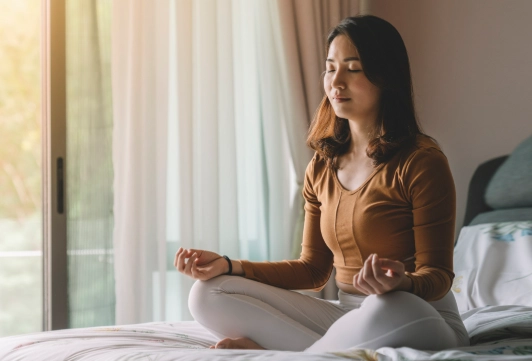
Here’s the truth most generic articles won’t tell you: treating insomnia naturally isn’t about finding one magic trick. It’s a systematic rewiring of your daily habits and nighttime environment to work with your biology, not against it. It’s less about quick fixes and more about becoming the architect of your own sleep.
This guide skips the fluff and dives into the science-backed, actionable strategies that actually move the needle. We’re not just talking about feeling a bit sleepy; we’re talking about building sustainable, restorative sleep.
What’s Inside This Guide?
The Non-Negotiable Foundation: Sleep Hygiene 2.0
“Sleep hygiene” sounds boring. It is, until you realize it’s the bedrock everything else is built on. Most people get this wrong by focusing only on the 30 minutes before bed. Real change starts when you wake up.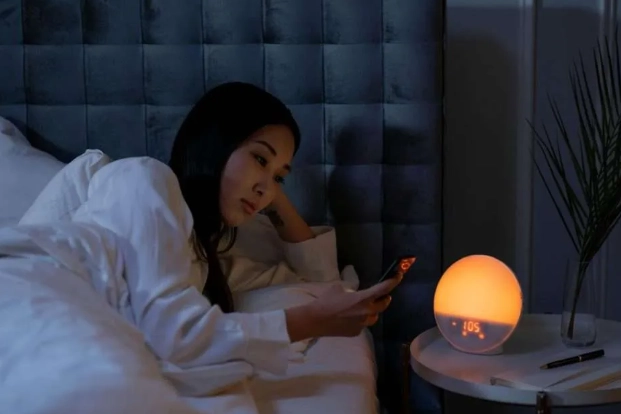
Light: Your Master Clock Regulator
Your brain uses light cues to set its internal clock, the circadian rhythm. The single most effective thing you can do is get bright, natural light exposure within an hour of waking. Go outside for 15-30 minutes. No sunglasses if safe. This isn’t just “nice to have”; it signals your brain to suppress melatonin production and starts a timer for when it should release it again ~14 hours later.
Conversely, dim the lights in the evening. After sunset, avoid overhead bright lights. Use lamps. This gentle dimming mimics natural dusk and prompts the start of melatonin secretion.
The Myth of “Catching Up” on Sleep
Your body craves consistency more than it cares about total hours on a weekly spreadsheet. Sleeping in on weekends confuses your circadian rhythm. It’s like flying from New York to California every Friday and back every Sunday—you’re giving yourself constant jet lag. Aim to wake up within the same 60-minute window every single day, even on weekends. Yes, even then.
Expert Slant: The biggest mistake? Using the weekend sleep-in as a reward. It completely undoes the rhythm you spent the week building. If you must, limit the difference to one hour. Consistency is the secret sauce no one wants to hear because it’s not glamorous.
How to Wind Down a Racing Mind (It’s Not Just Meditation)
“Just relax” is the most useless advice for someone with insomnia. Your mind isn’t a switch. We need concrete tools.
The 60-Minute Digital Sunset
Ban screens from the bedroom. Full stop. Charge your phone in another room. The blue light is bad, but the psychological stimulation is worse. The endless scroll, the work email check, the “just one more episode”—it’s all high-octane fuel for your brain.
Replace that last hour with low-stimulation activities. The key is they should be monotonous.
- Read a physical book (fiction is best—it engages a different part of the brain than problem-solving non-fiction).
- Listen to a calm podcast or an audiobook with the screen off.
- Do some light stretching or gentle yoga (no vigorous flows).
- Try a tactile activity like knitting, coloring, or even just tidying a drawer.
When Relaxation Techniques Backfire
If you’ve tried deep breathing or body scans and felt more anxious because you “weren’t doing it right,” you’re not alone. The pressure to perform relaxation can be counterproductive.
Try this instead: The 4-7-8 breath. It’s simple and physiologically potent. Inhale quietly through your nose for 4 seconds. Hold your breath for 7 seconds. Exhale completely through your mouth, making a whoosh sound, for 8 seconds. Repeat 4 times. This technique activates your parasympathetic nervous system (the “rest and digest” system) directly, slowing heart rate and promoting calm. It gives your mind a specific, simple task to focus on.
Your Daytime Habits Are Stealing Your Sleep
Insomnia isn’t a nighttime disorder; it’s a 24-hour one. What you do from 9 AM to 9 PM dictates what happens at 2 AM.
Manage the Anxiety Reservoir
Daytime stress and unresolved worries fill up a mental tank. At night, when distractions fade, that tank overflows. The solution isn’t to empty it at bedtime, but to drain it throughout the day.
Schedule a “Worry Period.” Take 15 minutes in the late afternoon. Sit with a notebook and write down everything that’s on your mind—tasks, fears, annoyances. Then, for each item, write the next single, actionable step, no matter how small. (“Worry about project” becomes “Email Sarah tomorrow at 10 AM to schedule a 15-minute sync.”) This practice contains anxiety and convinces your brain it has a plan, so it doesn’t need to rehash everything at 1 AM.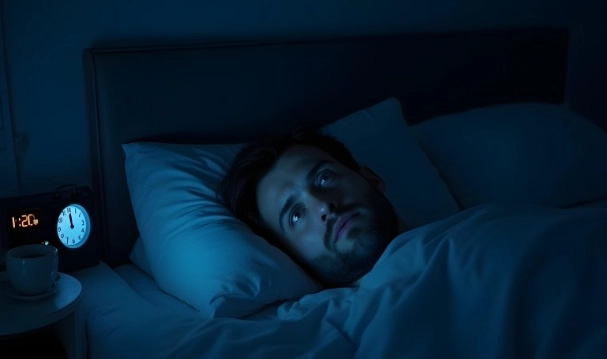
The Nap Trap
Napping to recover from bad sleep feels necessary, but it can perpetuate the cycle. If you must nap, do it before 3 PM and limit it to 20 minutes (a “power nap”). Longer or later naps dip into deep sleep stages and reduce your sleep drive at night.
Food, Drink & Movement: The Sleep Trinity
You can’t out-supplement a bad diet or a sedentary life. Let’s get specific.
The Caffeine Half-Life Surprise
Caffeine has a half-life of about 5-6 hours. That means if you have a coffee at 4 PM, half the caffeine is still in your system at 9-10 PM, interfering with sleep depth. The cutoff time for most people is 2 PM. And watch for hidden sources: dark chocolate, some medications, green tea.
Alcohol: The Deceptive Sedative
Alcohol might knock you out, but it’s a sedative, not a sleep aid. It wreaks havoc on your sleep architecture, suppressing crucial REM sleep and causing fragmented awakenings in the second half of the night (often around 3 AM). It also relaxes throat muscles, worsening snoring and sleep apnea. Limit it, and avoid it within 3 hours of bedtime.
Exercise Timing Matters
Regular exercise is fantastic for sleep, but timing is key. Vigorous exercise raises core body temperature and releases stimulants like adrenaline. Finishing a hard workout within 2-3 hours of bedtime can be too activating for some. Morning or afternoon exercise is ideal. If evenings are your only option, stick to gentle, restorative movement like walking or yoga.
Engineering Your Bedroom Sanctuary
Your bedroom should have one primary function. If it’s also your office, entertainment center, and dining room, your brain gets mixed signals.
- Temperature: Cool is crucial. Aim for 65-68°F (18-20°C). Your core body temperature needs to drop to initiate sleep. A hot room prevents this.
- Darkness: Pitch black. Even small amounts of light from chargers or streetlights can disrupt melatonin. Use blackout curtains and cover or remove LED lights. An eye mask is a good temporary fix.
- Noise: Consistent white noise (like a fan or a white noise machine) can mask disruptive, irregular sounds like traffic or a partner snoring.
- The Bed: Reserve it for sleep and intimacy only. No work, no eating, no doomscrolling. This builds a powerful psychological association: bed = sleep.
Your Top Sleep Questions, Answered
It's not a magic bullet, but there's some logic. Milk contains tryptophan, an amino acid needed to produce sleep-regulating serotonin and melatonin. The warmth and the ritual itself can be psychologically soothing. However, for most adults, the tryptophan content is too low to have a significant pharmacological effect. The real benefit likely comes from associating a warm, non-caffeinated drink with bedtime—it's a signal to your brain that it's time to wind down.
Yes, it's one of the most common yet overlooked saboteurs. The blue light emitted suppresses melatonin production by up to 50% for several hours, directly telling your brain it's daytime. More subtly, the engaging content—scrolling social media, reading news—activates your mind and triggers emotional responses (anxiety, excitement) that are the opposite of relaxation. It's a double whammy: your biology is confused, and your mind is stimulated. The fix isn't just a blue light filter; it's a physical separation. Charge your phone outside the bedroom.
The common mistake is treating relaxation as a performance you must succeed at to fall asleep, which creates more pressure. If you lie down and think "I must clear my mind now," you've already failed. Instead, shift the goal from "falling asleep" to "resting deeply." Give yourself permission to just lie there with your eyes closed. When thoughts come, don't fight them. Acknowledge them ("Oh, there's the work thought again") and gently return your focus to your breath or body sensations. The goal is detachment, not emptiness. It's the difference between trying to hold a beach ball underwater (exhausting) and letting it float nearby (effortless).
Manage your expectations. Unlike a sleeping pill, natural methods work by reinforcing your body's own sleep systems, which takes time. For foundational practices like sleep schedule consistency and light exposure, you might notice subtle improvements in 3-5 days, but it often takes 2-4 weeks of diligent practice to see a significant, stable shift. Think of it like training for fitness—you're training your nervous system for sleep. An inconsistent approach (good habits only on weekends) will yield poor results. Consistency is the non-negotiable ingredient for success with natural remedies.
The path to better sleep isn’t found in a single supplement or trick. It’s built day by day, habit by habit. Start with one thing from this guide—maybe the consistent wake time or the digital sunset. Master it for a week, then add another. Be patient with yourself. You’re not just trying to sleep; you’re learning a new skill, the skill of letting go and allowing your body to do what it naturally knows how to do.
Reader Comments