What You'll Learn in This Guide
Napping isn't just for kids or lazy afternoons—it's a powerful tool backed by science. I used to think naps were a waste of time until I tried a 20-minute power nap during a work slump. The difference was shocking. My focus sharpened, and I felt recharged. So, do naps have any benefits? Absolutely, but only if you do them right. Let's dive into the evidence and practical tips.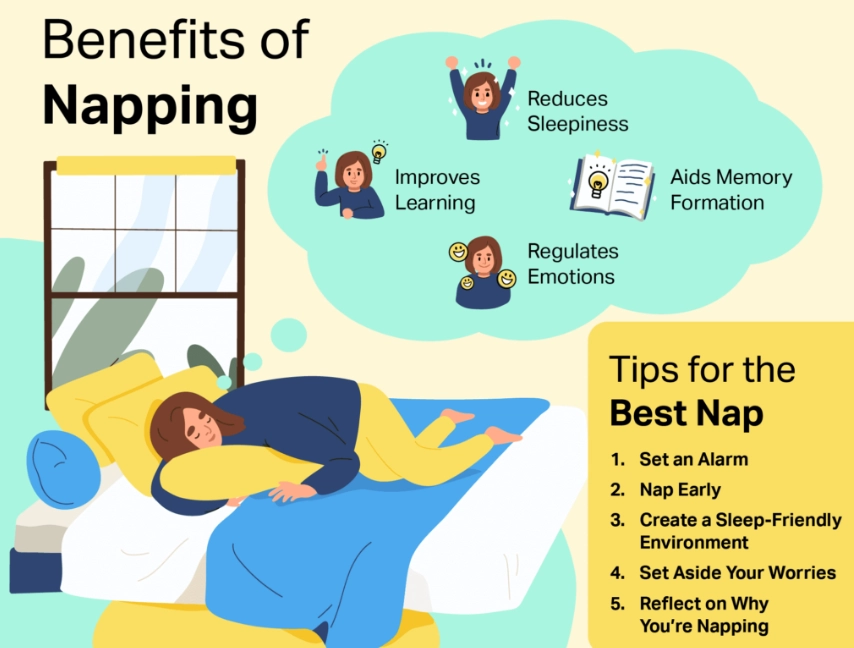
The Science Behind Napping: What Research Really Says
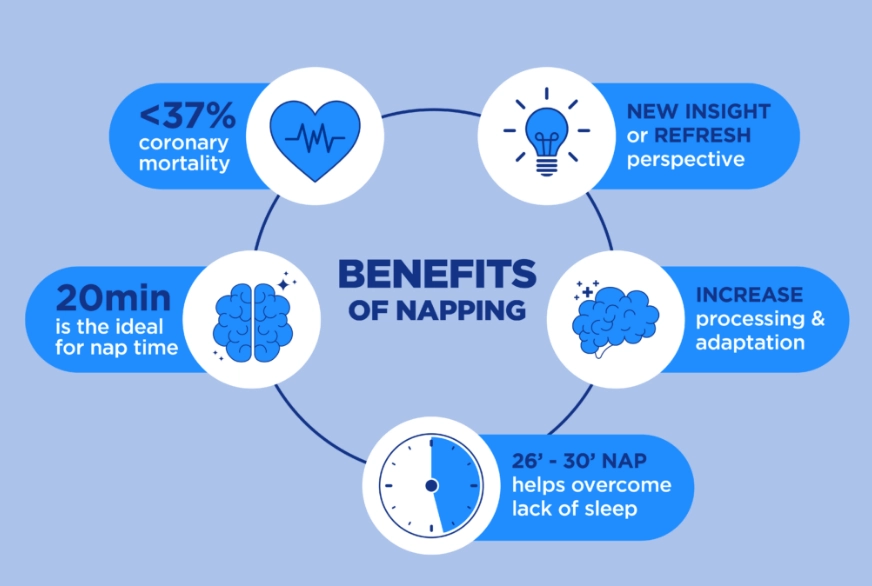
Studies from places like NASA and Harvard have shown that naps can boost cognitive function. For instance, NASA research on pilots found that a 26-minute nap improved performance by 34% and alertness by 54%. That's not just a small bump—it's a game-changer for productivity.
But it's not just about feeling less tired. Naps enhance memory consolidation. When you learn something new, your brain needs time to process it. A nap acts like a save button. I remember cramming for exams in college; a short nap after studying made the material stick better than hours of review.
Key takeaway: Napping isn't a sign of laziness. It's a biological reset that can improve learning, mood, and even heart health. The National Sleep Foundation notes that short naps can reduce stress and lower blood pressure.
Here's a quick look at what different nap durations offer:
| Nap Duration | Primary Benefits | Best For |
|---|---|---|
| 10-20 minutes | Increased alertness, reduced fatigue | Quick energy boost, avoiding grogginess |
| 30-60 minutes | Improved memory, creativity | Learning new skills, problem-solving |
| 90 minutes | Full sleep cycle, emotional processing | Recovery from sleep debt, mood enhancement |
Notice that longer isn't always better. That 90-minute nap might leave you disoriented if you don't have time to wake up slowly.
How to Nap for Maximum Benefits: A Step-by-Step Guide
 Napping effectively is an art. Most people just lie down and hope for the best, but that often leads to waking up groggy. Here's how to nail it.
Finding Your Perfect Nap Duration
Stick to 10-20 minutes. This is the sweet spot for a power nap. It keeps you in light sleep, so you wake up refreshed without sleep inertia. I set a timer for 25 minutes (allowing 5 minutes to fall asleep). It works every time.
If you need more, aim for 90 minutes to complete a full sleep cycle. But beware—napping between 30-60 minutes can trap you in deep sleep, causing that awful groggy feeling. I learned this from a friend who napped for 45 minutes and spent the next hour in a fog.
Timing Your Nap: When is the Best Time?
Early afternoon, between 1 PM and 3 PM. Your body's circadian rhythm naturally dips then, making it easier to fall asleep. Napping after 4 PM can mess with your nighttime sleep. I used to nap at 5 PM and then wonder why I couldn't sleep until midnight.
Environment matters too. Find a quiet, dark spot. Use an eye mask or earplugs if needed. A cool room helps—around 65°F (18°C) is ideal. I nap on my couch with a blanket, and it feels like a mini retreat.
What about caffeine naps? Drink a cup of coffee right before napping. The caffeine kicks in as you wake up, giving an extra boost. It sounds weird, but it's backed by research from Loughborough University. Try it on a slow afternoon.
Common Napping Mistakes and How to Avoid Them
People make simple errors that ruin the benefits. Let's fix them.
Mistake 1: Napping too long. As mentioned, over 30 minutes risks sleep inertia. Solution: Set an alarm. Don't trust your body to wake up naturally—it won't.
Mistake 2: Napping too late. Late naps disrupt night sleep. If you must nap late, keep it under 20 minutes. I see this with shift workers; they nap before night shifts, which can help if timed right.
Mistake 3: Ignoring your sleep environment. Napping in a bright, noisy room won't give deep rest. Invest in blackout curtains or a white noise app. A small change made my naps 50% more effective.
Another subtle error: relying on naps to fix chronic sleep deprivation. Naps are a supplement, not a replacement for night sleep. If you're always tired, address your sleep hygiene first. The Mayo Clinic has great resources on this.
Here's a personal story. I used to nap haphazardly—sometimes 10 minutes, sometimes an hour. The inconsistency left me more tired. Once I standardized my routine, the benefits became clear. Consistency is key.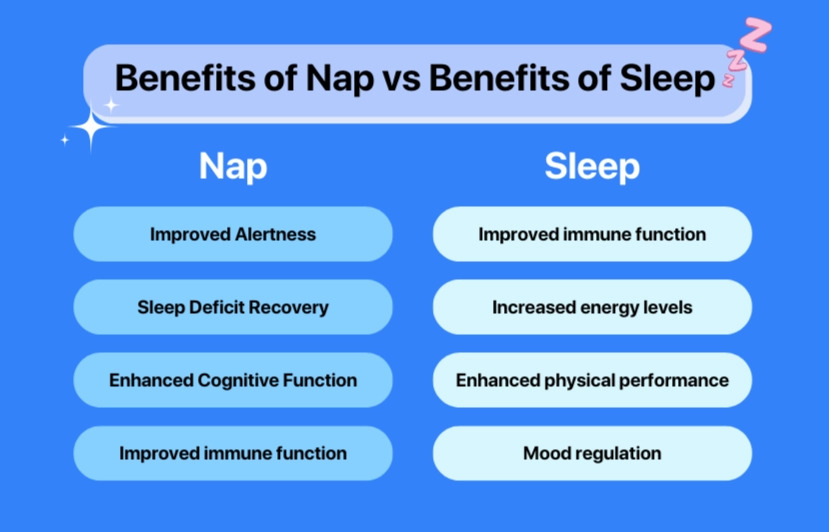
FAQs About Napping: Your Questions Answered
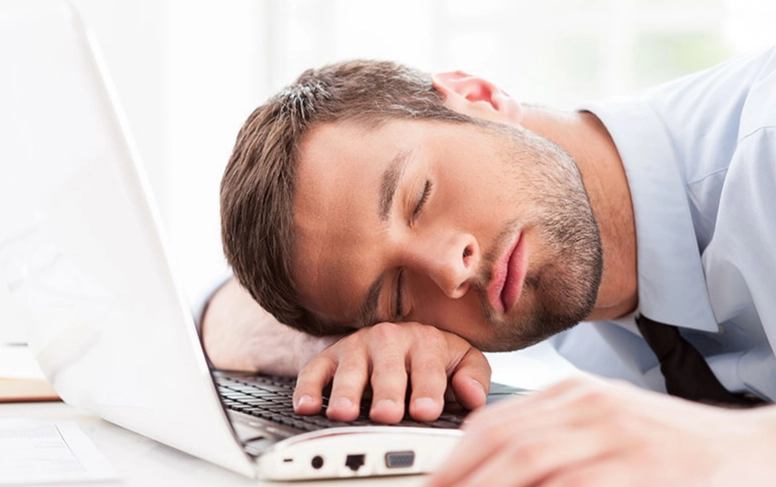 Napping isn't a one-size-fits-all solution. Experiment with what works for you. Start with a 20-minute nap in the early afternoon and adjust based on how you feel. The benefits are real—from sharper thinking to better mood. Give it a try, and you might find it transforms your day.
Reader Comments