You're in bed, the room is dark, but your mind is racing. Work deadlines, that awkward thing you said five years ago, the relentless scroll of thoughts. You glance at the clock. An hour has passed. Sound familiar? I've been there. For years, I thought falling asleep was a passive act I had no control over. Then I learned about the 4-7-8 breathing technique, a simple trick that can genuinely help you fall asleep in minutes. It's not magic, but it works on a physiological level most of us ignore.
What You'll Learn in This Guide
How the 4-7-8 Breathing Technique Works
Let's cut to the chase. The 4-7-8 method isn't about forcing sleep. It's about hacking your nervous system. When you're stressed or anxious—prime conditions for insomnia—your body is in "fight or flight" mode, governed by the sympathetic nervous system. Your heart rate is up, your breathing is shallow, and your mind is alert.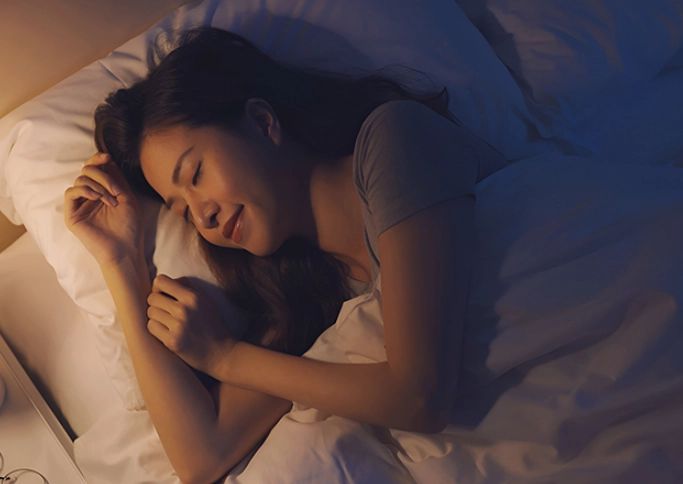
This breathing pattern does the opposite. It activates your parasympathetic nervous system, the one responsible for "rest and digest." The specific timing—inhaling for 4 seconds, holding for 7, exhaling for 8—isn't arbitrary. The prolonged exhale is the key. It's a stronger signal to your body to slow down than the inhale is. It's like a direct command to your vagus nerve, the main highway of your relaxation response, telling it to hit the brakes.
The Exact 5-Minute Practice: A Step-by-Step Guide
Here’s the drill. Don't just read it—imagine doing it tonight.
Preparation (The 60-Second Setup):
- Lie on your back in bed. A pillow under your knees can help relax your lower back.
- Place the tip of your tongue against the ridge of tissue just behind your upper front teeth. Keep it there for the whole exercise. This might feel weird, but it's part of the method's design.
- Exhale completely through your mouth, making a soft "whoosh" sound.
The Cycle (Repeat for 4-5 Minutes):
Now, close your mouth and inhale quietly through your nose for a mental count of 4.
Hold your breath for a count of 7.
Exhale completely through your mouth, making that "whoosh" sound, for a count of 8.
That's one breath cycle. Now inhale again and repeat the cycle three more times for a total of four breaths.
That's it. The whole sequence takes about a minute. Do four sequences. By the end of the fourth, about five minutes have passed. Most people feel significantly drowsier. Some are already asleep.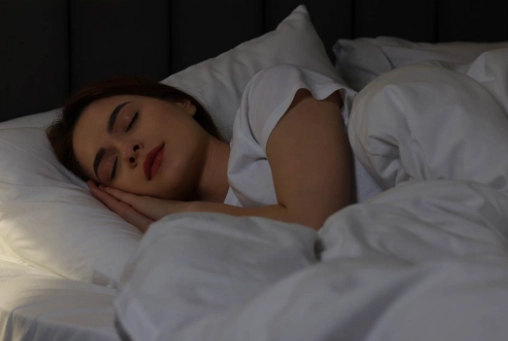
3 Common Mistakes That Ruin the Trick
I've taught this to friends and watched them fail because of these subtle errors.
Mistake 1: Trying Too Hard to Breathe Deeply. You're not trying to fill your lungs to bursting. The breath should be comfortable. Forcing it creates tension, which is the enemy of sleep. Think of it as a gentle, measured process.
Mistake 2: Getting Stuck on the Numbers. You lose count, get frustrated, and give up. Don't. If you lose track, just pick a comfortable count and continue. The mental focus is part of the benefit—it stops the racing thoughts—but perfection isn't required.
Mistake 3: Doing It Once and Declaring It a Failure. This isn't a knockout punch. It's a skill. Your body might be so wound up the first night that it takes 10 minutes to feel an effect. Consistency is key. Practice it twice a day for a week—once in bed, once during a calm moment in the afternoon—to train your nervous system to respond faster.
The Science Behind the Trick: Why It Calms Your Nerves
This isn't just hippie wisdom. The principle is grounded in physiology. Controlled breathing, or paced respiration, has been studied for its effects on the autonomic nervous system. Research published in sources like the Journal of Alternative and Complementary Medicine has shown that slow, deep breathing practices can increase heart rate variability (HRV), a key marker of resilience and relaxation.
The 4-7-8 pattern, popularized by Dr. Andrew Weil, leverages this. The extended exhale increases pressure in the chest cavity, which slows the heart rate. A slower heart rate sends a feedback signal to the brain that the emergency is over. It's a closed-loop system you can manually trigger.
Think of it like this: you can't be in a state of panic while breathing slowly and deliberately. The body won't allow it. The breathing pattern dictates the emotional state, not the other way around. You're not waiting to feel calm to breathe slowly; you're breathing slowly to become calm.
Your Questions Answered (FAQ)
The 4-7-8 breathing technique is a tool. A powerful one. It gives you agency over a process that feels frustratingly passive. It won't solve chronic insomnia rooted in other medical issues, but for the common problem of a busy mind at bedtime, it's remarkably effective. The next time you're staring at the ceiling, don't just lie there hoping for sleep. Breathe for it. In for 4, hold for 7, out for 8. Your nervous system is listening.
Reader Comments