Quick Navigation
Let's talk about being tired. Not the "I stayed up too late watching a show" tired, but the deep, bone-aching, soul-sucking fatigue that doesn't go away no matter what you do. You sleep for nine, ten hours, and you still wake up feeling like you've been hit by a truck. Your brain is in a fog, your eyelids are made of lead, and the idea of getting through the day feels like a monumental task. That, my friend, might be hypersomnia.
I remember talking to someone who described it as living in a permanent state of jet lag, but without the fun trip. They'd sleep through alarms, miss morning meetings, and the constant sleepiness made them feel like they were watching their own life through a thick, cloudy pane of glass. It's more than just being a "heavy sleeper"; it's a medical condition that can turn your world upside down.
So, what exactly is hypersomnia? In simple terms, it's excessive daytime sleepiness (EDS) even after a long night's sleep. The National Sleep Foundation points out that it's a primary symptom of several sleep disorders, but it can also stand on its own. People with hypersomnia don't just feel drowsy; they feel an overwhelming, irresistible need to sleep during the day, often at inappropriate times.
Is It Just Laziness? Unpacking the Real Symptoms
This is the part where people get it wrong. They think you're just unmotivated or depressed. But the symptoms of hypersomnia are specific, persistent, and incredibly disruptive.
The Core Experience: The main event is, of course, that excessive daytime sleepiness. But it's the quality of that sleepiness that's telling. Naps often don't feel refreshing. You might sleep for two hours in the afternoon and wake up feeling worse—groggier, more disoriented, and even more tired than before. It's a cruel trick your body plays on you.
Then there's the sleep inertia, or "sleep drunkenness." Waking up is a struggle. It can take an hour or more to feel even vaguely alert. Your cognitive functions are in slow motion—thinking, concentrating, and remembering things becomes a Herculean effort. I've heard people say they feel stupid, which is heartbreaking because it's not their intelligence; it's the disorder clouding their mind.
Other symptoms creep in too:
- Brain Fog: A feeling of mental cloudiness, like your thoughts are moving through molasses.
- Low Energy: A profound lack of physical and mental drive, even for things you enjoy.
- Anxiety or Irritability: The constant fatigue wears on your nerves. You're short-tempered because you're fighting your own body all day.
- Slow Speech or Thinking: You might pause mid-sentence, searching for a word that's just out of reach.
- Loss of Appetite: Sometimes, even eating feels like too much work.
It's a full-body, full-mind experience. And it's exhausting just to list it.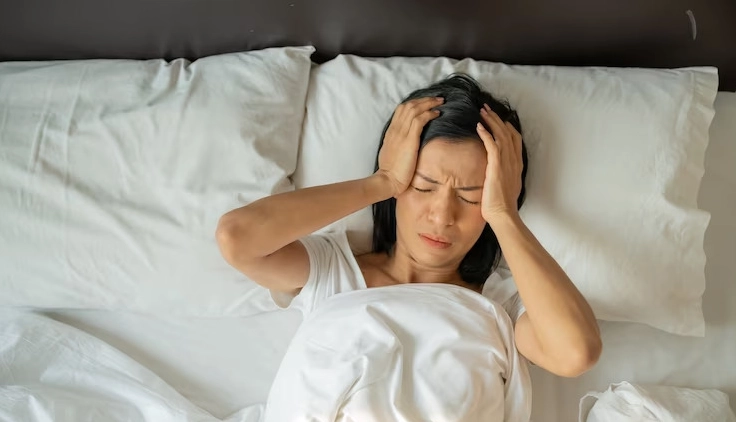
Why Does This Happen? The Causes Behind the Crash
Hypersomnia isn't one thing; it's an umbrella. The excessive sleepiness is the symptom, but the causes underneath can be varied. Understanding the "why" is the first step to figuring out the "how to fix it."
Primary Hypersomnia: The Sleep Disorder Itself
Sometimes, hypersomnia is the main event. The two big players here are Narcolepsy and Idiopathic Hypersomnia.
Narcolepsy is more well-known. It involves sudden "sleep attacks" and often comes with cataplexy (a sudden loss of muscle tone triggered by strong emotions). The sleepiness in narcolepsy is severe and comes in unpredictable waves.
Idiopathic Hypersomnia is the mystery box. "Idiopathic" means the cause is unknown. People with IH sleep for excessively long periods at night (10+ hours) and still need naps, but unlike narcolepsy, those naps are almost never refreshing. Waking up is famously difficult. The Sleep Foundation has some good resources on distinguishing between the two, but frankly, it often takes a sleep specialist to untangle them.
Secondary Hypersomnia: A Symptom of Something Else
More commonly, hypersomnia is secondary—a red flag waved by another condition.
- Sleep Apnea: This is a huge one. If you're stopping breathing dozens of times a night, your sleep is fragmented and useless. Your body is desperate for quality rest, so you're sleepy all day. Treat the apnea, and the hypersomnia often improves dramatically.
- Neurological Disorders: Conditions like Parkinson's disease, multiple sclerosis, or having had a traumatic brain injury can disrupt sleep-wake brain circuits.
- Mental Health: Depression and anxiety are classic culprits. The fatigue here can be profound, though it often intertwines with low mood and anhedonia (loss of pleasure).
- Other Medical Issues: Hypothyroidism, chronic fatigue syndrome, fibromyalgia, even some autoimmune diseases can have hypersomnia as a major feature.
- Medications: Don't overlook this! Sedatives, some antidepressants, antihistamines, and even blood pressure meds can list drowsiness as a side effect. It's worth reviewing everything with your doctor.
See what I mean? It's a puzzle. Your job isn't to diagnose yourself, but to gather the clues for a professional.
Getting to the Bottom of It: The Diagnostic Maze
You can't just walk into a doctor's office and say "I'm tired" and get a hypersomnia diagnosis. The process is more thorough, and honestly, it should be. Ruling things out is just as important as ruling things in.
The journey usually looks like this:
- Primary Care Visit: Your regular doctor will do a full physical, run blood tests (checking thyroid, iron, vitamin D, etc.), and review your medications and mental health. This weeds out many secondary causes.
- The Sleep Specialist: If the basics check out, you'll likely get a referral to a sleep medicine doctor. They'll do an in-depth interview about your sleep habits, history, and symptoms.
- The Sleep Study (Polysomnogram): This is the overnight test. You sleep in a lab hooked up to wires that monitor your brain waves, breathing, heart rate, and limb movements. Its main goal is to rule out sleep apnea and other nocturnal disorders that could explain the daytime sleepiness.
- The MSLT (Multiple Sleep Latency Test): This is the key test for diagnosing disorders like narcolepsy and idiopathic hypersomnia. It happens the day *after* your overnight study. You take four or five scheduled naps, 2 hours apart. They measure how quickly you fall asleep (sleep latency) and whether you go directly into REM sleep (a sign of narcolepsy). Falling asleep in under 8 minutes on average is considered abnormal sleepiness. For IH, the hallmark is short sleep latency but no REM sleep during those naps.
It's a process. It can feel slow and frustrating when you're desperate for answers. But an accurate diagnosis is everything. Treating sleep apnea is worlds apart from treating idiopathic hypersomnia.
So, What Can You Do About It? Treatment Isn't One-Size-Fits-All
Here's where we get practical. Treatment depends entirely on the root cause. Let's break it down.
| If Your Hypersomnia Is Caused By... | Primary Treatment Strategies | What to Expect |
|---|---|---|
| Sleep Apnea | CPAP/BiPAP machine, oral appliances, positional therapy, weight management. | Daytime sleepiness often improves significantly within weeks of consistent CPAP use. It's treating the cause directly. |
| Narcolepsy or Idiopathic Hypersomnia | Stimulant medications (modafinil, armodafinil, methylphenidate, amphetamines), Sodium Oxybate (for narcolepsy), lifestyle scheduling. | Medication helps manage the symptom of sleepiness. It's not a cure, but it can restore functionality. Finding the right drug/dose can take time. |
| Depression/Anxiety | Therapy (CBT), antidepressants, exercise, stress management. | As mood improves, energy often follows. Be aware that some antidepressants can worsen sleepiness—work closely with your psych. |
| Medication Side Effect | Review all meds with doctor, adjust timing or switch to a less-sedating alternative. | A simple but often overlooked fix. Taking a sedating med at bedtime instead of morning can make a big difference. |
| Poor Sleep Hygiene | Fixed sleep schedule, dark/cool room, no screens before bed, limiting caffeine & alcohol. | The foundation for all good sleep. It won't cure primary disorders, but it prevents making things worse. |
For primary hypersomnia disorders like IH, medication is often the mainstay. Modafinil (Provigil) and armodafinil (Nuvigil) are usually first-line because they're generally well-tolerated and less addictive than traditional stimulants. They promote wakefulness. But they're not perfect. They can cause headaches, anxiety, or nausea for some people, and they're expensive if your insurance doesn't cover them.
Traditional stimulants like methylphenidate (Ritalin) or amphetamine salts (Adderall) are also used. They can be more effective for some but come with a higher risk of side effects like increased heart rate, anxiety, and potential for dependence.
And let's talk about the non-medical stuff. This condition can be isolating. Joining a support group, whether online or in-person, can be a game-changer. Talking to people who truly get it—the missed events, the misunderstood intentions, the sheer frustration—is incredibly validating.
The Questions You're Actually Asking (FAQ)

Living With It: The Day-to-Day Reality
Managing hypersomnia is a marathon, not a sprint. It's about building a toolkit.
Advocate for yourself. In medical settings, in the workplace, even with friends and family. Explain that it's a medical condition, not a choice. The Americans with Disabilities Act may provide protections at work, like flexible start times or space for a brief nap.
Listen to your body. Pushing through only leads to a crash. If you need a 20-minute nap at 3 PM to be functional for the evening, plan for it. It's better than fighting it and being useless.
Be kind to yourself. This is the hardest part. You will have bad days. You will cancel plans. You will feel like you're letting people down. The guilt is real, but it's not helpful. You are managing a chronic health issue. That is enough work for one day.
I've seen people with severe hypersomnia go on to finish degrees, hold demanding jobs, and have fulfilling relationships. It requires planning, communication, and good medical care, but it is possible. The goal isn't to never be tired again; the goal is to get your life back from the exhaustion.
The path starts with taking that first sleepy step and talking to a doctor. You don't have to live in the fog forever.
Reader Comments