Quick Guide
It's one of the most frustrating things in the world. You finally get to bed on time, you clock a solid eight hours—maybe even nine!—and you wake up feeling like you've been hit by a truck. Your brain is foggy, your body feels heavy, and dragging yourself out of bed is a monumental task. But then there are those nights where you only manage five or six hours, and you spring out of bed feeling... relatively okay. Not great, but functional. What gives? Why does this happen? Why am I more tired when I sleep 8 hours than 6? If you've ever asked yourself that question, you're not going crazy. There's real science behind this sleep paradox, and it has very little to do with the simple number of hours you spend in bed.
For years, we've been hammered with the "8-hour rule." It's treated as gospel. But sleep isn't a one-size-fits-all metric. It's more like a complex recipe where quality, timing, and your own personal biology are just as important as the quantity. Focusing solely on hitting that eight-hour target can sometimes lead you straight into the trap of feeling worse. I've been there myself. I used to force myself to stay in bed if I woke up early, thinking I needed to "complete" my sleep cycle, only to end up groggier than if I'd just gotten up. It felt completely counterintuitive.
So let's ditch the simplistic thinking and dive into the messy, fascinating reasons behind this phenomenon. We'll look at what's actually happening in your brain and body, bust some common myths, and most importantly, give you practical things you can do to actually wake up feeling refreshed, whether you sleep for six hours or eight.
The Core Concept: Sleep Quality Trumps Sleep Quantity Every Time
This is the foundation of everything. You can be in bed for ten hours, but if those ten hours are filled with restless tossing, frequent awakenings, or shallow sleep, you're not getting restorative rest. Think of it like eating. You could eat a large volume of food, but if it's all junk, you'll still be malnourished. Sleep works the same way.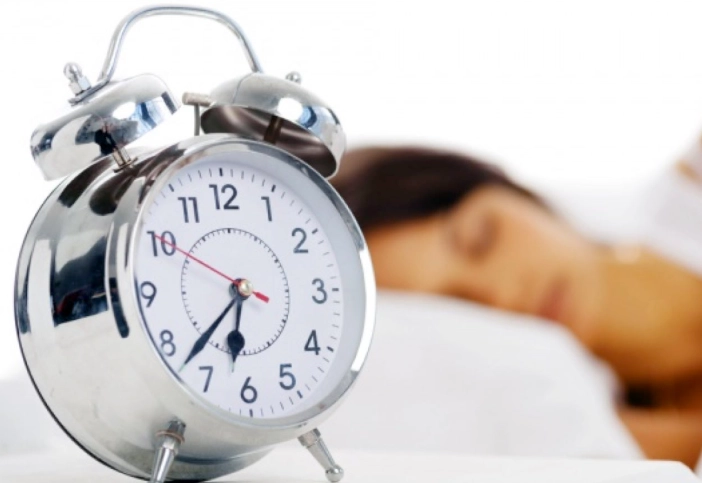
A solid six hours of deep, uninterrupted, high-quality sleep will almost always leave you feeling better than a fragmented, light eight hours. The goal isn't just to be unconscious for a set period; the goal is to move smoothly through the sleep cycles that repair your body and consolidate your memories.
Sleep Architecture 101: It's All About the Cycles
Sleep isn't a flatline. It's a series of roughly 90-minute cycles, each containing different stages:
- Light Sleep (Stages 1 & 2): The transition into and out of sleep. Your body starts to relax. This makes up about 50% of your night.
- Deep Sleep (Slow-Wave Sleep): The physical restoration phase. This is when tissue repair, muscle growth, and immune system strengthening happen. It's hardest to wake from this stage.
- REM Sleep (Rapid Eye Movement): The mental restoration phase. This is for dreaming, memory processing, and emotional regulation. Your brain is almost as active as when you're awake.
The problem with oversleeping or sleeping at the wrong time is that it can disrupt the natural balance and proportion of these stages. You might be getting too much light sleep and not enough of the good, deep stuff.
Top Reasons You Feel Worse After More Sleep
Let's break down the specific mechanisms that can make a longer sleep backfire. When you ask, "Why am I more tired when I sleep 8 hours than 6?" you're likely bumping into one of these issues.
Sleep Inertia: Waking Up in the Wrong Phase
This is the big one. Sleep inertia is that groggy, disoriented, heavy feeling you get right after waking up. It's your brain's transition period from sleep to full wakefulness. Its intensity depends heavily on when in your sleep cycle you wake up.
If your alarm (or your body) wakes you up from deep sleep, the inertia is severe. It can feel like you're swimming through mud. Now, if you have a relatively fixed wake-up time during the week, your body gets used to ending its last sleep cycle around that time. But on weekends, if you sleep in for an extra hour or two to "catch up," you're pushing yourself into a new sleep cycle. You might be forcing yourself to wake up from a deep sleep stage, resulting in that crushing grogginess that lasts for hours. That six-hour night? You might have woken up naturally at the end of a cycle, during a lighter sleep stage, minimizing inertia.
Circadian Rhythm Misalignment (Social Jetlag)
Your body has a master clock in your brain called the suprachiasmatic nucleus. It runs on a roughly 24-hour cycle (your circadian rhythm) and dictates when you feel sleepy and alert based largely on light exposure. This rhythm controls the release of hormones like cortisol (for wakefulness) and melatonin (for sleepiness).
If you go to bed much later on weekends but still sleep eight hours, you're essentially asking your body to be awake and asleep at times it's not prepared for. It's like giving yourself a mild form of jetlag without changing time zones. Your body might be releasing melatonin when you're trying to be active, leading to fatigue. The National Institute of General Medical Sciences has a great primer on how these circadian rhythms work at a fundamental level. Sleeping longer at the "wrong" time according to your internal clock doesn't fix the misalignment—it often reinforces it, making you feel out of sorts.
Poor Sleep Hygiene and Environment
Sometimes, the extra time in bed just means more time spent in a poor sleep environment. That eight-hour block might include:
- Scrolling in bed for an hour before finally putting the phone down.
- Waking up multiple times because your room is too warm, too noisy, or too bright.
- An inconsistent bedtime that confuses your body's sleep drive.
Longer time in bed doesn't automatically mean better conditions. In fact, if you're spending more time lying awake frustrated, it can create an unhealthy association between your bed and wakefulness.
Quick Environmental Fixes:
- Cool it down: Aim for a bedroom temperature around 65°F (18.3°C). Your body needs to drop its core temperature to initiate sleep.
- Block all light: Use blackout curtains or a high-quality sleep mask. Even small amounts of light can disrupt melatonin production.
- Drown out noise: Use a white noise machine, a fan, or earplugs. Consistency is key—a sudden noise is more disruptive than constant, low-level sound.
Underlying Sleep Disorders
This is a crucial point many people miss. Feeling exhausted after a full night's sleep is a classic red flag for certain sleep disorders.
- Sleep Apnea: This causes you to stop breathing briefly but repeatedly throughout the night. Each event jolts you into a lighter stage of sleep (or a full micro-awakening) to restart breathing. You might have no memory of it, but it fragments your sleep architecture, preventing deep and REM sleep. The result? You can "sleep" for 9 hours and feel utterly wrecked. The longer you're in bed, the more apnea events you might have. The American Sleep Apnea Association provides extensive resources on symptoms and risks.
- Restless Legs Syndrome (RLS): An uncontrollable urge to move your legs, usually in the evenings, that can delay sleep onset and cause frequent awakenings.
- Idiopathic Hypersomnia: A less common disorder where you sleep for long periods but don't feel refreshed, often accompanied by severe sleep inertia.
If you consistently feel terrible after what should be sufficient sleep, talking to a doctor or a sleep specialist is non-negotiable. No amount of lifestyle tweaking can fix a medical condition.
The Data: Comparing 6-Hour vs. 8-Hour Sleep Scenarios
Let's visualize how different factors play out in our two scenarios. This isn't about saying six hours is better—it's about showing how the context of sleep matters more than the raw number.
| Factor | "Good" 6-Hour Night (Scenario A) | "Poor" 8-Hour Night (Scenario B) | Why It Causes Fatigue in Scenario B |
|---|---|---|---|
| Sleep Cycle Completion | Wakes naturally at the end of the 4th cycle (6 hours). | Alarm interrupts deep sleep in the middle of the 6th cycle. | Severe Sleep Inertia: Waking from deep sleep causes intense grogginess. |
| Sleep Efficiency % | High (~95%). Time in bed is mostly asleep. | Low (~75%). Significant time spent awake in bed. | Fragmented Sleep: More awakenings prevent sustained deep & REM sleep. |
| Circadian Timing | Sleep/wake times aligned with natural light/dark cycle. | Went to bed 3 hours later than usual, disrupting rhythm. | Social Jetlag: Body clock is misaligned, causing daytime sleepiness. |
| Deep Sleep % | Normal proportion (~20% of total sleep time). | Reduced proportion due to fragmentation or disorder. | Lack of Restoration: Body doesn't get adequate physical repair. |
| Morning Light Exposure | Gets bright light soon after waking at 6 AM. | Sleeps past sunrise, misses key light cue for 8 AM wake-up. | Delayed Cortisol Spike: The signal to feel alert is weakened or delayed. |
See? Scenario B ticks all the boxes for fatigue, even with two extra hours in bed. This table perfectly illustrates why the simple question "Why am I more tired when I sleep 8 hours than 6?" has such a complex answer.
Action Plan: How to Fix Your Sleep and Wake Up Refreshed
Okay, enough diagnosis. What can you actually do about it? Here’s a practical, step-by-step approach. Don't try to do everything at once. Pick one or two to start with.
Find Your Personal Sleep Sweet Spot
Forget the eight-hour rule for a week. Go to bed when you're truly sleepy (not just bored) and let yourself wake up without an alarm for a few days (maybe on vacation). See how many hours you naturally sleep. For many adults, it's between 7 and 9, but a significant portion truly thrive on just under 7 or need just over 9. The goal is to find the amount that leaves you feeling alert all day without needing stimulants. The Harvard Medical School's sleep division emphasizes that needs are highly individual.
Lock Down Your Schedule (Yes, Even on Weekends)
This is the single most effective thing you can do. Aim to wake up at the same time every single day, give or take 30 minutes. Yes, Saturday and Sunday too. This regularity strengthens your circadian rhythm and helps you fall asleep more easily at night. If you must catch up, take a short 20-minute nap early in the afternoon instead of sleeping in. Napping too long or too late can ruin your next night.
Master Your Light Exposure
Light is the most powerful regulator of your sleep-wake cycle.
- Morning: Get bright light (preferably sunlight) within 30-60 minutes of waking. This shuts off melatonin and tells your brain the day has started. Go for a short walk, have your coffee by a window.
- Evening: Dim the lights 2-3 hours before bed. Use blue light filters on your devices (Night Shift, f.lux), or better yet, put them away. Consider using lamps instead of overhead lights.
Optimize Your Pre-Bed Routine and Environment
Create a wind-down ritual that signals to your body that it's time to sleep. This isn't fluffy advice; it's about building a conditioned response.
Also, do a quick "sleep environment audit." Is your mattress old and uncomfortable? Are your pillows supportive? Is there a streetlight shining directly on your face? These small things have a massive cumulative effect on sleep quality.
Watch What (and When) You Consume
- Caffeine: It has a half-life of 5-6 hours. That 3 PM coffee could still be 50% active in your system at 9 PM. Cut-off time is usually 2 PM for most people.
- Alcohol: It might make you fall asleep faster, but it absolutely wrecks the second half of your night, suppressing REM sleep and causing fragmentation. You'll often wake up too early and unable to fall back asleep.
- Heavy/Late Meals: Digestion can disrupt sleep. Try to finish eating 2-3 hours before bedtime.
When to See a Doctor
Please, don't ignore these signs. If you experience loud snoring (especially with gasping or choking sounds), witnessed pauses in breathing, extreme daytime sleepiness where you fall asleep in meetings or while driving, or a persistent need to sleep 10+ hours just to function, consult a healthcare professional. A sleep study might be necessary. It’s not an overreaction; untreated sleep apnea, for instance, is linked to serious health risks like high blood pressure and heart problems.
Common Questions Answered (The Stuff You're Secretly Searching)
Let's tackle some specific queries that spin off from our main question.
"Is it better to get 6 hours of uninterrupted sleep or 8 hours of broken sleep?"
Almost always the 6 hours of uninterrupted sleep. Continuity is king. Your brain needs long, undisturbed blocks of time to complete full sleep cycles and get into the deep and REM stages. Frequent awakenings, even if you fall right back asleep, reset the cycle progression. Think of it like trying to watch a movie with someone pausing it every ten minutes versus watching it straight through. You'll get the plot better with the uninterrupted version, even if it's shorter.
"Why do I feel more tired when I sleep 8 hours than 6 on the weekends specifically?"
This is the classic "social jetlag" and sleep inertia combo. You're going to bed later, shifting your circadian rhythm. Then, you're sleeping in, potentially waking from a deep sleep stage. The disruption to your weekly rhythm is the culprit. The solution isn't to sleep less on weekends, but to try and keep your schedule more consistent. I know, it's a tough sell.
"Can oversleeping cause fatigue and headaches?"
Absolutely. Oversleeping can disrupt neurotransmitter levels in the brain, particularly serotonin. Fluctuations in serotonin are linked to headaches and migraines. The fatigue comes from the sleep inertia, circadian disruption, and potentially poorer quality sleep (more light sleep, less deep sleep) that often accompanies very long sleep durations. It's a direct cause, not just a correlation.
"How do I know if my 8 hours of sleep is low quality?"
Ask yourself these questions:
- Do I wake up multiple times during the night?
- Does it take me more than 20-30 minutes to fall asleep most nights?
- Do I wake up feeling hot, sweaty, or with a dry mouth?
- Does my partner complain about my loud snoring or restless movement?
- Do I rely on an alarm to wake up, and is it a brutal struggle every time?
If you answered yes to several of these, your sleep quality needs work, regardless of the duration.
So, the next time you find yourself wondering, "Why am I more tired when I sleep 8 hours than 6?" remember that you're asking the right question. It's a sign that the simplistic metric of time is failing you. Shift your focus to consistency, timing, and creating the conditions for high-quality, uninterrupted sleep cycles. Listen to your body's signals more than the clock on the wall. Waking up refreshed isn't about hitting a magic number; it's about respecting the complex, beautiful biology of your own rest.
Start small. Pick a consistent wake-up time. Get some morning sun. See how you feel in a week. You might be surprised that the answer to more energy has less to do with spending more time in bed and everything to do with what you do with the time you're already there.
Reader Comments