What You'll Find in This Guide
Let's be honest. You've probably tried a dozen things for your sleep. Maybe it's the blue light blockers, the expensive mattress, or the meditation app you used twice. You're exhausted, frustrated, and the term "sleep deprivation treatment" sounds like a clinical lifeline. But here's the uncomfortable truth most articles won't tell you: a huge chunk of what's marketed as treatment is just managing symptoms, not solving the root cause.
I've spent years talking to sleep specialists and people who've reclaimed their nights. The real story of treating sleep deprivation isn't about a single magic bullet. It's a recalibration. It's less about forcing sleep and more about removing the barriers your brain and body have built against it.
This isn't another list of generic tips. We're going deep into the mechanisms, the professional-grade protocols, and the subtle pitfalls that derail most people. If you're looking for a quick fix, you won't find it here. But if you want to understand why you're not sleeping and what evidence-based steps actually move the needle, you're in the right place.
What is Sleep Deprivation Treatment Really About?
First, we need to clear up a major point of confusion. "Sleep deprivation" isn't a formal diagnosis you get from a doctor. It's a state. It's the condition of not getting enough sleep, whether by choice, circumstance, or because sleep itself is broken.
So when we talk about treatment, we're not treating "deprivation" itself. We're treating the underlying cause that's creating the deprivation. This is the first critical fork in the road.
The causes are a spectrum. On one end, it's pure behavior—the new parent, the shift worker, the student pulling all-nighters. The treatment here is largely about logistics, environment, and habit reversal. On the other end, it's a medical or psychological disorder like insomnia, sleep apnea, or anxiety. Here, treatment targets the disorder.
The biggest mistake I see? People with clinical insomnia trying to treat it like simple behavioral sleep deprivation. They buy blackout curtains and magnesium supplements while their brain's hyperarousal system is in overdrive. It's like trying to put out a house fire with a garden hose.
How Does Sleep Deprivation Treatment Work? A Step-by-Step Guide
Effective treatment isn't a random collection of tips. It's a structured process of identification, intervention, and consistency. Skip a step, and the whole thing crumbles.
Step 1: Pinpointing the "Why" – Diagnosis Before Prescription
You wouldn't take antibiotics for a broken leg. Treating sleep deprivation requires knowing what's causing it. This starts with a detailed sleep history and often, a sleep study (polysomnography). A doctor might look for:
- Sleep Apnea: Breathing interruptions. More common than you think.
- Restless Legs Syndrome (RLS): An urge to move your legs.
- Circadian Rhythm Disorders: Your internal clock is off.
- Medical Conditions: Thyroid issues, chronic pain, heartburn.
- Medication Side Effects: A surprising culprit for many.
Self-diagnosis is tempting but often wrong. That "stress" keeping you up could be undiagnosed sleep apnea. Investing in a proper diagnosis isn't a luxury; it's the foundation.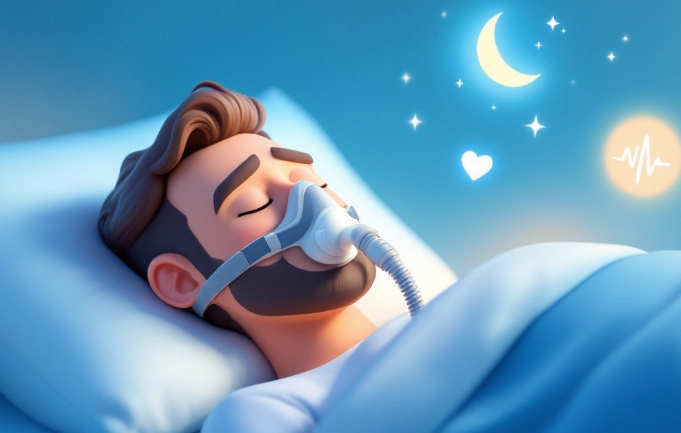
Step 2: The Behavioral Core – Cognitive Behavioral Therapy for Insomnia (CBT-I)
If the problem is rooted in behavior and thought patterns, CBT-I is the gold standard. It's not about relaxation techniques; it's about retraining your brain's association with sleep. The core components are:
- Stimulus Control: Re-associating the bed with sleep (no phones, no work in bed).
- Sleep Restriction: Limiting time in bed to increase sleep drive (this is powerful but needs guidance).
- Cognitive Therapy: Challenging the anxiety about sleep itself.
- Sleep Hygiene Education: The foundational habits, often misunderstood.
I've seen people fight CBT-I because it's structured and requires effort. They prefer the promise of a supplement. But the data is clear: CBT-I has better long-term success rates than sleep medication.
Step 3: Optimizing the Environment & Routine
This is the "sleep hygiene" part, but with nuance. It's not just "avoid caffeine." It's about creating a predictable, calming pre-sleep ritual that signals to your brain it's time to wind down. Light exposure is king here. Getting bright light in the morning helps set your circadian rhythm. Dimming lights in the evening tells your brain to produce melatonin.
Step 4: Addressing Medical & Psychological Factors
This is where treatment gets individualized. It might involve:
- Medication review with a doctor.
- Treatment for underlying conditions like GERD or chronic pain.
- Management of mental health conditions like anxiety or PTSD with therapy.
Ignoring these is like trying to fix a leaky roof by mopping the floor.
Your Treatment Toolkit: Evidence-Based Options
Let's get specific. Here's a breakdown of the major treatment avenues, not as a ranked list, but as a spectrum of tools for different problems.
| Treatment Approach | Best For | How It Works | Considerations |
|---|---|---|---|
| Cognitive Behavioral Therapy for Insomnia (CBT-I) | Chronic insomnia, anxiety about sleep, conditioned wakefulness. | Targets thoughts and behaviors that disrupt sleep. Teaches sleep restriction, stimulus control, relaxation. | Gold standard non-drug treatment. Requires commitment over several weeks. Often done with a therapist. |
| Light Therapy | Circadian rhythm disorders (Delayed Sleep Phase, Shift Work), Seasonal Affective Disorder. | Uses bright light boxes to reset the body's internal clock. Morning light suppresses melatonin; evening darkness promotes it. | Timing is critical. Incorrect use can worsen rhythms. Consult a sleep specialist. |
| Continuous Positive Airway Pressure (CPAP) | Obstructive Sleep Apnea. | A machine delivers air pressure through a mask to keep airways open during sleep. | Highly effective but requires acclimation. Compliance is key. Regular machine cleaning is necessary. |
| Medication (Short-Term) | Acute insomnia, jet lag. Not for long-term chronic insomnia. | Various classes (benzodiazepines, Z-drugs, melatonin agonists) induce drowsiness. | Risk of dependence, tolerance, side effects. Always use under doctor supervision with a clear exit plan. |
The table isn't exhaustive, but it highlights that matching the tool to the problem is everything. Using CPAP for anxiety-induced insomnia is a mismatch. Similarly, relying solely on sleep hygiene for severe sleep apnea is ineffective.
The Pitfalls: Common Mistakes in Sleep Deprivation Treatment
Knowledge of the path is useless without knowing where people trip. Here are the subtle errors that undermine recovery.
Mistake 1: Chasing Sleep Instead of Building Wakefulness
Paradoxical, I know. But focusing intensely on "getting sleep" increases performance anxiety, which activates the sympathetic nervous system—the exact system you need to quiet for sleep. The goal isn't to chase sleep, but to build a consistent, relaxed wakefulness throughout the day so sleep becomes a natural off-switch.
Mistake 2: The Weekend Sleep-In Sabotage
You think you're paying back sleep debt. Your circadian rhythm thinks you've flown to a different time zone. That Monday morning alarm feels like jet lag. Consistency is more important than the occasional long night.
Mistake 3: Misusing Sleep Trackers
Data is good. Obsession is not. When you start basing your self-worth on a sleep score, the tracker becomes a source of anxiety. Use them as a guide, not a gospel. If the data says you had poor sleep but you feel rested, trust your body.
Mistake 4: The Pre-Bed “Wind-Down” That Winds You Up
Reading a stimulating book, having a deep conversation, or planning the next day right before bed isn't winding down. It's cognitive activation. True wind-down activities are boring. Dull. The goal is to bore yourself to sleep.
Case Study: Alex and the Paradox of Effort
Alex came to me frustrated. He was doing "everything right"—perfect sleep hygiene, no screens, cool room, consistent schedule. Yet he lay awake for hours. His problem wasn't knowledge; it was execution anxiety. He was trying so hard to sleep he was performing it. We shifted focus from "trying to sleep" to "allowing wakefulness." He got out of bed when not sleepy, read a dull book in dim light, and returned only when drowsy. It was counterintuitive, but within three weeks, his sleep latency (time to fall asleep) dropped from 90 minutes to under 20. The key wasn't effort; it was surrender.
FAQs: Your Sleep Deprivation Treatment Questions Answered
Sleep deprivation treatment isn't a passive process you receive; it's an active skill you build. It requires tolerating some short-term discomfort for long-term gain. The path isn't linear. Some nights will be worse than others. That's normal. The goal isn't perfect sleep; it's resilient sleep.
You now have the map. The real work begins when you close this tab and take the first small, consistent step tonight.
Reader Comments