You're lying in bed, staring at the ceiling. Your mind is racing. Sleep feels miles away. You've tried counting sheep, meditation apps, and blackout curtains. But have you looked in your kitchen? The connection between what you eat and how you sleep is stronger than most people realize. It's not just about avoiding coffee after 2 PM. Specific foods contain compounds that directly signal to your brain and body that it's time to wind down.
I spent years struggling with occasional insomnia, trying every tip under the sun. The game-changer wasn't a pill; it was shifting my evening snacks. This guide cuts through the noise. We'll look at the science behind sleep-inducing foods, give you a practical list of what to reach for, and—just as importantly—what to avoid. Forget vague advice. Let's talk about specific foods, portion sizes, and timing.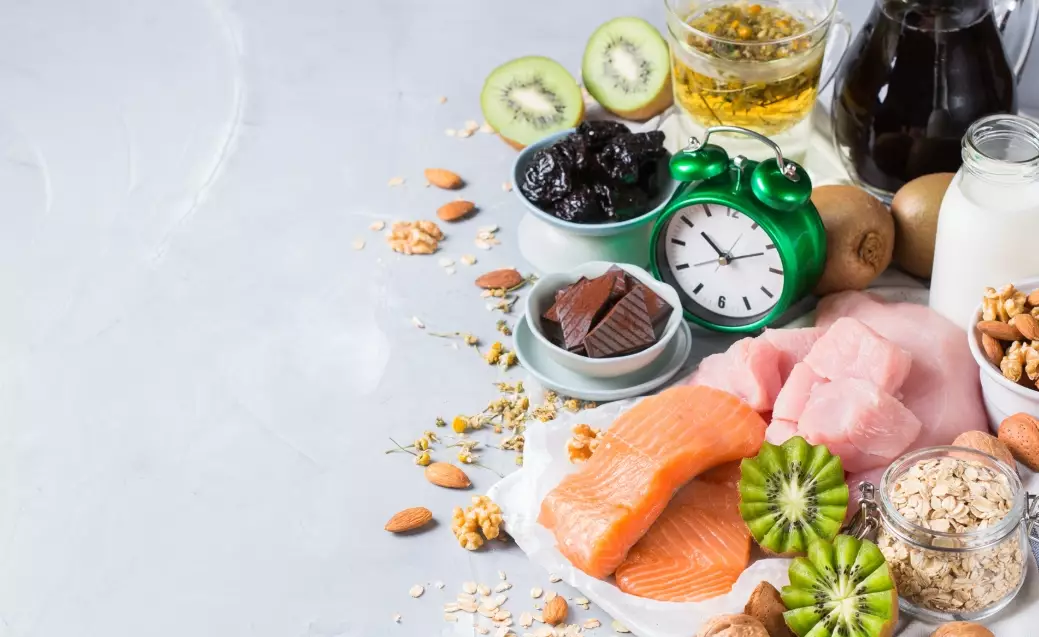
Your Quick Guide to Sleep-Friendly Foods
How Food Talks to Your Sleep Cycle
Sleep isn't an on/off switch. It's a complex chemical process. Key players include melatonin (the "sleep hormone"), serotonin (its precursor, linked to mood and calm), GABA (a neurotransmitter that quietens nerve activity), and minerals like magnesium and potassium that help muscles relax.
Certain foods are rich in the building blocks or direct sources of these chemicals. For example, the tryptophan in turkey gets converted into serotonin and then melatonin. But here's the non-consensus part everyone misses: tryptophan alone is poorly absorbed. It needs carbohydrates to hitch a ride into the brain. That's why plain turkey breast might not do much, but turkey on whole-grain bread could.
The goal isn't to eat a huge meal right before bed—that backfires by forcing your digestive system to work overtime. It's about a strategic, small snack 60-90 minutes before you plan to sleep, providing the right nutrients to support your body's natural wind-down process.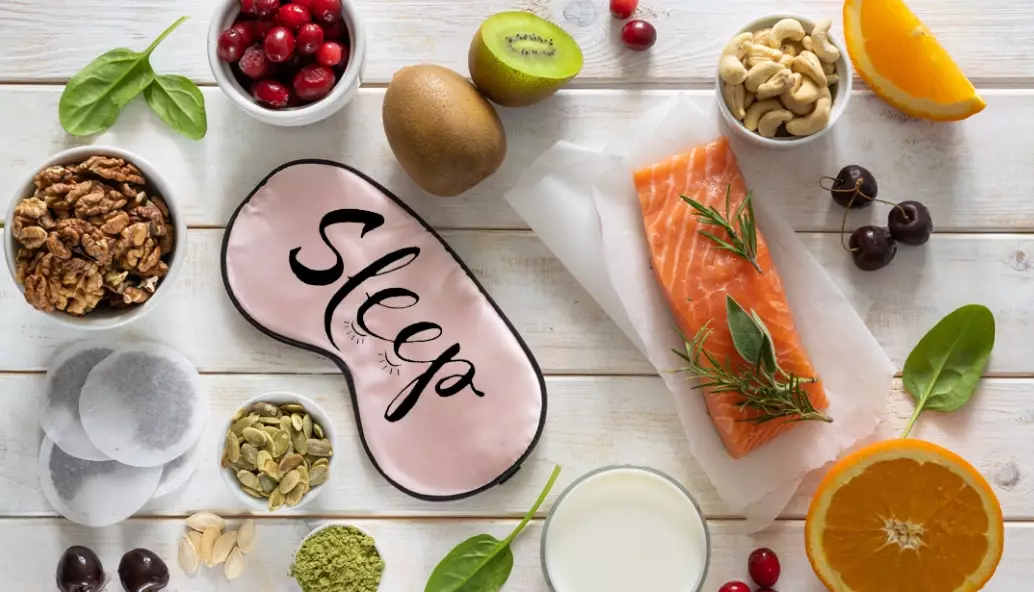
The Best Foods to Help You Sleep
This isn't a random list. These are foods with clinical or strong observational research backing their sleep-promoting potential.
1. Tart Cherries (or Tart Cherry Juice)
This is one of the few natural food sources of melatonin. A study published in the European Journal of Nutrition found that adults with insomnia who drank tart cherry juice concentrate twice daily slept longer and had better sleep efficiency. They're also anti-inflammatory, which can help with aches that keep you up.
How to use: About 1 cup of tart cherry juice or a handful of dried tart cherries 1 hour before bed.
2. Kiwifruit
Two kiwis before bed. That was the simple protocol in a study from Taiwan that found participants fell asleep 42% faster and slept more soundly. Kiwis are loaded with antioxidants, serotonin, and folate. Folate deficiency is linked to insomnia. It's a easy, low-calorie option.
3. Almonds and Walnuts
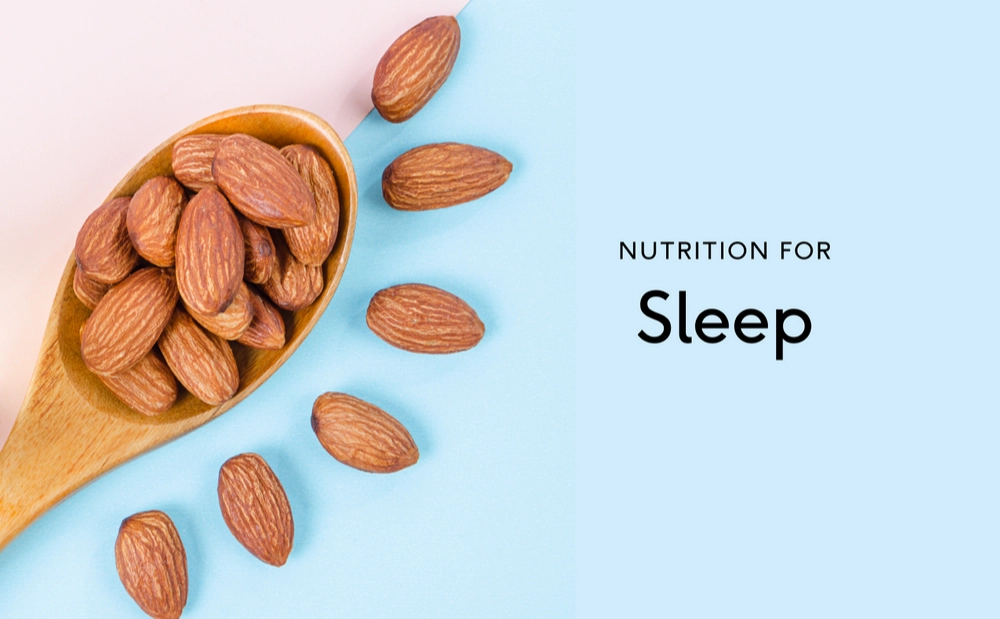
Almonds are a great source of magnesium, a mineral crucial for muscle relaxation and deep sleep. A handful (about 1 ounce or 23 almonds) also provides some melatonin. Walnuts contain their own melatonin and healthy fats that aid serotonin production. Avoid salted or honey-roasted versions.
4. Fatty Fish (Salmon, Tuna, Mackerel)
Why? Vitamin D and Omega-3 fatty acids. Research in the Journal of Clinical Sleep Medicine suggests a link between higher vitamin D levels and better sleep quality. Omega-3s may help increase serotonin production. Have salmon for dinner, not right before bed, to reap these benefits.
5. Complex Carbohydrates
Think oatmeal, whole-grain toast, or brown rice. They gently increase insulin, which helps tryptophan enter the brain. The key is complex carbs. Simple carbs (sugar, white bread) cause a blood sugar spike and crash, which can wake you up later. A small bowl of plain oatmeal with a sprinkle of cinnamon is a classic.
6. Herbal Teas: Chamomile & Valerian Root
Chamomile contains apigenin, an antioxidant that binds to brain receptors promoting drowsiness. Valerian root has been used for centuries, with some studies showing it helps people fall asleep faster. The ritual of a warm drink is also psychologically calming. Steep for a full 10 minutes for maximum effect.
| Key Sleep Nutrient | Primary Role in Sleep | Top Food Sources |
|---|---|---|
| Melatonin | Directly regulates sleep-wake cycle | Tart cherries, walnuts, oats, tomatoes |
| Magnesium | Muscle relaxation, GABA regulation | Almonds, spinach, pumpkin seeds, black beans |
| Tryptophan | Precursor to serotonin & melatonin | Turkey, chicken, milk, pumpkin seeds, soy |
| Potassium | Muscle function & relaxation | Bananas, sweet potato, avocado, spinach |
| GABA | Calms nervous system activity | Fermented foods (kimchi, tempeh), green tea, tomatoes |
Let's be real. You won't eat all these every night. Pick one or two that fit your taste and pantry.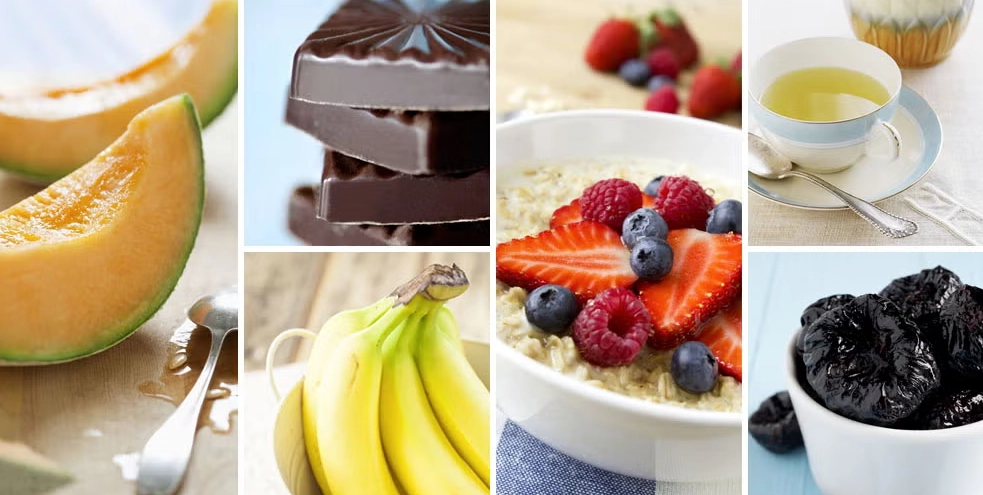
Combining Foods & The Perfect Timing
The magic often happens in combinations. Pairing a tryptophan source with a complex carb is more effective than either alone.
Practical Bedtime Snack Ideas (consume 60-90 min before sleep):
- Whole-grain crackers with a slice of turkey or cheese.
- A small banana with a tablespoon of almond butter.
- Half a cup of cottage cheese with a few tart cherries.
- A small bowl of unsweetened whole-grain cereal with milk.
- A warm mug of milk (dairy or fortified soy) with a dash of turmeric or cinnamon.
Dinner for Better Sleep (3-4 hours before bed): Focus on a balanced plate: a palm-sized protein (fish, chicken, lentils), a fist-sized portion of complex carbs (quinoa, sweet potato), and plenty of non-starchy vegetables. This prevents late-night hunger without causing digestive distress.
Timing is the secret sauce most blogs gloss over. A heavy, fatty meal within 2 hours of bed is a recipe for reflux and restlessness. A tiny, targeted snack an hour out? That's the sweet spot.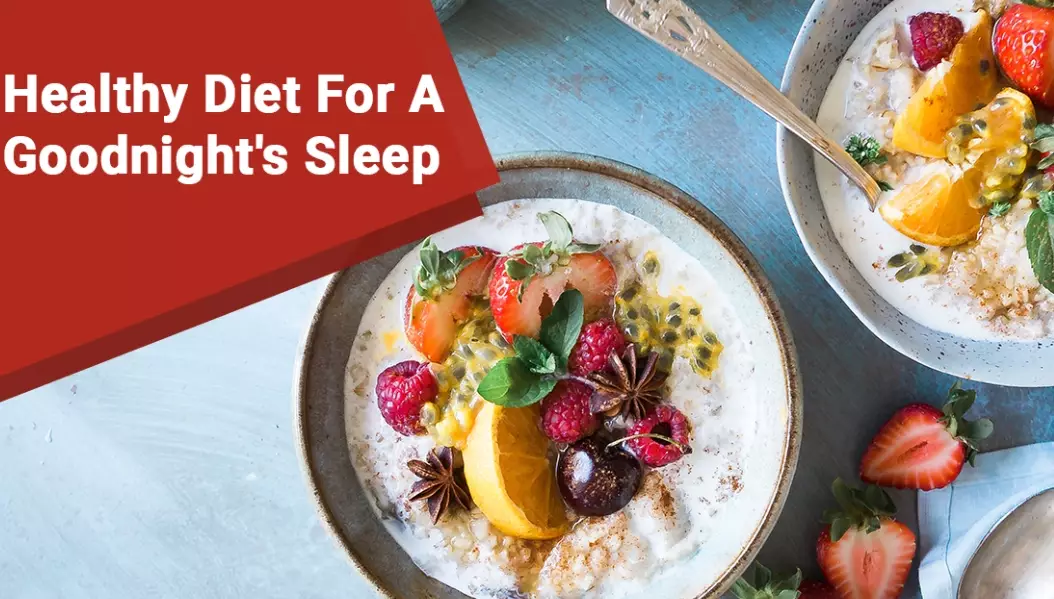
What Ruins Sleep (Common Mistakes)
Knowing what to avoid is half the battle. Here’s where people sabotage themselves.
Dark Chocolate as a Late-Night Treat: It contains caffeine and theobromine, both stimulants. Even a few squares can keep some people alert.
Spicy or Acidic Foods: Great for dinner, terrible close to bedtime. They're a leading cause of heartburn that flares up when you lie down.
The "Nightcap" Myth: Alcohol might make you drowsy initially, but it severely fragments sleep in the second half of the night, disrupting REM sleep. You wake up less rested.
Hidden Caffeine: It's not just coffee. Green tea, some herbal teas (like yerba mate), decaf coffee (which has trace amounts), and even some medications contain caffeine.
High-Fat, Large Meals: They demand significant digestive effort, raising your core body temperature and making it harder to fall into deep sleep.
Your Sleep & Food Questions Answered
 How long does it take for these food changes to improve my sleep?
The bottom line is simple. Your kitchen holds tools for better sleep. It's not about a single magic berry. It's about consistently choosing foods that give your body the right chemical signals at the right time. Start tonight. Skip the chips, grab a handful of almonds and a few tart cherries, and see if the ceiling becomes less interesting.
Reader Comments