You know the feeling. You clock seven or eight hours in bed, but you wake up feeling like you barely slept. The grogginess sticks with you all morning. Your brain feels foggy. That's often a sign your deep sleep—the most restorative phase of the sleep cycle—is getting short-changed. While perfecting your sleep environment and routine is job number one, the right supplements to increase deep sleep can be a powerful, evidence-based tool to tip the scales. Think of them as precision support for your brain's natural recovery processes, not a magic pill to replace good habits.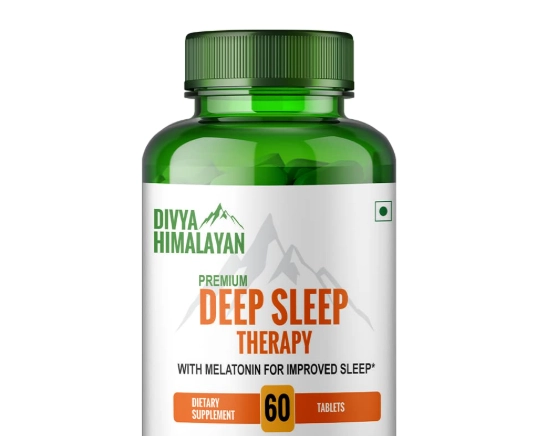
Your Quick Guide to Deep Sleep Supplements
Why Deep Sleep is Non-Negotiable (And How to Measure It)
Deep sleep, or slow-wave sleep, isn't just quiet time. It's when your body does its heaviest lifting. Growth hormone is released for tissue repair and muscle recovery. Your brain flushes out metabolic waste through the glymphatic system, a process linked to long-term brain health. Memories are consolidated from short-term to long-term storage. Skimp on deep sleep, and you're undermining your physical recovery, cognitive function, and emotional resilience.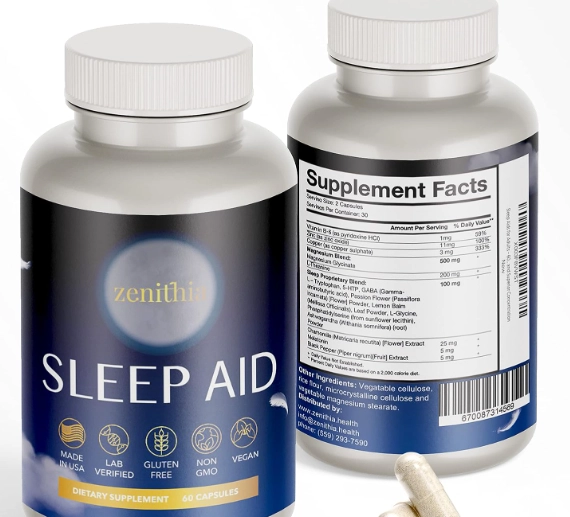
But how do you know if you're getting enough? You can't just guess.
Wearable sleep trackers (like Oura Ring, Whoop, or higher-end Garmin watches) give you a proxy metric. They estimate your deep sleep duration and percentage based on movement and heart rate variability. Look for a pattern, not a single night's data. If you're consistently below 15-20% of your total sleep time in deep sleep, there's room for improvement. The other, more telling sign is how you feel. Persistent unrefreshing sleep is a major red flag.
Top Supplements to Increase Deep Sleep: A Detailed Breakdown
Not all sleep aids are created equal. Some, like classic antihistamine-based pills, might knock you out but can actually reduce sleep quality and leave you groggy. The goal here is to support your body's own architecture for deep, restorative sleep. Here are the top contenders, based on clinical research and my experience working with clients over the years.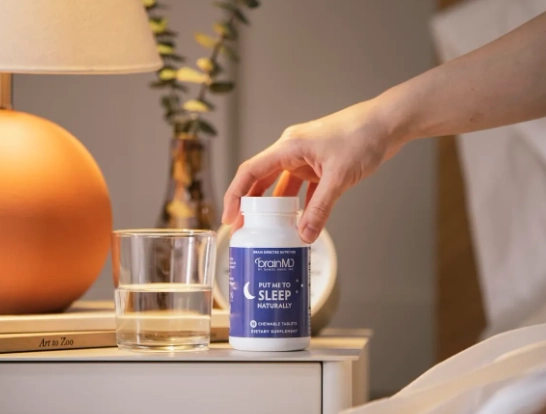
1. Magnesium: The Relaxation Mineral
This is my number one recommendation for a reason. Magnesium deficiency is surprisingly common, and this mineral acts as a natural relaxant for your nervous system. It regulates GABA, a neurotransmitter that calms nerve activity. The key most people miss? The form matters tremendously.
- Magnesium Glycinate/Glysinate: This is the gold standard for sleep. The glycine amino acid paired with magnesium has its own sleep-promoting effects (see below). It's highly bioavailable and gentle on the stomach. Dose: 200-400 mg about 30-60 minutes before bed.
- Magnesium L-Threonate: This newer form is touted for crossing the blood-brain barrier. Some research, including a study published in Neuron, suggests it may improve sleep quality and cognitive function. It's pricier, but for some, it's worth it.
- Avoid Magnesium Oxide for sleep. It's poorly absorbed and used more as a laxative.
2. Glycine: The Simple Amino Acid with a Powerful Punch
Glycine is fascinating. It's an inhibitory neurotransmitter that lowers core body temperature—a key signal for sleep initiation. A study in the journal Sleep and Biological Rhythms found that 3 grams of glycine before bed significantly improved subjective sleep quality and reduced daytime sleepiness. It's subtle; you might not feel "drowsy," but you'll fall asleep more smoothly and wake up feeling more refreshed. I often suggest trying glycine alone before stacking it with magnesium to feel its unique effect.
3. L-Theanine: For the Overactive Mind
If your deep sleep is sabotaged by racing thoughts or anxiety as soon as your head hits the pillow, L-Theanine is your ally. Found in green tea, it promotes alpha brain waves (associated with relaxed alertness) and increases GABA. It takes the edge off without causing sedation. For a pronounced effect, look for Suntheanine, a patented, pure form. Dose: 100-400 mg before bed.
4. Apigenin: The Chamomile Powerhouse
This is a flavonoid found in high concentrations in chamomile. It binds to GABA receptors similarly to benzodiazepines, but much more gently and without the dependency risk. Dr. Andrew Huberman popularized its use in the biohacking space. It's excellent for calming the nervous system. You can get it from strong chamomile tea or a supplement (typically 50mg).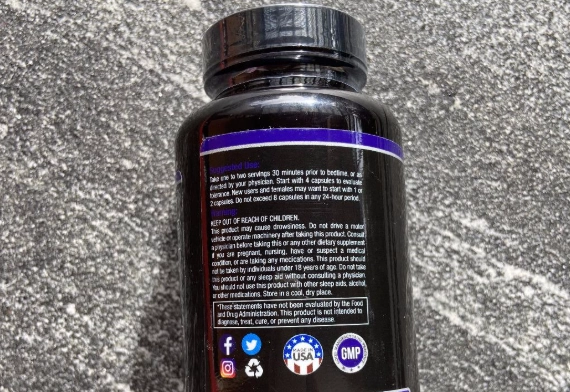
5. Adaptogens: For Stress-Related Sleep Disruption
When poor sleep is downstream of chronic stress, adaptogens like Ashwagandha (particularly KSM-66 or Sensoril extracts) and Rhodiola Rosea can be game-changers. They help regulate cortisol, your stress hormone, which should be low at night. High nighttime cortisol is a deep sleep killer. Take these earlier in the day (morning or afternoon) to modulate your stress response, not right at bedtime.
| Supplement | Primary Mechanism for Deep Sleep | Typely Dose (Before Bed) | Key Consideration |
|---|---|---|---|
| Magnesium Glycinate | Boosts GABA, relaxes nervous system & muscles | 200-400 mg | Best all-around; start here. |
| Glycine | Lowers core body temperature, inhibitory neurotransmitter | 3 grams (3000 mg) | Great for improving sleep quality perception. |
| L-Theanine | Increases alpha waves & GABA; reduces anxiety | 100-400 mg | Ideal for racing thoughts. |
| Apigenin | Binds to GABA receptors (gentle) | 50 mg or strong chamomile tea | Good for mild relaxation. |
| Ashwagandha | Lowers cortisol, modulates stress response | 300-600 mg (KSM-66) *Take in AM | For stress-driven insomnia. |
A note on melatonin: It's a hormone that regulates when you sleep (your circadian rhythm), not the quality of deep sleep. It's fantastic for jet lag or resetting a shifted schedule, but for chronic deep sleep issues, it's often not the primary answer and can sometimes cause morning grogginess or vivid dreams at higher doses (more than 0.5-1 mg).
How to Choose and Use Sleep Supplements Safely
Throwing a handful of pills at the problem is a recipe for disappointment and wasted money. You need a strategy.
Start with one. Begin with magnesium glycinate. Give it at least two weeks. Track how you feel upon waking and your energy levels in the morning. Use a notes app or a simple journal.
Consider your personal bottleneck. Is it physical tension? Stick with magnesium. A busy mind? Add L-Theanine. Do you feel "wired but tired" from stress? Consider a daytime adaptogen like ashwagandha.
Stack intelligently. The most common and synergistic stack is Magnesium Glycinate + L-Theanine + Apigenin. You get muscle relaxation, mental calm, and gentle GABA support. It's a powerful yet gentle trio.
Consult your doctor. This is non-negotiable if you are on any medications (especially for blood pressure, diabetes, or mental health), are pregnant, or have a kidney condition. Supplements can interact.
Quality matters. Look for brands that use third-party testing (like USP, NSF, or ConsumerLab.com verification). You don't want fillers or contaminants in your nightly regimen.
Beyond Pills: Foundational Habits for Deep Sleep
Supplements are support, not a substitute. If your habits are working against you, no pill will fix it. Here's what actually moves the needle for deep sleep:
- Light is your #1 regulator. Get bright, outdoor light in your eyes within 30-60 minutes of waking. This sets your cortisol pulse and starts the timer for melatonin release ~14 hours later. At night, ditch the blue light. Use blue-light blocking glasses after sunset or enable night mode on devices. It's not a gimmick.
- Keep it cool. Your body needs to drop its core temperature to initiate and maintain deep sleep. A bedroom temperature of around 65°F (18.3°C) is ideal. A hot shower 90 minutes before bed can help—the subsequent cooldown mimics the natural temperature drop.
- Consistency is king. Going to bed and waking up at roughly the same time every day (yes, even weekends) strengthens your circadian rhythm more than anything else.
- Manage the evening "brain dump." Write down your to-do list and worries an hour before bed. Get them out of your head and onto paper.
Ignore these, and you're basically pouring supplements into a bucket with a hole in the bottom.
Reader Comments