In This Article
Let's be real. You're probably reading this at 3 AM, scrolling on your phone, feeling utterly alone while the rest of the world is asleep. I've been there. The clock mocks you. Your mind races. Your body is tired, but sleep feels like a distant country you can't get a visa to. That feeling? That's the core of it. But insomnia symptoms are a whole universe of misery that goes way beyond just lying awake.
Most people think insomnia is simple. You can't fall asleep, boom, you have it. If only it were that straightforward. The reality is a tangled web of physical sensations, mental gymnastics, and emotional fallout that bleeds into every corner of your waking life. It's not just a night problem; it's a 24/7 condition that rewires how you function.
I want to walk you through what insomnia really looks and feels like. Not the textbook definition, but the gritty, daily reality. We'll unpack the obvious signs, the hidden ones nobody talks about, and the long-term effects that creep up on you. By the end, you'll have a clear map of this frustrating territory. You might even see your own experiences reflected here, and that's the first step toward untangling the knot.
The Core Insomnia Symptoms: What You Feel at Night
This is where it all starts. The nighttime experience. For many, this is the only part they recognize, but even here, there's variety. It's not a one-size-fits-all kind of awful.
The Big Three: How Sleep Eludes You
Experts often break down the initial sleep problem into three main types. Knowing which one you wrestle with is crucial.
- Sleep Onset Insomnia: This is the classic "tossing and turning" scenario. Your head hits the pillow, and... nothing. Your brain shifts into high gear. You replay awkward conversations from 2012, worry about work, or just stare at the ceiling wondering why sleep won't come. The threshold to cross into sleep feels impossibly high. For me, this was the worst. The anxiety about not sleeping would itself become the reason I couldn't sleep—a perfect, maddening loop.
- Sleep Maintenance Insomnia: You fall asleep okay, but it's a trap. You wake up in the middle of the night—2 AM, 3 AM, 4 AM—wide awake as if someone shouted your name. And then you're stuck. The second half of the night becomes a battle. This pattern is incredibly disruptive because it shatters your sleep architecture, preventing you from getting the deep, restorative stages you need.
- Early Morning Awakening: You wake up way too early (think 4 or 5 AM) and simply cannot drift off again. It's not that you feel refreshed; you feel robbed. Your body says it's still night, but your brain has flipped the "on" switch for the day. This is a common companion to stress and low mood.
Many people, myself included, experience a brutal combination of these. You might struggle to fall asleep, wake up multiple times, and greet the dawn hours before your alarm. It's a triple threat.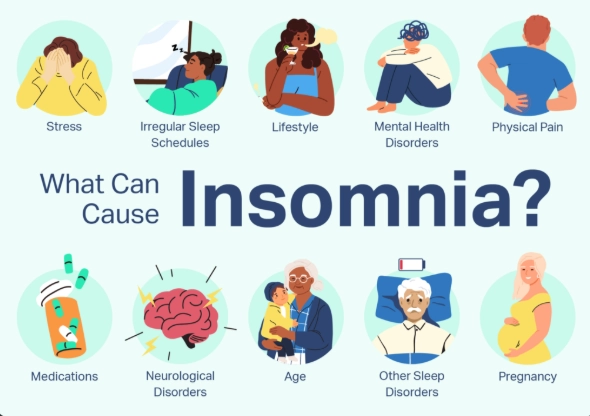
Beyond the Clock: The Physical and Mental Nighttime Experience
While how sleep is disrupted is important, the feelings that accompany it are what make it torture. These are the insomnia symptoms that don't always make the medical lists but are 100% real.
- A Body at War: You're exhausted, but your body feels tense. Your legs might feel restless or ache. Your heart can feel like it's beating just a little too hard in your chest. There's a weird, buzzy feeling of fatigue mixed with a jittery, wired energy. It's the worst of both worlds.
- The Mental Hamster Wheel: This is the hallmark for so many. Your thoughts won't line up. They sprint in chaotic circles—from mundane to-do lists to existential dread. You try to think of nothing, and your brain defiantly serves up the chorus of a song you hate. You try to force relaxation, and it backfires spectacularly.
- Sleep Effort Anxiety: This is a meta-symptom. You become hyper-aware of the process of trying to sleep. You monitor your breathing. You check the clock and calculate how many hours you have left. You try special techniques with desperate intensity. The harder you try to sleep, the more it slips away. The bed itself can start to feel like a place of frustration rather than rest.
Honestly, it's exhausting just writing about it. You're fighting your own biology, and it feels like a losing battle.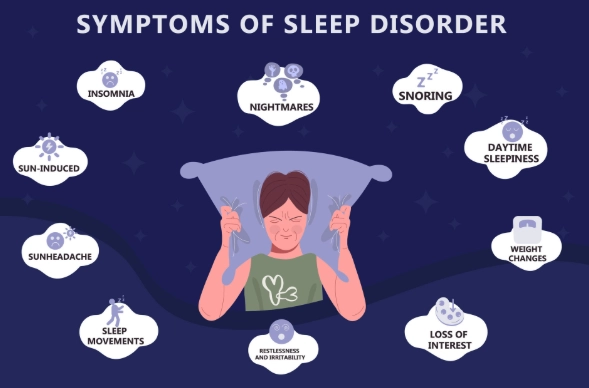
The Daytime Fallout: How Insomnia Symptoms Hijack Your Life
This is the part that often gets overlooked but is arguably more damaging. The night struggle sets the stage, but the daytime consequences are what truly erode your quality of life. Insomnia doesn't clock out at sunrise.
The Cognitive Toll: Brain Fog Is an Understatement
You know that feeling when your computer is running too many programs and starts to lag? That's your sleep-deprived brain.
Concentration goes first. Reading a paragraph and realizing you absorbed none of it. Forgetting why you walked into a room. Losing your train of thought mid-sentence. It's embarrassing and frustrating.
Memory gets fuzzy. Both short-term ("Where are my keys?") and the ability to consolidate new information suffer. Studies linked on resources like the National Institute of Neurological Disorders and Stroke site show how critical sleep is for memory formation. Without it, you're trying to save files on a corrupted hard drive.
Decision-making becomes a minefield. You become more impulsive or, conversely, paralyzed by simple choices ("What should I have for lunch?"). Your brain, running on empty, seeks shortcuts and avoids complex thinking.
It's not you being lazy. It's your brain running a severe energy deficit.
The Emotional Rollercoaster
This is a huge one. Sleep loss strips away your emotional resilience. The small stuff feels huge.
- Irritability: You're snappy, short-fused. The sound of someone chewing, a slow driver, a minor request from a colleague—it all feels like a personal attack. Your threshold for annoyance is basically zero.
- Anxiety and Mood Swings: The nighttime worry doesn't vanish with the sun. It lingers as a low-grade, pervasive anxiety. You might feel tearful for no clear reason or experience sudden dips in mood. The link between chronic sleep loss and conditions like depression and anxiety is very strong and well-documented.
- Feeling Overwhelmed: Normal daily tasks feel monumental. A full email inbox or a messy kitchen can trigger a sense of panic or helplessness. You lack the mental buffer to handle life's normal friction.
I remember snapping at a barista for putting too much foam on my latte. In that moment, it felt like a genuine tragedy. Later, caffeinated and ashamed, I realized how frayed my nerves were. That's the insomnia talking.
The Physical Symptoms You Can't Ignore
Your body keeps the score during the day, too.
First, there's the obvious fatigue and low energy. But it's a specific kind of tired—a heavy, groggy, unrefreshing feeling. Coffee becomes a lifeline, but it often just makes you a wide-awake zombie, jittery but not truly alert.
Then there are the aches. Headaches, especially tension headaches, are common companions. You might feel general muscle soreness or heaviness, as if you ran a marathon you don't remember.
Your coordination and reflexes can be off. You're clumsier. You might bump into doorframes or drop things more often. This has real safety implications for driving or operating machinery.
Your immune system takes a hit. You catch every cold that goes around. It takes longer to recover from minor illnesses. Research, including summaries available through the National Institutes of Health, consistently shows that poor sleep compromises immune function.
Let's put some of these daytime vs. nighttime symptoms side-by-side. It shows how the problem is a full-cycle issue.
| Nighttime Insomnia Symptoms | Daytime Insomnia Symptoms (The Fallout) |
|---|---|
| Difficulty falling asleep (Sleep Onset) | Severe morning fatigue, lack of energy |
| Frequent nighttime awakenings | Poor concentration & memory lapses |
| Waking up too early | Irritability, mood swings, anxiety |
| Restless, non-restorative sleep | Increased clumsiness & slow reflexes |
| Mental racing & anxiety in bed | Headaches, general aches/pains |
| Frustration about sleep itself | Getting sick more often |
Types of Insomnia and Their Symptom Profiles
Not all insomnia is created equal. The underlying cause can shape the symptoms you experience most acutely. Here's a quick rundown.
- Acute/Adjustment Insomnia: Short-term, usually linked to a clear stressor (a job loss, an exam, a fight). Symptoms are intense but often resolve when the stressor passes or you adapt.
- Chronic Insomnia Disorder: The big one. Symptoms persist for months or years. Often, the original cause is gone, but the poor sleep habits and anxiety about sleep have taken on a life of their own. This is where you see the full spectrum of symptoms entrenched.
- Comorbid Insomnia: This is insomnia that occurs alongside another medical or psychiatric condition (like chronic pain, asthma, depression, or anxiety). The symptoms of insomnia and the other condition feed off each other, making both worse. Treating just one often isn't enough.
Understanding which type you're dealing with is a job for a healthcare professional. It changes the treatment approach completely.
What Insomnia Is NOT: Clearing Up Confusion
This is important. A lot of people mislabel their sleep issues. Let's bust some myths.
Insomnia is not just "being a night owl." Delayed Sleep Phase Syndrome is a different circadian rhythm disorder where your natural sleep time is much later. If you can sleep soundly from 3 AM to 11 AM without an alarm, that's not necessarily insomnia—it's a shifted schedule.
It's not the same as sleep apnea. Sleep apnea involves repeated breathing interruptions during sleep. People with apnea may think they have insomnia because they wake up frequently (often gasping), but the cause is physical. The daytime sleepiness can be similar, but the root problem and treatment are different. This is why a sleep study can be so crucial.
It's not simply being too busy to sleep. Choosing to stay up late to work or binge a show is voluntary sleep restriction. Insomnia is involuntary. You have the time and the desire to sleep, but the ability is broken.
Common Questions People Actually Ask
When to Actually Worry: The Red Flags
Look, everyone has a bad night. But when does it cross the line from annoyance to "I need help"?
You should seriously consider talking to a doctor or a sleep specialist if:
- Your sleep problems (difficulty falling/staying asleep, early waking) happen at least 3 nights a week.
- This has been going on for 3 months or more.
- The daytime symptoms (fatigue, mood issues, cognitive problems) are noticeably messing with your work, relationships, or safety (like drowsy driving).
- You find yourself relying on alcohol or over-the-counter sleep aids just to get some rest.
- You have loud snoring, gasping for air at night, or severe restless legs—these suggest other sleep disorders that need specific treatment.
Don't let it become your normal. I did for years, and it just made the hole deeper to climb out of.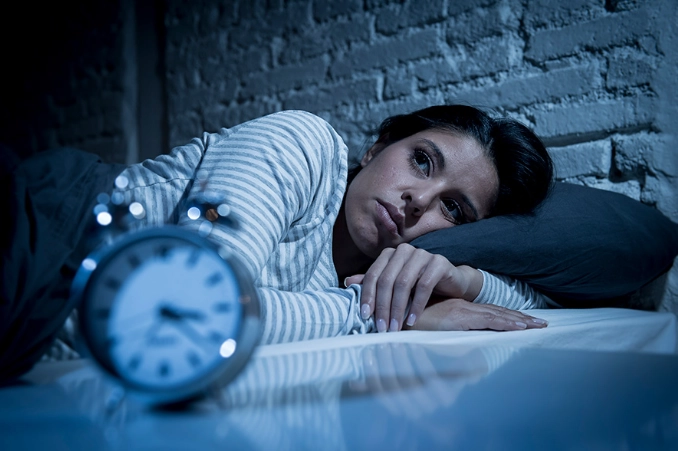
So, What Can You Do About It?
I'm not a doctor, and this isn't medical advice. But based on everything I've read and learned (from places like the Mayo Clinic's sleep resources) and my own long journey, here's the landscape of solutions.
The gold standard for treating chronic insomnia, often recommended before medication, is Cognitive Behavioral Therapy for Insomnia (CBT-I). It's not just talk therapy; it's a structured program that tackles the thoughts and behaviors keeping you awake. It involves sleep restriction (temporarily!), stimulus control, and cognitive restructuring. It's work, but it has the best long-term success rates.
Sleep hygiene is the foundation, but it's often oversold as a cure-all. It's necessary but rarely sufficient for chronic insomnia. Still, you gotta do it: dark, cool, quiet room; consistent schedule; no screens before bed; limiting caffeine and alcohol.
Medication? That's a complex conversation for you and your doctor. Things like prescription sleep aids or even certain antidepressants used off-label can be tools in the short-term. But they're not usually a long-term fix on their own. The over-the-counter stuff, like diphenhydramine? It might work a few times, but tolerance builds fast, and the side effects (next-day grogginess, dry mouth) can be rough. I personally found them to be a dead-end.
The goal isn't just to force yourself unconscious for 8 hours. The goal is to restore your natural ability to fall asleep and stay asleep without fear or struggle. That's a much taller order, but it's the only one that lasts.
Insomnia symptoms are a signal. They're your body and mind telling you something is out of balance. It might be stress, it might be a habit loop, it might be an underlying health issue. Ignoring the signal just turns up the volume.
Start by observing your own patterns without judgment. Keep a simple sleep log for two weeks—just jot down bedtime, wake time, and how you felt. Then take that information to a professional who can help you connect the dots. You don't have to white-knuckle your way through this alone. Understanding the full scope of insomnia symptoms is the powerful first step out of that 3 AM spiral.
Reader Comments