Quick Guide
- Is Sleeping 12 Hours Normal? Let's Set the Record Straight
- The 7 Most Common Reasons You're Saying "I Sleep 12 Hours a Day"
- When Should You Actually Worry? The Red Flags.
- So, What Do You Do? A Step-by-Step Action Plan
- Common Questions Answered (The FAQ You Actually Need)
- Final Thoughts: Your Path Forward
Let's be honest. Typing "I sleep 12 hours a day what is wrong with me" into a search bar is a pretty clear sign you're worried. And you should be. Needing that much sleep isn't normal for most adults, and that nagging feeling in your gut is there for a reason. It's your body's way of waving a red flag.
I remember a friend of mine, let's call him Mark, going through this exact thing. He'd crash for 10-12 hours on a Saturday and still need a nap by 3 PM. He joked about being a "sleep champion," but the jokes stopped when he started falling asleep during work calls. It wasn't laziness. Something was off.
So, if you're constantly thinking "I sleep 12 hours a day what is wrong with me," you've come to the right place. This isn't about shaming you or telling you to drink more coffee. We're going to dig into the real, medical and lifestyle reasons behind needing 12 hours of sleep, figure out when it's a genuine cause for concern, and most importantly, map out what you can actually do about it.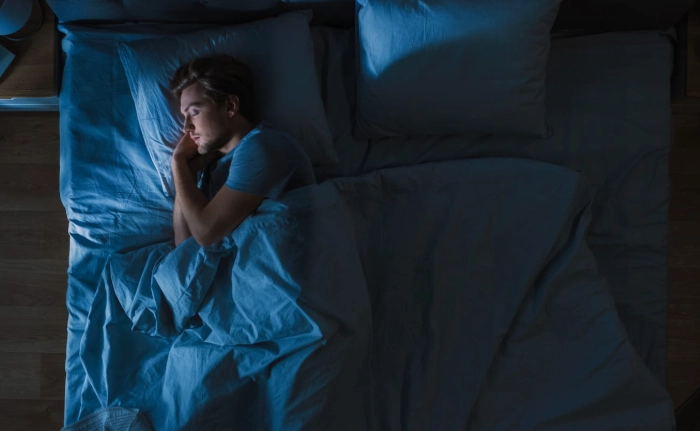
Is Sleeping 12 Hours Normal? Let's Set the Record Straight
First, a quick reality check. The whole "8 hours a night" thing is an average, not a rule. Some people genuinely need 9 hours to feel great. But 12? Consistently? For an adult without an extraordinary physical demand (like being a professional athlete in training), that's entering the territory of hypersomnia—the medical term for excessive daytime sleepiness or excessive time spent sleeping.
The National Sleep Foundation recommends 7-9 hours for adults. When you're consistently clocking in 3-5 hours over that upper limit, it's a signal. Your body is using sleep as a tool for something else, like repair, escape, or compensation.
Think of it this way: sleep is like your body's nightly maintenance crew. If the crew has to work a double shift every single night, it's because the building (your body) is either in worse shape than it should be, or the crew itself is inefficient.
The 7 Most Common Reasons You're Saying "I Sleep 12 Hours a Day"
This is the core of it. Why *you*? The causes range from simple lifestyle factors to serious medical conditions. Let's break them down, starting with the more common ones.
1. Your Sleep Quality is Terrible (Sleep Apnea)
This is a huge one, and often the culprit behind that desperate "I sleep 12 hours a day what is wrong with me" search. You might be in bed for 12 hours, but are you actually sleeping well? With a condition like obstructive sleep apnea (OSA), your breathing repeatedly stops and starts throughout the night.
Each pause (apnea) jolts your brain awake just enough to restart breathing, but not enough for you to remember it. You could have dozens, even hundreds, of these micro-awakenings per hour. The result? You spend the night in a shallow, fragmented sleep state, never getting enough deep, restorative sleep. Your body's response? Demand more time in bed to try and catch up on what it missed.
It's a vicious cycle. Bad sleep leads to more time in bed, which often doesn't fix the underlying problem. The American Academy of Sleep Medicine provides excellent resources on sleep apnea symptoms and diagnosis.
2. An Underlying Mental Health Condition (Depression & Anxiety)
Sleep and mood are intimately linked. For many people with depression, sleep disturbances are a core symptom. And it can go both ways: some experience insomnia, while others experience hypersomnia—sleeping excessively.
Sleep can become an escape. The world feels heavy, motivation is low, and bed is the only place that feels safe or neutral. It's not restful sleep so much as it is an avoidance mechanism. Similarly, severe anxiety can be mentally exhausting, leading your body to crash for extended periods. The fatigue from constant worry is real and profound.
If your thought process is, "I sleep 12 hours a day what is wrong with me," and you also feel persistently sad, hopeless, or overwhelmed by worry, this connection is crucial to explore. The National Institute of Mental Health details the relationship between sleep and depression.
3. A Direct Sleep Disorder: Idiopathic Hypersomnia or Narcolepsy
Sometimes, excessive sleep is the primary disorder itself, not a symptom of something else. Two key conditions here:
- Idiopathic Hypersomnia: "Idiopathic" means cause unknown. People with this disorder sleep excessively at night (often 10+ hours) and still struggle with severe daytime sleepiness. Naps are long and unrefreshing. It's as if the brain's sleep-wake switch is faulty.
- Narcolepsy: More known for sudden "sleep attacks," narcolepsy also often involves poor, fragmented nighttime sleep. The body can't maintain proper sleep-wake boundaries, leading to both insomnia at night and an irresistible need to sleep during the day.
These aren't conditions of willpower. They're neurological. If you wake up from 12 hours of sleep feeling like you've been hit by a truck, and the sleepiness feels uncontrollable, a disorder like this needs to be on your radar.
4. Your Body is Fighting Something (Medical Conditions & Deficiencies)
Sleep is a repair tool. When your body is fighting a chronic illness or dealing with a deficiency, it will demand more repair time. Conditions linked to excessive sleep include:
- Thyroid issues: An underactive thyroid (hypothyroidism) famously slows everything down, including your metabolism, leading to extreme fatigue.
- Chronic Fatigue Syndrome/Myalgic Encephalomyelitis (ME/CFS): This complex disorder is defined by debilitating fatigue that isn't improved by rest and is worsened by activity.
- Certain heart conditions: The heart struggling to pump efficiently can lead to low energy and a need for more rest.
- Nutrient deficiencies: Severe deficiencies in iron (leading to anemia), Vitamin B12, or Vitamin D can manifest as profound exhaustion.
The message here is clear: if you're sleeping 12 hours a day, a thorough medical check-up is non-negotiable. It's not dramatic; it's prudent.
5. You're Chronically Stressed or Burnt Out
This isn't the same as an anxiety disorder, but the line can be blurry. Modern life is a constant drip-feed of low-grade stress—work deadlines, financial pressure, family responsibilities. This constant activation of your nervous system is draining. Your adrenal system wasn't built to handle a perpetual state of "alert."
Eventually, the system can crash into a state of exhaustion, sometimes called adrenal fatigue (though this is a contested term in medicine) or more accurately, burnout. In this state, your body's only demand is for deep, prolonged rest to recover from the constant expenditure of energy. The sleep you get might feel heavy and hard to emerge from.
6. The Medications You're Taking
This one is easily overlooked. Many common medications list drowsiness or fatigue as a side effect. We're talking about:
- Certain antidepressants (e.g., some SSRIs, tricyclics)
- Anti-anxiety medications (benzodiazepines)
- Some blood pressure medications
- Strong allergy medications (antihistamines)
- Prescription pain medications
If your need for 12 hours of sleep coincided with starting a new medication, bring it up with your doctor. There might be an alternative.
7. Poor Sleep Hygiene and Lifestyle Factors
Sometimes, the cause is behavioral, which is good news because it's the most straightforward to fix. Ask yourself:
- Is your sleep schedule all over the place? (Shift work, wildly different bedtimes on weekends)
- Do you use screens right up until (or in) bed? The blue light murders melatonin production.
- Do you consume caffeine late in the day or alcohol before bed? (Alcohol sedates you but ruins sleep quality later in the night).
- Do you get zero natural sunlight or physical activity?
In these cases, you might be sleeping 12 hours because you're giving your body low-quality, inefficient sleep, so it demands more quantity to compensate for the lack of quality. It's a bad deal.
When Should You Actually Worry? The Red Flags.
Not every case of sleeping 12 hours is a five-alarm fire, but some signs mean you need to see a doctor, pronto. Don't wait.
| Red Flag Symptom | What It Might Indicate | Action Step |
|---|---|---|
| Waking up gasping for air or choking | Sleep Apnea - a serious respiratory condition. | See a doctor immediately; request a sleep study. |
| Sleepiness so severe you fall asleep in dangerous situations (e.g., while driving) | Narcolepsy or severe hypersomnia. | Stop driving and seek medical evaluation urgently. |
| Complete lack of refreshed feeling after 12 hours of sleep | Poor sleep quality (apnea) or a disorder like Idiopathic Hypersomnia. | Time for a professional sleep assessment. |
| Headaches upon waking, especially every day | Possible sleep apnea (from oxygen drops) or other issues. | Mention this specific symptom to your doctor. |
| Recent head injury followed by increased sleep need | Post-concussion syndrome or other brain injury effects. | Requires follow-up with a neurologist or specialist. |
| Feeling of paralysis when waking up (sleep paralysis) | Can be associated with narcolepsy. | Note the frequency and describe it to a sleep specialist. |
Look, I'm not a doctor, but I've read enough and talked to enough people who've been through this. Ignoring these red flags is like ignoring a check engine light. It might be a loose gas cap, or it might be your engine about to seize. You need a mechanic.
So, What Do You Do? A Step-by-Step Action Plan
Feeling overwhelmed? Don't be. Tackling "I sleep 12 hours a day what is wrong with me" is a process. Follow these steps.
For two weeks, track everything:
- Bedtime & wake time.
- Estimated time to fall asleep.
- Number of nighttime awakenings.
- How you feel upon waking (1-10 scale).
- Daytime naps (time and duration).
- Caffeine/alcohol intake and timing.
- Medications taken.
- General mood/energy notes.
Do this concurrently with Step 1. It's your baseline intervention:
- Fix your schedule: Go to bed and wake up at the same time every day, even weekends. Yes, really.
- Ban screens: No phones, tablets, or TVs for at least 60 minutes before bed. Read a physical book.
- Create a cave: Dark, cool (around 65°F or 18°C), and quiet. Use blackout curtains and maybe a white noise machine.
- Wind down: Develop a 30-minute pre-sleep ritual—light stretching, meditation, listening to calm music.
- Watch intake: Cut off caffeine by 2 PM. Avoid heavy meals and alcohol 3 hours before bed.
Bring your sleep diary. Your primary care physician is the starting gate. Expect them to:
- Review your full medical history.
- Run basic blood tests to check thyroid (TSH), iron/ferritin, Vitamin B12, Vitamin D, and other markers.
- Ask detailed questions about your sleep, mood, and energy.
- Based on findings, they may refer you to a specialist: a sleep specialist (pulmonologist, neurologist) for a possible sleep study (polysomnogram), a psychiatrist for mood evaluation, or an endocrinologist for hormonal issues.
A sleep study might sound intimidating, but it's often the key to unlocking the mystery. You sleep overnight in a lab (or sometimes at home with a kit) hooked up to monitors that track your brain waves, breathing, heart rate, and movement. It definitively diagnoses or rules out sleep apnea, narcolepsy, and other disorders. The Mayo Clinic has a great overview of what to expect during a sleep study.
Don't let a dismissive doctor stop you. If you feel brushed off with a "just get more exercise" (when you're too tired to exercise), seek a second opinion, preferably from a doctor affiliated with a sleep center.
Common Questions Answered (The FAQ You Actually Need)
Final Thoughts: Your Path Forward
If you took away one thing from this, let it be this: "I sleep 12 hours a day what is wrong with me" is a valid and important question. It's not you being lazy. It's your body sending a distress signal.
The path from confusion to solution starts with observation (the sleep diary), is followed by basic self-care (sleep hygiene), and almost always requires a professional medical opinion to rule out or treat the significant conditions we've discussed.
Start tonight. Put the phone away an hour early. Write down when you go to bed. Take one small step. This is how you stop being a passenger in your own exhaustion and start getting answers.
Reader Comments