You're staring at the ceiling again. The clock says 3 AM, and your mind is racing. Tomorrow is going to be a struggle. If this sounds familiar, you're not just "a bad sleeper" – you might be dealing with a treatable sleep disorder. The good news? Learning how to treat sleeping disorders is less about finding a magic pill and more about understanding a toolkit of strategies, from simple habit tweaks to professional therapies. I've spent years talking to sleep specialists and people who've turned their sleep around, and the path to better rest is clearer than you might think. Let's break it down.
What's Inside This Guide
First Steps: Ruling Out the Obvious Before Treatment
Before you dive into complex therapies, start with a detective phase. Many sleep issues are fueled by lifestyle factors or underlying health problems that, when addressed, make the core disorder much easier to manage.
Think of your body like a car. If the "check engine" light is on (insomnia, fatigue), you wouldn't just cover it up. You'd check the oil, the gas, the tire pressure first.
Here’s your pre-treatment checklist:
- Caffeine and Alcohol Audit: That 4 PM coffee might still be in your system at bedtime. Alcohol? It helps you fall asleep but wrecks the second half of your sleep cycle, leading to early waking. Cut off caffeine by 2 PM and limit alcohol close to bedtime.
- Screen Time Curfew: The blue light from your phone isn't the only villain. The engaging content (scrolling, emails) activates your brain. Try a one-hour screen-free buffer before bed. Read a physical book instead.
- Medical Check-Up: Talk to your doctor. Thyroid issues, anemia, chronic pain, anxiety, depression, and even certain medications can directly cause or worsen sleep disorders. Treating the root condition is step one.
- Sleep Environment Scan: Is your room cool, dark, and quiet? Invest in blackout curtains. Is your mattress a decade old and sagging? It might be time. This isn't frivolous; it's foundational.
A quick note from experience: I've seen people spend thousands on sleep gadgets before simply fixing a room that was 75 degrees Fahrenheit (too warm). The ideal sleep temperature is around 65°F (18°C). Start there. It's cheap and effective.
How to Treat Sleeping Disorders Without Medication
This is where most of the real, sustainable work happens. Medication has its place, but these behavioral and cognitive approaches are considered first-line treatment for disorders like chronic insomnia.
Sleep Hygiene: It's More Than Just a Buzzword
Sleep hygiene gets a bad rap for being oversimplified. It's not just "have a routine." It's about creating a powerful, consistent signal for your brain that says, "It's time to wind down." A disjointed routine tells your brain nothing.
Your routine should be boring and predictable. The same sequence, at roughly the same time, every night. Light stretching, brushing teeth, reading a few pages of a (non-thrilling) book, lights out. No checking work emails. No intense discussions. Boring is the goal.
Cognitive Behavioral Therapy for Insomnia (CBT-I)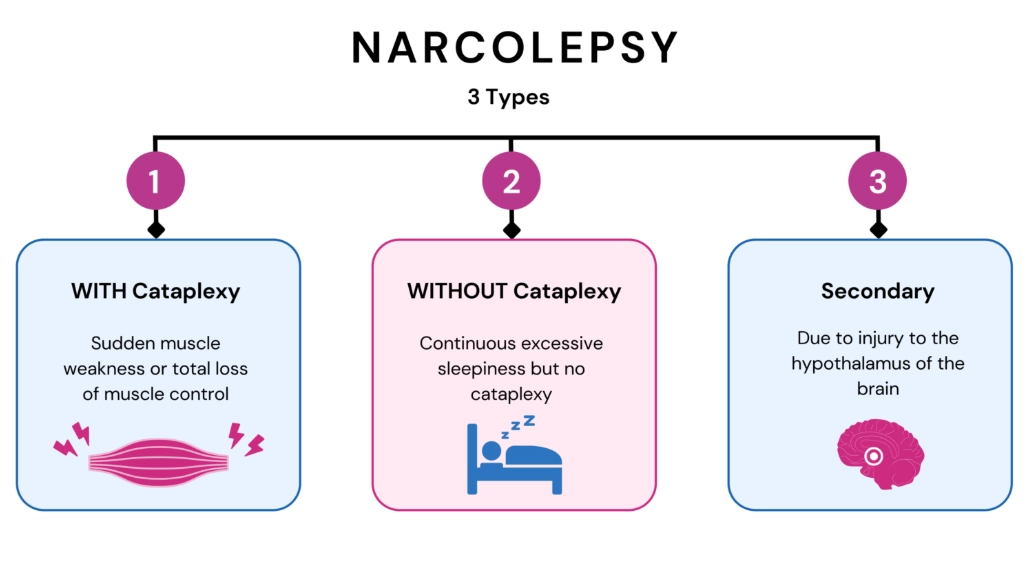
If you only take one thing from this guide, let it be CBT-I. It's the gold-standard, non-drug treatment for chronic insomnia, recommended by the American Academy of Sleep Medicine. It's not just talk therapy; it's a structured program that retrains your brain and habits.
CBT-I has several core components:
- Sleep Restriction: This sounds counterintuitive, but it works. You temporarily limit your time in bed to match your actual sleep time. If you're only sleeping 6 hours but in bed for 9, that's 3 hours of frustration and anxiety. By compressing it, you build a stronger drive to sleep and associate bed with sleeping, not lying awake.
- Stimulus Control: The rule is simple: bed is only for sleep and intimacy. If you're awake for more than 20 minutes, get up, go to another room, and do something quiet and dull until you feel sleepy. This breaks the mental link between bed and anxiety.
- Cognitive Restructuring: This tackles the catastrophic thoughts. "I'll never sleep!" "Tomorrow will be ruined!" CBT-I helps you identify and challenge these unhelpful beliefs, replacing them with more balanced ones.
You can find guided CBT-I programs online or work with a therapist. It requires effort, but the results are often permanent.
Mindfulness and Relaxation Techniques
When your mind is the enemy, you need to calm the system. Deep breathing, progressive muscle relaxation (tensing and relaxing each muscle group), and mindfulness meditation aren't just for yogis.
A simple practice: lie in bed and focus on the physical sensation of breathing. Don't try to change it. Just feel the air moving in and out. When your mind wanders (it will), gently bring it back to the breath. This isn't about achieving emptiness; it's about practicing letting go of the racing thoughts.
Professional Sleep Disorder Treatments: When to Seek Help
If you've tried the foundational steps for a few months with little improvement, or if your symptoms are severe (like falling asleep while driving), it's time to see a professional. This isn't failure; it's smart escalation.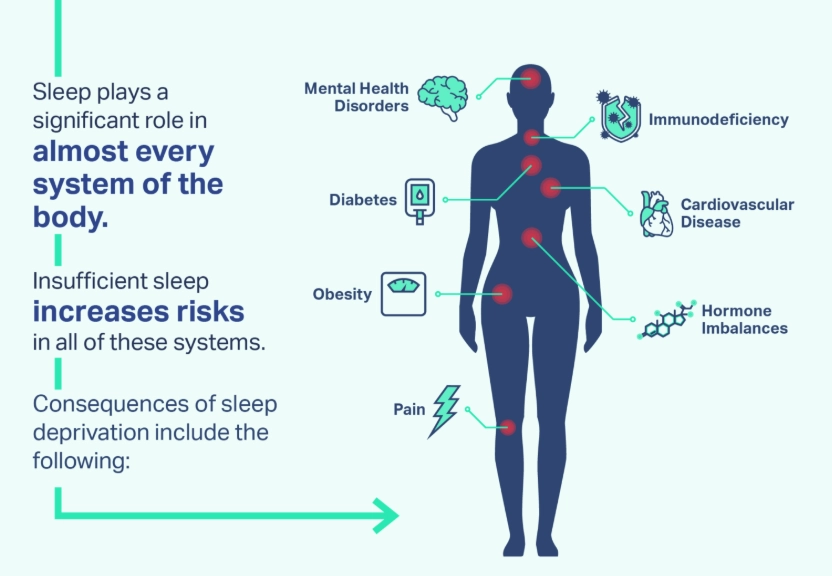
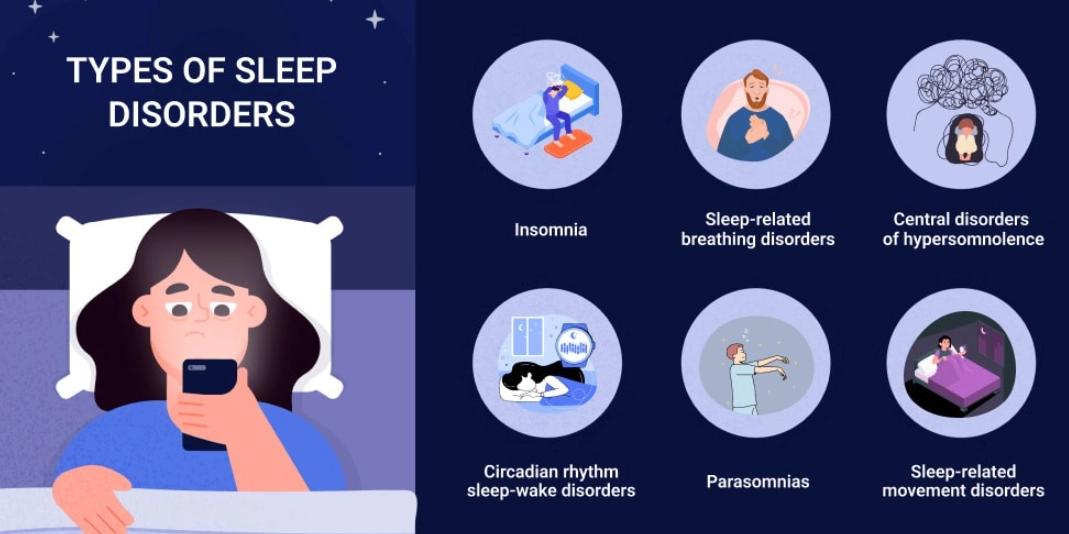
See a doctor immediately if you: snore loudly and gasp for air at night (signs of sleep apnea), have uncontrollable urges to move your legs (Restless Legs Syndrome), or experience episodes of muscle weakness when emotional (possible narcolepsy). These require specific medical diagnosis and treatment.
Diagnostic Tools: The Sleep Study
For disorders like sleep apnea, a sleep study (polysomnography) is essential. It's not always an overnight lab visit anymore. Often, you'll be given a take-home device that monitors your breathing, oxygen levels, and heart rate. This data is crucial for getting the right treatment, like a CPAP machine for apnea.
Medical and Device-Based Treatments
- CPAP Therapy: For obstructive sleep apnea, a Continuous Positive Airway Pressure machine is the frontline treatment. It keeps your airway open with a gentle stream of air. Yes, the mask takes getting used to, but the difference in daytime energy and long-term health is profound.
- Prescription Medications: Drugs like zolpidem or eszopiclone can be useful for short-term situations (severe jet lag, acute stress). The key word is short-term. They are not a long-term solution due to risks of dependence, tolerance, and side effects like next-day drowsiness. They should always be used under close supervision of a doctor who understands sleep medicine.
- Specialized Therapies: For circadian rhythm disorders, light therapy (using a bright light box in the morning) can be incredibly effective to reset your internal clock. For RLS, specific medications that affect dopamine or iron levels can help.
Common Mistakes People Make When Trying to Fix Sleep
Here's where that "10-year experience" perspective comes in. I've seen these patterns derail progress time and again.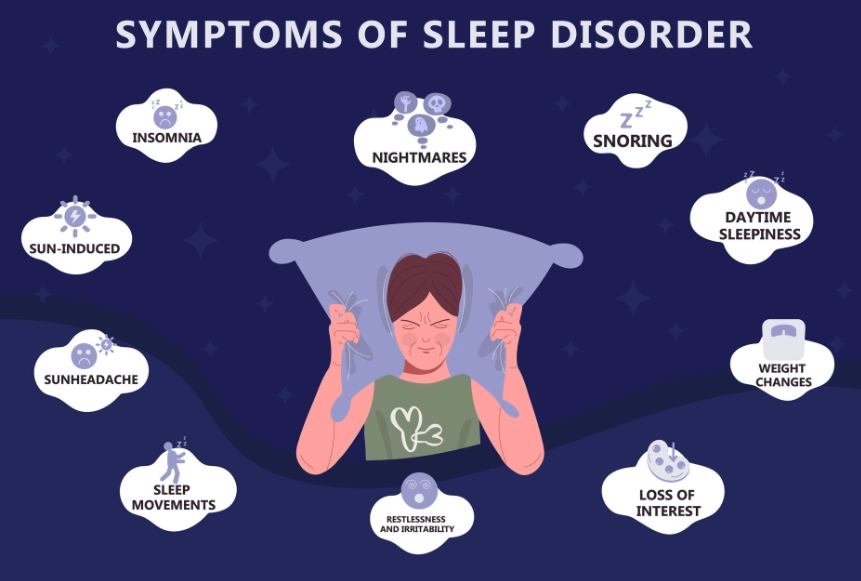
Mistake 1: The Weekend Sleep-In. You think you're catching up, but sleeping in more than an hour past your weekday wake-up time throws your circadian rhythm out of whack. It's like giving yourself jet lag every Sunday night. Keep your wake-up time consistent, even on weekends.
Mistake 2: Lying in Bed Trying Harder to Sleep. Sleep is a passive process. You can't force it. The more you try, the more anxious you become, and the further sleep retreats. This is why the "get out of bed" rule from stimulus control is so vital.
Mistake 3: Over-Reliance on Sleep Trackers. These devices can create orthosomnia – an unhealthy obsession with perfect sleep data. If the tracker says you had "poor sleep," you feel terrible all day, even if you feel okay. Use them as a general guide, not a gospel. Your subjective feeling matters more.
Mistake 4: Giving Up on a Therapy Too Soon. CBT-I or adjusting to a CPAP can be challenging in the first few weeks. Progress isn't linear. Stick with the protocol for the recommended duration (usually 6-8 weeks for CBT-I) before deciding it doesn't work.
Your Sleep Treatment Questions Answered
 How long does it take to see results from non-medication sleep treatments?
 The journey to treat a sleeping disorder isn't a straight line. It involves some trial and error, patience, and often, professional guidance. Start with the fundamentals—your habits and environment. If that's not enough, don't hesitate to seek out a sleep specialist who can offer a proper diagnosis and guide you through therapies like CBT-I. The goal isn't just more sleep; it's better, more restorative sleep that helps you feel human again during the day. You can get there.
Reader Comments