Sleep gets trickier as we get older. You might find yourself staring at the ceiling at 3 AM, or waking up feeling like you never really slept. It's incredibly common. Before you reach for just anything, know this: the best natural sleep aid for an elderly person isn't a single magic pill. It's a smart, safe combination of understanding your body's new rhythms and choosing the right supportive tools.
Prescription sleep medications often come with a heavy side-effect burden for seniors—dizziness, confusion, increased fall risk. That's why so many are turning to natural alternatives. But the internet is full of conflicting advice. Is melatonin safe? Does valerian root actually work? What about that magnesium everyone's talking about?
Let's cut through the noise. This guide is built on practical science and a realistic look at what works for the aging body.
What You'll Find in This Guide
Why Sleep Changes with Age (It's Not Just You)
First, a bit of reassurance. Fragmented sleep, earlier bedtimes, and waking up before dawn aren't always a sign of a disorder. Often, they're a normal part of aging. Your body produces less melatonin, the sleep-signaling hormone. Your sleep architecture changes, meaning you spend less time in deep, restorative sleep. Bladder changes, arthritis pain, or medications can cause nighttime disruptions.
The goal isn't to chase the 8-hour uninterrupted sleep of your 30s. It's to improve the quality of the sleep you get and manage the wakeful periods more peacefully. That's where natural aids can be incredibly effective—not as a cure-all, but as part of a broader toolkit.
Top 5 Natural Sleep Aids for the Elderly, Ranked by Science & Safety
Here’s a breakdown of the most researched and commonly used natural sleep aids for seniors. Think of this as your menu—each option has its best use case.
| Aid | Best For | Typical Senior Dose | Key Consideration |
|---|---|---|---|
| 1. Melatonin | Resetting the sleep-wake cycle (jet lag, early waking). | 0.5 mg - 3 mg, 1-2 hrs before bed. | Less is often more. Start with 0.5mg. Use immediate-release for sleep onset, timed-release for staying asleep. |
| 2. Magnesium Glycinate | Overall relaxation, muscle cramps, restless legs. | 200 mg - 400 mg elemental magnesium, with dinner. | Glycinate form is well-absorbed and gentle on the stomach. Avoid oxide. |
| 3. L-Theanine | Quieting a racing mind, anxiety-related insomnia. | 100 mg - 200 mg, 30-60 min before bed. | Promotes relaxation without sedation. Found naturally in green tea. |
| 4. Valerian Root | Improving sleep quality and time to fall asleep over time. | 300 mg - 600 mg extract, 30-60 min before bed. | Can take 2-4 weeks for full effect. Has a strong odor. Check for liver interactions. |
| 5. Chamomile | Mild relaxation, a calming bedtime ritual. | 1-2 cups of strong tea, 45 min before bed. | Very safe but mild. Can interact with blood thinners (warfarin). |
Melatonin: The Clock Regulator
Melatonin isn't a sedative. It's a hormone that tells your brain, "It's dark, time to wind down." As we age, our pineal gland produces less of it. A small, supplemental dose can be incredibly effective for circadian rhythm issues. The biggest mistake people make? Taking too much. Studies from the National Center for Complementary and Integrative Health suggest low doses (0.3mg to 1mg) are often as effective as higher ones for sleep onset, with less risk of morning grogginess or vivid dreams.
If you wake up at 4 AM and can't get back to sleep, a tiny dose of immediate-release melatonin at bedtime might help shift your clock later. If you fall asleep fine but wake up multiple times, a timed-release formula could provide a gentle, extended signal.
Magnesium: The Relaxation Mineral
Magnesium deficiency is common in older adults, and this mineral is a co-factor in hundreds of processes, including muscle relaxation and nervous system regulation. Magnesium glycinate is my top recommendation. It's highly bioavailable and the glycine itself has calming properties. I've seen it make a noticeable difference for seniors with restless legs or those who feel physically tense at night. Take it with food to enhance absorption and avoid any stomach upset.
How to Choose and Use Natural Sleep Aids Safely
Throwing five different supplements at a sleep problem is a bad idea. You won't know what's working and you increase the risk of interactions.
Start low, go slow. This is the golden rule. Begin with the lowest possible dose of one supplement. Give it at least a week, maybe two, to assess its effects. Your grandmother's system is more sensitive than yours.
Consider combination formulas carefully. A sleep blend containing melatonin, magnesium, and L-theanine can be convenient, but you lose control over dosing each component. If you react poorly, you won't know which ingredient caused it. I usually advise starting with single ingredients to isolate their effects.
Track your sleep. Don't just rely on memory. Use a simple notebook or a basic app to note what you took, the dose, what time you went to bed, how long it took to fall asleep, and how you felt in the morning. This data is priceless for you and your doctor.
Beyond Supplements: Holistic Sleep Strategies That Make a Difference
No supplement can overcome poor sleep hygiene. These non-pill strategies are foundational and often more powerful than any aid.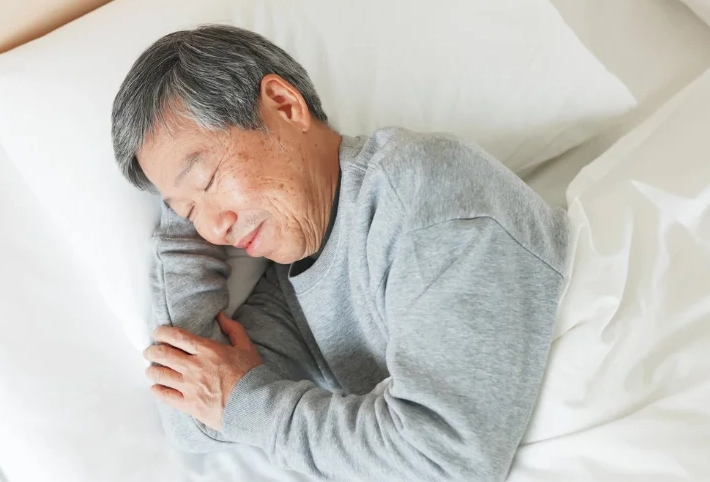
Light is your most powerful tool. Get bright, natural light exposure in the first hour of waking. This powerfully resets your circadian clock. Conversely, dim the lights and reduce blue light from screens 2 hours before bed. Amber reading lights are a great investment.
Reframe the nighttime wake-up. If you wake up and can't fall back asleep within 20 minutes, get out of bed. Go to a dimly lit chair and read a physical book (nothing stimulating). Do a quiet, repetitive activity like knitting. The goal is to break the anxiety loop of "I need to sleep!" Return to bed only when you feel sleepy.
Mind the temperature. Core body temperature needs to drop to initiate sleep. A cool bedroom (around 65-68°F or 18-20°C) is ideal. A warm bath 1-2 hours before bed can actually help—as you get out, your body temperature drops, signaling sleepiness.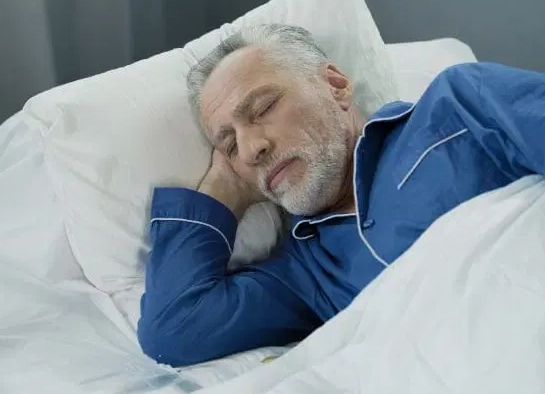
Your Top Questions on Senior Sleep, Answered
The journey to better sleep as a senior is personal. It requires patience and a bit of experimentation. Start with the foundation—light, routine, and a cool, dark room. Then, consider adding one natural aid that matches your specific challenge, always in partnership with your healthcare provider. Better sleep is absolutely within reach.
Reader Comments