You drag yourself out of bed, powered by caffeine, only to hit a wall by mid-afternoon. Your brain feels foggy, your body heavy. The question "what vitamin should I take if I always feel sleepy?" becomes a daily Google search. I get it. I've been there, and so have countless clients who came to me thinking a single magic pill was the answer.
Let's cut to the chase: chronic fatigue is rarely about just one vitamin. It's a signal. Your body's way of saying something's off. While specific vitamin deficiencies are a common and correctable cause, blindly taking supplements is like putting a band-aid on a leaky pipe. You might see a temporary fix, but the underlying problem remains. The real goal is to identify which nutrient, if any, is lacking in your unique body and lifestyle, and then address it effectively.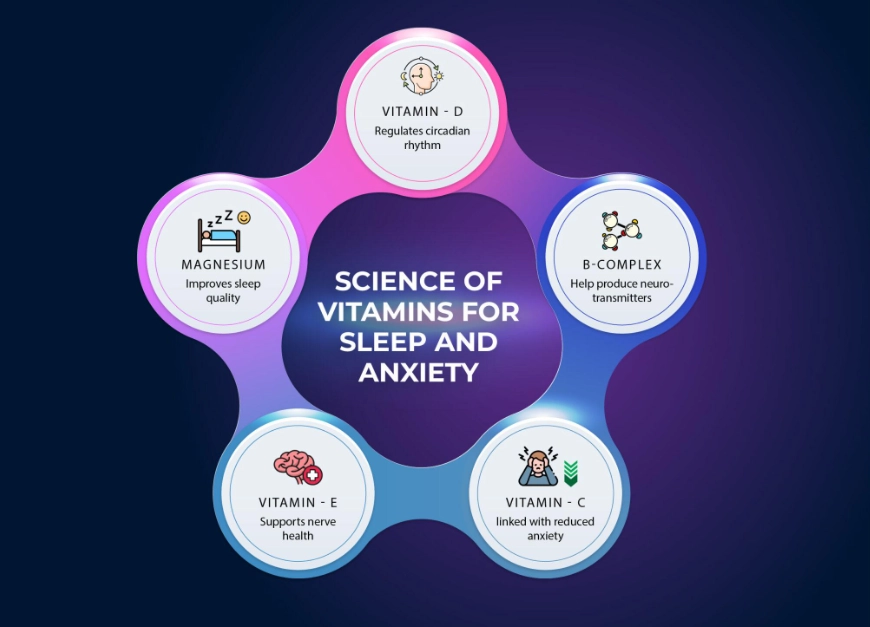
What's Inside: Your Quick Guide
Why "Always Tired" Isn't Always a Vitamin Problem
Before we dive into bottles and dosages, we need to zoom out. Fatigue is complex. When someone asks me what vitamin they should take, my first response is a series of questions. How's your sleep quality, not just quantity? Are you staring at screens until midnight? What does your stress level look like? Are you drinking enough water? Dehydration is a massive, overlooked energy zapper.
Then there's diet. You could be eating enough calories but living on processed foods that are devoid of the very nutrients we're about to discuss. It's a paradox—well-fed but malnourished.
Medical conditions like thyroid issues, anemia, sleep apnea, or even depression can manifest as relentless tiredness. If your fatigue is severe, persistent, and impacting your daily life, talking to a doctor is non-negotiable. Rule out the big stuff first. Supplements can support, but they don't treat underlying disease.
A common mistake I see: People start taking an iron supplement because they heard it helps with energy, without knowing if they're deficient. Excess iron can be harmful. Similarly, mega-dosing B-vitamins can sometimes lead to nerve issues. Testing, not guessing, is the expert move.
The Key Vitamins and Minerals for Fighting Fatigue
Assuming lifestyle and medical causes are being addressed, let's look at the usual suspects. These are the nutrients most frequently linked to low energy production at a cellular level.
B Vitamins: Your Body's Energy Spark Plugs
Think of B vitamins as the crew that helps convert the food you eat into fuel (ATP). A shortage here means inefficient energy production. B12 and Folate (B9) are the superstars for fatigue.
Vitamin B12 is crucial for nerve function and red blood cell formation. Deficiency is common, especially in vegetarians/vegans, older adults, and people with digestive issues. Symptoms go beyond tiredness to include brain fog, numbness, and weakness.
Folate (B9) works hand-in-hand with B12. Without enough folate, your red blood cells can't mature properly, leading to a type of anemia that causes fatigue and shortness of breath.
Most people benefit from a B-Complex supplement rather than isolating single Bs. They work synergistically.
Vitamin D: The Sunshine Hormone
Calling Vitamin D just a "vitamin" is a disservice; it acts like a hormone. Widespread deficiency is linked to low mood and profound fatigue. If you work indoors, live far from the equator, or always wear sunscreen, your levels might be low. The National Institutes of Health (NIH) notes its role in immune and neuromuscular function. Low levels can make you feel achingly tired.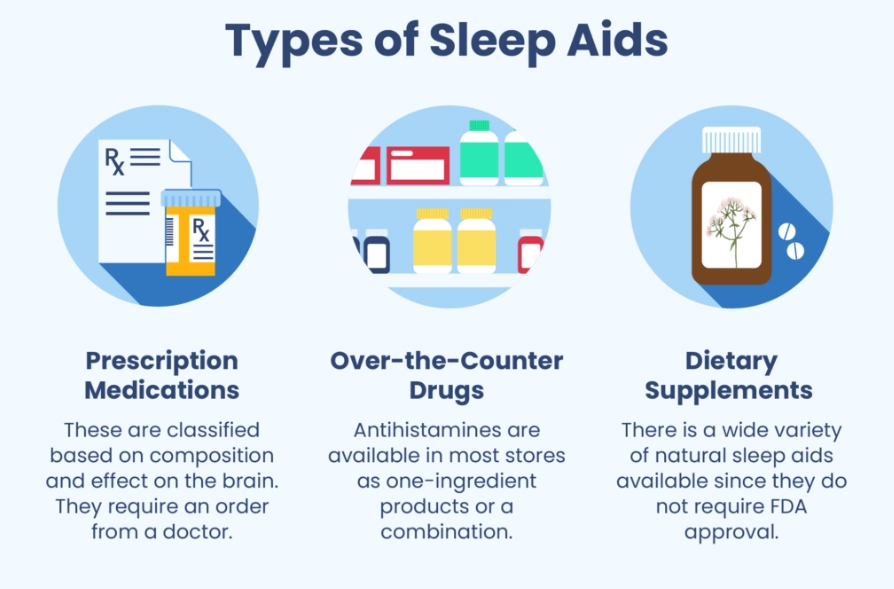
Iron: The Oxygen Taxi
Iron's job is to carry oxygen in your blood to your tissues and muscles. No oxygen, no energy. Iron-deficiency anemia is a classic cause of fatigue, particularly in menstruating women. You might feel weak, look pale, get short of breath easily, and have restless legs. The catch? Taking iron when you don't need it can cause constipation and oxidative stress. A simple blood test (checking ferritin, not just hemoglobin) can clarify.
Magnesium: The Relaxation Mineral
Involved in over 300 enzymatic reactions, magnesium helps with muscle relaxation, nerve function, and sleep quality. Chronic stress depletes magnesium. Low levels can leave you feeling wired but tired—unable to truly unwind. It's less about direct energy production and more about supporting the systems that allow you to recover and recharge.
| Nutrient | Primary Role in Energy | Best Food Sources | Signs You Might Be Low |
|---|---|---|---|
| B Vitamins (Complex) | Convert food into cellular fuel (ATP) | Whole grains, eggs, meat, legumes, leafy greens | Fatigue, brain fog, irritability, mouth sores |
| Vitamin D | Regulates mood, immunity, and muscle function | Sunlight, fatty fish, fortified dairy/plant milk | Persistent tiredness, low mood, frequent illness, bone/muscle pain |
| Iron | Carries oxygen in blood for energy production | Red meat, spinach, lentils, fortified cereals | Extreme fatigue, paleness, shortness of breath, dizziness |
| Magnesium | Supports muscle/nerve relaxation and sleep | Nuts, seeds, spinach, black beans, avocados | Muscle cramps, anxiety, trouble sleeping, fatigue |
How to Choose and Take Supplements Safely
So, you've considered the bigger picture and suspect a deficiency might be part of your fatigue puzzle. Now what?
Step 1: Test, Don't Guess. Ask your doctor for a nutrient panel. It should include Vitamin D (25-hydroxy), B12, Folate, Ferritin (for iron stores), and a Complete Blood Count (CBC). This data is gold. It tells you exactly where to focus your efforts and money.
Step 2: Quality Matters. The supplement industry is poorly regulated. Look for brands that undergo third-party testing for purity and potency, like those with USP, NSF, or ConsumerLab seals. Cheap store brands often use less absorbable forms.
Step 3: Form and Timing.
- B Vitamins: Take a B-complex with food in the morning. They can be slightly stimulating.
- Vitamin D: Fat-soluble, so take with a meal containing fat for better absorption. Many find taking it in the morning supports circadian rhythm.
- Iron: Take on an empty stomach with vitamin C (like orange juice) to boost absorption. If it upsets your stomach, take it with a small amount of food. Avoid taking it with calcium or coffee, which block absorption.
- Magnesium: Forms like glycinate or citrate are well-absorbed. Take in the evening—it promotes relaxation and can improve sleep quality.
Step 4: Patience and Consistency. Correcting a deficiency isn't overnight. It often takes 4-8 weeks of consistent supplementation to feel a noticeable difference in energy levels. Don't jump from one supplement to another every few days.
What to Do Before You Even Think About Supplements
Let's be real. Popping a pill is easier than changing habits. But the foundation matters more. If your lifestyle is a mess, no supplement will save you.
Start here: Sleep Hygiene: This is your number one tool. Aim for 7-9 hours. Create a dark, cool, quiet cave for sleep. Ditch screens 60-90 minutes before bed. The blue light murders melatonin production. A consistent sleep schedule, even on weekends, trains your body.
Hydration: Even mild dehydration reduces blood volume, making your heart work harder to pump oxygen, leaving you tired. Drink water consistently throughout the day. Herbal teas count too.
Blood Sugar Balance: Ditch the sugary snacks and refined carbs. They cause energy spikes and crashes. Pair carbs with protein, fat, and fiber (e.g., apple with peanut butter) for sustained energy.
Move Your Body: It seems counterintuitive when you're tired, but regular, moderate exercise (a brisk 30-minute walk) boosts mitochondrial function and improves sleep. Don't overdo it—excessive intense exercise can worsen fatigue.
Build these pillars first. Then, use targeted supplements to fill in the nutritional gaps that even a good diet might miss.
Your Fatigue Questions, Answered
 I've heard CoQ10 is great for energy. Should I take it?
Reader Comments