Your Sleep Guide Highlights
- Why Bother? The Real Cost of Skipping on Good Sleep
- What Does Good Sleep Actually Look Like? (It's Not Just 8 Hours)
- Building Your Sleep Sanctuary: Environment is Everything
- Your Nightly Wind-Down: The Ritual for Good Sleep
- Fixing Common Sleep Saboteurs
- The Daytime Habits That Set You Up for Good Sleep
- Putting It All Together: Be Patient and Consistent
Let's be honest. We've all been there. Staring at the ceiling at 3 AM, brain buzzing like an angry beehive, while the clock mocks you with every passing minute. You know you need to be up in a few hours, but sleep feels like a distant country you can't get a visa to. I've been there more times than I care to admit. And the next day? Foggy, irritable, reaching for that third coffee just to feel human. It's a miserable cycle.
But what if I told you that getting a good night's sleep isn't some mystical talent reserved for babies and cats? It's actually a skill. And like any skill, it can be learned, practiced, and mastered. This isn't about quick fixes or magic pills. It's about understanding how your body and brain actually work when the lights go out, and then giving them what they need. That's what this whole guide is about – moving from frustrated and tired to consistently getting that deep, restorative good sleep we all crave.
It's more than just not feeling tired. Real, good sleep is the foundation of everything. Your mood, your focus, your immune system, even your waistline – they all depend on it. So let's ditch the one-size-fits-all advice and dig into what actually works.
Why Bother? The Real Cost of Skipping on Good Sleep
We often treat sleep like a luxury, something we can borrow from to get more done. Big mistake. Think of sleep not as downtime, but as critical maintenance time for your body and brain. It's when the real work happens.
During a proper night of good sleep, your brain isn't just offline. It's busy filing memories, making connections from the day's learning, and flushing out metabolic waste products (think of it as taking out the brain's trash). Miss that process, and things get clogged up. Your body uses this time to repair muscles, regulate hormones like ghrelin and leptin (which control hunger), and strengthen your immune defenses. The Centers for Disease Control and Prevention (CDC) flat-out calls insufficient sleep a public health problem, linking it to chronic diseases from heart disease to diabetes.
So, aiming for good sleep isn't about being lazy. It's about being effective, healthy, and sane. It's the single biggest upgrade you can make to your daily performance, and it's free.
What Does Good Sleep Actually Look Like? (It's Not Just 8 Hours)
We get hung up on the magic "8-hour" number, but quality trumps quantity every time. You can be in bed for 9 hours and still wake up feeling terrible if the quality was poor. So what are we aiming for?
Good sleep means you fall asleep within 15-20 minutes of lying down. You sleep through most of the night, maybe waking once briefly (to use the bathroom, for instance) but falling back asleep easily. You cycle smoothly through the different sleep stages multiple times. And in the morning, you wake up feeling refreshed, not needing an alarm clock to drag you out of a coma. That's the goal.
To understand quality, you need to know about the cycles. Sleep isn't one long, flat state. It's a series of cycles, each lasting about 90 minutes, that repeat through the night.
| Sleep Stage | What Happens | Why It's Important for Good Sleep |
|---|---|---|
| N1 (Light Sleep) | The transition from awake to asleep. Muscle activity slows, easy to be awakened. | The gateway into sleep. Poor sleep hygiene can cause frequent awakenings here. |
| N2 (Light Sleep) | Body temperature drops, heart rate slows. You spend about 50% of the night here. | Important for memory consolidation and processing the day's information. |
| N3 (Deep Sleep) | "Slow-wave" sleep. Very hard to wake up. This is when tissue growth and repair happens. | Critical for physical recovery, immune function, and feeling restored. This is the gold standard of good sleep. |
| REM Sleep | Rapid Eye Movement. Brain is active, dreams occur, muscles are paralyzed. | Essential for emotional regulation, learning, and memory. Lack of REM can leave you moody and foggy. |
Early in the night, cycles are heavier on deep sleep (N3). As the night goes on, REM sleep periods get longer. Waking up naturally usually happens at the end of a REM period, at the lightest point of the cycle. That's why you feel better waking up without an alarm – you're not being yanked out of deep sleep.
Building Your Sleep Sanctuary: Environment is Everything
You wouldn't try to cook a gourmet meal in a dirty, noisy, brightly lit kitchen. So why try to sleep in a room that's working against you? Your bedroom should have one primary function: sleep (and intimacy). That's it. Not work, not watching thrilling movies, not doomscrolling.
Let's break down the pillars of a sleep-conducive environment. Get these right, and you're halfway to consistent good sleep.
Darkness: The Non-Negotiable
Your body's sleep signal, melatonin, is triggered by darkness. Even small amounts of light from a streetlamp, a charging LED, or a crack under the door can interfere. I'm serious about this – it's probably the easiest fix with the biggest impact.
- Blackout curtains or shades: Invest in them. They're worth every penny.
- Banish blue lights: Cover or remove any electronic lights (TV, charger, smoke detector). Electrical tape works wonders.
- Consider a sleep mask: If you can't control the room (traveling, shift work), a good contoured sleep mask is a game-changer. It feels weird at first, but you get used to it.
Coolness: The Temperature Sweet Spot
To initiate and maintain sleep, your core body temperature needs to drop slightly. A hot room prevents this. Most sleep experts, including those at the National Sleep Foundation, agree the ideal bedroom temperature is around 65°F (18.3°C), but a range between 60-67°F (15.6-19.4°C) is best.
This is where personal preference comes in. My partner likes it warmer, I like it colder. We compromised on a cool room with her having a warmer blanket. The key is that the *room* is cool. You can always add blankets.
Quietness: Taming the Soundscape
Sudden noises are the enemy of deep sleep stages. If you live in a noisy area, silence might be impossible. The solution isn't to listen harder, but to create a consistent, masking sound.
- White noise machines: They generate a steady "shhh" sound that drowns out irregular noises like traffic or a snoring partner.
- Fan or air purifier: Double duty – moves air and creates noise.
- Earplugs: The foam ones from the pharmacy can be incredibly effective. It takes a night or two to get used to the feeling.
Your Nightly Wind-Down: The Ritual for Good Sleep
You can't sprint full-speed into a wall and expect to stop instantly. Your brain needs a runway to land. That's what a wind-down routine is – a series of calming, consistent actions that tell your nervous system, "Hey, the day is over. It's safe to power down now."
The goal is to reduce stress and cognitive arousal. Here’s what a powerful wind-down might look like, tailored over 60-90 minutes:
The First 60 Minutes: Shut down work. Seriously. Put the laptop away, silence work notifications on your phone. Do something physically relaxing – take a warm (not hot) shower or bath. The rise and then fall in body temperature mimics the natural drop that induces sleep. Stretch gently. Listen to calm music or an audiobook (nothing too exciting!).
The Last 30 Minutes: Get into bed. This is the tech-free zone. The blue light from screens is a major melatonin blocker. I know, it's hard. I used to scroll in bed for an hour. It was the single worst thing I did for my sleep. Now, my phone charges in another room.
Instead, try reading a physical book (a novel, not a work thriller). Do some very light breathing exercises (inhale for 4, hold for 7, exhale for 8 is a classic). Write down your worries or tomorrow's to-do list in a notebook by the bed. This "brain dump" gets the swirling thoughts out of your head and onto paper, where they can wait until morning.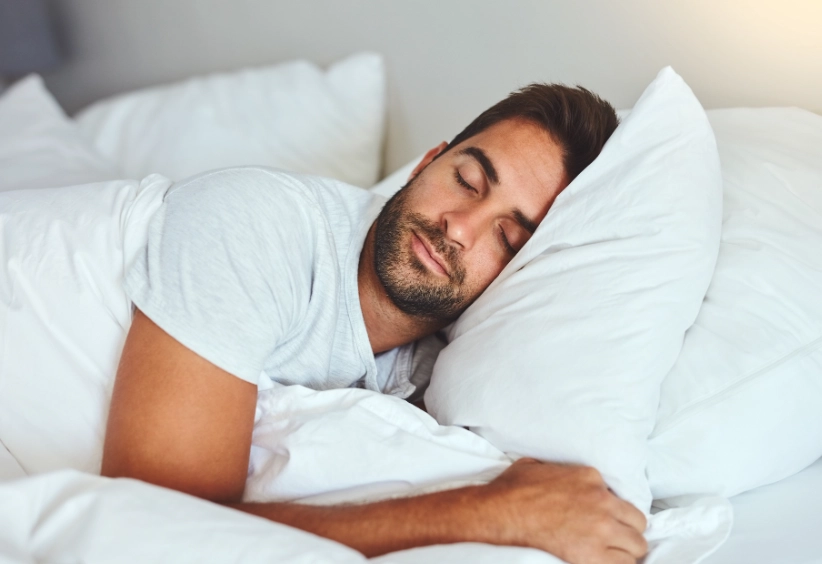
Fixing Common Sleep Saboteurs
Sometimes, the environment and routine are perfect, but specific issues get in the way. Let's tackle the usual suspects.
When Your Mind Won't Shut Up
This is the big one. Anxiety and racing thoughts are the arch-nemesis of good sleep. Besides the journaling trick, try this: instead of fighting the thoughts, give them a boring job. Count backwards from 300 by 3s. Visualize walking slowly through a very familiar, peaceful place (your childhood home, a favorite hiking trail), noticing every tiny detail. The goal isn't to fall asleep doing it, but to distract your mind from its panic spiral until sleep naturally takes over.
The Dreaded 3 AM Wake-Up
You fall asleep fine, but like clockwork, you're wide awake in the middle of the night. First, don't look at the clock. That just creates anxiety. The rule is: if you're awake for more than 20 minutes, get out of bed. Go to another dimly lit room and do something mindless and boring until you feel sleepy again. Read a dull book (no screens!). Don't eat, don't start working. The goal is to break the association between your bed and being awake and frustrated.
Food, Drink, and Good Sleep
What you consume has a direct line to your sleep quality.
- Caffeine: It has a half-life of 5-6 hours. That 3 PM coffee? Half of it is still in your system at 9 PM. Try cutting off caffeine by 2 PM. You might be surprised.
- Alcohol: The great deceiver. It makes you fall asleep faster, but it absolutely wrecks your sleep architecture, suppressing REM and causing fragmented sleep in the second half of the night. That's why you often wake up after drinking and can't get back to sleep. It's not good sleep, it's sedation.
- Big meals: Eating a heavy meal right before bed forces your digestive system to work overtime, which can cause discomfort and keep you awake. Aim to finish your last big meal 2-3 hours before bed.
The Daytime Habits That Set You Up for Good Sleep
Sleep isn't just a nighttime activity. What you do during the day sets the stage.
Morning Light: Get bright light exposure within 30-60 minutes of waking. Go outside for 10-15 minutes (without sunglasses if safe). This resets your internal circadian clock, making you feel more alert now and more ready for sleep later. It's the most powerful natural signal for your sleep-wake cycle.
Exercise: Regular physical activity is fantastic for promoting deeper good sleep. But timing matters. Intense exercise too close to bedtime can be stimulating for some people. Try to finish vigorous workouts at least 2-3 hours before bed. Gentle evening movement like yoga or stretching can be part of your wind-down.
Napping: If you must nap, keep it short (20-30 minutes) and before 3 PM. Long or late naps can steal sleep pressure from the coming night, making it harder to fall asleep.
Questions You're Probably Asking About Good Sleep
Putting It All Together: Be Patient and Consistent
Chasing perfect good sleep every single night is a recipe for stress. Some nights will be better than others. That's normal. The goal is to stack the odds in your favor by consistently following the habits that work.
Start small.
Don't try to change ten things at once. Maybe this week, you just focus on getting your room completely dark. Next week, you add a 30-minute screen-free buffer before bed. The week after, you work on your caffeine cutoff time.
Good sleep is a journey, not a destination. It's about building a lifestyle that supports your natural rhythms, not fighting against them. Listen to your body. Be kind to yourself on the off nights. The payoff – waking up feeling truly refreshed, having more energy and patience, thinking more clearly – is absolutely worth the effort.
So tonight, why not start with just one thing? Turn off the screens a bit earlier. Make the room a little darker. Take a few deep breaths. Your journey to better, deeper, more consistent good sleep starts with a single, simple step.
Reader Comments