In This Guide
- Why Your Sleep Posture Matters More Than You Think
- The Big Three: Breaking Down Each Major Sleep Position
- Matching Your Sleep Position to Your Aches and Pains
- Special Considerations: Pregnancy, Acid Reflux, and More
- Your Toolkit: Pillows, Mattresses, and Other Gear
- How to Actually Change Your Sleep Position (It's Hard!)
- Answers to Common Sleep Position Questions
- Putting It All Together: Finding Your Personal Best
Let's be honest. Most of us don't give a second thought to how we crash into bed at night. We just sort of... flop. Face down, starfish, fetal curl – whatever feels right in the moment. But then the morning comes. That stiff neck. The aching lower back. The shoulder that feels like it's been in a vise all night. Sound familiar? I've been there too. For years, I woke up with a stiff neck and just blamed my pillow, or my mattress, or just getting older. It wasn't until I started paying real attention to my sleep position that things actually changed.
It turns out, the way you sleep isn't just about comfort. It's a big deal for your spine, your breathing, your digestion, even your skin. Finding your true best sleep position can be the difference between waking up refreshed and feeling like you need another eight hours just to recover from sleeping.
Why Your Sleep Posture Matters More Than You Think
Think of your spine. It's not a straight rod; it has natural curves. A good sleep position supports those curves, keeping everything in a neutral alignment. A bad one twists, bends, or strains it for hours on end. That's a recipe for pain.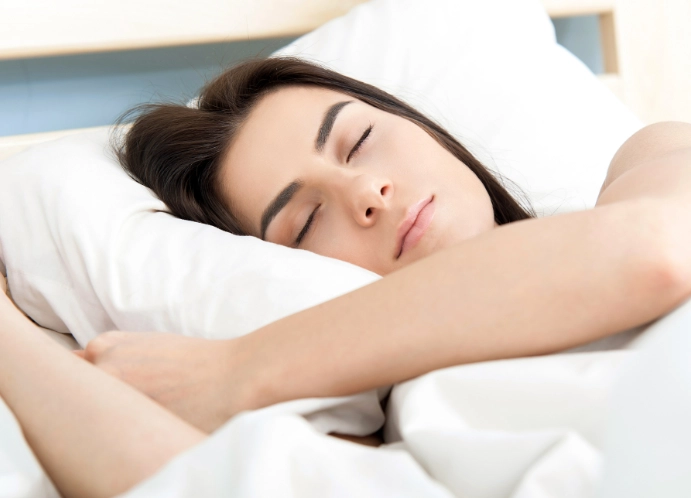
But it's not just your back. Your sleep posture affects your airway. Ever notice you snore more on your back? That's gravity pulling your tongue and soft tissues back, narrowing the airway. It influences acid reflux. Lying flat can make it easier for stomach acid to creep up. Some dermatologists even argue that sleeping with your face smushed into a pillow can contribute to wrinkles over time (though that's a bit more debated).
The goal isn't to find one "perfect" position that everyone must use. That's a myth. The real goal is to find the best sleeping position for *you*, based on your body, your health issues, and what feels sustainable. It's about making a few smart tweaks that let your body recover and recharge properly.
The Big Three: Breaking Down Each Major Sleep Position
We'll dive into the specifics for different pains and conditions later, but first, let's get a clear picture of the three main camps people fall into. This table lays it out, warts and all.
| Position | What It Is | The Good Stuff (Pros) | The Not-So-Good Stuff (Cons) | Who Might Love It |
|---|---|---|---|---|
| Back Sleeping (Supine) | Lying flat on your back, arms at sides or resting on stomach/chest. | Excellent spine alignment. Reduces facial contact with pillow (potentially better for skin). Minimizes acid reflux if head is elevated. Considered a top best sleep position for spinal health by many experts. | Can worsen snoring and sleep apnea. Not ideal for pregnant women (especially later stages). Can feel vulnerable or unnatural to some. | People with neck or back pain (when properly supported). Those concerned about facial wrinkles. Side-sleepers who snore. |
| Side Sleeping (Lateral) | Lying on either side, often with legs slightly bent. Includes the "fetal" position. | Reduces snoring and sleep apnea. Can improve digestion (left side is often recommended). Good for pregnancy (especially left side). May help with heartburn. | Can cause shoulder and hip pain from pressure. May lead to facial asymmetry/wrinkles on the side pressed into pillow. Can strain neck if pillow height is wrong. | Snorers and sleep apnea sufferers. Pregnant people. Those with acid reflux. Back sleepers who experience apnea events. |
| Stomach Sleeping (Prone) | Lying face-down, head turned to one side. | Can reduce snoring in some cases. Some find it comforting due to pressure on the abdomen. | Forces neck into a severe, sustained twist. Flattens the natural curve of the spine, straining the lower back. Puts pressure on joints and muscles. Widely considered the worst common position for musculoskeletal health. | People who have never been able to get comfortable any other way (though we'll talk about transitioning!). |
Looking at that, side and back sleeping generally get the thumbs-up from health professionals, while stomach sleeping gets a pretty universal frown. But even within "side sleeping," there's a huge range. The tight fetal curl is very different from a straight-legged side lie.
Matching Your Sleep Position to Your Aches and Pains
This is where it gets personal. Your best sleep posture is heavily influenced by what hurts when you wake up. Let's troubleshoot.
If You Wake Up With Back Pain
Back pain is a complex beast, but sleep position can be a major aggravator or a powerful reliever.
For lower back pain:
Back sleepers: This can be your best bet, but you need help. Try placing a pillow under your knees. This slight elevation takes pressure off your lumbar spine by relaxing the hip flexors and maintaining the spine's natural curve. It's a simple trick with a big impact.
Side sleepers: You're in a good spot, but the devil's in the details. The key is preventing your top hip from sagging down and twisting your spine. Put a firm pillow between your knees. It keeps your hips, pelvis, and spine aligned. Make sure your pillow under your head is high enough to keep your neck straight with your spine – not tilting up or down.
What about stomach sleepers with back pain?
This is tough. Stomach sleeping is often the cause of lower back pain because it forces your spine into an arched position. If you have back pain and sleep on your stomach, trying to transition is one of the most effective things you can do. Start by putting a thin pillow under your hips/pelvis to reduce the arch. It's a band-aid, but it helps while you work on switching.
If You Wake Up With Neck or Shoulder Pain
Pillow choice is everything here, but position sets the stage.
Back sleepers: You need a pillow that supports the natural curve of your neck, filling the space between your neck and the mattress without pushing your head too far forward. A cervical pillow with a contour can be great. Avoid pillows that are too thick and high.
Side sleepers: Your pillow needs to be higher – high enough to keep your head and neck in line with your spine, not drooping down toward the mattress or hunching up. It should fill the entire space from your shoulder to your head. If you have shoulder pain, try hugging a pillow to prevent your top shoulder from collapsing inward.
Stomach sleepers: This is the classic culprit for neck pain. The 90-degree head turn strains neck muscles and joints all night. Honestly, there's no great pillow fix here. The only real solution is to work on changing your position. It's a pain, but your neck will thank you.
If You Snore or Have Sleep Apnea
This is a big one. Positional therapy is a first-line recommendation for many with mild to moderate obstructive sleep apnea and for simple snoring.
Back sleeping (supine) is usually the worst position here. Gravity pulls the tongue and soft tissues of the throat backward, obstructing the airway. So, if you snore or have apnea, your best sleep position is almost certainly on your side.
But how do you stay on your side? Some people use a special pillow that prevents back-sleeping, or even sew a tennis ball into the back of their pajamas (old-school, but it works). There are also wearable devices that vibrate when you roll onto your back. The goal is to make side-sleeping a habit.
Some newer studies even suggest that elevating the head of the entire bed by a few inches can help back-sleepers with mild apnea, as it changes the angle of the airway. It's not as effective as side-sleeping, but it's an option if you absolutely can't switch.
Special Considerations: Pregnancy, Acid Reflux, and More
Sometimes, your body's condition dictates the optimal sleep position more than personal preference.
For Pregnancy: The gold standard, especially in the second and third trimesters, is sleeping on your left side. This position improves circulation to your heart, your baby, and your uterus and kidneys. It takes pressure off your liver. Back sleeping is discouraged later in pregnancy as the weight of the uterus can press on major blood vessels. Using a long body pillow or pregnancy pillow for support between the knees and under the belly is a game-changer for comfort.
For Acid Reflux (GERD): Gravity is your friend. The best sleeping position for acid reflux is on your left side (again!), as anatomy makes it harder for acid to rise. If you sleep on your back, you must elevate the head of your bed by 6-8 inches using blocks under the bed frame or a wedge pillow. Just stacking pillows can sometimes bend you at the waist and make pressure worse, so a gradual incline is better.
For Shoulder Pain (Rotator Cuff, etc.): Avoid sleeping on the painful shoulder. If you're a side sleeper, try sleeping on your good side with a pillow hugged to your chest to keep the bad shoulder from rolling forward. Back sleeping is often ideal, with your arm supported on a pillow at your side.
Your Toolkit: Pillows, Mattresses, and Other Gear
You can't talk about the best sleep position without talking about your gear. The right position with the wrong support is like wearing great shoes that are three sizes too big.
Mattress Firmness: This interacts directly with your position. Side sleepers usually need a softer mattress to allow the shoulder and hip to sink in slightly, preventing pressure points. Back and stomach sleepers often do better with a medium-firm to firm surface to prevent the hips from sinking too deeply and throwing the spine out of alignment. It's a balance – you want contouring, not a hammock effect.
Specialty Pillows: These can be brilliant aids:
- Knee Pillows: A must-try for side sleepers and back sleepers with back pain.
- Body Pillows: Great for side-sleepers and pregnant people to hug and drape a leg over for full-body alignment.
- Wedge Pillows: For elevating the upper body for reflux or snoring.
- Cervical Contour Pillows: Designed with a dip for the head and support for the neck. They can be fantastic, but they're very personal – some people love them, others find them awkward.
How to Actually Change Your Sleep Position (It's Hard!)
So you've decided your current sleep position isn't serving you. Maybe you're a stomach sleeper wanting to save your neck, or a back sleeper who snores like a chainsaw. Changing a lifelong sleep habit is one of the hardest health habits to break. Your body seeks the familiar, even if it's bad for you.
Don't try to go cold turkey. You'll just lie there frustrated. Instead, build a "fortress" for your new position.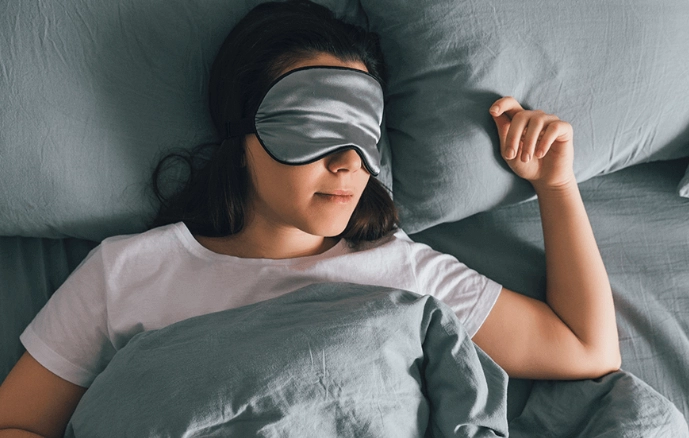
If you want to become a side sleeper:
- Start by using pillows as barriers. Place a firm pillow against your back so you can't easily roll onto it.
- Hug a body pillow. It gives your arms and top leg something to do and makes the position feel cozier and more supported.
- Make sure your head pillow is high enough. Discomfort from a poorly supported neck will make you roll over.
If you want to become a back sleeper:
- Use a pillow under your knees. This makes the position feel more secure and comfortable for your lower back.
- Try a weighted blanket. The gentle pressure can have a calming effect and reduce the urge to toss and turn.
- If snoring is an issue, elevate the head of your bed slightly as you transition.
Be patient. It might take a few weeks of feeling awkward before your new best sleep position starts to feel natural. The first few nights, you'll probably wake up in your old spot. Just gently reposition yourself and try again.
Answers to Common Sleep Position Questions
Is there one single best sleep position for everyone?
No. That's the most important takeaway. While back sleeping is often touted as the "best" for spinal alignment, it's terrible for snorers and sleep apnea. Side sleeping is great for many but can cause shoulder issues. Your best position is the one that addresses your specific health considerations while keeping your spine in a neutral alignment. It's a personal equation.
I sleep in multiple positions all night. Is that bad?
Not at all! In fact, it's probably good. Most healthy sleepers change positions multiple times during the night (even if they don't remember). It prevents prolonged pressure on any one area. The problem arises if your *primary* or *starting* position is one that causes misalignment. Moving around is normal and healthy.
What's the best sleep position for digestion?
Sleeping on your left side is frequently recommended. Due to the asymmetrical placement of your stomach, left-side sleeping may help with the passage of waste through the digestive tract and reduce heartburn symptoms. Some research, like that cited by the National Institutes of Health, explores the gastrointestinal effects of body position.
Can my sleep position cause wrinkles?
This is a popular claim from dermatologists, often called "sleep lines." The theory is that consistently compressing your facial skin against a pillow for hours can, over years, lead to permanent creases. Side and stomach sleepers are most prone. While genetics and sun exposure are far bigger factors, if you're concerned, back sleeping is the position that minimizes facial contact. Using a silk or satin pillowcase can also reduce friction.
How do I know if my mattress is wrong for my sleep position?
Your body will tell you. If you wake up with new aches (pressure points on hips/shoulders for side sleepers, lower back sag for back sleepers) that aren't resolved by adjusting your pillow, your mattress might be the culprit. A mattress should feel supportive, not like you're sinking in or perched on top. Organizations like the National Sleep Foundation offer guides on matching mattress type to sleep position, which can be a helpful starting point.
Putting It All Together: Finding Your Personal Best
Finding your best sleep position isn't about following a rigid rule. It's an experiment. Start by listening to your body. Where do you hurt? What's your biggest sleep disruption (pain, snoring, reflux)?
Use the guidelines here as a starting map. If you have back pain, try the knee-pillow trick on your back or the between-the-knees trick on your side. Give it a solid week. Pay attention to how you feel in the morning, not just how you feel when you first lie down.
Don't be afraid to mix and match. Maybe your best sleeping position is starting on your side with a knee pillow and then rolling to your back later in the night. That's fine. The goal is supportive, healthy sleep, not perfection.
And remember, if you have a serious, persistent issue like chronic back pain, severe sleep apnea, or unmanaged acid reflux, talking to a doctor or a sleep specialist is crucial. They can provide personalized advice that no general article can match. For authoritative information on sleep disorders, resources from places like the Mayo Clinic are invaluable.
The journey to better sleep is one of the best investments you can make in your health. And it often starts with something as simple as noticing how you lie down at night. So tonight, just before you drift off, ask yourself: Is this position working for me? The answer might be the key to waking up feeling truly rested.
Reader Comments