You’ve tried a cool room, a dark space, and putting your phone away an hour before bed. But you're still staring at the ceiling. What's missing? It might be your kitchen. What you eat and drink in the hours before bed has a massive, and often overlooked, impact on your sleep quality. It's not just about avoiding coffee after 3 PM. The right bedtime snacks and drinks can actively signal to your brain that it's time to wind down, while the wrong ones can throw your entire system into chaos.
Let's cut through the noise. I've spent years digging into sleep research and experimenting on myself (and with reluctant family members). The biggest mistake people make? Treating sleep nutrition as an afterthought. They focus on the mattress and the routine, but ignore the fuel that's either building or breaking their sleep architecture from the inside.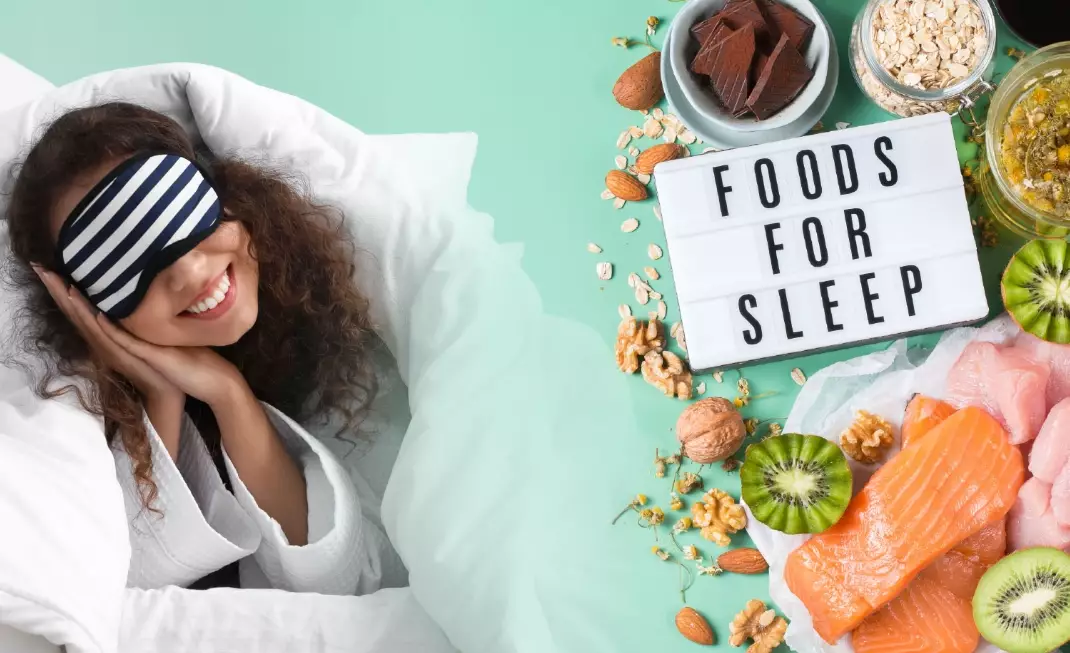
Your Quick Sleep Diet Cheat Sheet
Top Foods That Help You Sleep
Forget miracle pills. These foods contain specific nutrients that are precursors to sleep-regulating chemicals in your brain, like melatonin and serotonin.
The Magnesium & Tryptophan Powerhouses
Think of magnesium as your body's natural relaxation mineral. It helps quiet the nervous system. Tryptophan is an amino acid that gets converted into serotonin and then melatonin. You need both.
- Almonds and Walnuts: A small handful (about 1 ounce) of almonds gives you a solid dose of magnesium. Walnuts contain their own source of melatonin. Don't go overboard—nuts are calorie-dense.
- Kiwi: This fuzzy fruit is a sleep superstar. Studies, like one published in the Asia Pacific Journal of Clinical Nutrition, found that eating two kiwis one hour before bed helped people fall asleep faster and sleep more soundly. It's packed with serotonin, antioxidants, and folate.
- Tart Cherries or Cherry Juice: One of the few natural food sources of melatonin. A small glass of tart cherry juice in the evening has been shown in research to increase melatonin levels and improve sleep duration and quality. Look for unsweetened juice to avoid a sugar spike.
Personal note: I was skeptical about kiwi. It seemed too simple. But after a week of having two about 45 minutes before bed, I noticed a definite shift. I wasn't “knocked out,” but the transition from awake to asleep felt smoother, less forced. The key is consistency.
The Complex Carb Advantage
This is where most advice gets it wrong. They say “avoid carbs at night.” But the right kind of carbs can be helpful. Complex carbohydrates, like those in whole grains, can increase the availability of tryptophan in your brain.
- A Small Bowl of Oatmeal: Not the giant breakfast portion. A half-cup of cooked oatmeal is warm, comforting, and provides complex carbs. Sprinkle a few almonds on top for a double sleep-whammy.
- Whole-Grain Crackers with Cheese: The carbs from the cracker help tryptophan cross the blood-brain barrier, and the cheese provides the tryptophan and a bit of fat for sustained energy. It's a classic for a reason.
The Best and Worst Bedtime Drinks
Liquid intake is crucial. Dehydration can disrupt sleep, but drinking too much too late guarantees bathroom trips. The type of drink matters immensely.
| Drink | Why It Helps (or Hurts) | Best Time to Have It |
|---|---|---|
| Chamomile Tea | Contains apigenin, an antioxidant that binds to brain receptors promoting drowsiness. It's a mild tranquilizer. | 30-60 minutes before bed. |
| Warm Milk | The psychological comfort is real. It contains tryptophan and calcium. The warmth can be soothing. (But see the FAQ for a big caveat.) | At least 45 minutes before bed. |
| Tart Cherry Juice | Natural melatonin source, as mentioned. Also has anti-inflammatory properties. | 1-2 hours before bed. |
| Alcohol | MAJOR DISRUPTOR. It may help you fall asleep initially, but it fragments sleep later in the night, suppressing REM sleep (the restorative dream stage). | Avoid within 3 hours of bedtime. |
| Caffeinated Drinks | Obvious, but the half-life of caffeine is 5-6 hours. A 3 PM coffee can still be affecting you at 9 PM. | Cut-off by 2 PM is safest for most. |
| Sugary Sodas/Juices | Causes a blood sugar spike and crash, which can wake you up. Also often acidic, risking heartburn. | Avoid in the evening entirely. |
Why Timing Matters More Than You Think
Eating a large, heavy meal right before bed is a recipe for poor sleep. Your body is trying to digest a steak while your brain is trying to shut down—they're working at cross-purposes. This can lead to indigestion, acid reflux, and an elevated core body temperature, all enemies of sleep.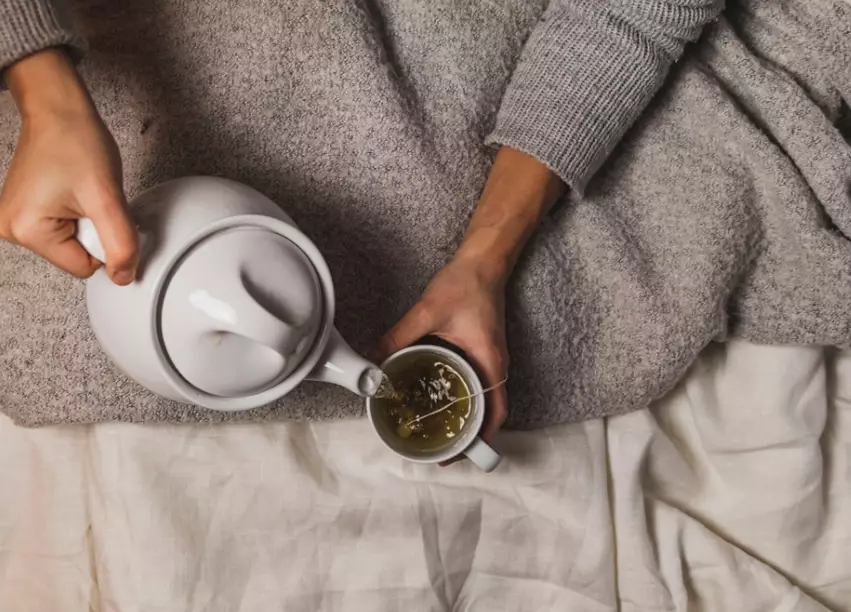
The golden rule: Finish your last main meal at least 2-3 hours before you plan to sleep. This gives digestion a head start.
A small, sleep-promoting snack 45-60 minutes before bed is perfectly fine, and often beneficial. It prevents low blood sugar (hypoglycemia) from waking you up at 3 AM. Think of it as a targeted sleep aid, not a fourth meal.
The 3 Worst Foods for Sleep (One Will Surprise You)
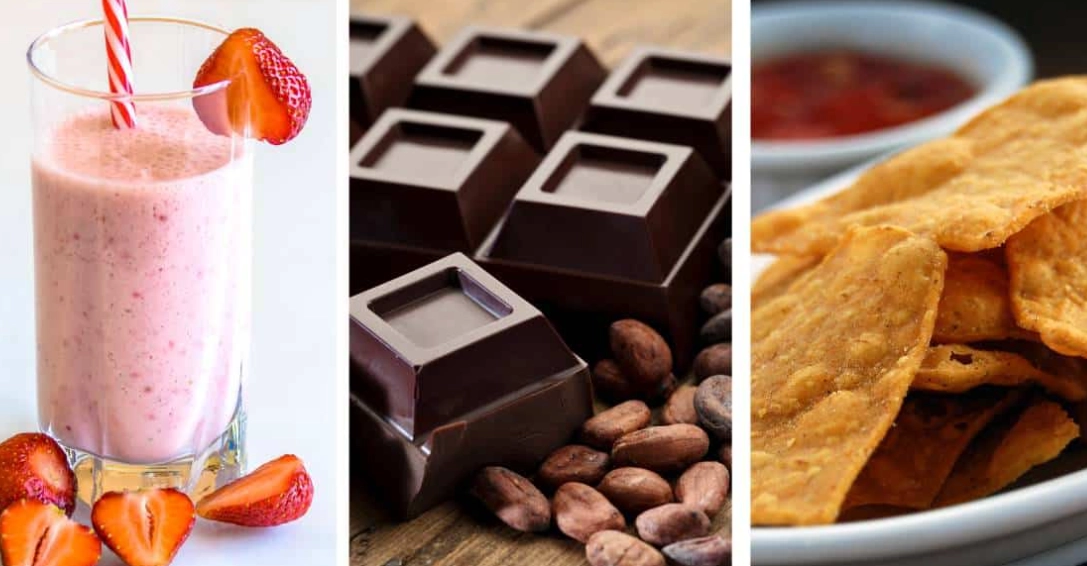
- Dark Chocolate: Yes, it's a health food, but it contains caffeine and theobromine, both stimulants. A few squares after dinner might be the culprit behind your restless mind. Switch to a piece of fruit.
- Spicy Foods: Capsaicin can raise your body temperature and cause heartburn when you lie down. Save the hot curry for lunch.
- High-Fat, Greasy Foods: Burgers, fries, pizza. These take forever to digest and are highly likely to cause discomfort and acid reflux. Your digestive system will be working overtime instead of letting you rest.
A Sample Evening for Perfect Sleep
Let's make this practical. Here’s what a sleep-supportive evening might look like:
7:00 PM: Finish a balanced dinner (e.g., grilled salmon, quinoa, steamed broccoli).
8:30 PM: Have a cup of chamomile tea.
9:45 PM: Enjoy your pre-bed snack: a small bowl of plain yogurt with a few tart cherries mixed in, or two kiwis.
10:30 PM: Target bedtime. Your body isn't busy digesting, it's received sleep-supportive nutrients, and you're hydrated but not overly full of liquid.
This isn't a rigid prescription. The point is the pattern: meal, then a gap, then a light, intentional snack.
Your Sleep & Diet Questions Answered
I always hear about warm milk, but it doesn't work for me and sometimes upsets my stomach. Why?
You're not alone. The tryptophan in milk is present, but in relatively small amounts compared to other foods. For many adults, lactose intolerance (even mild) can cause bloating or gas when lying down, which disrupts sleep. The warmth is psychologically soothing, but if your body doesn't digest dairy well, the physical effect negates it. Try a dairy-free alternative like almond milk warmed with a dash of cinnamon, or switch to a tart cherry juice or herbal tea.
What if I get hungry right before bed? Is it worse to eat something or go to bed hungry?
Going to bed hungry is often worse. Hunger pangs and low blood sugar can definitely wake you up. The trick is choosing the right something. A slice of turkey, a few whole-grain crackers, a banana, or a tablespoon of almond butter are all better choices than raiding the cookie jar. A small protein+complex carb combo is your best bet to quell hunger without overloading your system.
 Does drinking water before bed cause poor sleep?
It can if you drink a large glass right as you hit the pillow. The goal is to stay hydrated throughout the day so you're not parched at night. Sip water steadily until about an hour before bed, then stop. This minimizes the chance of a full bladder interrupting your sleep cycle. If you must drink closer to bedtime, take small sips, not big gulps.
Are there any supplements that work like these sleep foods?
Supplements like magnesium glycinate, melatonin, or L-theanine are popular. They can be helpful in specific situations (like jet lag), but they're not a substitute for a consistent sleep-supportive diet. Your body absorbs and utilizes nutrients from whole foods more effectively and balanced. I always recommend dialing in your food and drink habits first for at least two weeks before considering supplements. If you do go the supplement route, consult with a healthcare provider first.
The connection between your plate and your pillow is real and powerful. It's not about one magic food, but about building evening habits that support, rather than fight, your body's natural sleep rhythm. Start with one change—maybe swapping your late-night chips for a handful of almonds, or replacing that after-dinner soda with tart cherry juice. Pay attention to how you feel. Your sleep will thank you for it.
Reader Comments