You're in bed. The room is dark. You're exhausted. But sleep feels like a distant country you can't get a visa to. Your brain is replaying that awkward thing you said in 2014, planning tomorrow's grocery list, and wondering if you locked the front door. Sound familiar? The harder you try to fall asleep, the more elusive it becomes. I've been there, staring at the ceiling at 3 AM, feeling frustrated and desperate for a solution that works right now.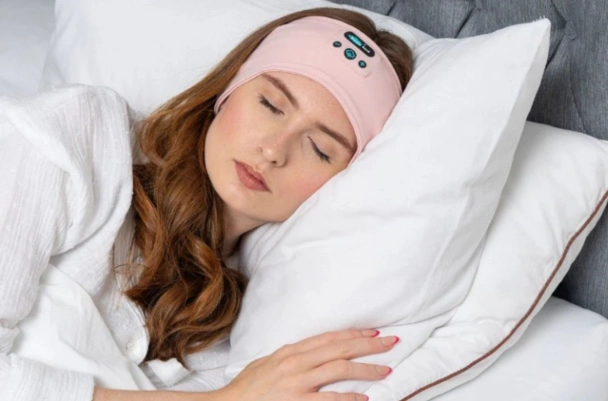
Forget counting sheep. That's about as useful as trying to bail out a boat with a teaspoon. The real issue isn't a lack of effort—it's that most of us are trying to solve the problem backwards. We focus on "falling" asleep, which is a passive event, when we should be focusing on creating the precise conditions that allow sleep to take over. It's less about forcing it and more about getting out of your own way.
What's Inside: Your Quick Guide to Falling Asleep
Why Counting Sheep Doesn't Work (And What Does)
The classic advice is terrible. Counting sheep is a mild cognitive task that does little to engage the brain's emotional centers or activate the relaxation response. It's boring, but it's not calming. What you need is a method that actively tells your nervous system, "Hey, the threat level is low. We can stand down."
Sleep onset is governed by two main systems: your circadian rhythm (your internal clock) and sleep pressure (the buildup of a chemical called adenosine). When you're lying awake, it's usually because stress hormones like cortisol are still cruising, or your mind is too cognitively engaged. The goal of any "right now" technique is to short-circuit that arousal and manually trigger the parasympathetic nervous system—your body's "rest and digest" mode.
Here's the non-consensus part everyone misses: trying to fall asleep is the number one thing keeping you awake. It creates performance anxiety. The shift needs to be from "I must sleep" to "I will rest my body and let sleep come when it's ready." This subtle mental reframe reduces the pressure that's fueling your insomnia.
10 Actionable Techniques to Fall Asleep Faster
These aren't just random tips. They're based on physiology and psychology, designed to be used the moment you find yourself stuck in bed, awake. Pick one or two that resonate with you.
1. The 4-7-8 Breathing Method (The Nervous System Reset)
This is my personal go-to. It sounds too simple, but it works by increasing the amount of oxygen in your bloodstream, slowing your heart rate, and promoting a state of calm. Here's the exact drill: Place the tip of your tongue against the ridge behind your upper front teeth. Exhale completely through your mouth. Now, close your mouth and inhale quietly through your nose for a count of 4. Hold your breath for a count of 7. Exhale slowly through your mouth, making a whoosh sound, for a count of 8. Repeat this cycle 3-4 times. Don't worry about perfect counts; the slow exhale is the key. It feels weird at first, but it's like a brake pedal for your racing thoughts.
2. Progressive Muscle Relaxation (The Body Scan)
Your body might be tense without you realizing it. Start at your toes. Clench them as hard as you can for 5 seconds, then release completely, noticing the sensation of warmth and relaxation. Move up to your calves, thighs, glutes, abdomen, hands, arms, shoulders, neck, and finally your face. Spend extra time on your jaw and forehead. This practice teaches your body the difference between tension and release, and it forces your mind to focus on physical sensations instead of mental chatter.
3. The "Mental Dump" Journal
Keep a notebook and pen (not your phone!) on your nightstand. If your mind is racing with to-dos or worries, sit up, turn on a dim light, and write it all down. Don't edit, just brain dump. The act of externalizing your thoughts tells your brain, "It's noted. We can deal with this tomorrow." A study published in the Journal of Experimental Psychology found that writing a to-do list before bed helped participants fall asleep significantly faster.
4. Temperature Drop Hack
Your core body temperature needs to drop to initiate sleep. You can trick it. If your feet are cold, put on socks. This draws blood to the extremities and cools your core. Conversely, if you're too warm, stick one foot out from under the covers. A cool room (around 65°F or 18°C) is ideal. Taking a warm bath 1-2 hours before bed also works—you get out, your body cools rapidly, mimicking the natural temperature drop.
5. The Military Method (For High-Stress Situations)
Reportedly used by the U.S. Army to help soldiers fall asleep under extreme conditions. Relax your entire face, including muscles inside your mouth. Drop your shoulders and let your hands fall to your sides. Exhale, relaxing your chest. Relax your legs, thighs, and calves. Now, clear your mind for 10 seconds by imagining one of these scenes: you're lying in a canoe on a calm lake with nothing but blue sky above, or you're curled up in a black velvet hammock in a pitch-black room. If thoughts intrure, just say "thought" and let it go. The structure gives an anxious mind a clear task.
Pro Tip from Experience: Don't cycle through all these methods in one night. That's just another form of sleep effort anxiety. Pick one, commit to it for 10-15 minutes. If it's not working, get out of bed. Which brings us to a critical rule...
6. The 20-Minute Rule
If you've been in bed for 20 minutes and are still wide awake, get up. Go to another room. Do something boring in dim light: read a physical book (nothing stimulating), listen to calm music, fold laundry. The goal is to break the association between your bed and frustration. Return to bed only when you feel sleepy. This is a cornerstone of Cognitive Behavioral Therapy for Insomnia (CBT-I), the gold-standard non-drug treatment.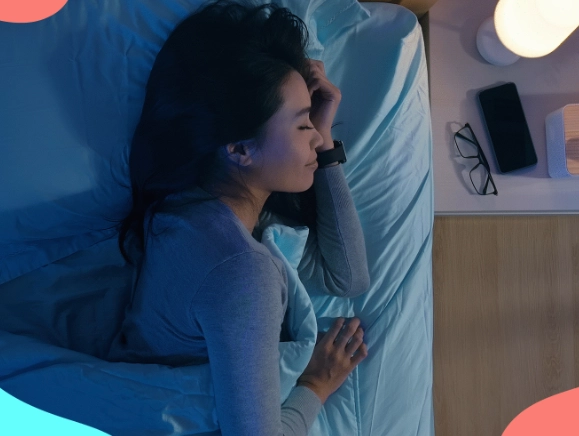
7. Focus on a Neutral Anchor
Instead of trying to empty your mind, give it a single, boring point of focus. Listen to the sound of your own breath. Feel the sensation of the sheet against your ankle. Count backwards from 100 by 3s (97, 94, 91...). The mild cognitive load prevents your mind from spiraling into worry, but it's not interesting enough to keep you awake.
8. Binaural Beats or Pink Noise
Put on headphones and try a binaural beats track designed for sleep (look for delta or theta waves). The science is still emerging, but many find the consistent, rhythmic sound effectively masks distracting noises and guides brainwaves toward a sleep state. Pink noise (like steady rainfall) can also be effective. The key is low volume and no engaging podcasts or stories.
9. The "5 Things" Sensory Game
This is a mindfulness trick. Mentally list: 5 things you can hear (the hum of the fridge, your breath), 4 things you can feel (the pillow, the blanket weight), 3 things you can smell (laundry detergent, your own skin), 2 things you can taste (the mint from toothpaste, nothing), and 1 thing you can see in the dark (the faint outline of the window). It grounds you firmly in the present moment.
10. Paradoxical Intention
This is the psychological ninja move. Instead of trying to sleep, try to stay awake. Keep your eyes open in the dark and tell yourself you must remain awake. Often, the pressure is removed, and sleep sneaks in. It sounds counterintuitive, but it works by eliminating the performance anxiety around sleep.
How to Create the Perfect Sleep Environment
Your techniques will fight an uphill battle if your bedroom is working against you. Let's audit your space.
| Element | What to Aim For | Common Mistake to Fix |
|---|---|---|
| Light | Pitch black. Use blackout curtains, cover LED lights. | Letting streetlights or a charging indicator glow disrupt melatonin. |
| Sound | Quiet or consistent white/pink noise. | Sleeping with the TV on—the changing sounds and light disrupt sleep cycles. |
| Temperature | Cool (65°F/18°C). | Keeping the room too warm. |
| Bed | Comfortable mattress/pillows, reserved for sleep & sex only. | Working, eating, or watching thrilling shows in bed. |
| Air & Smell | Fresh air if possible. A subtle scent like lavender. | Stuffy, stale air. |
I made the TV mistake for years. I thought the background noise helped, but I'd wake up feeling unrefreshed. Cutting it out was a game-changer.
The Midnight Pitfall: What to Avoid at All Costs
When you can't sleep, your instincts might lead you astray. Here’s what makes things worse.
- Checking the Clock: This is torture. It calculates how little sleep you'll get, spiking anxiety. Turn your clock away or put it in a drawer.
- Picking Up Your Phone: The blue light suppresses melatonin, and social media/news activates your brain. It's the opposite of what you need.
- Having "One More" Drink: Alcohol might make you drowsy, but it fragments sleep later in the night, leading to early waking.
- A Heavy Snack: Digestion can disrupt sleep. A light snack (banana, handful of almonds) is okay if you're truly hungry.
- Tossing and Turning: If you're frustrated, get up. Lying there stewing strengthens the bad association.
Your Burning Questions, Answered
What if I can't stop my thoughts from racing, no matter what I try?
This is where acceptance comes in. Tell yourself, "Okay, my mind is busy tonight. I'm just going to rest here comfortably." Fight the thoughts, and they gain power. Observe them like clouds passing by—"there's a work thought, there's a planning thought"—without getting on the train with them. The goal shifts from sleep to restful detachment.
Is it okay to take melatonin or a sleep aid when I can't sleep?
Melatonin is a circadian rhythm regulator, not a knockout pill. It's best for jet lag or shifting schedules. Taking it in the middle of the night can confuse your internal clock. Over-the-counter sleep aids often contain sedating antihistamines that can cause next-day grogginess and lose effectiveness quickly. They're a short-term crutch, not a solution. The techniques above are tools you own forever.
I fall asleep fine but wake up at 3 AM and can't get back to sleep. What do I do?
This is often a sign of stress or consuming caffeine/alcohol too late. The same rules apply: don't clock-watch. Use the 20-minute rule. Get up, do your boring activity, and use a relaxation technique like 4-7-8 breathing when you return to bed. The mental game is crucial—tell yourself it's normal to be awake briefly, and you can still get restorative rest even if you're not fully asleep.
How long should I practice a technique before expecting it to work?
Give it a solid 10-15 minutes of genuine engagement. Don't just go through the motions while thinking "this isn't working." Your brain needs time to disengage from its alert state. Consistency is key. The first few times might feel awkward, but your brain will learn to associate the technique with the sleep process.
What's the one most underrated tip you'd give someone?
Get your feet warm while keeping your core cool. Cold feet are a major signal to your body that it's not safe to sleep. A warm foot bath before bed or wearing socks can be more effective than people realize. It's a simple physiological hack that addresses a core readiness signal.
The bottom line is this: falling asleep quickly isn't a magic trick you perform on yourself. It's the result of creating the right internal and external conditions and then getting out of the way. Stop trying to chase sleep. Instead, focus on cultivating profound rest and letting sleep capture you. Tonight, pick one technique from the list. Commit to it. Breathe, let go, and trust that your body knows how to do the rest.
Reader Comments