You’ve probably seen it on social media or wellness blogs: the 10-3-2-1-0 sleep rule. It’s a catchy, numbers-based formula promising a perfect night’s rest. The premise is simple. Ten hours before bed, no more caffeine. Three hours before, no more food or alcohol. Two hours before, stop working. One hour before, shut off screens. Zero, the number of times you hit snooze in the morning.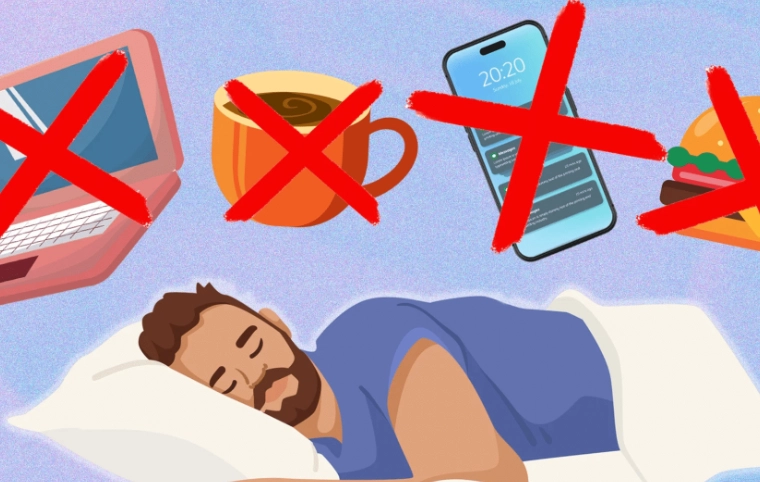
Sounds great in theory, right? But when your work deadline is at 9 PM, or your favorite show drops a new episode, or you just need that late-night snack, the whole system can feel impossible. So, is it a magic bullet or just another piece of unrealistic sleep advice? Let’s pull it apart, see what science says, and figure out how you can actually use it without driving yourself crazy.
What You’ll Find in This Guide
What Is the 10-3-2-1-0 Sleep Rule?
Think of it as a countdown clock for your nervous system. It’s not about the exact minute you fall asleep, but about creating a predictable, calming runway that leads you there. The goal is to systematically remove common sleep disruptors as bedtime approaches.
Here’s the breakdown:
10 hours before bed: Cut off caffeine. This is the long game. Caffeine has a half-life of about 5-6 hours. If you have a coffee at 3 PM, half of that caffeine is still buzzing around your system at 9 PM. The 10-hour window aims to ensure it’s almost entirely cleared out.
3 hours before bed: Finish eating and drinking (alcohol). Digestion requires energy and can lead to discomfort or acid reflux if you lie down too soon. Alcohol, while initially sedating, metabolizes into chemicals that fragment sleep later in the night.
2 hours before bed: Stop “working.” This means mentally demanding tasks—answering emails, stressful planning, intense problem-solving. It’s about letting your brain’s “task manager” shut down.
1 hour before bed: No more screens. The blue light from phones, tablets, and TVs suppresses melatonin, the hormone that tells your body it’s night-time. The content itself (scrolling, dramas) can also be stimulating.
0: The snooze button is forbidden. Hitting snooze fragments those last bits of sleep, often leaving you groggier than if you’d just gotten up. It’s about committing to a consistent wake-up time.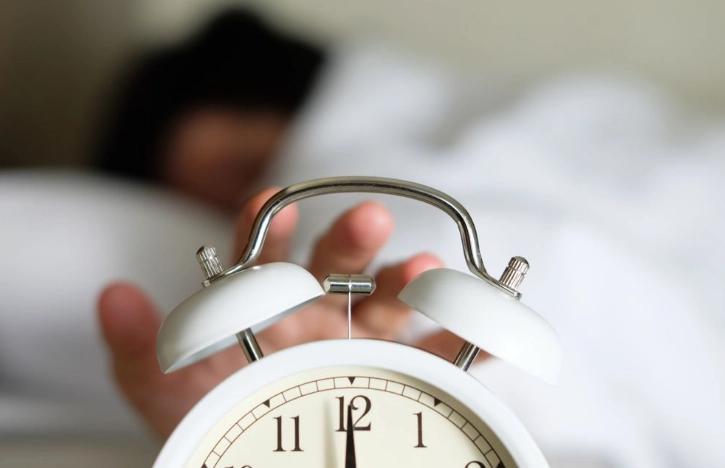
The Science (and Sense) Behind Each Number
Let’s be honest, the exact numbers feel a bit arbitrary. Did some sleep scientist determine that 2 hours and 47 minutes is the ideal work cutoff? No. But the principles behind each step are rock-solid sleep hygiene, backed by organizations like the American Academy of Sleep Medicine.
Why the 10-Hour Caffeine Cutoff Isn’t Crazy
Most advice says to avoid caffeine 6-8 hours before bed. The 10-hour rule is more conservative, and for good reason. People metabolize caffeine at wildly different rates. Genetics, medication, and even what you’ve eaten can slow it down. If you’re a slow metabolizer, that 2 PM latte could still be subtly affecting your sleep depth at midnight. The 10-hour rule is a blanket safety net. Is it strict? Yes. But it addresses a common blind spot: under-estimating caffeine’s longevity.
The 3-Hour Food & Alcohol Window: More Than Just Indigestion
It’s not just about heartburn. Eating a large meal close to bedtime raises your core body temperature. For sleep onset, your body needs to drop its core temperature. You’re fighting your own biology. As for alcohol, research consistently shows it reduces REM sleep—the crucial stage for memory consolidation and mood regulation. You might fall asleep faster, but the quality plummets.
The Mental Shutdown (2-Hour Rule) is the Most Overlooked
We fixate on screens and caffeine, but stress is the ultimate sleep thief. Finishing work two hours out isn’t about being lazy; it’s about creating a psychological buffer. This is time for your brain to process the day’s events, to let go of unsolved problems. Without it, you’re bringing the boardroom to bed with you.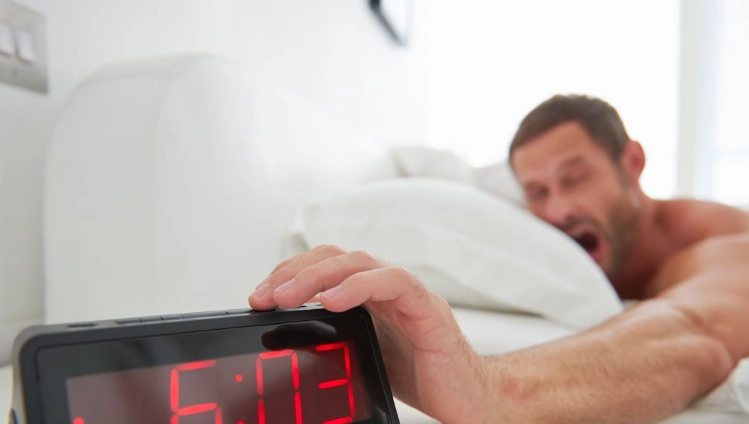
The Biggest Problem With Rigid Sleep Rules
Here’s the non-consensus view most articles won’t give you: Treating the 10-3-2-1-0 rule as a strict law is a recipe for sleep anxiety. I’ve seen clients who, after learning this rule, would lie in bed at 11:05 PM thinking, “I ate at 8:15, that was only 2 hours and 50 minutes before bed… I’ve ruined my sleep.” That stress causes more sleep disruption than the peanut butter toast ever could.
The rule fails to account for real life. Night shifts. Social events. Parents feeding infants. Students studying for exams. If your only takeaway is “I failed the rule,” you’ve missed the point entirely.
The value isn’t in perfect compliance. It’s in the framework. It teaches you to identify your personal sleep disruptors and give your body a gradual wind-down. The numbers are guidelines, not commandments.
How to Customize the 10-3-2-1-0 Rule for Your Life
Forget the countdown. Start with a personal sleep audit. For one week, jot down two things: what you did in the 3 hours before bed, and how you felt the next morning. Notice patterns. Did wine with dinner lead to a 3 AM wake-up? Did late-night scrolling make it hard to quiet your mind?
Now, build your own version. Maybe you’re a night owl who works creatively at night.
Your Custom Rule Could Look Like This:
- Caffeine Cutoff: 1 PM (You’re sensitive, so you give it a full 12 hours).
- Food & Alcohol: A light snack is okay up to 90 minutes before bed if you’re genuinely hungry, but no heavy meals or alcohol after 8 PM.
- Mental Work: You need to design until 10 PM. So, your “shutdown” is a 30-minute ritual: tidy your desk, write tomorrow’s to-do list, and listen to a podcast—no screens.
- Screens: 45 minutes before bed, phone goes on the charger across the room. You read a physical book.
- Snooze: You place your alarm clock (not your phone) far enough away that you have to stand up to turn it off.
See the difference? The principles are the same—managing stimulants, food, stress, and light—but the execution fits you. The goal is consistency in your wind-down, not adherence to someone else’s schedule.
Reader Comments