It's 2:37 AM. The world is quiet, but your mind is a loud, chaotic city. You've tried counting sheep, deep breathing, maybe even that "military sleep method" everyone talks about. Nothing sticks. The frustration builds, which makes you more awake. I've been there more nights than I care to count.
Here's a truth most sleep advice glosses over: trying to force sleep is the surest way to keep it away. Your goal isn't to command your body to sleep. Your goal is to disengage from the anxiety loop. And one of the most effective, yet simplest tools for that is often dismissed as too ordinary: reading.
But not just any reading. Scrolling your phone? That's a trap. Reading a gripping thriller or a work email? That's pouring gasoline on the fire. The "read this when you can't sleep" strategy is a specific skill. It's about choosing the right material and approaching it with the right intention—to gently bore your busy mind into submission.
Your Quick Map to a Quieter Mind
Why Reading Helps When You Can't Sleep
Scientists have found that the cognitive processes involved in reading—following a narrative, visualizing scenes—create a mental state incompatible with the kind of anxious, repetitive worrying that keeps you up. It's not magic; it's cognitive bandwidth.
Think of your mind's focus as a single spotlight. At 3 AM, that spotlight is usually trained on a disastrous internal monologue: "Why can't I sleep? I'll be wrecked tomorrow. What was that thing I said five years ago?" Reading shifts that spotlight. It gives your brain a gentle, structured task that's just engaging enough to distract it, but not so stimulating it activates your stress response.
A study often cited by the American Academy of Sleep Medicine points to the importance of a relaxing pre-sleep ritual. Reading a physical book (not a screen) is a classic example. It's a signal to your body: the day is over, it's time to wind down. It physically takes you away from the blue light of devices, which suppresses melatonin, the very hormone you're trying to encourage.
The key is the type of reading. It must be a low-stakes, low-arousal activity.
What to Read When Sleep Won't Come
This is where most people go wrong. They grab whatever's on the nightstand. Your choice of material is 80% of the battle. The goal isn't to be entertained or informed; the goal is to be mildly engaged.
The Golden Rules of Sleep-Time Reading Material
- Familiarity Over Novelty: Re-read an old favorite. Knowing the plot eliminates suspense, which is exactly what you want. The comfort of a known story is deeply soothing.
- Slow Pace & Descriptive Prose: Look for books heavy on atmosphere and light on plot twists. Think pastoral descriptions, detailed settings, gentle character studies. Jane Austen is better than a James Patterson thriller for this purpose.
- Physically, Not Digitally: Use a physical book or an e-ink reader (like a Kindle Paperwhite with the front light set to warm and dim). Your smartphone or tablet is a sleep saboteur.
- Non-Fiction Can Work, If It's Dull: Sounds harsh, but it's true. A dense history book, a detailed field guide to birds, a technical manual. The aim is gentle cognitive engagement, not page-turning excitement.
A Personal Suggestion That Works: I keep a specific, well-worn anthology of nature essays by my bed. The essays are beautiful but meandering. They describe landscapes in minute detail. There's no conflict, no drama—just words painting a calm picture. Within 15 minutes, my mind stops churning and starts drifting along with the prose. Find your own version of this.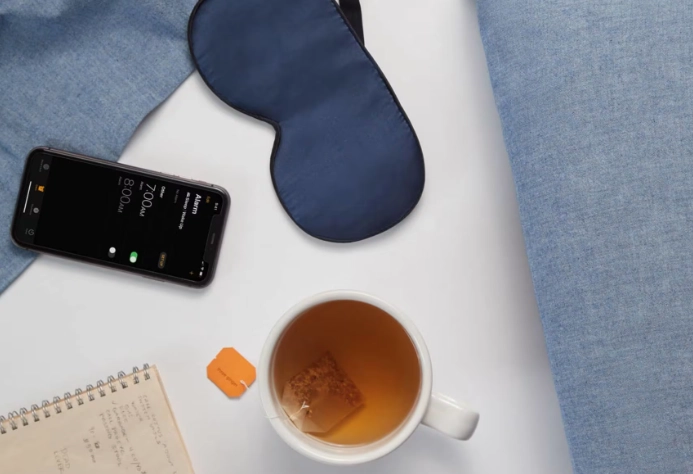
What NOT to Read (The Midnight Blacklist)
Just as important as what to pick up is what to avoid. This list is non-negotiable:
- Breaking News or Social Media: This is emotional and cognitive poison at bedtime. It's designed to provoke a reaction.
- Page-Turning Mysteries/Thrillers: "Just one more chapter" is the enemy of sleep.
- Work-Related Material: Emails, reports, strategy documents. They activate task-oriented and anxious parts of your brain.
- Deeply Emotional or Tragic Literature: Now is not the time for a tearjerker.
How to Read for Sleep (Not for Alertness)
Your technique matters as much as the text. You're not reading to comprehend or analyze; you're reading to disengage.
- Get Physically Ready: Lie down in your sleeping position. Use a reading pillow or prop yourself up just enough to hold the book comfortably. The message is: we are in bed, preparing for sleep.
- Light It Right: Use a very warm, dim bedside lamp. It should be just bright enough to see the words without strain. If using an e-ink reader, turn on the warm light setting and dim it to the lowest usable level.
- Read Slowly and Softly: Don't speed-read. Linger on descriptions. Some people find it helpful to sub-vocalize (read the words in their head slowly) or even whisper them. The monotony is the point.
- Let Your Mind Wander: This is crucial. If you catch yourself re-reading the same paragraph three times because your mind drifted, that's a good sign. Don't fight it. It means your brain is beginning to let go. Put the book down and see if sleep is ready to take over.
- Set a Limit, Not a Goal: Don't say "I'll read a chapter." Say "I'll read for 15-20 minutes, or until I feel my eyelids get heavy." The moment you feel the first genuine tug of drowsiness, stop. Mark your page, put the book away, turn off the light, and close your eyes.
A Simple 15-Minute "Read to Sleep" Routine
Here’s exactly what to do, step-by-step, when you've been lying awake for more than 20 minutes.
Minute 0-2: Acknowledge you're not sleeping. Get out of bed briefly (this breaks the association of bed with frustration). Use the bathroom, get a small sip of water.
Minute 2-4: Return to bed. Adjust your pillows. Pick up your pre-selected "sleep book"—the boring, familiar, or descriptive one you've chosen for this purpose.
Minute 4-14: Read slowly. Focus on the texture of the words, the images they create. Don't worry about retaining anything. When anxious thoughts intrude (they will), note them—"oh, there's the work worry again"—and gently return your spotlight to the next sentence.
Minute 14-15: Assess. Do you feel even 10% drowsier than you did 10 minutes ago? If yes, close the book. Place it on the nightstand. Turn off the light. Roll over and settle into your favorite sleeping position. If not, give it another 5-10 minutes, but no more.
When Reading Isn't Enough: Other Tools to Try
Sometimes, the mental noise is too loud for even a book to cut through. That's okay. Have a backup plan. Reading is your primary tool, but your toolkit should have others.
If reading feels impossible, try this "Write First, Read Later" hybrid. Keep a notepad by your bed. When thoughts are racing, spend 5 minutes dumping every single worry, to-do, or random thought onto paper. Don't write in sentences; just list. Get it out of your head and onto a page you can deal with tomorrow. Then pick up your book. You've just cleared the mental cache, making space for the calming effects of reading.
Another powerful partner is audio. Pair your very low-key reading with an equally calm sound. A fan, a white noise machine, or a recording of steady rain. The combination of focused visual task (reading) and consistent, monotonous sound can be incredibly effective at crowding out internal chatter.
If you find you can't focus on words at all, drop the book entirely and try a pure audio approach: listen to a sleep story or a guided sleep meditation with your eyes closed. The Calm or Headspace apps have dedicated content for this. The narration gives your mind a gentle focal point without the effort of decoding text.
Your Midnight Reading Questions, Answered
The next time you find yourself awake in the deep silence of night, remember this: you don't have to wrestle with your thoughts. You can sidestep them. Reach for the right book, read it the right way, and let the simple, rhythmic act of following words on a page lead you away from the noisy city of your mind and into the quiet countryside of sleep.
Reader Comments