
Quick Navigation
- The Main Culprit: Revenge Bedtime Procrastination
- Beyond Revenge: The Other Psychological Players
- The Physical and Biological Side of the Story
- Breaking Down the Types of Late-Night Behavior
- Actionable Strategies: How to Actually Break the Cycle
- Common Questions (The Stuff You're Actually Searching For)
- Wrapping It Up: A Kinder Approach to Your Nights
I used to think I was just broken. Everyone else seemed to manage a normal sleep schedule, while I was locked in a nightly war with myself. I'd be exhausted by 10 PM, promise myself I'd sleep soon, and then suddenly it's 2 AM and I'm deep in a Wikipedia rabbit hole about the history of concrete. Sound familiar? The guilt the next morning is brutal. You're tired, unproductive, and you vow tonight will be different. Then the cycle repeats.
So what's really going on here? The short answer is: you're trying to meet needs that aren't being met during the day. The long answer is more fascinating, and honestly, a bit of a relief once you understand it. It means you can actually do something about it.
The Main Culprit: Revenge Bedtime Procrastination
Let's start with the term that's been buzzing around lately. Revenge bedtime procrastination. It's a mouthful, but it perfectly describes the phenomenon. Coined from research (you can read about its origins in sleep studies from sources like the National Sleep Foundation), it refers to the decision to sacrifice sleep for leisure time that you feel you didn't get during the day.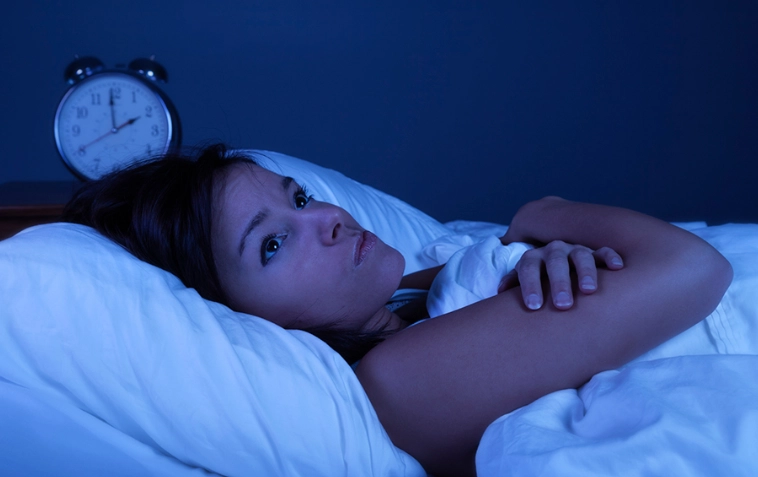
Think about it. Your day is scheduled down to the minute—work, chores, errands, maybe caring for others. Your time is never truly yours. When night falls and everyone else is asleep, that's the first moment you have with no demands. No one asking for anything. It's quiet. And you want to reclaim it. You're taking revenge on a day that stole your freedom by stealing back time from the night, even if the cost is your own well-being.
It’s a dysfunctional trade, but in the moment, it feels absolutely necessary. This is a core reason why the question "why do I stay up all night even when I'm tired?" pops into our heads. We're not just staying up; we're rebelling.
Beyond Revenge: The Other Psychological Players
While revenge procrastination is a huge piece, it's not the whole puzzle. Our minds are tricky, and they use the quiet of the night to work against us in other ways.
Anxiety and the Racing Mind
The minute your head hits the pillow, your brain decides it's the perfect time to review every awkward thing you've ever said, worry about tomorrow's meeting, and solve all your life's problems. This isn't insomnia in the classic sense—it's your anxious mind finally catching up with you when there are no other distractions. The stillness of the night amplifies every worry. Staying up with a screen or a book becomes a way to drown out the noise in your head. It's a distraction technique, and a pretty effective one in the short term.
Fear of Missing Out (FOMO) and Hyper-Connection
Our phones are portals to a world that never sleeps. Social media feeds, group chats, news cycles—they're all designed to keep you engaged. Going to sleep can feel like you're switching off the world and might miss something important or interesting. This low-grade FOMO keeps your thumb scrolling. It's a hard habit to break because the reward (a new message, a funny video) is unpredictable and dopamine-inducing.
Let's be clear: most of what you see at 1 AM is not important. But in that tired, vulnerable state, your brain's judgment is impaired, and the lure is strong.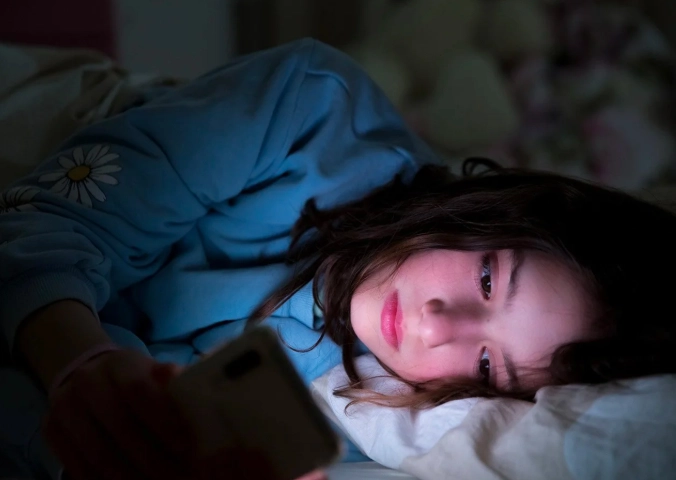
Poor Sleep Association and Conditioned Arousal
Here's a less-discussed but critical factor. If you regularly use your bed for work, eating, or stressful activities, your brain stops associating it solely with sleep. It becomes a multi-purpose space. More damaging, if you lie in bed for hours feeling frustrated and awake, you start to condition yourself to feel anxious and alert in bed. Your bed becomes a trigger for wakefulness, not rest. So you avoid it. You'd rather stay on the couch where you don't feel the pressure to sleep, which is ironic because that makes the problem worse.
The Physical and Biological Side of the Story
It's not all in your head. Your body's internal systems are often working against your best intentions, especially with our modern lifestyles.
Blue Light and Circadian Rhythm Disruption
You've heard this before, but it's worth repeating because it's so powerful. The blue light from screens suppresses melatonin production. Melatonin is the hormone that tells your body it's time for sleep. When you're scrolling in bed, you're essentially telling your brain, "It's daytime! Stay awake!" Even if you feel tired, your internal clock is getting conflicting signals. Resources from places like the Harvard Health Publishing have detailed the science behind this. It's a direct, physiological sabotage of your sleep drive.
Adrenal Fatigue and Cortisol Spikes
When you're chronically stressed and tired, your adrenal glands can get out of whack. Cortisol, your stress hormone, should be high in the morning to wake you up and low at night to let you sleep. In a state of chronic fatigue and stress, this rhythm can flip or get messy. You might feel wiped out all day, only to get a weird, jittery second wind at night. That's often a cortisol issue. It's not real energy; it's your stress system running on fumes.
And what do we often do when we have that jittery, wired feeling? We reach for caffeine or sugar late in the day, or we try to power through work, which just pumps more cortisol and makes the problem worse. Asking "why do I stay up all night even when I'm tired?" might lead you to look at your 4 PM coffee habit.
Lack of Physical and Mental Satisfaction
This is a big one that doesn't get enough airtime. If your day is mentally draining but physically sedentary, your body hasn't expended its energy. You're mentally exhausted but physically restless. Conversely, if your day is physically grueling but mind-numbingly boring, your mind may be craving stimulation. That imbalance creates a weird state where one part of you is exhausted, but another part is restless and unsatisfied. The night becomes the time to satisfy that restless part, whether it's through physical activity (pacing, cleaning) or mental stimulation (gaming, reading).
Breaking Down the Types of Late-Night Behavior
Not all late-night sessions are the same. Understanding your specific flavor can help you target a solution. Here’s a breakdown.
| Type of "Staying Up" | What It Looks Like | Primary Driver | Common Thought Pattern |
|---|---|---|---|
| The Escapist Scroll | Mindlessly browsing social media, Reddit, or shopping sites for hours. | Revenge procrastination, mental shutdown, avoidance. | "I just need to zone out. My brain is too tired to do anything else." |
| The Binge Watcher | "Just one more episode" turns into three. Immersing in a narrative world. | Craving for leisure/story, desire to delay tomorrow. | "This is my only 'me time.' I need to see what happens next." |
| The Midnight Problem-Solver | Suddenly deciding to organize files, plan the future, or research a random topic intensely. | Anxiety, feeling out of control during the day, manic energy. | "I can't sleep until I figure this out. Now is the only quiet time to think." |
| The Creative Burst | Getting sudden inspiration to write, draw, or work on a project. | Unmet creative needs, quiet focus time, reversed circadian rhythm. | "The ideas are flowing now! If I go to sleep, I'll lose this momentum." |
| The Doom & Gloom Reflector | Lying in the dark, heart racing, replaying past failures or worrying about future disasters. | Pure anxiety, depression, rumination. | "What if... [insert catastrophic thought]. I can't sleep with this on my mind." |
See yourself in one or more of these? Most people do. I’ve definitely been The Escapist Scroll and The Midnight Problem-Solver, often in the same night. It starts with zoning out to escape, then my brain, irritated by the waste of time, decides to "be productive" at midnight to make up for it. A comedy of errors.
Actionable Strategies: How to Actually Break the Cycle
Knowing why is only half the battle. The other half is doing something different. This isn't about perfection; it's about shifting the pattern. Pick one or two of these to start with.
Redesign Your Evening Wind-Down
The goal is to create a buffer zone between your demanding day and sleep. This isn't just about turning off screens (though that's part of it). It's about actively transitioning your nervous system from "go" to "slow."
- The 1-Hour Screen Curfew: This is non-negotiable if you're serious. One hour before your target bedtime, all phones, tablets, laptops, and TVs go off. Not on night mode, not dimmed—off. Put them in another room to charge. Yes, it will feel weird and difficult. Do it anyway for a week and see what happens.
- Replace with Low-Stimulus Activities: What will you do for that hour? Have a plan, or you'll just sit there frustrated. Try: reading a physical book (not a thriller!), listening to calm music or a boring podcast, gentle stretching, tidying up without urgency, or taking a warm shower or bath.
- Journal the Day Away: A powerful technique is a "brain dump" journal. Write down everything on your mind—tasks, worries, ideas. The physical act of putting it on paper signals to your brain that it can let go for the night. You don't have to solve anything; just get it out.
That first night, you'll fidget. You'll think of a million things you need to check on your phone. Sit with the discomfort. It's your brain detoxing from constant stimulation. By the third or fourth night, you might start to notice a natural sleepiness creeping in during that hour.
Reclaim "Me Time" During Daylight
This attacks the root of revenge procrastination. If you're staying up for freedom, you must carve out bits of that freedom during the day. It doesn't have to be hours.
- The 15-Minute Daily Reclaim: Block out 15 minutes in your calendar, in the middle of the day if possible. This is sacred, non-negotiable time for you. Do something purely enjoyable and non-productive. Listen to a favorite song, step outside, doodle, call a friend just to chat. Protect this time fiercely.
- Create Clear Boundaries: If work or family demands constantly bleed into your evening, create a hard stop ritual. At a specific time, say out loud, "My work day is now over," and shut down your computer. Change your clothes. Light a candle. Do something symbolic to mark the transition from provider/worker/carer to just being you.
When you give yourself permission to have personal time while the sun is still up, the desperate need to steal it from the night diminishes. You've answered part of "why do I stay up all night" by addressing the deprivation.
Manage the Midnight Anxiety Spike
For the racing thoughts and worries, you need tools to quiet the mental chatter.
- The "Worry Window": Schedule a worry time earlier in the evening, say 7 PM. Give yourself 15 minutes to write down and think about everything worrying you. When worries pop up at night, tell yourself, "That's important. I've scheduled time to think about it tomorrow at 7 PM." It sounds silly, but it trains your brain to postpone rumination.
- Get Out of Bed: If you've been lying awake for more than 20 minutes, get up. Go to another room and do a boring, low-light activity (like reading a manual or a dictionary) until you feel sleepy. This breaks the association between bed and wakeful frustration.
- Focus on Body, Not Brain: Try a body scan meditation or simple 4-7-8 breathing (inhale 4, hold 7, exhale 8). This pulls your focus away from thoughts and into physical sensation, which can trigger relaxation.
Common Questions (The Stuff You're Actually Searching For)
Wrapping It Up: A Kinder Approach to Your Nights
Asking "why do I stay up all night even when I'm tired?" is the first and most important step. It means you're noticing a pattern that isn't serving you. The answer isn't about forcing yourself to bed with more willpower. Willpower is exhausted by the end of the day. It's about compassionately understanding the needs you're trying to meet at midnight and figuring out how to meet them in healthier ways, earlier.
Start small. Maybe tonight, you just charge your phone outside the bedroom. Or you protect 10 minutes of quiet time after lunch. This isn't a battle you win with a single dramatic change. It's a slow, gradual realignment of your habits and your mindset towards your own time and rest.
Your sleep isn't a luxury or an inconvenience. It's the foundation. When you protect it, you're not being boring or missing out. You're building the energy and clarity you need to have a better, more present day—a day that might just be fulfilling enough that you won't feel the need to take revenge on it when the sun goes down.
That shift, from fighting the night to making peace with it, changes everything. Give it a try. Your tired, future self will thank you.
Reader Comments