Quick Navigation
- What Is Sleep Quality, Really? (It's More Than Just Feeling Rested)
- The Pillars of Poor Sleep: What's Really Messing With Your Rest?
- The Science of Sleep: What Happens When You Get High-Quality Shut-Eye?
- The Action Plan: How to Actually Improve Your Sleep Quality
- Common Sleep Quality Questions (And Real Answers)
- When to Suspect Something More: Sleep Disorders
- The Long Game: Why Investing in Sleep Quality Pays Off Forever
Let's be honest. We've all had those nights. You know the ones. You go to bed at a reasonable time, you drift off... and then you're staring at the ceiling at 3 AM, your brain deciding now is the perfect moment to replay that awkward thing you said in 2012. Or you sleep for eight hours but wake up feeling like you've been run over by a truck. That, my friend, is the murky world of poor sleep quality.
It's not just about quantity. You can be in bed for nine hours and still have terrible sleep quality. And you can get six hours of deep, restorative sleep and feel fantastic. The difference is everything.
I used to think I was a "bad sleeper." For years, I chased the magic number of hours, ignoring how I actually felt. It wasn't until I started paying attention to the quality of my sleep that things changed. I stopped just counting sheep and started understanding what was happening while I was out.
What Is Sleep Quality, Really? (It's More Than Just Feeling Rested)
Most people think sleep quality is a vague feeling of being refreshed. But researchers actually break it down into measurable parts. Think of it like a report card for your night.
So, high sleep quality means you fall asleep relatively quickly (say, within 20-30 minutes), you stay asleep through most of the night with minimal disruptions, and you spend most of your time in bed actually asleep, not tossing and turning. When these elements align, you wake up feeling restored.
Why does this matter so much? Because poor sleep quality is a silent saboteur. It doesn't always shout. It whispers. It's the low-grade brain fog you can't shake, the irritability you blame on a busy day, the craving for sugar at 3 PM, the weakened immune system that has you catching every cold. Good sleep quality, on the other hand, is like a daily system reboot for your brain and body.
The Pillars of Poor Sleep: What's Really Messing With Your Rest?
Before we fix it, we have to know what's breaking it. And let me tell you, the list is longer than just "drinking coffee too late." Some of these might surprise you.
Your Environment: The Bedroom You Built
Your bedroom might be working against you. Light is a huge one. And I'm not just talking about streetlights. The tiny LED from your charger, the standby light on your TV, the glow from a digital clock – these all signal to your brain that it's time to be alert, not asleep. Noise disruptions, even minor ones, can pull you out of deep sleep stages without you fully waking up. Then there's temperature. Most people sleep best in a cool room, around 65°F (18°C). A hot, stuffy room can prevent your core body temperature from dropping, which is a key signal for sleep.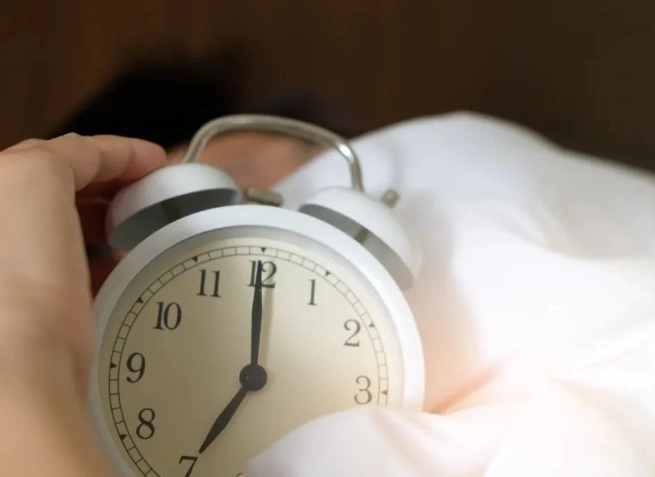
And the mattress? If it's older than 7-10 years, it's probably not providing the support you need. I held onto a lumpy old mattress for years because it was "fine." Upgrading was a game-changer for my sleep quality.
Your Habits: The Pre-Bed Ritual (Or Lack Thereof)
This is where most of us trip up. The hour before bed is crucial. Scrolling through social media or watching an intense thriller right up until lights-out is like revving your engine and then expecting it to instantly shut off. Your brain needs a wind-down period. Blue light from screens suppresses melatonin production, the hormone that tells your body it's sleepy time. Irregular sleep schedules confuse your internal clock (your circadian rhythm). Going to bed at 10 PM one night and 1 AM the next is like giving yourself jetlag without leaving your city.
Diet and Substance Intake
You know about caffeine. But its half-life is about 5-6 hours. That afternoon coffee at 3 PM? Half of it is still in your system at 9 PM. Alcohol is a tricky one. It might help you fall asleep faster, but it absolutely wrecks sleep quality in the second half of the night. It disrupts REM sleep (the dreaming stage crucial for memory and mood) and can cause fragmented sleep. Heavy, spicy, or large meals too close to bedtime force your digestive system to work overtime, which can keep you awake or cause discomfort.
The Science of Sleep: What Happens When You Get High-Quality Shut-Eye?
Sleep isn't a passive state. It's an active, structured process your brain and body are busy with. Understanding the stages helps you see why waking up during certain phases ruins your sleep quality.
Sleep cycles through stages, each lasting about 90 minutes. You go through multiple cycles each night.
| Sleep Stage | What Happens | Why It Matters for Sleep Quality |
|---|---|---|
| N1 (Light Sleep) | Transition from wakefulness to sleep. Muscle activity slows, easy to wake. | This is the gateway. Frequent disruptions here mean you never get to the good stuff. |
| N2 (Light Sleep) | Body temperature drops, heart rate slows. You spend about 50% of the night here. | Essential for processing memories and learning. The "baseline" of sleep. |
| N3 (Deep Sleep / Slow-Wave Sleep) | Very hard to wake from. Tissue growth and repair occur, energy is restored, hormones are released. | The physical restoration phase. Crucial for feeling physically refreshed. Poor sleep quality often means not enough deep sleep. |
| REM Sleep | Rapid Eye Movement. Brain is active, dreams occur, muscles are paralyzed. | The mental restoration phase. Vital for memory consolidation, learning, and mood regulation. Disrupted by alcohol and some medications. |
As the night goes on, the proportion of REM sleep in each cycle increases. That's why cutting your sleep short often means you're missing out on crucial REM time. Waking up during deep sleep (N3) is what causes that groggy, disoriented feeling called sleep inertia. Good sleep quality means you complete these cycles smoothly and wake up naturally at the end of a lighter sleep stage.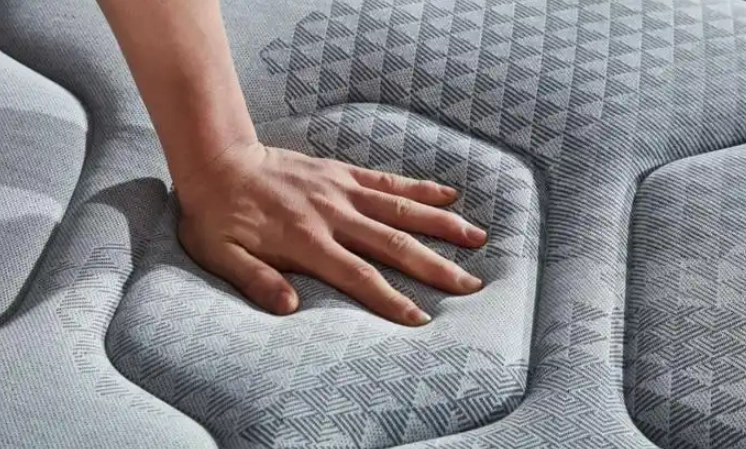
The Action Plan: How to Actually Improve Your Sleep Quality
Okay, theory is great. But what do you do? Here's a no-nonsense, tiered approach. Start with the basics before you dive into the advanced stuff.
Tier 1: The Non-Negotiables (Start Here Tonight)
These are the foundation. If you do nothing else, do these.
- Get Light Right: Get bright light exposure (preferably sunlight) within 30-60 minutes of waking. This sets your circadian rhythm. At night, dim the lights and avoid screens for at least an hour before bed. Use blue light filters or, better yet, read a physical book.
- Set a Schedule: Go to bed and wake up at the same time every day, even on weekends. Yes, even on Saturday. Consistency is king for sleep quality.
- Cool It Down: Lower your bedroom thermostat. A cool room is non-negotiable for good sleep. Take a warm bath or shower 1-2 hours before bed; the subsequent drop in body temperature promotes sleepiness.
- Create a Wind-Down Ritual: Spend 30-60 minutes doing something calm. Read (not on a backlit device), listen to calming music or a podcast, do light stretching, journal. Tell your brain it's time to shift gears.

Tier 2: Optimizing Your Environment
Once the habits are in place, tweak your surroundings.
- Pitch Black: Use blackout curtains. Cover or remove every tiny light source. Consider a comfortable sleep mask if total darkness isn't possible.
- Silence is Golden: Use earplugs, a white noise machine, or a fan to mask disruptive sounds. I find a simple box fan does the trick—constant, dull noise.
- Bed is for Sleep (and Sex): Don't work, eat, or watch stressful TV in bed. You want your brain to associate the bed with one thing: sleep. This strengthens the mental connection and improves sleep latency.
- Evaluate Your Mattress & Pillow: Are you waking up with aches? Your sleep surface might be the culprit. There's no one "best" mattress; it's about your body and sleep position.
Tier 3: Diet, Exercise, and Mind Tricks
The fine-tuning stage.
- Caffeine Curfew: Stop caffeine at least 6-8 hours before bedtime. For a 10 PM bedtime, that means no coffee after 2-4 PM.
- Mind the Nightcap: Avoid alcohol within 3 hours of bed. It might help you fall asleep, but it will degrade your sleep quality later.
- Time Your Meals: Finish large meals 2-3 hours before bed. A small, sleep-promoting snack (like a banana, a handful of almonds, or some tart cherry juice) is okay if you're genuinely hungry.
- Move Your Body (But Not Too Late): Regular exercise is fantastic for sleep quality, but intense workouts too close to bedtime can be stimulating for some people. Finish vigorous exercise at least 2-3 hours before bed.
- Get Out of Bed: Can't sleep after 20 minutes? Don't lie there getting frustrated. Get up, go to another dimly lit room, and do something boring (read a dull book) until you feel sleepy. This prevents your bed from becoming a place of anxiety.
Common Sleep Quality Questions (And Real Answers)
When to Suspect Something More: Sleep Disorders
Sometimes, poor sleep quality isn't about habits. It's a medical condition. If you consistently implement good sleep hygiene for a few weeks and see no improvement, or if you experience any of the following, talk to a doctor.
- Loud, chronic snoring punctuated by pauses or gasps (potential sign of sleep apnea).
- An overpowering urge to move your legs in the evening (Restless Legs Syndrome).
- Falling asleep uncontrollably during the day, even in dangerous situations (like driving).
- Your partner notices you stop breathing during sleep.
Sleep apnea, for instance, is a major destroyer of sleep quality because it constantly pulls you out of deep sleep, even if you don't remember waking up. The Mayo Clinic has excellent resources on recognizing the symptoms. Don't self-diagnose, but don't ignore persistent issues either.
The Long Game: Why Investing in Sleep Quality Pays Off Forever
Improving your sleep quality isn't a quick hack. It's a lifestyle investment. The benefits compound.
Think clearer. Feel more stable emotionally. Have more energy for the things you love. Protect your long-term health. Studies linked to institutions like the National Heart, Lung, and Blood Institute (NHLBI) consistently show that chronic poor sleep is associated with higher risks for a host of issues, from heart disease to cognitive decline.
But forget the distant future for a second. The immediate payoff is a better tomorrow. A day where you're not fighting fatigue, where your patience is thicker, your focus is sharper, and your mood is brighter. That's the power of high-quality sleep.
You don't have to be perfect. I'm not. Some nights are still bad. But now I have the tools to understand why and get back on track. Start with one thing. Maybe tonight, it's just turning off your phone an hour earlier and picking up a book. See how you feel tomorrow. That's the first step toward taking back your night—and your day.
Reader Comments