You know the drill. The clock ticks past midnight, your mind races through tomorrow's to-do list, and sleep feels like a distant country. You've tried counting sheep, turning off screens, maybe even some meditation. But what if the secret to switching off your brain was as simple as spritzing your pillow? That's the promise of pillow spray sleep. It's not magic, but it works on a level most people overlook—your sense of smell. Before you dismiss it as another wellness fad, let's break down exactly how a few sprays can cue your nervous system to wind down, how to pick one that actually works, and even how to make your own potent blend for pennies. I've spent years testing these mists, and I've seen the difference between a gimmicky perfume and a genuinely effective sleep tool.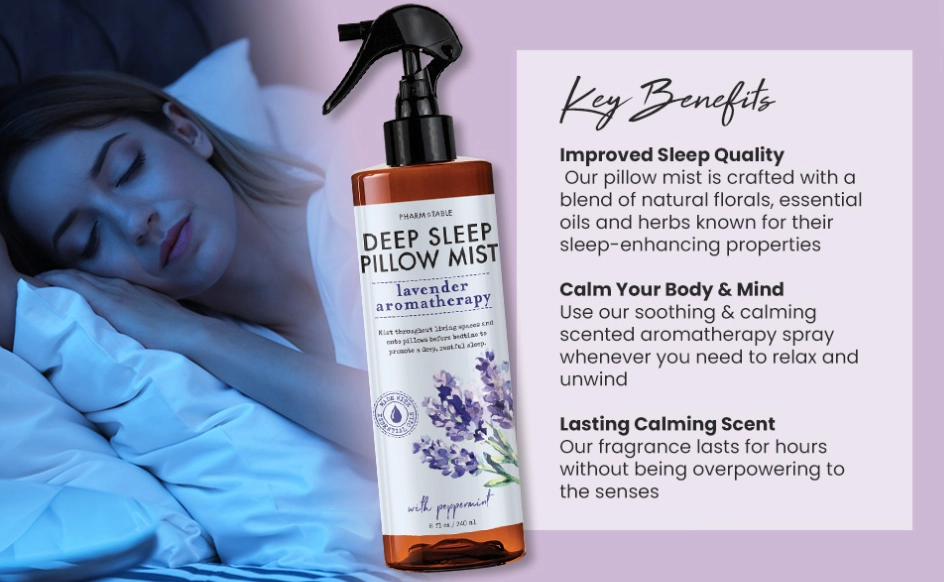
What's Inside?
What Exactly Is a Pillow Spray and How Does It Work?
A pillow spray is a water-based mist infused with essential oils and other natural ingredients designed to be lightly sprayed on your pillow and bedding before sleep. Think of it as aromatherapy you don't have to think about. You spray it, lie down, and breathe it in as you drift off.
The mechanism is rooted in olfaction—your sense of smell. When you inhale the scent molecules, they travel directly to the olfactory bulb, which has a direct neural connection to your brain's limbic system. This is the part of your brain that handles emotions, memories, and, crucially, the stress response. Calming scents like lavender don't just smell nice; they send a signal to your amygdala (the brain's fear center) and hypothalamus to dial down the production of stress hormones like cortisol. Research from places like the National Institutes of Health (NIH) has documented lavender's anxiolytic (anxiety-reducing) and sedative effects. It's like a chemical message telling your body, "Hey, we're safe. It's time to rest now."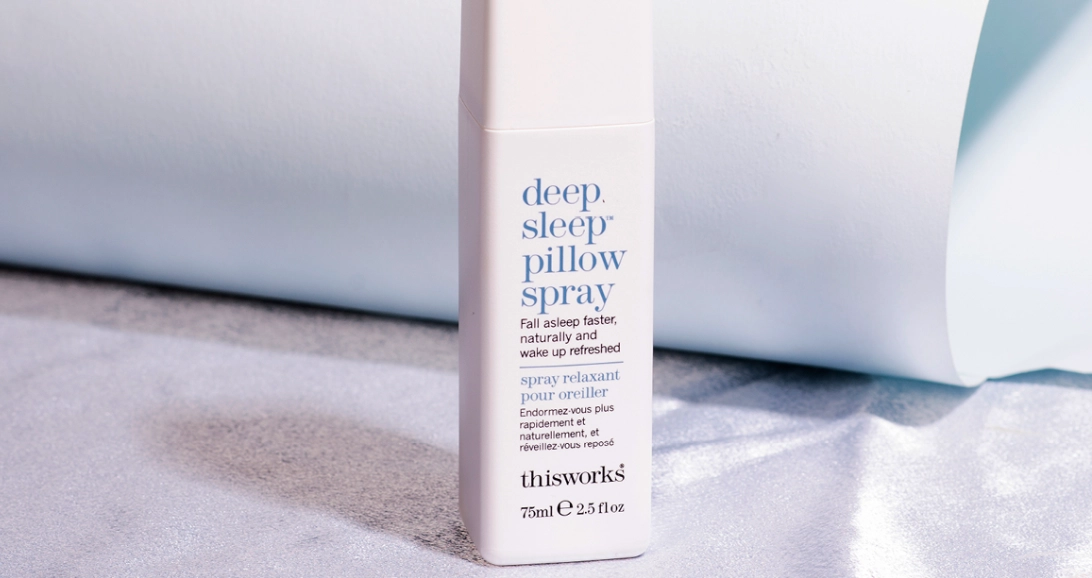
It's a form of classical conditioning, too. After a week or two of consistent use, your brain starts to associate that specific lavender-vanilla or chamomile-bergamot scent with the act of sleeping. The spray becomes a powerful psychological cue, telling your mind it's time to shut down for the night. It's not a sleeping pill. It's a gentle nudge for your nervous system.
The Real Benefits: More Than Just a Nice Smell
Why bother with a spray when you could just use a diffuser? Convenience and targeted delivery. A diffuser fills the whole room, which is great, but the scent can be overwhelming or dissipate quickly. A spray on your pillow creates a personal scent cloud right where your nose is for the first critical hours of sleep.
Faster Sleep Onset
The primary benefit most users report is falling asleep quicker. That frustrating period of staring at the ceiling shortens. When your mind is churning, a familiar, calming scent gives it something neutral and pleasant to focus on, breaking the cycle of anxious thoughts.
Improved Sleep Quality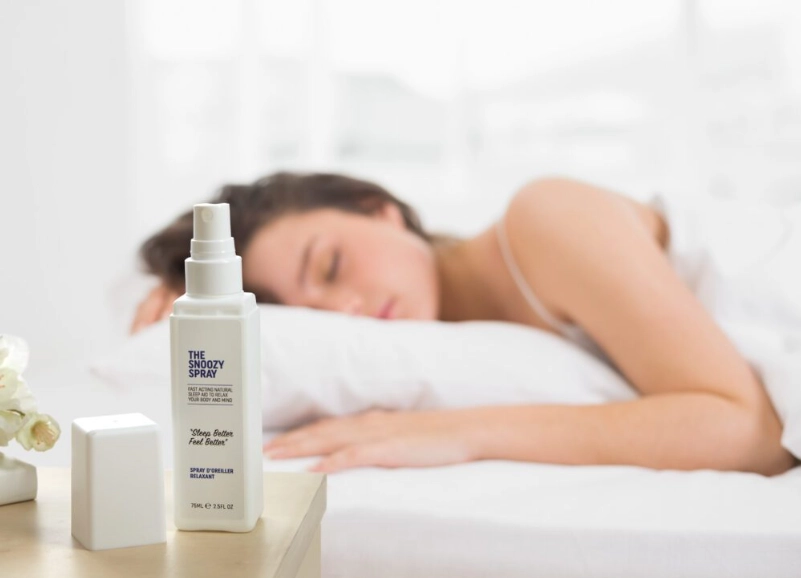
It's not just about dozing off. The right blend can promote deeper, less fragmented sleep. I've noticed I wake up less frequently during the night when I use my spray consistently. Some studies suggest certain oils may increase slow-wave sleep—the most restorative phase.
A Portable Sleep Ritual
This is a huge one for me. Travel disrupts sleep. Different bed, different noises, different light. Having a small bottle of my sleep spray in my toiletry bag creates instant familiarity. Spraying it in a hotel room marks the space as mine and signals my brain for sleep, no matter the time zone. It's a non-negotiable part of my packing list now.
How to Choose an Effective Pillow Spray (The Ingredient Check)
Walk into a store, and you'll see dozens of options. Most will have pretty packaging and vague promises. Here’s how to cut through the marketing and find one that works. The label is everything.
Avoid "Fragrance" or "Parfum." This is my number one rule. These are synthetic scent chemicals that can cause headaches or irritation for many people, completely defeating the purpose. They have no therapeutic benefit. You want a spray that uses 100% pure essential oils as its scent source.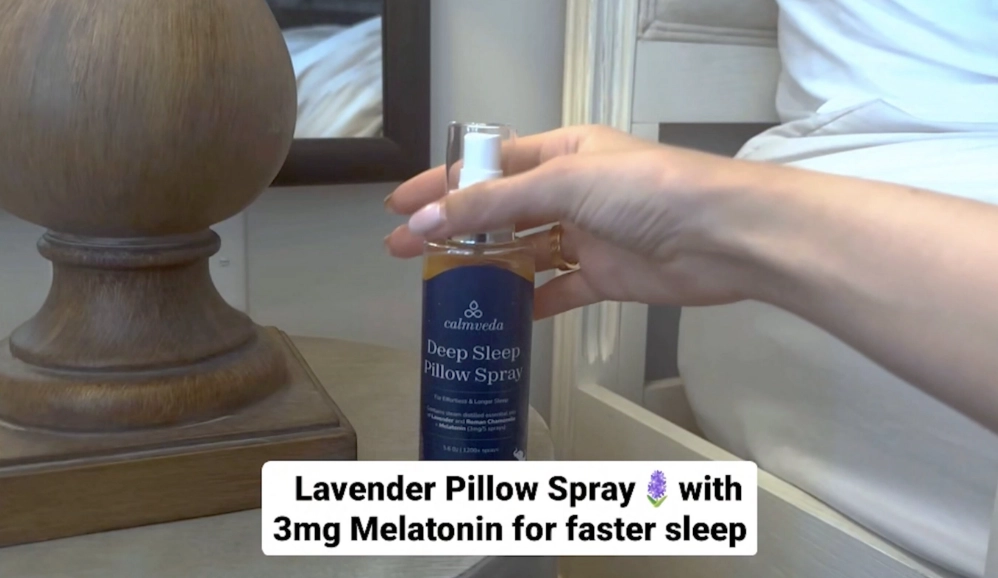
Look for these sleep-inducing heavy hitters in the ingredient list:
- Lavender (Lavandula angustifolia): The gold standard. Proven to reduce anxiety and promote calm. Look for it high on the list.
- Roman Chamomile: Gentle, apple-like scent. Excellent for soothing nervous tension and irritability.
- Bergamot: A citrus oil that's uniquely uplifting yet calming. It's great for people whose nighttime anxiety is linked to low mood.
- Vetiver or Cedarwood: Earthy, grounding scents. These are fantastic for an overactive, racing mind. They feel like an anchor.
- Marjoram: A less common one, but a personal favorite for its muscle-relaxing properties.
The carrier (the liquid the oils are mixed into) should be something like distilled water, witch hazel, or vegetable glycerin. Avoid sprays with high alcohol content, as they can be drying and smell harsh.
| Ingredient to Look For | Why It's Good | What to Be Wary Of |
|---|---|---|
| Lavender Essential Oil | Clinically shown to lower heart rate and promote relaxation. | "Lavender Fragrance" or "Lavender Scent." |
| Roman Chamomile Essential Oil | Gentle sedative, excellent for children and sensitive individuals. | Sprays with artificial colors or glitter. |
| Witch Hazel or Vegetable Glycerin Base | Helps the scent last longer on fabric without staining. | Denatured Alcohol as a primary ingredient (dries quickly, scent fades fast). |
| Clear Ingredient List | Transparency means they're confident in what's inside. | Long lists of unpronounceable chemicals. |
Your DIY Guide: Making a Personalized Sleep Mist
Store-bought sprays can be pricey, and they might not have your perfect scent blend. Making your own is surprisingly easy, gives you total control, and is incredibly cost-effective. Here’s my go-to beginner recipe, scaled for a standard 2oz (60ml) glass spray bottle (get amber or cobalt blue to protect the oils from light).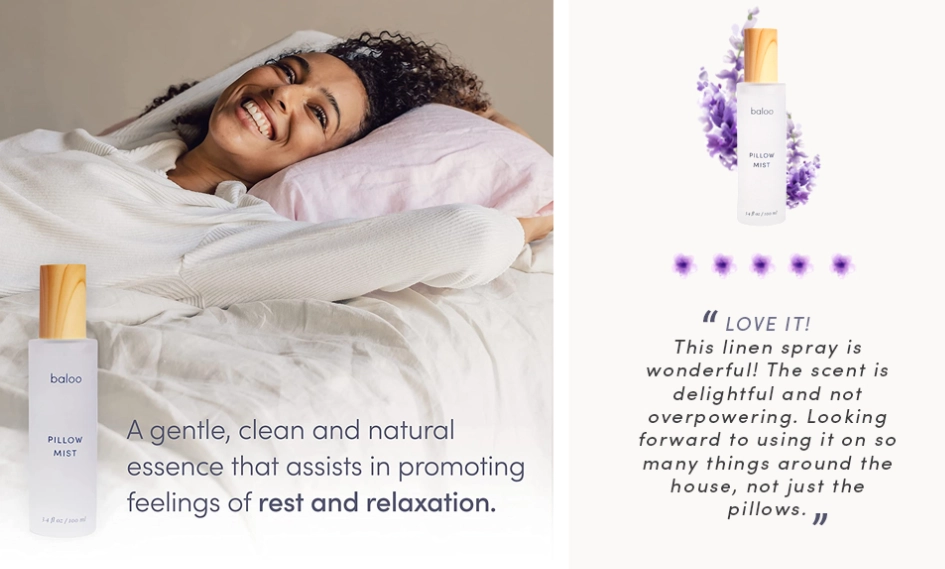
Basic "Deep Slumber" Pillow Spray Recipe:
- Distilled Water: 55 ml (fills most of the bottle)
- Witch Hazel or Vodka (40%+ proof): 5 ml (this acts as an emulsifier, helping oil and water mix. Witch hazel is gentler).
- Essential Oils: 15-20 total drops. This is where you customize.
- Classic Blend: 10 drops Lavender, 5 drops Cedarwood, 3 drops Bergamot.
- For a Racing Mind: 8 drops Vetiver, 7 drops Lavender, 3 drops Marjoram.
- Uplifting & Calming: 8 drops Roman Chamomile, 7 drops Bergamot, 3 drops Sandalwood (if you have it).
Instructions: Add the witch hazel/vodka to the bottle. Add your essential oil drops. Swirl gently to mix. Top up with distilled water. Screw on the spray top and shake vigorously before every use—the oils and water will separate, and that's normal. Spray 3-5 times onto your pillow and bedding 15-30 minutes before bed, allowing a light mist to settle, not a soaking.
Why DIY? You can adjust the strength. If you feel nothing after a week, add a few more drops. If it's too strong, dilute it with more water. You're the boss. I made a heavy vetiver blend for a friend who is a chronic overthinker, and she said it was the first thing that quieted her 3 a.m. mental rehearsals.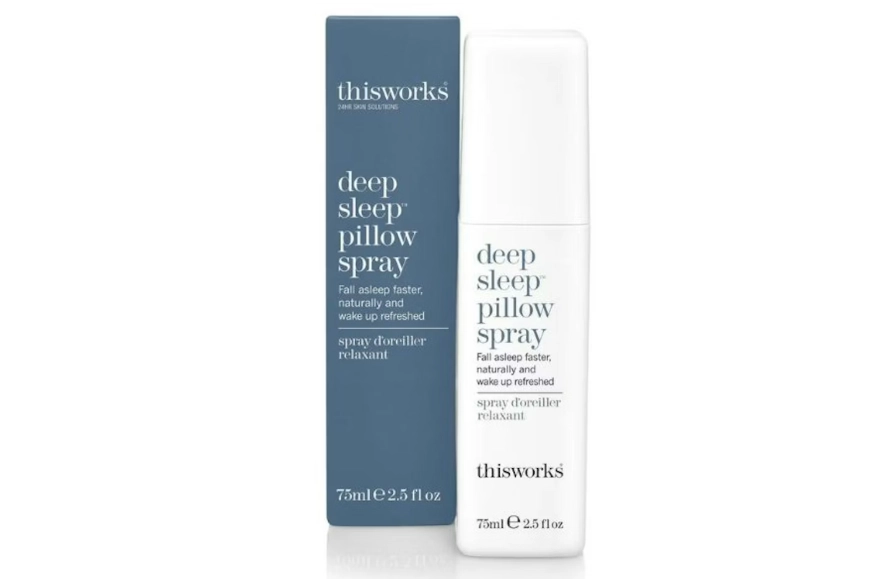
Common Mistakes People Make with Pillow Sprays
I've seen people get frustrated and give up because of simple errors. Avoid these to get the most out of your spray.
Mistake 1: Spraying and Immediately Putting Your Face On It. The mist needs a minute to settle and for the alcohol (if present) to evaporate. Spraying directly onto your face can cause irritation, especially to the eyes. Always spray from about 8-10 inches away and wait a minute before lying down.
Mistake 2: Expecting Instant, Knock-Out Effects. This isn't chloroform. It's a subtle aid. Its power builds with consistency. Use it every night for at least two weeks to build that scent-sleep association.
Mistake 3: Using Too Much. More is not better. A light, barely-there mist is the goal. Drenching your pillow can leave stains, cause the scent to be overpowering (triggering a headache), and waste product. 3-5 sprays are plenty.
Mistake 4: Ignoring Personal Scent Preferences. If you hate the smell of lavender, a lavender spray will not relax you—it will annoy you. The psychological component is key. You must find the scent you find calming. That's why sample sizes or DIY are so valuable.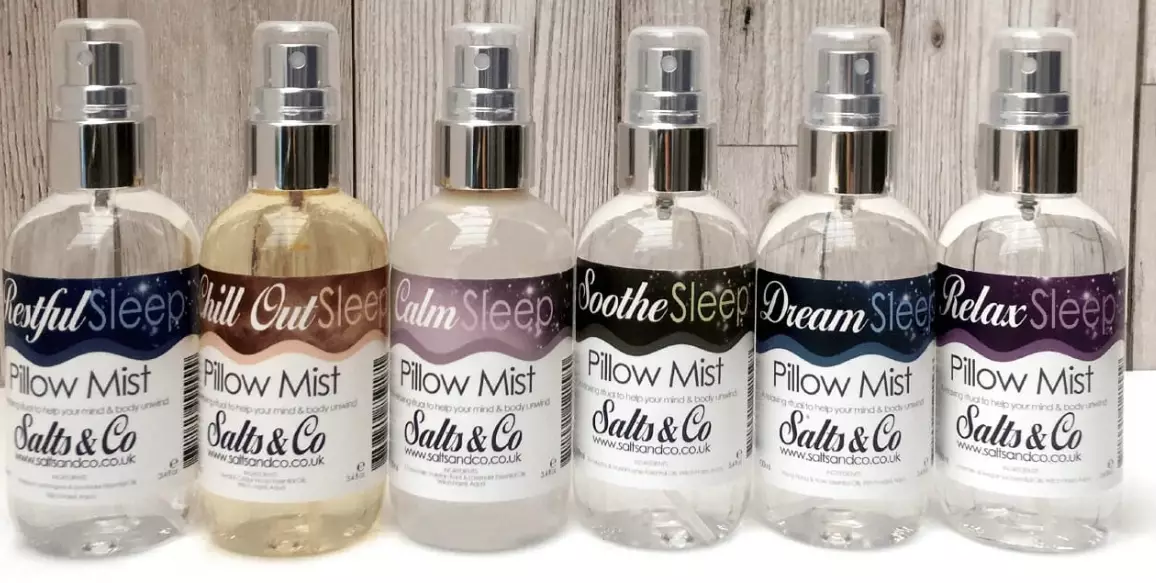
I learned the hard way about over-spraying. I once used a new, potent spray too generously and spent the night with a slight headache, completely negating any sleep benefit. Lesson learned.
Your Pillow Spray Questions, Answered
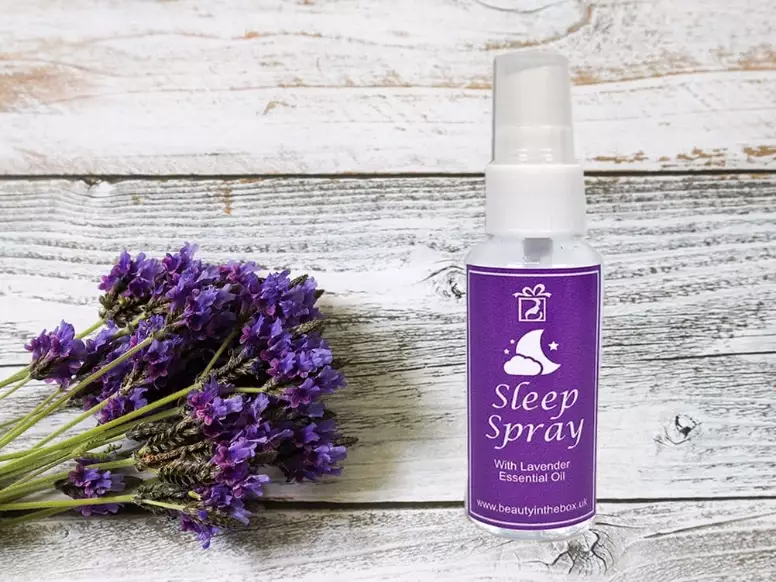 Pillow spray sleep isn't a miracle, but it's a remarkably simple, natural, and effective way to hack your bedtime environment. It works with your biology, not against it. By choosing or creating a spray with the right ingredients and using it consistently as part of a calming routine, you're giving your brain a clear, sensory signal that the workday is over and rest is here. It’s a small change that can make a tangible difference in how you fall asleep and, more importantly, how you feel when you wake up. Give it a proper try—not just for one night, but for a couple of weeks. Your pillow (and your morning self) might just thank you.
Reader Comments