Let's be honest. "Bedtime" can feel like a nightly negotiation session you're destined to lose. You're tired, they're wired, and the word "sleep" triggers an impressive burst of second winds, urgent thirst, and profound philosophical questions. I've been there. But here's the truth I learned after years of trial, error, and consulting sleep experts: a solid bedtime routine for kids isn't just a nice idea—it's the biological off-ramp your child's brain needs to shift gears from play to peaceful sleep. It's not about control; it's about predictable, calming cues that tell their nervous system, "Hey, it's safe to power down now."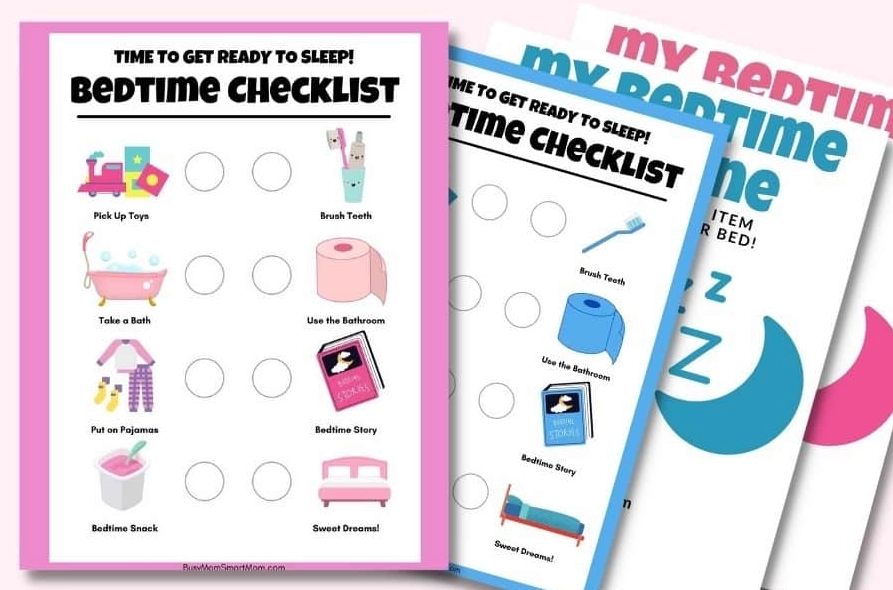
What's Inside This Guide?
Why a Bedtime Routine is Non-Negotiable (It's Science, Not Just Opinion)
Think of your child's brain like a busy airport. A bedtime routine is the air traffic control system. Without it, planes (thoughts, energy, emotions) circle chaotically, unable to land. With it, there's a clear, calm sequence for descent.
Research consistently shows the benefits. Studies referenced by organizations like the American Academy of Pediatrics link consistent bedtime routines with better sleep outcomes, improved daytime behavior, and even stronger parent-child bonds. The magic lies in predictability. When a child knows what comes next—bath, then book, then song, then bed—their anxiety about the transition melts away. The body starts releasing melatonin, the sleep hormone, in response to these familiar cues.
The biggest misconception? That routines are rigid and joyless. A good one is the opposite. It's a protected pocket of connection at the end of the day, free from screens and distractions.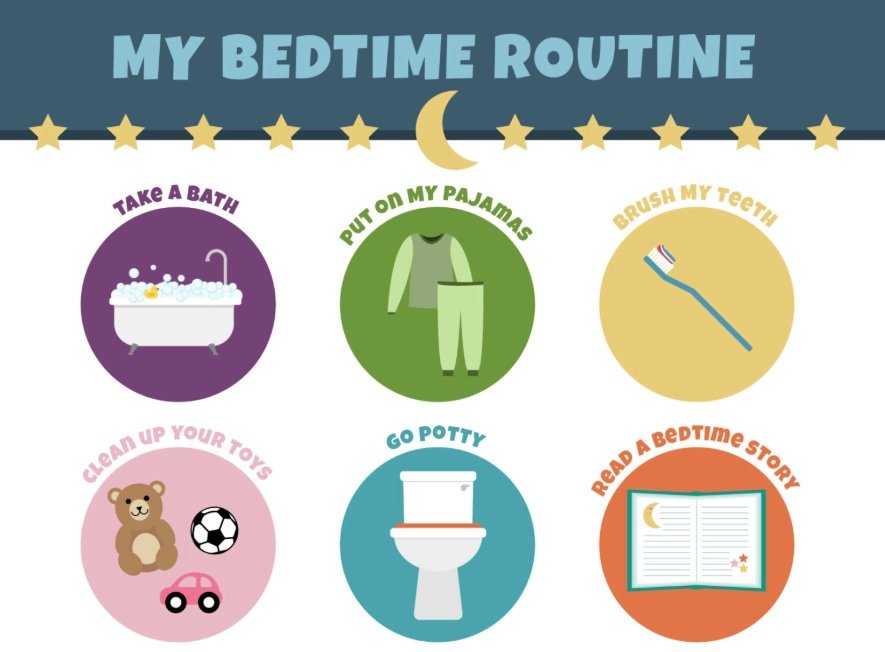
The 7-Step Bedtime Routine Blueprint (Adjust for Age, But Keep the Flow)
This isn't a military drill. It's a rhythm. The total wind-down period should be 30-60 minutes. For toddlers, lean toward 60. For older kids, 30-45 might suffice.
Step 1: The Wind-Down (30-60 minutes before bed)
This is the signal that playtime is winding up. No more roughhousing, loud games, or stimulating TV. We're transitioning. This is a great time for quiet play: puzzles, drawing, building with blocks. Dim the overhead lights in the living areas. This simple cue tells the brain that daylight is fading.
Step 2: The Bath or Wash-Up
It's not just about cleanliness. The rise and then fall in body temperature from getting out of a warm bath mimics the natural drop in core temperature that happens at sleep onset. It's a powerful physiological cue. Keep it calm—no wild submarine battles. A few drops of lavender soap can add a soothing scent association.
Step 3: PJs, Brushing Teeth, & Last Call
Do these in the same order every night. Put on pajamas, then brush teeth. This is also the time for the final drink of water and the last trip to the potty/toilet. The goal is to eliminate excuses for getting out of bed later. Be clear: "This is our last sip of water for the night."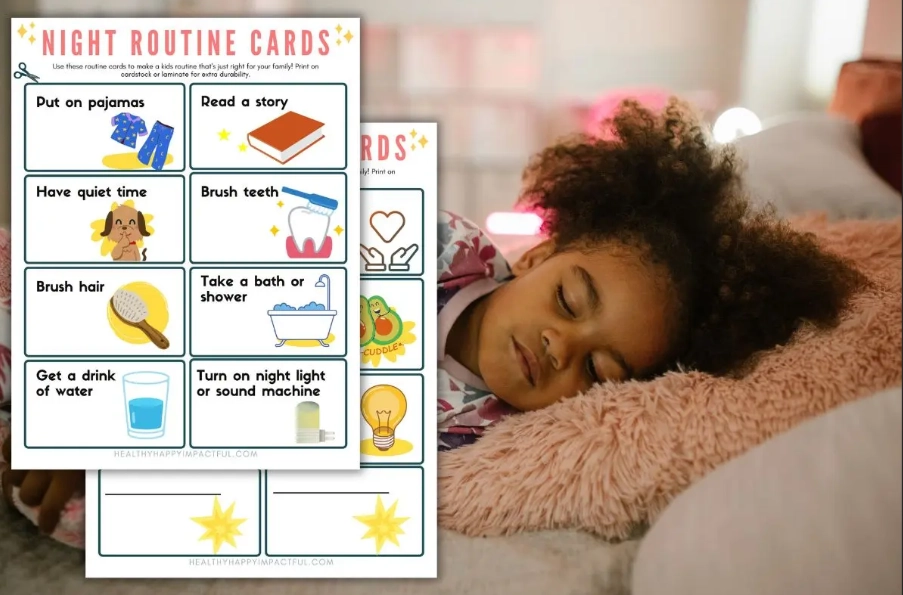
Step 4: The Sanctuary (Entering the Bedroom)
The bedroom environment matters. It should be cool (around 68-72°F or 20-22°C), dark, and quiet. Use blackout curtains if needed. A very dim, warm-colored nightlight (red or orange is best) is fine if they need it. Consider a white noise machine to mask household or street sounds—set it to a steady, low volume and leave it on all night.
Step 5: The Connection Point (Story & Chat)
This is the heart of the routine. 1-2 books for younger kids. For older kids, it might be reading a chapter together or just talking about their day—"What was your rose (high point) and thorn (low point) today?" Keep the conversation light and positive. Avoid topics that might provoke anxiety or excitement.
Step 6: The Finale (Song, Cuddle, or Mantra)
A short, predictable closing ritual signals the very end. It could be a specific song, a back rub, a special goodnight phrase ("Goodnight, sleep tight, I love you"), or a simple breathing exercise ("Let's take three big balloon breaths together"). This becomes the final anchor before sleep.
Step 7: The Confident Exit
Tuck them in, say your goodnight phrase, and leave the room while they are drowsy but still awake. This is the single most important skill for independent sleep. If you wait until they're fully asleep in your arms, they'll need you there to connect every sleep cycle throughout the night.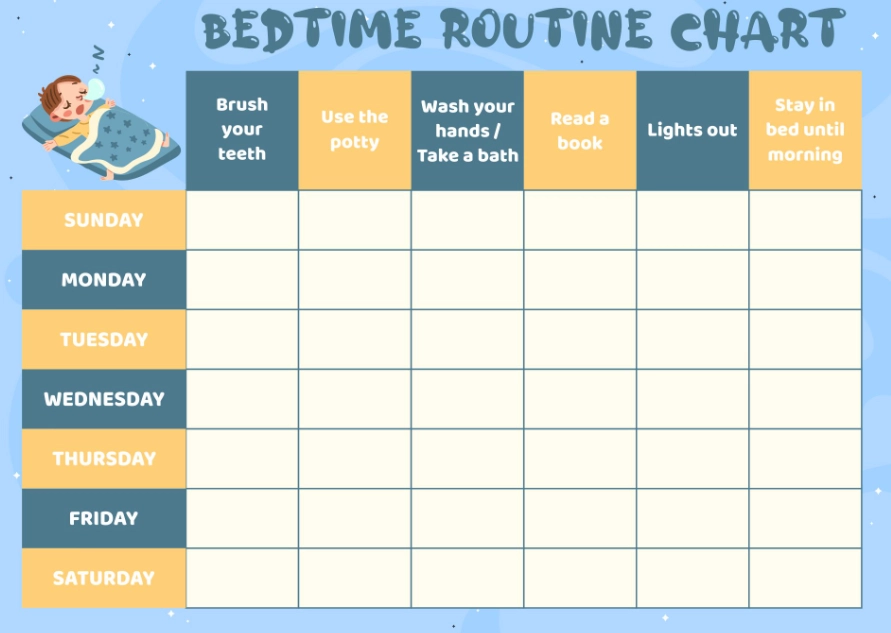
The 3 Mistakes That Sabotage Your Routine (And How to Fix Them)
I see these all the time. Nail the routine, but one of these can still throw everything off.
Mistake 1: Letting the Routine Drag On. Thirty minutes turns into ninety because you keep saying "yes" to one more book, one more song. The routine loses its shape.
The Fix: Use a visual timer. For a toddler, show them: "When the green part is gone, we'll choose our two books." Be kind but firm. "We read two books, that was our plan. We can read that one tomorrow night."
Mistake 2: Inconsistency Between Caregivers. With you, it's bath-book-bed. With grandma, it's TV-snack-cuddle-in-her-bed-until-midnight. The child's brain gets confused about what "bedtime" means.
The Fix: Align with all caregivers on the core sequence. It doesn't have to be identical, but the key elements (wind-down, hygiene, stories in bed, lights out) should be in the same order. Simplicity makes it easier for everyone to follow.
Mistake 3: Starting Too Late. You begin the routine when the child is already overtired. An overtired kid produces cortisol (the stress hormone), which makes them look wired but actually makes it harder to fall and stay asleep.
The Fix: Work backward from your desired "lights out" time. If the routine takes 45 minutes and you want them asleep by 8 PM, start at 7:15 PM. Watch for sleep cues (rubbing eyes, yawning, zoning out) and treat them as your starting gun.
How to Handle Bedtime Resistance Like a Pro
"I need water!" "I'm scared!" "Just one more!" Resistance is normal. Your reaction defines the outcome.
First, anticipate the requests. Build them into the routine. "This is our last sip of water after we brush teeth." Have a final potty trip as part of the sequence.
Second, use a bedtime pass for older toddlers/preschoolers who keep getting up. Give them one physical ticket (a decorated index card). They can trade it for one legitimate request (a hug, a quick question). Once it's used, it's gone. This gives them a sense of control and drastically cuts down on repeat visits.
Finally, keep your responses boring. If they come out, calmly and with minimal words, lead them back to bed. "It's time to sleep." Avoid lectures, negotiations, or showing anger. Your calm consistency is the boundary.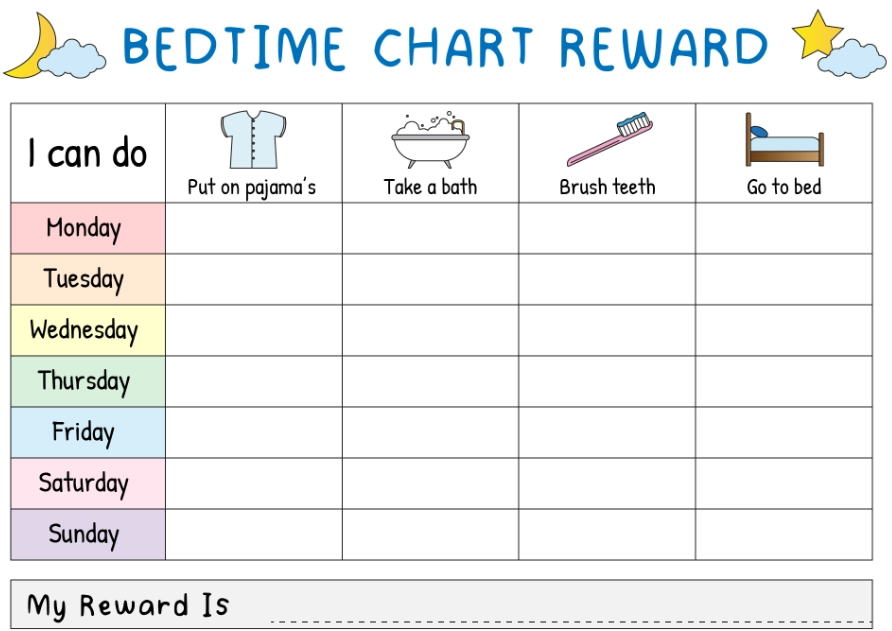
Your Top Bedtime Routine Questions, Answered
 Is it okay to use a nightlight or white noise for my child's bedtime routine?
Building a bedtime routine for kids isn't about achieving perfection tonight. It's about building a reliable, loving rhythm that serves your family for years. Start with one or two steps, be patient with yourself and your child, and trust the process. The payoff—calm evenings and restful nights—is worth every bit of the effort.
Reader Comments