Let's cut straight to the chase. The healthiest sleep time for most adults is falling asleep between 10:00 PM and 11:00 PM, aiming for a solid 7 to 9 hours of uninterrupted rest. This isn't just an old wives' tale; a massive 2021 study published in the European Heart Journal – Digital Health found that hitting this "golden hour" for sleep onset was linked to a lower risk of heart disease. But here's the thing most articles miss: focusing solely on the clock is a rookie mistake. The real magic happens when your sleep schedule syncs perfectly with your body's internal clock—your circadian rhythm. It's less about forcing yourself into bed at 10 PM sharp and more about understanding the why behind that timing and learning how to tailor it to your unique life.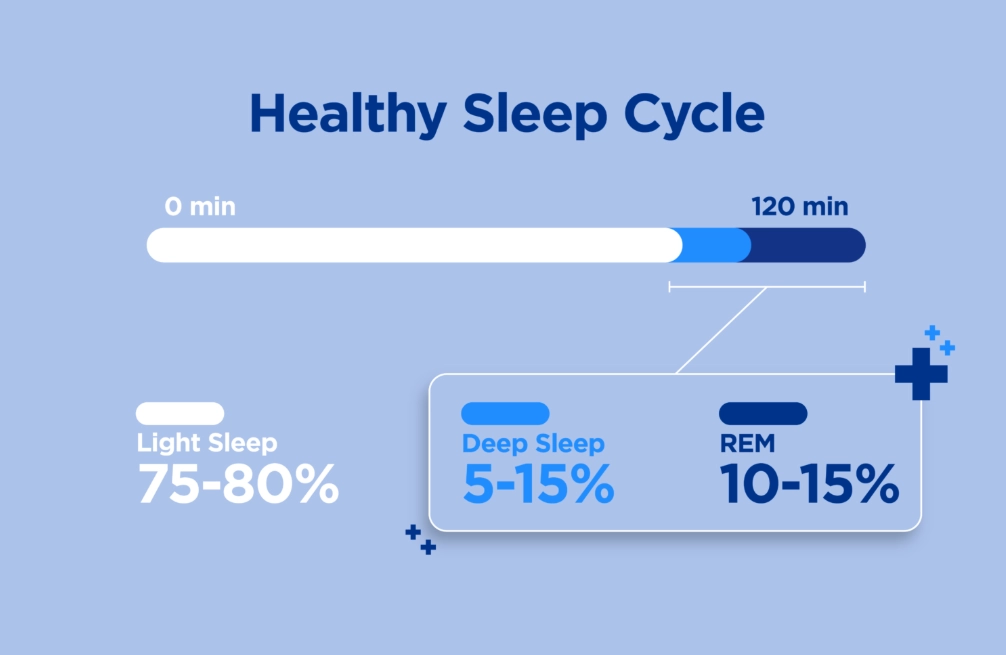
Your Quick Sleep Guide
Why Your Sleep Time Point Matters More Than You Think
We obsess over sleep duration—"Did I get my 8 hours?"—but the when is equally critical for your health. Your body runs on a 24-hour cycle that governs hormone release, body temperature, and alertness. This cycle is primed by light and darkness.
In the evening, as light fades, your brain produces melatonin, the "sleep hormone." This melatonin surge typically starts around 9 PM for most people, making you feel drowsy. The peak production happens later at night. If you're still scrolling under bright lights at midnight, you're fighting this biological tide. Conversely, morning sunlight signals your body to suppress melatonin and release cortisol to wake you up naturally.
Missing your natural sleep window (chronically going to bed after midnight, for instance) creates what researchers call "social jet lag." It's like flying across time zones every weekend. This misalignment is linked to some pretty serious stuff:
- Metabolic Mayhem: Increased risk of weight gain, type 2 diabetes, and metabolic syndrome. Your body's ability to process glucose tanks.
- Cardiovascular Stress: That 2021 study I mentioned showed the lowest heart risk for 10-11 PM sleepers. Those consistently hitting the sack after midnight saw their risk climb significantly.
- Mood and Mind Fog: Disrupted circadian rhythm is a known contributor to mood disorders like depression and anxiety. Your cognitive performance and focus also take a hit.
Think of it like catching a wave. Sleep during your natural melatonin wave, and you glide into rest effortlessly. Try to sleep against it, and you're paddling upstream.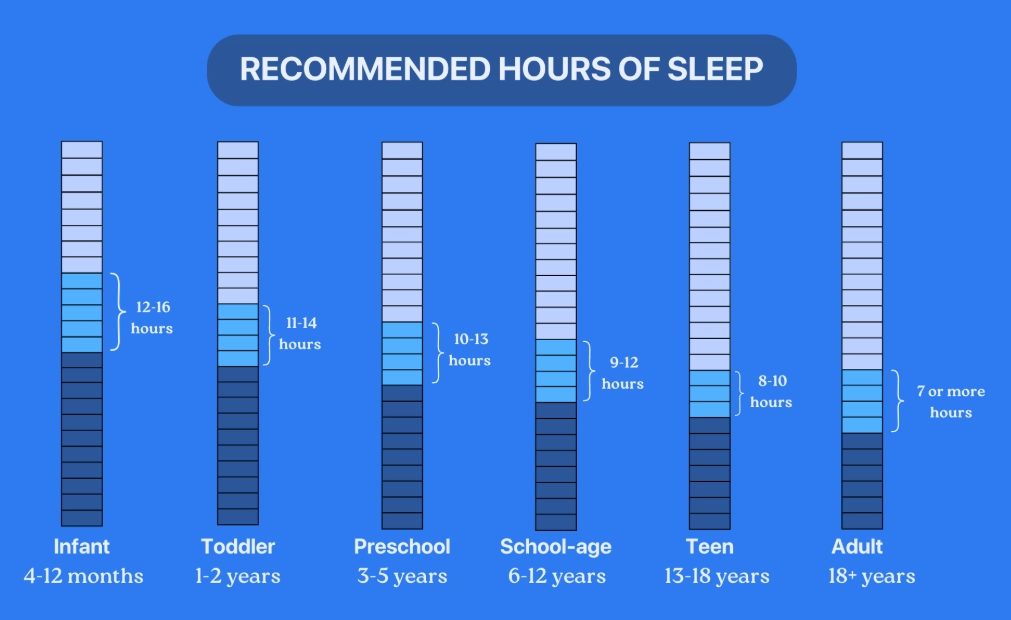
What Is the "Best" Sleep Time, Really?
Okay, so 10-11 PM is the sweet spot. But let's get specific, because a teenager, a new parent, and a retiree have completely different realities. The "best" time has two parts: duration and alignment.
The Core Principle: A healthy sleep time is one that allows for sufficient, high-quality sleep within the window that best aligns with your circadian rhythm and lifestyle obligations. For most, that alignment points to an early-to-mid evening start.
Here’s a breakdown by age group, based on recommendations from the National Sleep Foundation and other health bodies:
| Age Group | Recommended Sleep Duration | Ideal Sleep Window (For Alignment) | Notes & Reality Check |
|---|---|---|---|
| Newborns (0-3 months) | 14-17 hours | N/A - Sleep is polyphasic | No set night schedule. Focus on safe sleep practices and responding to cues. |
| Infants (4-11 months) | 12-15 hours | Bedtime between 6:00 PM - 8:00 PM | Early bedtime is crucial. Overtired infants sleep worse. This establishes circadian rhythm. |
| Toddlers (1-2 years) | 11-14 hours | Bedtime between 7:00 PM - 8:30 PM | Consistency is king. A predictable pre-bed routine prevents battles. |
| Preschoolers (3-5 years) | 10-13 hours | Bedtime between 7:30 PM - 9:00 PM | Naps may phase out. Still need an early enough bedtime to hit duration. |
| School-age (6-13 years) | 9-11 hours | Bedtime between 8:00 PM - 9:30 PM | Screen time before bed is a major disruptor. Non-negotiable wind-down time needed. |
| Teenagers (14-17 years) | 8-10 hours | Biologically shifted later: 10:00 PM - 11:00 PM (or later) | Their circadian rhythm naturally delays. Early school starts conflict with this, causing chronic sleep debt. |
| Young Adults (18-25) & Adults (26-64) | 7-9 hours | Optimal: 10:00 PM - 11:00 PM Acceptable: 9:00 PM - 12:00 AM |
This is the prime window for heart and metabolic health. Consistency on weekends matters more now. |
| Older Adults (65+) | 7-8 hours | Often earlier: 9:00 PM - 10:30 PM | Sleep may become more fragmented. Morning sunlight exposure is critical to maintain rhythm. |
See the pattern? For the majority of the adult population, the target is clear. But your job, your chronotype (are you a natural early bird or night owl?), and your social life are part of the equation. The goal isn't perfection; it's optimization within your constraints.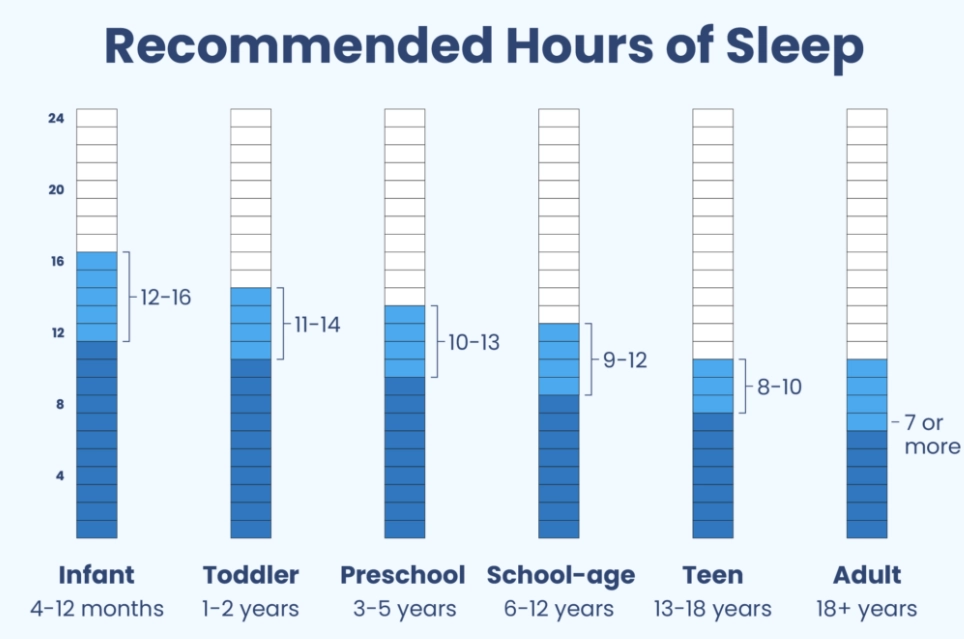
How to Find and Adjust Your Personal Best Sleep Time
Let's say you're a chronic 1:00 AM sleeper who wants to move towards that healthier window. You can't just decide to sleep at 10 PM tonight. Your body will rebel. Here’s a practical, step-by-step method I've used with clients for years. It takes patience but works.
Step 1: Discover Your Baseline (The Sleep Log)
For one week, don't try to change anything. Just track. Use a notes app or paper. Each morning, note:
- Time you got into bed.
- Estimated time you fell asleep.
- Times you woke up during the night.
- Your final wake-up time.
- How you felt upon waking (1-10 scale).
This isn't about judgment, it's about data. You'll likely see a pattern emerge—maybe you naturally fall asleep around 12:30 AM when you stop fighting it.
Step 2: Calculate Your True Sleep Need
Pick a morning after a night where you woke up without an alarm, feeling refreshed. How many hours did you sleep? That's your rough sleep need. For most, it's 7-9 hours. Let's say you need 8 hours and must wake up at 7:00 AM for work. Your target bedtime is 11:00 PM (including 15-20 mins to fall asleep).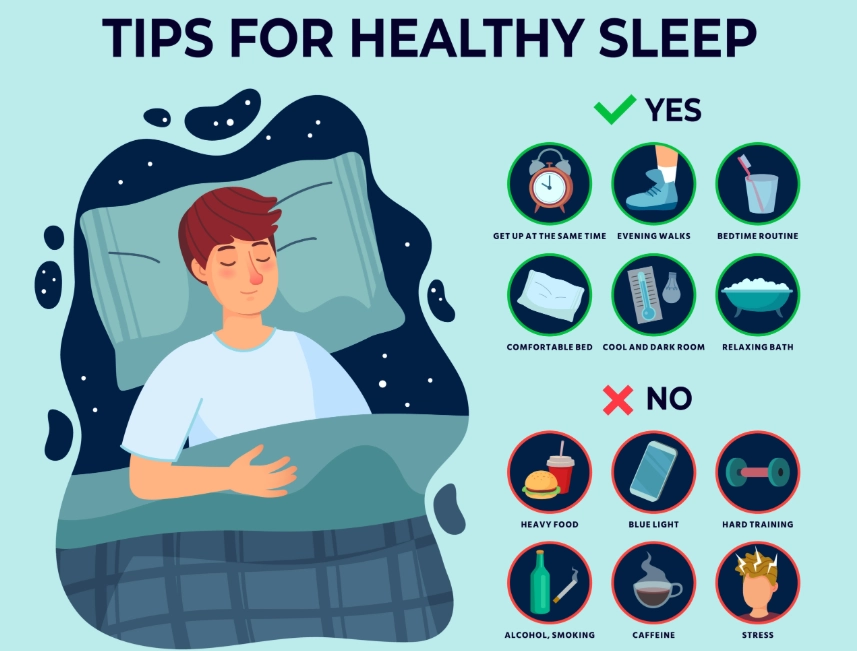
Step 3: The Gradual Shift (The 15-Minute Rule)
This is the non-negotiable, gentle secret. If your current natural fall-asleep time is 12:30 AM and your target is 11:00 PM, that's a 90-minute shift.
Don't jump. Move your bedtime 15 minutes earlier every 3-4 days. So:
- Days 1-3: Aim to be in bed, lights out, ready to sleep by 12:15 AM.
- Days 4-6: Aim for 12:00 AM.
- And so on...
Simultaneously, move your wake-up time 15 minutes earlier as well. This anchors the new schedule. It might take 3-4 weeks to shift 90 minutes. That's normal. Rushing it leads to lying awake in frustration.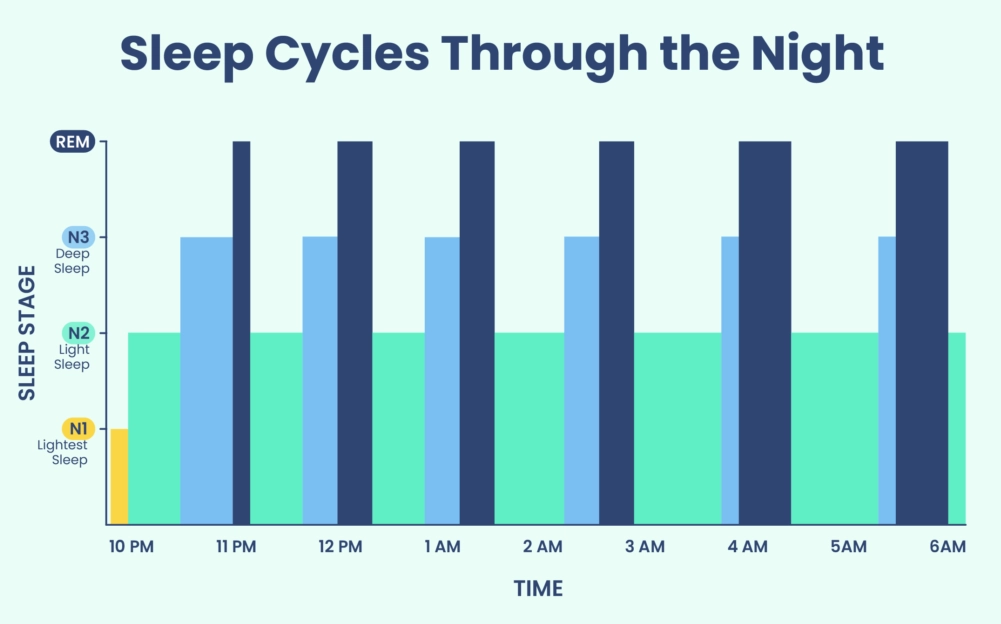
Step 4: Anchor Your Rhythm with Light
As you shift earlier, get bright light exposure (preferably sunlight) within 30 minutes of your new wake-up time. This resets your clock. Conversely, dim lights and avoid screens 60-90 minutes before your target bedtime. Blue light blockers help, but they're not a magic pill for a brightly lit room.
I once worked with a software developer who was a steadfast 2 AM sleeper. He thought a 10 PM bedtime was a fantasy. We used this 15-minute method over six weeks. The key wasn't just the shift, but him realizing how much better his 8 AM stand-up meetings felt when he was actually rested. He didn't become a morning person, but he stopped sabotaging his days.
Key Factors That Influence Your Ideal Sleep Timing
Your perfect schedule isn't determined in a vacuum. These elements pull at it:
Your Chronotype: This is your genetic predisposition. True night owls (maybe 15-20% of people) have a delayed rhythm. Forcing them into a 9 PM bedtime might be counterproductive. The goal for owls is to find the earliest sustainable schedule that still aligns with their biology, not to fight it entirely. An owl's "healthy" time might be 12:30 AM, which is still better than 3 AM.
Social and Work Schedules: A nurse on night shifts has a different "healthiest" time—it's about perfecting sleep during the day with blackout curtains and strict routines. The principle of consistency and duration still applies.
Age-Related Shifts: As the table shows, our timing changes over a lifetime. Teenagers are delayed, older adults often advance. Fighting your age group's norm is usually a losing battle.
Light Exposure: This is the master controller. Getting daylight in your eyes first thing is the most powerful signal for "daytime." Evening light exposure, especially from LEDs and screens, is the most powerful signal disruptor for "nighttime." Manage light, and you manage your clock.
Your Sleep Schedule Questions, Answered
 Does "sleeping in" on weekends to catch up ruin my schedule?
 What's the single best sign that my sleep time is right for me?
Reader Comments