Let's cut to the chase. For the vast majority of students, five hours of sleep is a recipe for chronic underperformance, both in the classroom and in life. It's not just about feeling tired. We're talking about a direct hit to your brain's ability to learn, remember, and think clearly. If you're pulling regular five-hour nights, you're essentially trying to run a high-performance engine on low-grade fuel. It might sputter along for a while, but it will never hit its peak, and it's going to break down sooner than you think.
I remember my own university days, bragging about all-nighters like they were a badge of honor. The reality was a foggy brain, forgotten deadlines, and a constant low-grade anxiety. It took me years to unlearn those bad habits. So, if you're searching for permission to keep sleeping five hours, you won't find it here. What you will find is the why behind the need for more sleep, the real-world consequences of ignoring it, and—most importantly—a practical, no-judgment roadmap for getting better sleep, even with a packed schedule.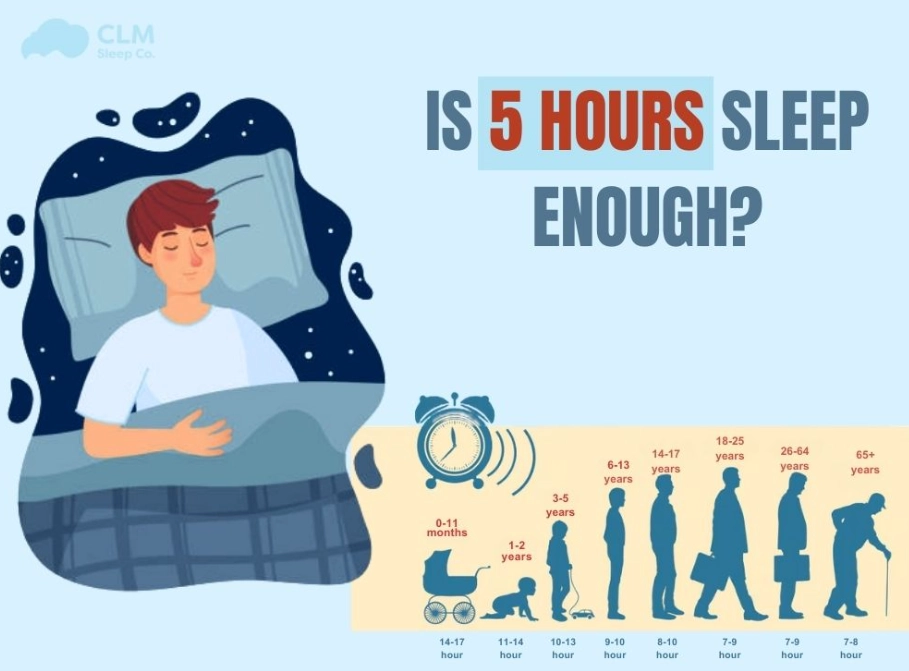
What You'll Discover in This Guide
- The Short Answer: No, It's Not Enough
- Why 5 Hours Falls Short: The Science of Sleep
- The Real Cost of 5-Hour Nights: More Than Just Yawning
- The ‘But I Feel Fine’ Trap and Individual Differences
- How to Actually Improve Your Sleep (Beyond ‘Just Go to Bed Earlier’)
- Your Burning Sleep Questions, Answered
The Short Answer: No, It's Not Enough
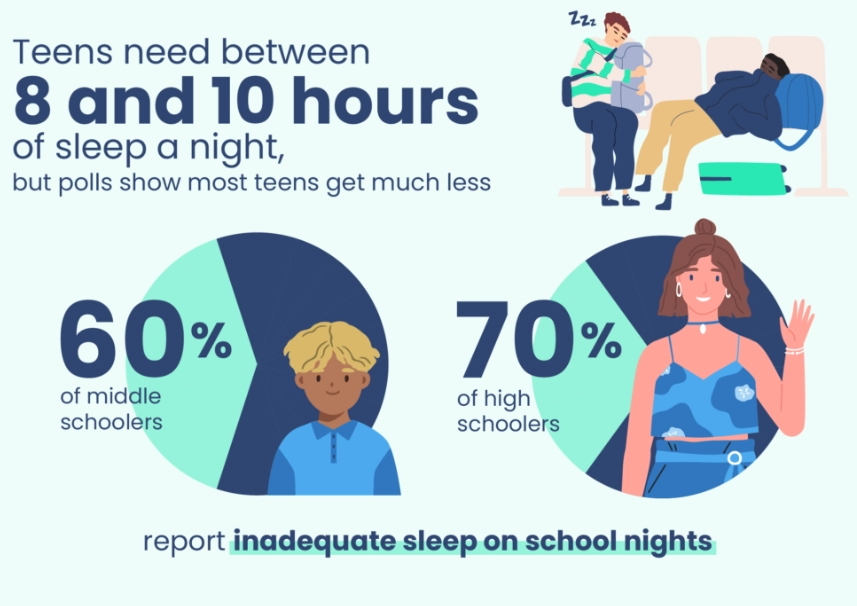
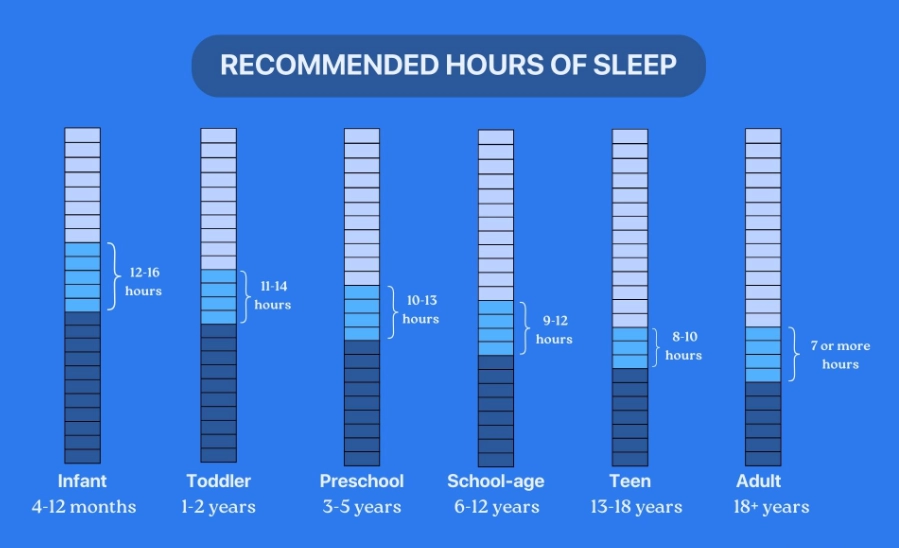
Major health organizations are unanimous on this. The Centers for Disease Control and Prevention (CDC) and the Sleep Foundation recommend that teenagers (13-18 years) need 8-10 hours of sleep per 24 hours. For young adults (18-25 years), the recommendation is 7-9 hours. Five hours sits squarely in the "not recommended" zone for any age group.
This isn't an arbitrary number. It's based on decades of research into sleep cycles, cognitive function, and physical health. Sleeping only five hours consistently creates a cumulative "sleep debt" that your body and mind cannot ignore.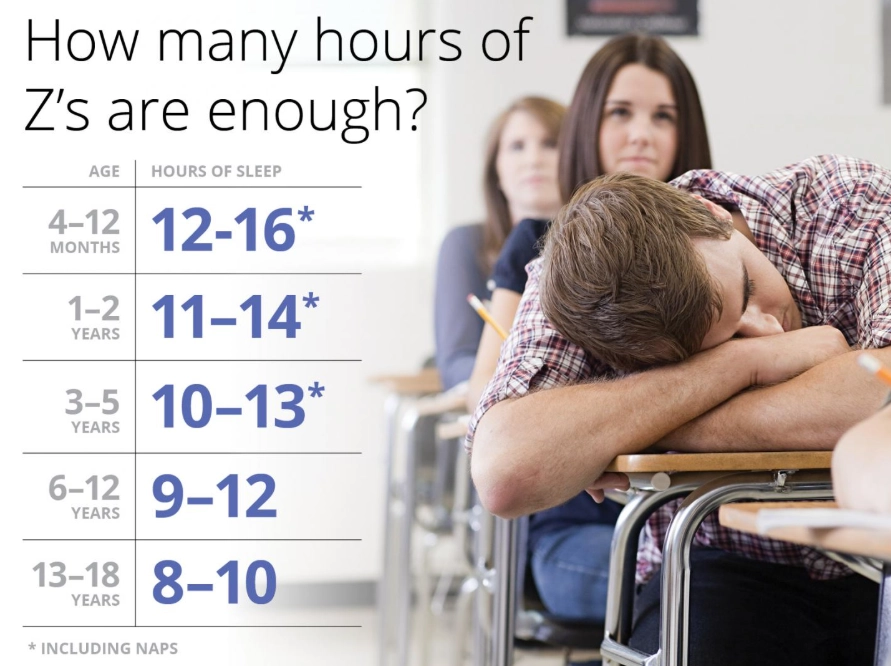
Why 5 Hours Falls Short: The Science of Sleep
Sleep isn't a monolithic state of unconsciousness. It's an active, structured process with distinct stages that serve different purposes. A typical night involves cycling through these stages multiple times, with each full cycle lasting about 90 minutes.
Here's the breakdown you miss on a 5-hour schedule:
- Deep Sleep (Slow-Wave Sleep): This is the physical restoration phase. It's when tissue growth and repair occur, the immune system is bolstered, and energy is restored. It's heaviest in the first half of the night.
- REM Sleep (Rapid Eye Movement): This is the mental restoration and consolidation phase. It's crucial for memory, learning, emotional processing, and creativity. REM periods become longer and more prominent in the second half of the night.
When you cut your sleep to five hours, you're disproportionately chopping off that later, REM-rich sleep. You might get some deep sleep, but you're robbing your brain of the time it needs to solidify what you learned that day. It's like saving a document but never hitting "confirm"—the information is fragile and likely to be lost.
The Non-Consensus View: Many students think, "I'll sleep when I'm dead" or "I'll catch up on the weekend." Here's the subtle error: your brain doesn't process missed sleep like a bank transaction. You can't deposit 10 hours on Saturday and withdraw 5 on Tuesday without penalty. This "social jet lag" from weekend oversleeping actually disrupts your circadian rhythm further, making Monday mornings even harder and degrading sleep quality overall. Consistency is far more powerful than bulk repayment.
Sleep needs also vary by age. Here’s a quick reference table based on consensus from the Sleep Foundation and the National Sleep Foundation:
| Age Group | Recommended Sleep Duration | Where 5 Hours Falls |
|---|---|---|
| Teenagers (14-17) | 8-10 hours | Severely Deficient (3-5 hours short) |
| Young Adults (18-25) | 7-9 hours | Deficient (2-4 hours short) |
| Adults (26-64) | 7-9 hours | Deficient (2-4 hours short) |
The Real Cost of 5-Hour Nights: More Than Just Yawning
The impact of chronic short sleep is systemic. It's not one bad day; it's a gradual erosion of your capabilities.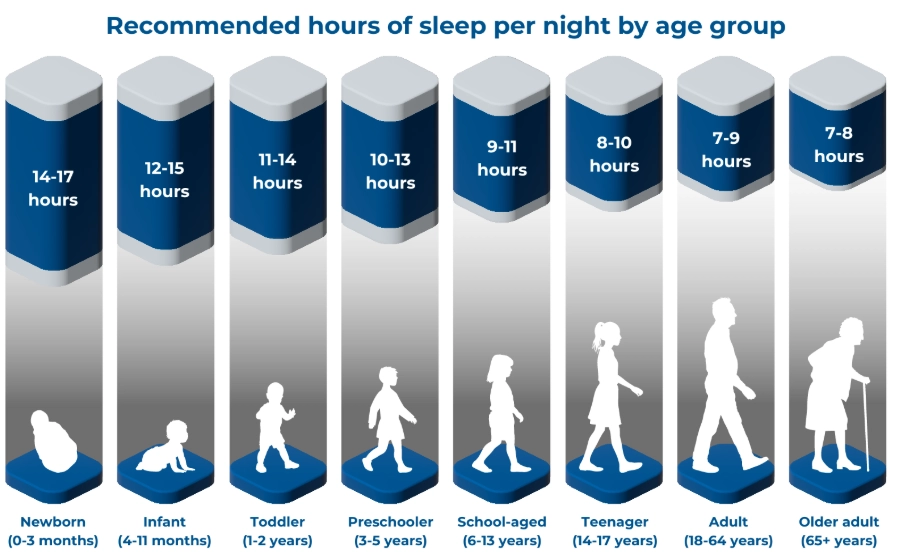
1. Cognitive Function and Academic Performance Takes a Nosedive
This is the big one for students. A study published in the journal Sleep found that getting only 5-6 hours of sleep can impair cognitive performance as much as a blood alcohol concentration of 0.05%—that's legally impaired in some countries.
- Memory Consolidation Fails: During sleep, especially REM, your brain transfers information from the short-term hippocampus to the long-term cortex. Skimp on sleep, and yesterday's lecture notes might as well be written in invisible ink.
- Focus and Attention Shatter: The prefrontal cortex, responsible for focus and complex thought, is highly sensitive to sleep loss. You'll find yourself rereading the same paragraph five times.
- Problem-Solving and Creativity Dim: That "aha!" moment often comes from your brain making novel connections during sleep. Without it, you're stuck with linear, uncreative thinking.
I've seen students pour 10 hours into studying on 5 hours of sleep, achieving worse results than someone who studied for 6 hours on 8 hours of sleep. The return on investment plummets.
2. Emotional and Mental Health Suffers
Sleep deprivation puts your amygdala (the emotional alarm center) on high alert while dampening the prefrontal cortex that regulates it. The result?
- Heightened stress, anxiety, and irritability.
- Increased vulnerability to mood swings and depressive symptoms.
- Reduced resilience and coping skills for daily pressures.
You're not just tired; you're emotionally raw. A minor setback feels like a catastrophe.
3. Physical Health Gets Undermined
Even for young people, the effects are real and accumulate over time.
- Weakened Immune System: You're much more likely to catch that cold going around campus. According to research, people sleeping less than 7 hours are almost 3 times more likely to develop a cold than those sleeping 8 hours or more.
- Hormonal Chaos: Sleep regulates hormones like cortisol (stress), ghrelin (hunger), and leptin (fullness). Short sleep increases cravings for high-carb, sugary foods—the so-called "freshman 15" is often a sleep-deprivation 15.
- Long-Term Risks: Chronic sleep deprivation is linked to increased risk for obesity, type 2 diabetes, and cardiovascular problems later in life.
The ‘But I Feel Fine’ Trap and Individual Differences
This is the most common pushback I get. "I function great on 5 hours!" There are two possibilities here.
First, you might be chronically adapted to feeling subpar. When you're in a constant state of sleep debt, your baseline for "normal" shifts downward. You forget what truly alert, focused, and emotionally stable feels like. You're comparing your current foggy state to yesterday's foggy state, not to genuine optimal functioning. Objective tests of reaction time, memory recall, and logical reasoning would likely tell a different story.
Second, you might be a genuine short sleeper. This is a rare genetic variant, affecting less than 1% of the population, where individuals truly thrive on significantly less sleep (e.g., 4-6 hours) without any negative health or cognitive effects. The key differentiator? They wake up naturally, refreshed, without an alarm after 5 hours, and maintain this pattern consistently for life. If you need an alarm to drag you out of bed after 5 hours, or if you crash on the weekend, you are not a genetic short sleeper. You're just sleep deprived.
How to Actually Improve Your Sleep (Beyond ‘Just Go to Bed Earlier’)
Telling a student with exams, a job, and a social life to "just sleep more" is useless. The goal is to improve sleep quality and efficiency. Here are tactical, non-obvious strategies.
1. Hack Your Schedule for Consistency
Consistency is king, even more than total hours on a single night. A regular sleep-wake time sets your internal clock.
- The Power of the Wake-Up Time: Focus on fixing your wake-up time first, even on weekends. Get up at the same time every day, no matter what. Your bedtime will naturally begin to regulate itself.
- The 90-Minute Block Trick: Plan your bedtime in 90-minute increments before your fixed wake-up time (e.g., for 7 a.m., aim for 9:30 p.m., 11:00 p.m., or 12:30 a.m.). Waking up at the end of a sleep cycle feels much better than in the middle of deep sleep.
2. Optimize Your Environment Like a Pro
Your dorm room or apartment is probably a sleep disaster zone. Let's fix it.
- Darkness is Non-Negotiable: Use blackout curtains or a high-quality sleep mask. Even small amounts of light from chargers or streetlights can suppress melatonin.
- Cool It Down: The ideal temperature for sleep is around 65°F (18°C). A fan can help with both temperature and white noise.
- Sound Management: If you have noisy roommates or live on a busy street, use a white noise machine or a fan. Earplugs can be a game-changer.
3. Manage Your Day to Win the Night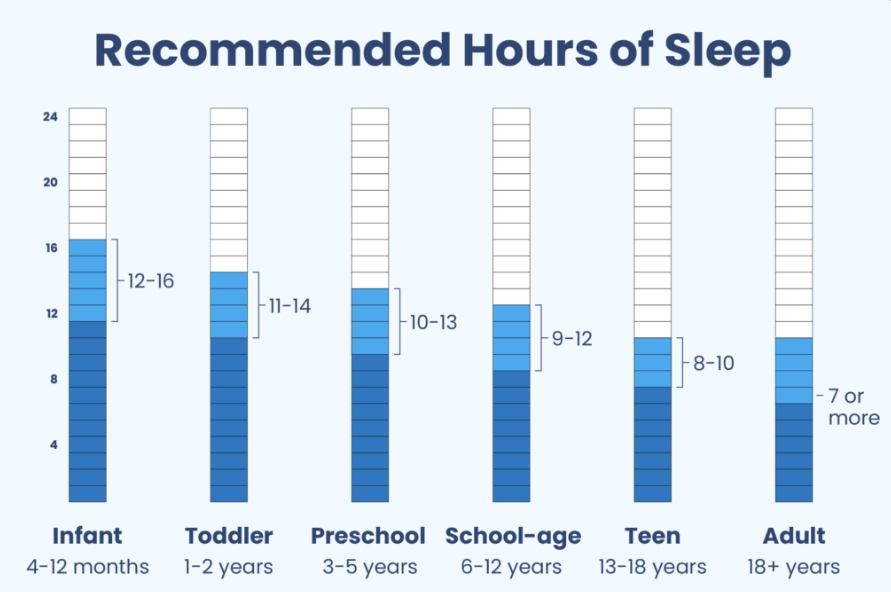
What you do from the moment you wake up affects your sleep 16 hours later.
- Morning Light: Get 15-30 minutes of natural sunlight within an hour of waking. This is the strongest signal to your circadian clock that the day has begun.
- Caffeine Cutoff: Caffeine has a half-life of 5-6 hours. If you have trouble falling asleep, set a hard cutoff at least 8 hours before bedtime. That 3 p.m. latte is still 50% active at 9 p.m.
- The Pre-Bed Wind-Down: The hour before bed is for winding down, not cramming or doomscrolling. Create a ritual: dim lights, read a physical book (not a screen), do some light stretching, or listen to calm music. Your brain needs a cue that it's safe to shut down.
Your Burning Sleep Questions, Answered
If I feel fine on 5 hours, am I an exception?
It's highly unlikely. The more probable explanation is acclimation to a suboptimal state. Try a two-week experiment: commit to getting 7.5-8 hours consistently. After the adjustment period (which may involve feeling more tired initially as your body catches up), compare your focus, mood, and memory recall. The difference is often startling. True genetic short sleepers are exceptionally rare and don't "feel fine"—they feel genuinely refreshed and high-functioning.
Is it better to sleep 5 hours straight or 5 hours with naps?
A solid 5-hour block is better than a fragmented 5 hours because it allows for more complete sleep cycles. However, strategic napping can be a powerful tool to mitigate sleep debt. A 20-minute power nap in the early afternoon can boost alertness without causing sleep inertia. A 90-minute nap can allow a full cycle, including REM, but may make it harder to fall asleep at night. The core goal should still be extending your main nighttime sleep.
 Can supplements like melatonin help me if I only have 5 hours to sleep?
Melatonin is a sleep-timing hormone, not a sleep-forcing drug. It can help you fall asleep slightly faster if your schedule is irregular (like after pulling an all-nighter), but it does not magically make 5 hours of sleep as restorative as 8. It's a tool for adjusting your clock, not for replacing lost sleep. Relying on it to enable a chronically short sleep schedule misses the point and doesn't address the core deficits in deep and REM sleep.
How can I possibly get more sleep with my heavy course load and part-time job?
This requires a brutal audit of your time. Track your activities for a week. You'll likely find significant "leakage"—mindless scrolling, inefficient study sessions, unstructured downtime. Treat sleep as a non-negotiable appointment in your calendar. Protect it. You may also need to have hard conversations about reducing course load, work hours, or social commitments. Framing it as an investment in your academic performance (better grades in less study time) and health can make those choices clearer. Sometimes, "I can't" really means "I haven't prioritized it."
The bottom line is this: viewing sleep as wasted time is one of the most counterproductive myths in student culture. Five hours of sleep is a compromise your brain and body cannot afford. It's a short-term strategy with long-term costs. By understanding the science and implementing even a few of the practical steps above, you can stop fighting your biology and start working with it. The result won't just be better grades—it'll be a clearer mind, a more stable mood, and the energy to actually enjoy your student years.
Reader Comments