You know that heavy, groggy feeling after a bad night's sleep. But what about the subtler signs that creep in when you're consistently short on shut-eye? Sleep deprivation isn't just about yawning. It's a systemic issue that rewires your brain, hacks your hormones, and sets your body on edge. I've seen it derail careers, strain relationships, and make smart people do dumb things—all while they blamed stress or age.
Let's cut through the noise. Here’s a straight talk guide on the real signs of sleep deprivation, the ones you might be ignoring right now.
What You'll Learn in This Guide
The 12 Major Signs of Sleep Deprivation
We often think of sleepiness as the main event. It's not. It's just the opening act. Your body and brain send up flares in a dozen different ways when they're running on empty.
A quick note: Experiencing one or two of these occasionally is normal life. The red flag is when a cluster of them becomes your new normal for weeks on end. That's chronic sleep debt talking.
The Cognitive & Mental Red Flags
This is where sleep deprivation does its most insidious work. Your brain's prefrontal cortex—the CEO for decision-making and impulse control—is particularly vulnerable to lack of sleep.
1. Brain Fog and Concentration Problems. You're reading a paragraph for the third time and the words just won't stick. Following a complex conversation feels like wading through mud. This isn't just distraction; it's your neurons struggling to fire and wire properly without the restorative deep sleep they need.
2. Memory Lapses. Forgetting why you walked into a room is common. Forgetting appointments, deadlines, or a conversation you had yesterday is a different story. Sleep is when short-term memories get consolidated into long-term storage. Skip the sleep, and those memories never get properly filed away.
3. Poor Judgment and Risk-Taking. Studies from places like the Harvard Medical School Division of Sleep Medicine show that sleep loss impairs the brain's ability to assess risk and make sound decisions. You might make impulsive purchases, take foolish chances while driving, or agree to deadlines you know are unrealistic.
4. Lack of Motivation. Everything feels like a chore. Starting a project, going to the gym, even socializing requires Herculean effort. This isn't laziness. It's your brain conserving its dwindling energy reserves.
The Emotional & Behavioral Red Flags
Your emotional regulation goes out the window. The amygdala, your brain's emotional center, goes into overdrive when you're tired, while the prefrontal cortex that normally keeps it in check is offline.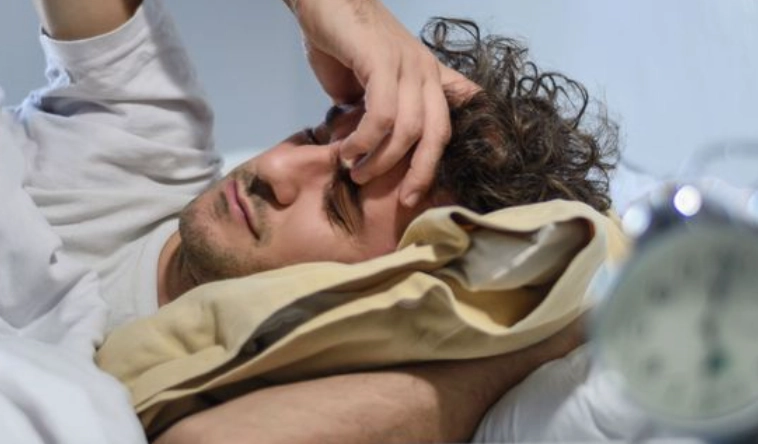
5. Irritability and Mood Swings. Little things that you'd normally shrug off—a slow internet connection, a colleague's minor comment—trigger disproportionate anger or frustration. You feel emotionally brittle.
6. Increased Stress and Anxiety. You wake up feeling wired and worried. Sleep deprivation elevates cortisol, your primary stress hormone. It creates a vicious cycle: you're too stressed to sleep, and too sleep-deprived to handle stress.
7. Social Withdrawal. You cancel plans. The idea of being "on" for other people feels exhausting. This isolation can worsen mood and make the problem feel more overwhelming.
The Physical & Bodily Red Flags
Your body speaks a clear language of fatigue, but we're often taught to ignore it.
8. Constant Fatigue and Low Energy. This is the classic sign, but it's more than just feeling sleepy. It's a deep, persistent lack of physical and mental energy that coffee can't truly fix. You feel drained by midday.
9. Frequent Illness. Catching every cold that goes around? Sleep is when your immune system releases cytokines, proteins that fight infection and inflammation. Cut sleep short, and you cut your immune defenses down. Research consistently links poor sleep with more frequent sickness.
10. Increased Appetite and Weight Gain. Ever notice intense cravings for junk food when you're tired? Sleep deprivation messes with leptin and ghrelin, the hormones that control hunger and satiety. Ghrelin (the "hunger hormone") goes up, leptin (the "fullness hormone") goes down. You're biologically driven to eat more, especially sugary, fatty foods.
11. Clumsiness and Poor Coordination. Dropping keys, bumping into doorframes, spilling coffee. Your fine motor skills and reaction time slow down. This is a major contributor to accidents, both at home and on the road.
12. Appearance Changes. Dark circles, puffy eyes, pale or dull skin. Chronic sleep loss increases cortisol, which breaks down skin collagen. It's not just cosmetic; it's an outward sign of internal stress.
How Sleep Deprivation Sneaks Into Every Corner of Your Life
It's easy to think "I'll just power through." But sleep debt doesn't stay in the bedroom. It compounds, creating ripple effects. Let me give you a real scenario.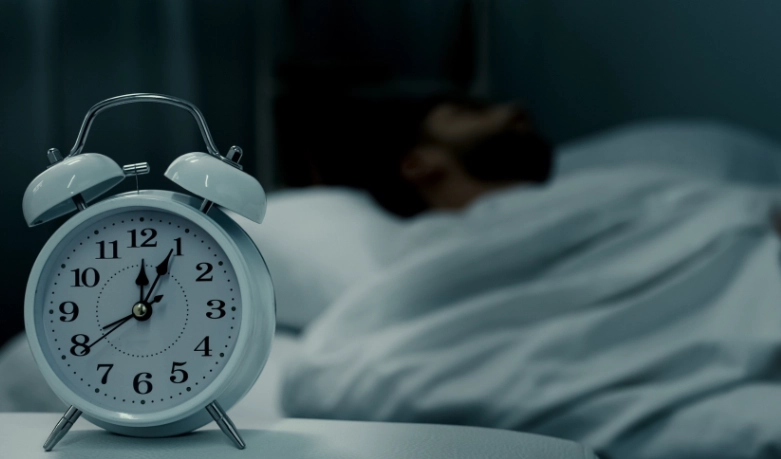
Sarah, a project manager, has been averaging 6 hours of sleep for months. She thinks she's coping.
- At Work: She misses a subtle error in a client report (sign #2: memory/concentration). In a meeting, she snaps at a junior colleague over a minor question (#5: irritability). She then avoids the colleague for the rest of the week (#7: social withdrawal).
- At Home: Too tired to cook, she orders takeout three nights in a row (#10: appetite changes). She has no patience for her kids' bedtime stalling, leading to guilt and tension.
- On the Road: Driving to work, she's a split-second slower to brake for a sudden stop (#11: slow reaction time). It shakes her up.
- Health: She's gained 8 pounds she can't shed and has had two colds this season (#9 & #10). Her annual physical shows elevated blood pressure—another known consequence.
Sarah blames her job stress and aging. But the root catalyst weaving through all these issues is chronic, unaddressed sleep deprivation.
| Area of Life | Common Sleep Deprivation Impact | Often Mistaken For |
|---|---|---|
| Work Performance | Missed deadlines, creativity drought, more errors | Burnout, lack of skill |
| Relationships | More arguments, less patience, emotional distance | "They're just difficult," falling out of love |
| Physical Health | Weakened immunity, weight gain, higher BP | "Bad genes," poor diet alone |
| Mental Health | Anxiety, low mood, lack of joy | Clinical depression or anxiety disorder |
| Safety | Microsleeps while driving, household accidents | Carelessness, bad luck |
What To Do If You Recognize These Signs
Okay, so you're seeing yourself in some of this. What now? Don't try to overhaul your life overnight. That's a recipe for failure.
Step 1: The Two-Week Sleep Audit
For the next 14 days, don't change anything. Just observe and jot down notes.
- What time do you actually get into bed? (Not when you start scrolling).
- How long does it take to fall asleep?
- Do you wake up during the night? Why? (Bathroom, noise, worry, pain?).
- What's your energy/mood like at 10 AM, 3 PM, and 8 PM?
- Track the signs from above you notice each day.
This data is gold. It shows your personal patterns, not generic advice.
Step 2: Tackle the "Low-Hanging Fruit" First
Based on your audit, pick ONE easy win.
Is your bedroom too warm? Most people sleep best in a cool room (around 65°F or 18°C). Are you drinking coffee after 2 PM? Try cutting it off at noon. Is your phone the last thing you see at night? Charge it outside the bedroom for a week. Just one change.
Step 3: Build a Sustainable Wind-Down Ritual
Your brain needs a signal that work/alert time is over. This isn't about fancy routines. It's about consistency.
Start 45 minutes before your target bedtime. It could be: dimming the lights, reading a physical book (not a tablet), listening to calm music, or doing 5 minutes of gentle stretching. The key is repeatability. Do the same sequence most nights.
Step 4: Know When to See a Professional
If you've given consistent sleep habits (7-9 hours opportunity, cool/dark/quiet room, wind-down routine) a genuine 4-week try and still experience severe signs—especially loud snoring/gasping (indicating possible sleep apnea), uncontrollable daytime sleepiness, or chronic insomnia—see your doctor or a sleep specialist. A sleep study might be needed.
Your Top Sleep Deprivation Questions Answered
This is the most common misconception I encounter. Many high-performing individuals, parents of young children, or people with high-stress jobs operate in a state of "tired but wired." The sleepiness is masked by adrenaline, cortisol, and caffeine.
The tell-tale signs are not yawns, but a short fuse, a craving for sweets at 3 PM, forgetting why you opened the refrigerator, and a pervasive mental fogginess where simple tasks feel arduous. Your emotional and cognitive systems fail long before your ability to physically stay awake does.
Think of it like financial debt with interest. A single night's deficit might be cleared with one solid 8-9 hour night. For debt accumulated over months, full recovery isn't a weekend project.
Studies, like those referenced by the National Sleep Foundation, suggest it can take multiple days to weeks of consistently hitting your sleep target (usually 7-9 hours) to normalize cognitive performance, hormone levels, and immune function. The first few nights you might sleep longer (9-10 hours), which is your body trying to repay the deepest debt. Consistency is the only effective strategy; binge-sleeping on Saturday is largely ineffective.
Not in the way we've discussed, but it's a critical red flag you must not ignore. Loud, chronic snoring, especially with pauses in breathing (observed by a partner), is a hallmark of obstructive sleep apnea (OSA).
OSA causes involuntary sleep deprivation by fragmenting your sleep hundreds of times a night. You might be in bed for 8 hours but never reach sustained restorative sleep. So, while it's not a sign of choosing to stay up late, it's a primary medical cause of severe sleep deprivation and its associated health risks (hypertension, heart disease). If you snore and are tired, see a doctor.
The complete erosion of innovative thinking and flexible problem-solving. Everyone notices the forgetfulness or slow typing. The silent killer is cognitive rigidity.
A well-rested brain makes novel connections. A sleep-deprived brain gets stuck in well-worn, often inefficient, neural ruts. I've consulted with teams stuck on a problem for days. The breakthrough almost always comes after a period of rest, not more grinding. That moment of insight—the ability to connect disparate ideas—is a high-order function that sleep deprivation strips away first. You become a competent task-doer but an ineffective innovator.
Reader Comments