You're lying in bed, staring at the ceiling. Your mind is racing, your body feels tense, and sleep feels like a distant country you can't reach. Asking "what is the cause of sleep problems?" isn't just about finding a single villain. It's about untangling a web of interconnected factors that sabotage your rest. From the stress you carry from work to the blue light from your phone, the causes are often more nuanced than just "drinking coffee too late."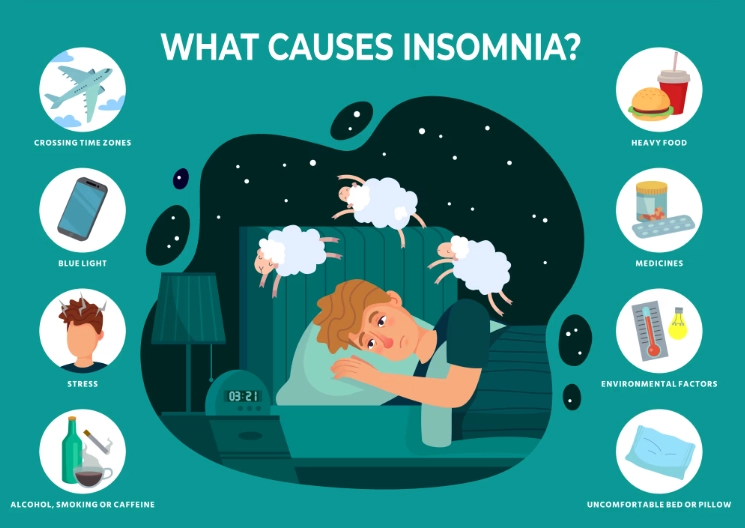
I've spent years talking to sleep specialists and digging through research, and the biggest mistake people make is looking for one magic bullet. There isn't one. Poor sleep is usually a perfect storm.
What's Inside This Guide
Psychological Causes of Sleep Problems
Your brain is the most powerful sleep disruptor you own. When it's stuck in "on" mode, sleep is impossible.
Stress and Anxiety: This is the heavyweight champion. Work deadlines, financial worries, relationship issues—they all trigger the release of cortisol and adrenaline. Your body enters fight-or-flight mode, which is the polar opposite of the relaxed state needed for sleep. It's not just big stress, either. The low-grade, constant worry about your to-do list for tomorrow can be just as effective at keeping you awake.
Depression: The link here is complex. Depression can cause insomnia, but chronic insomnia can also increase the risk of developing depression. People with depression often experience early morning awakenings (waking up at 4 am and not being able to fall back asleep) or hypersomnia (sleeping too much). The emotional weight and chemical imbalances disrupt the normal sleep-wake cycle.
Rumination and the Racing Mind
This is a specific, brutal form of nighttime anxiety. You replay an awkward conversation from five years ago. You mentally draft emails you need to send. This isn't productive problem-solving; it's a mental hamster wheel. The quiet and lack of distraction at night create the perfect vacuum for these thoughts to rush in.
What most articles don't tell you is that trying to force yourself to stop thinking about something has the opposite effect. It's like being told not to think of a pink elephant.
Medical Conditions That Disrupt Sleep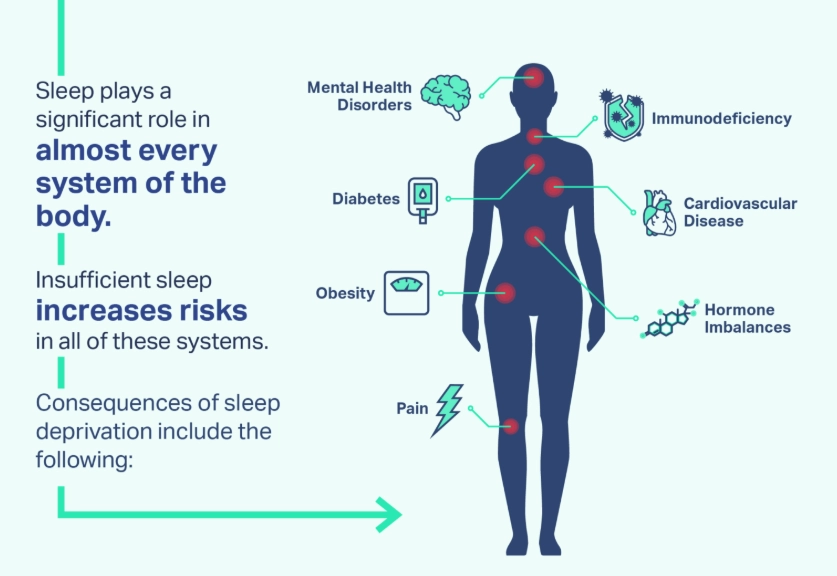
Sometimes, the cause isn't in your mind but in your body. Ignoring these can mean you're treating the symptom (poor sleep) but not the disease.
Chronic Pain: Arthritis, back pain, fibromyalgia. Pain makes finding a comfortable position a nightly battle. It also directly interferes with the deeper stages of sleep, preventing restorative rest. You might fall asleep from exhaustion, but pain will jolt you awake throughout the night.
Sleep Apnea: This is a major, and often undiagnosed, culprit. It's not just loud snoring. Sleep apnea causes you to stop breathing momentarily throughout the night, which forces your brain to partially wake up to restart breathing. You might not remember these awakenings, but the result is a night of fragmented, poor-quality sleep. You wake up feeling exhausted, not refreshed. The American Sleep Apnea Association provides extensive resources on this.
Restless Legs Syndrome (RLS): That creepy-crawly, irresistible urge to move your legs when you're trying to relax. It typically strikes in the evening and at night, making it incredibly difficult to fall asleep.
Hormonal Changes: Women are particularly vulnerable during menstruation, pregnancy, and menopause. Fluctuating levels of estrogen and progesterone can affect body temperature regulation (leading to night sweats) and directly impact sleep architecture.
Here’s a quick overview of common medical sleep disruptors:
| Condition | Primary Sleep Symptom | Why It Happens |
|---|---|---|
| Sleep Apnea | Loud snoring, gasping, daytime fatigue | Airway collapse pauses breathing, causing micro-awakenings. |
| Restless Legs Syndrome (RLS) | Urge to move legs, uncomfortable sensations | Often related to iron deficiency or dopamine dysfunction. |
| Chronic Pain (e.g., Arthritis) | Difficulty finding comfort, frequent waking | Pain signals prevent the brain from settling into deep sleep. |
| GERD/Acid Reflux | Heartburn, coughing, choking sensation lying down | Stomach acid flows back into the esophagus, causing irritation. |
| Hyperthyroidism | Anxiety, rapid heartbeat, difficulty falling asleep | Overactive thyroid speeds up metabolism and nervous system. |
If you suspect a medical issue, talking to a doctor or a sleep specialist is non-negotiable. No amount of lavender spray will fix a structural airway problem.
Lifestyle and Habitual Causes of Sleeplessness
This is where you have the most direct control. Our daily choices build our sleep health—or tear it down.
How Does Caffeine Affect Sleep?
You know caffeine keeps you awake. But the half-life of caffeine is about 5-6 hours. If you have a coffee at 4 pm, at 10 pm, about half that caffeine is still circulating in your system. For people who are sensitive, it's enough to significantly delay sleep onset or lighten sleep. It's not just coffee. Black tea, green tea, dark chocolate, and many sodas are stealth sources.
I used to think a 2 pm cutoff was safe. For me, it wasn't. I had to move it to noon to see a real difference.
Alcohol: The Deceptive Sedative
This is a huge one. Alcohol might help you fall asleep faster, but it absolutely wrecks the quality of your sleep. It suppresses REM sleep, the most restorative stage crucial for memory and mood. It also acts as a diuretic, increasing the likelihood of waking up to use the bathroom. Later in the night, as the alcohol metabolizes, it can cause rebound awakenings and make sleep more fragmented.
A nightcap is a loan on sleep that you pay back with interest in the second half of the night.
Irregular Sleep Schedule and Screen Time
Your body loves rhythm. Going to bed at 11 pm on weekdays and 2 am on weekends confuses your internal clock (circadian rhythm). It's like giving yourself weekly jet lag.
Then there's blue light. The light from phones, tablets, and laptops suppresses melatonin production, the hormone that tells your body it's time for sleep. Scrolling through social media or work emails also stimulates your brain cognitively and emotionally, putting you right back in that alert, anxious state.
Turning on "night mode" helps a little, but it's not a magic shield. The content is often the bigger problem.
Environmental Factors: Your Sleep Sanctuary (or Prison)
Your bedroom might be working against you. Optimizing your environment is low-hanging fruit.
Light: Even small amounts of light from a streetlamp, a charging indicator, or a digital clock can interfere with melatonin. Total darkness is ideal. Blackout curtains are a game-changer.
Noise: Intermittent noises—a partner snoring, traffic, a dripping tap—are more disruptive than constant white noise. They cause micro-arousals you don't remember. A white noise machine or a fan can mask these sounds effectively.
Temperature: Most people sleep best in a cool room, around 65°F (18.3°C). Your core body temperature needs to drop to initiate sleep. A room that's too warm prevents this drop.
Your Mattress and Pillow: If your mattress is over 7-8 years old or simply not right for your body (too soft, too firm), it can cause or exacerbate pain and lead to restless sleep. There's no one "best" mattress; it's highly personal.
Think of your bedroom as having one primary function: sleep. If you work, eat, or watch thrilling movies in bed, your brain starts associating the bed with alertness, not rest.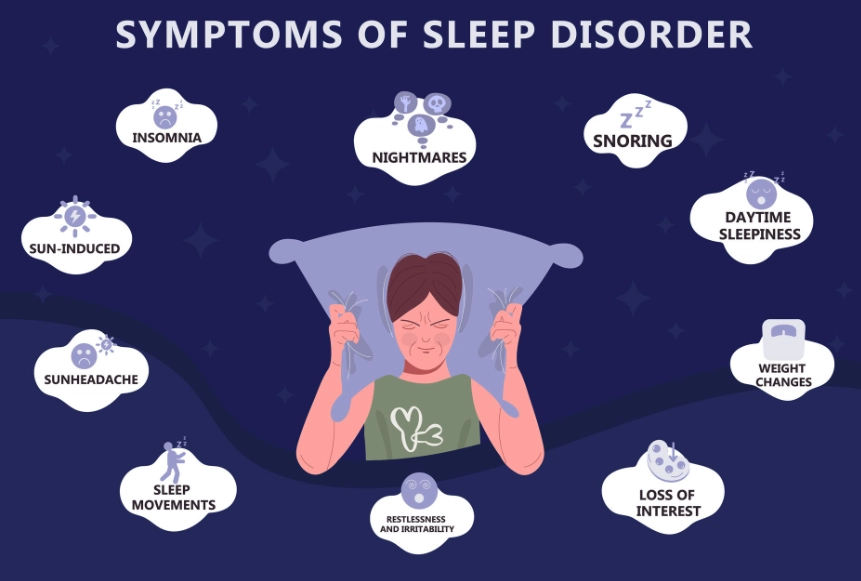
Frequently Asked Questions: Beyond the Basics
Why do I wake up at 3 am every night and can't get back to sleep?
This early morning awakening is classic. Often, it's a sign of stress or anxiety—your cortisol levels start to rise too early in preparation for the day. It can also be a symptom of depression. Another possibility is blood sugar dysregulation. If your blood sugar drops in the middle of the night, your body releases cortisol to raise it, waking you up. Try a small, protein-rich snack before bed (like a handful of almonds) and see if it makes a difference. If it persists, it's worth discussing with a doctor.
I'm tired all day but wired at night. What's causing this reversal?
You've likely messed with your sleep drive and circadian rhythm. Napping too long or too late in the day reduces your "sleep pressure" at night. Lack of bright light exposure in the morning fails to properly set your internal clock, while too much blue light at night delays it further. You're essentially telling your body the wrong time of day. Get 15-30 minutes of morning sunlight and avoid naps after 3 pm to start resetting the cycle.
 Can my diet really be the cause of my sleep problems?
Absolutely, and in more ways than just caffeine. A heavy, spicy, or fatty meal too close to bedtime can cause indigestion and heartburn, making it uncomfortable to lie down. Conversely, going to bed hungry can also keep you awake. Sugar crashes can trigger nighttime awakenings. Focus on a balanced dinner a few hours before bed, and consider snacks with tryptophan (like turkey, milk) and magnesium (like bananas, spinach), which support sleep chemistry.
I've tried everything—no caffeine, dark room, routine—and I still can't sleep. What now?
First, give any change at least two weeks to work. Sleep patterns don't reset overnight. If you've been consistent and see no improvement, it strongly points to an underlying medical or psychological issue that needs professional attention. This is where seeing a sleep specialist or a therapist trained in Cognitive Behavioral Therapy for Insomnia (CBT-I) is crucial. CBT-I is considered the gold standard non-drug treatment for chronic insomnia and addresses the thoughts and behaviors that perpetuate sleep problems. Resources from organizations like the National Sleep Foundation can help you find qualified professionals.
Reader Comments