Key Sections
Let's talk about sleep. Or rather, the lack of it. Most of us have pulled an all-nighter or gone through a rough patch where sleep was a luxury. You feel groggy, maybe a bit irritable, and you power through with extra coffee. No big deal, right? That's what I used to think too.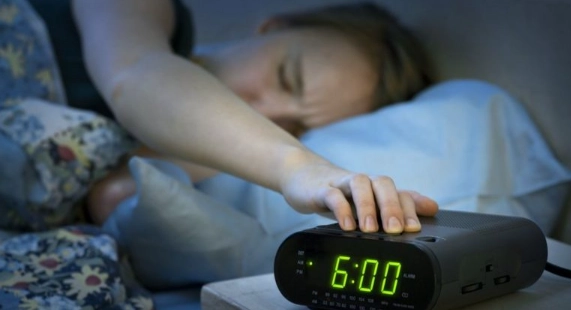
But here's the uncomfortable truth I learned the hard way: those occasional rough nights are one thing. When short-term sleep loss turns into a chronic pattern, the game changes completely. The long-term effects of lack of sleep are insidious. They don't just make you tired; they quietly rewire your body and brain in ways that can take years to untangle. We're not talking about yawning through a meeting. We're talking about foundational health crumbling from the inside out.
This isn't just my anecdote. The science is loud and clear, and it's pointing to a major public health issue we often brush aside. So, what actually happens when you consistently cheat your body of the rest it desperately needs? Let's dig past the surface-level fatigue and look at the real, long-term consequences of sleep deprivation.
Your Brain on No Sleep: It's Not Just Forgetfulness
We'll start upstairs, because that's where many of us notice the problems first. Brain fog. That's the polite term for it. The long-term effects of sleep deprivation on cognitive function are profound and frankly, a bit scary.
Sleep is when your brain cleans house. The glymphatic system, basically your brain's plumbing, kicks into high gear during deep sleep, flushing out toxic waste products that accumulate during the day. One of those waste products is beta-amyloid, a protein strongly linked to Alzheimer's disease. When you short-change sleep night after night, this cleaning process gets interrupted. You're essentially letting the trash pile up.
But it's not just about the distant future. The present-day cognitive long-term effects of lack of sleep include:
- Impaired Memory Consolidation: That thing where you can't remember where you put your keys? Or a colleague's name? Sleep is crucial for moving memories from short-term storage (the hippocampus) to long-term storage (the neocortex). Without it, memories don't get properly filed away. They just... fade.
- Slowed Processing Speed: You feel slower. Making decisions takes more effort. Reacting to things, whether it's in conversation or while driving, is delayed. This isn't you being dumb; it's your sleep-deprived brain struggling to process information at its normal speed.
- Reduced Creativity and Problem-Solving: Sleep, particularly REM sleep, is when your brain makes novel connections between ideas. It's why you sometimes wake up with a solution to a problem. Chronic sleep loss stifles this creative, associative thinking. You get stuck in rigid thought patterns.
- Emotional Dysregulation: This is a huge one. The amygdala, your brain's emotional center, goes into overdrive when you're tired. Meanwhile, the prefrontal cortex, which acts as the rational brake on emotions, becomes less active. The result? You're more reactive, irritable, prone to anxiety, and less resilient to stress. It feels like you're constantly on edge.
I remember trying to work on a complex project during my low-sleep phase. I'd stare at the same paragraph for an hour, unable to synthesize the information. I'd get disproportionately angry at minor tech glitches. It wasn't a productivity hack; it was a recipe for burnout and poor work.
The Body Under Siege: Systemic Breakdown
If the brain effects aren't convincing enough, let's look at what chronic sleep loss does to the rest of your body. This is where the long-term effects of sleep deprivation move from "annoying" to "medically dangerous."
Metabolic Mayhem: Weight Gain and Diabetes Risk
This one surprises a lot of people. You'd think burning the midnight oil would help you lose weight. The opposite is true. The long-term effects of lack of sleep on your metabolism are brutally efficient at packing on pounds.
First, hormones get messed up. Ghrelin (the "I'm hungry" hormone) goes up. Leptin (the "I'm full" hormone) goes down. So you feel hungrier and less satisfied after eating. Your body also starts craving high-calorie, high-carb foods for quick energy. It's a biological drive, not a lack of willpower.
Second, your cells become resistant to insulin. Insulin is the key that lets glucose (sugar) into your cells for energy. When you're sleep-deprived, your cells start ignoring the insulin. Your pancreas pumps out more to compensate, leading to higher blood sugar levels and, over time, a significantly increased risk for Type 2 diabetes. The research from places like the National Institute of Diabetes and Digestive and Kidney Diseases (NIDDK) is very clear on this link.
Cardiovascular System Under Pressure
Your heart and blood vessels don't get a break when you're awake. Chronic sleep deprivation keeps your sympathetic nervous system (the "fight or flight" system) in a state of mild but constant activation. This leads to:
- Elevated blood pressure throughout the night, which should normally dip.
- Increased inflammation throughout the body, a key driver of atherosclerosis (hardening of the arteries).
- Higher levels of stress hormones like cortisol.
The cumulative effect? A starkly higher risk of hypertension, heart attack, and stroke. The American Heart Association now lists poor sleep as one of the essential components for cardiovascular health.
A Weakened Defense: The Immune System
Remember how you always seem to catch a cold when you're run down? That's not a coincidence. During sleep, your immune system releases proteins called cytokines, some of which help promote sleep and others which are needed to fight infection and inflammation. Sleep deprivation reduces the production of these protective cytokines and infection-fighting antibodies.
In the long run, a perpetually tired immune system is less vigilant. It may struggle to respond effectively to vaccines, and some studies even suggest a link between chronic sleep disruption and an increased risk of certain cancers, likely due to impaired immune surveillance. The CDC's sleep resources emphasize sleep as a pillar of immune function.
So you're not just tired. You're metabolically vulnerable, your cardiovascular system is stressed, and your defenses are down. It's a perfect storm for chronic disease.
The Mental and Emotional Toll
We touched on emotional regulation, but the long-term effects of sleep deprivation on mental health deserve their own deep dive. The link between sleep and mood disorders like depression and anxiety isn't just correlation; it's a vicious, bidirectional cycle.
Poor sleep is a major predictor for the development of depression. It can also make existing depression much harder to treat. Why? Sleep disruption affects the neurotransmitters that regulate mood, like serotonin and dopamine. It also messes with the HPA axis (your body's central stress response system), leaving you in a constant state of heightened stress reactivity.
That's not just existential dread. It's your brain, deprived of its restorative sleep cycle, losing perspective and amplifying negative thoughts. Chronic insomnia is one of the most common symptoms of anxiety disorders, and the fear of not sleeping can itself become a source of anxiety, creating a self-perpetuating loop that's incredibly hard to break.
From personal experience, treating the sleep problem was a more effective first step for my anxiety than anything else. It didn't cure it, but it built a foundation of resilience that made other therapies possible.
Who's Most at Risk? It's Not Just Night Owls
While anyone can fall into bad sleep habits, certain lifestyles and professions are essentially designed to create the long-term effects of lack of sleep.
| Group | Common Sleep Challenges | Potential Long-Term Risks |
|---|---|---|
| Shift Workers (Nurses, factory workers, pilots) | Circadian rhythm disruption, sleeping against biological day/night cues. | Higher rates of metabolic syndrome, cardiovascular issues, certain cancers. |
| New Parents | Fragmented sleep, prolonged sleep deprivation for months. | Postpartum mood disorders, weakened immunity, chronic fatigue. |
| High-Pressure Professionals | Prioritizing work over sleep, "hustle culture" mentality. | Burnout, cognitive decline, hypertension, anxiety. |
| People with Untreated Sleep Disorders (Sleep Apnea, Insomnia) | Poor sleep quality despite time in bed, often undiagnosed for years. | Severe cardiovascular strain, extreme daytime fatigue, high accident risk. |
The scary part? Many people in these groups adapt to the fatigue. They think functioning on five hours is their "new normal." But the internal damage, the slow-burn consequences of chronic sleep loss, is still accumulating even if you feel you've adapted.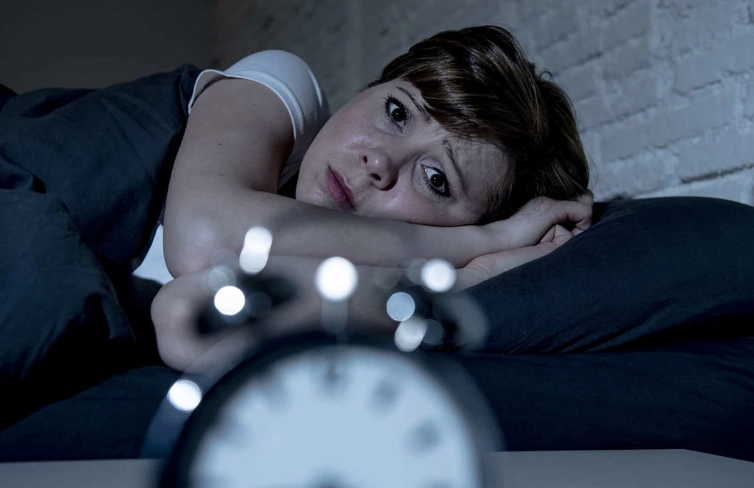
Can You Reverse the Damage? (The Good News)
Okay, this has been a heavy read so far. Let's shift to some hope. The human body is remarkably resilient. While some effects of long-term sleep deprivation may leave a lasting mark, much of the damage can be repaired by committing to better sleep. It's not an overnight fix, but a slow and steady recalibration.
Research shows that after a period of recovery sleep, cognitive functions like attention and processing speed can bounce back relatively quickly. Hormone levels start to rebalance, helping with appetite regulation. Inflammation markers can decrease. Your emotional baseline becomes more stable.
So, where do you start if you've been running on empty? Throwing a random list of "sleep hygiene" tips isn't that helpful if you're deeply sleep-deprived. You need a tiered approach.
First Step: The Non-Negotiables
These are the foundations. If you do nothing else, try these.
- Protect Your Wind-Down Hour: The hour before bed is sacred. No screens (phone, TV, laptop). The blue light suppresses melatonin, the sleep hormone. Read a physical book, listen to calm music, take a warm shower, do some gentle stretches. Tell your brain it's time to shift gears.
- Get Daylight in the Morning: View bright, natural light within 30-60 minutes of waking. This is the most powerful signal to reset your circadian clock. It tells your brain, "The day has started," which helps it prepare for sleep later.
- Be Brutally Consistent with Wake Time: Even on weekends. This is more important than a consistent bedtime for regulating your internal clock. Wake up at the same time every day, no matter how little you slept. It's painful at first, but it anchors your rhythm.
Second Step: Optimizing Your Environment and Habits
- Make Your Bedroom a Cave: Cool, dark, and quiet. Use blackout curtains. Consider a white noise machine if it's noisy. The ideal temperature is around 65°F (18°C).
- Watch Your Intake: Limit caffeine after 2 PM. Avoid heavy meals, alcohol, and excessive fluids right before bed. Alcohol might make you drowsy, but it fragments sleep later in the night.
- Move Your Body, But Not Too Late: Regular exercise promotes better sleep, but try to finish intense workouts at least 2-3 hours before bedtime.
When to Seek Professional Help
If you've tried these foundational changes for a few weeks and still struggle with chronic insomnia, daytime sleepiness, or loud snoring/gasping (signs of sleep apnea), it's time to see a doctor. A sleep specialist can rule out underlying disorders. Cognitive Behavioral Therapy for Insomnia (CBT-I) is considered the gold standard treatment for chronic insomnia and is highly effective. Resources from the Sleep Foundation or the American Psychiatric Association can help you understand these options.
Look, improving sleep isn't about achieving perfection. It's about shifting the average. Going from 5 hours to 6.5 hours consistently is a massive win. From 6 to 7.5. It's a process.
Common Questions About the Long-Term Effects of Sleep Deprivation
"I function fine on 6 hours. Do I really need more?"
Maybe, but probably not. The genetic "short sleepers" who truly thrive on less than 7 hours are extremely rare (less than 1% of the population). Most people who say this have simply adapted to a state of chronic sleep deprivation. They've forgotten what it feels like to be truly rested. Their performance and health are likely suboptimal, even if they feel "fine."
"Can you ever fully recover from years of bad sleep?"
You can recover a tremendous amount. The body's ability to heal is powerful. Cognitive function, mood, metabolic health, and immune function can all show dramatic improvement. However, some research suggests that the cognitive effects of extreme, long-term sleep deprivation might not be 100% reversible. The best time to start fixing your sleep was years ago. The second-best time is tonight.
"What's worse: getting too little sleep, or having fragmented sleep?"
They're both terrible in their own ways, but for long-term health, consistency and quality matter immensely. Five hours of solid, uninterrupted sleep is arguably better than eight hours of fragmented, light sleep where you never reach the crucial deep and REM stages. Disorders like sleep apnea cause severe fragmentation and are major health risks. The goal is adequate duration and good quality.
"Are naps a good way to make up for lost sleep?"
Naps can be a useful tool to alleviate acute sleepiness and give a short-term cognitive boost. A short nap (20-30 minutes) in the early afternoon can be refreshing without causing sleep inertia or interfering with nighttime sleep. However, naps are a supplement, not a replacement. They do not fully replicate the complex, multi-stage restorative processes of a full night's sleep. You cannot reliably nap your way out of the long-term effects of chronic nightly sleep deprivation.
The bottom line is this: sleep is not downtime. It's not a luxury. It's a non-negotiable biological necessity, as vital as food, water, and air. The long-term effects of lack of sleep are a slow, stealthy tax on every system in your body. You might not get the bill for years, but when it arrives, the cost is incredibly high—paid in mental clarity, physical health, and emotional balance.
Prioritizing sleep isn't about being lazy. It's about being smart. It's the ultimate investment in your future self.
Reader Comments