Let's cut to the chase. You're here because you've heard rumors, maybe from a late-night study session or a brutal work deadline, wondering about the absolute limit. How long can a human truly go without sleep before the body gives out? The short, unsettling answer is: we don't have a precise, universally agreed-upon number like "11 days, 3 hours, and 12 minutes." Death from pure, total sleep deprivation in a healthy person is incredibly rare in controlled settings because the brain will eventually force sleep upon you through microsleeps. However, the path to that point is a steep, terrifying decline into dysfunction. The real danger isn't just hitting a magical fatal hour count; it's the catastrophic cascade of failures in your brain and body that happen long before.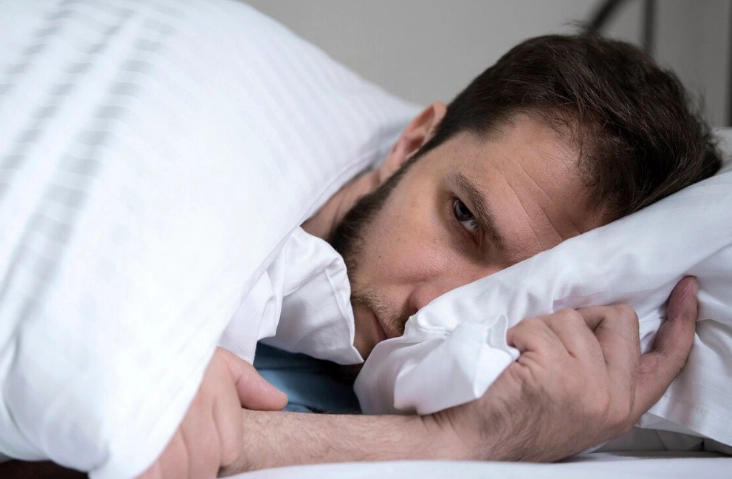
Think of it like asking how long you can hold your breath before you die. You'll pass out long before your heart stops, forcing you to breathe. Sleep deprivation works similarly—your cognitive and physical systems fail so dramatically that you become a danger to yourself and others, often through accidents caused by impaired function, long before organ failure sets in from sheer lack of sleep alone.
What's Inside This Guide
- The Stages of Sleep Deprivation: A Timeline to Collapse
- What Happens in the Brain During Extreme Sleep Loss?
- When Does Sleep Deprivation Become Fatal? The Rare Cases
- Common Myths and Misconceptions About Staying Awake
- If You've Pushed It Too Far: Recovery Is Not Instant
- Your Sleep Deprivation Questions, Answered
The Stages of Sleep Deprivation: A Timeline to Collapse
Instead of fixating on a single death clock, it's more useful to understand the progression. Your body doesn't just shut off. It sends increasingly desperate distress signals.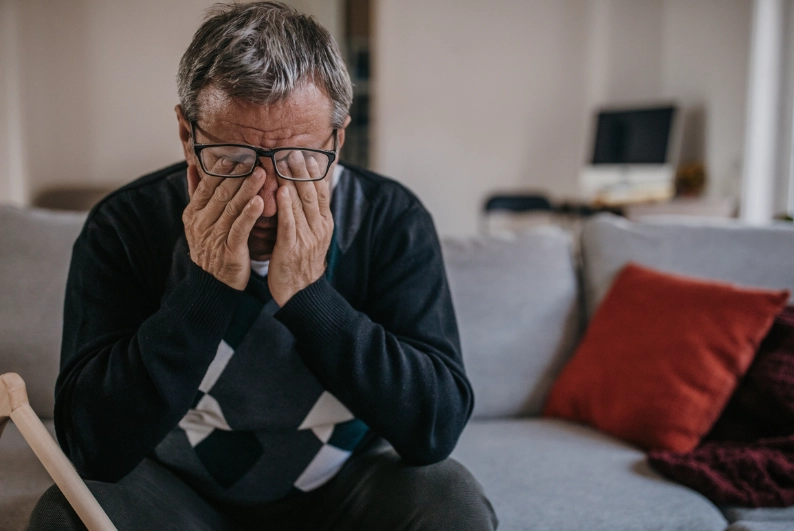
| Time Awake | Stage & Common Name | What You'll Likely Experience |
|---|---|---|
| 24 Hours | Impaired Coordination | Similar to having a blood alcohol concentration of 0.10% (over the legal limit in most places). Reaction time slumps, irritability spikes, decision-making gets foggy. Your body is already producing more stress hormones like cortisol. |
| 36-48 Hours | Microsleeps Begin | This is the brain's first major rebellion. You'll start having "microsleeps"—uncontrollable episodes lasting 1-30 seconds where your brain disengages from the world. Your eyes might be open, but you're not processing information. This is incredibly dangerous if driving or operating machinery. |
| 48-72 Hours | Major Cognitive Decline | Concentration becomes nearly impossible. Memory is severely impaired. You may experience depersonalization (feeling detached from yourself), heightened anxiety, and even visual distortions or mild hallucinations (like seeing shadows move in your peripheral vision). Your immune function is taking a serious hit. |
| 72+ Hours | Psychosis & Physical Deterioration | Extended wakefulness beyond three days is where severe symptoms set in. Complex hallucinations (auditory and visual), delusions, paranoia, and disorganized thinking are common. Your speech may become slurred. The term "sleep deprivation psychosis" is used here. Your metabolism and temperature regulation start to go haywire. |
| 11+ Days | The Outer Limit (Documented) | The longest scientifically documented case of voluntary sleep deprivation is 11 days and 25 minutes by Randy Gardner in 1965. He experienced severe cognitive and behavioral changes but survived and recovered. This is often cited as the "record," but it's a record of survival, not the point of death. It underscores that the brain forces sleep in snippets (microsleeps) long before total shutdown. |
See the pattern? Death isn't a neat endpoint on this chart. The risk of fatal accident skyrockets around the 24-hour mark due to impaired judgment. The risk of long-term health damage to your heart, immune system, and brain increases with every missed cycle of deep sleep and REM sleep.
A crucial point most articles miss: The idea that "if you can just push past 72 hours, you're in the clear" is dangerously wrong. The cumulative strain on your cardiovascular system (increased blood pressure, inflammation) and the metabolic chaos don't reset. You're not building tolerance; you're accumulating damage. The microsleeps become more frequent and longer, making you a perpetual danger zone for accidents.
What Happens in the Brain During Extreme Sleep Loss?
Sleep isn't a luxury; it's a non-negotiable maintenance cycle. When you skip it, toxic byproducts of the day's neural activity, like beta-amyloid (associated with Alzheimer's disease), don't get cleared out efficiently. The brain's prefrontal cortex—the CEO responsible for decision-making, impulse control, and judgment—is one of the first areas to go offline.
Meanwhile, the amygdala, your emotional center, becomes hyperactive. This is why sleep-deprived people are often emotionally volatile, swinging between tears, anger, and anxiety over minor things. The connection between the logical prefrontal cortex and the emotional amygdala gets weaker.
Researchers using fMRI scans have shown that the sleep-deprived brain enters a state of local sleep. Parts of it shut down temporarily while you're still technically awake, leading to massive lapses in attention and performance. It's like having random circuits in a computer flicker on and off.
The Silent Killer: Microsleeps at the Wheel
This is the most common real-world fatal scenario. The CDC bluntly states that being awake for 18 hours is similar to having a blood alcohol content of 0.05%. At 24 hours, it's 0.10%. You would never dream of driving that drunk, but people drive that sleep-deprived all the time. The microsleeps that begin around the 36-hour mark are brief, uncontrollable, and often unnoticed by the person having them. On a highway, a 4-second microsleep means you've traveled the length of a football field blind.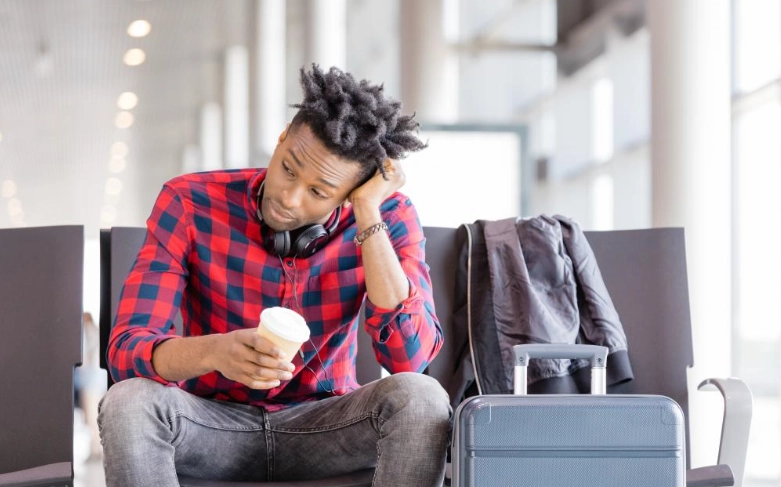
This isn't a secondary effect; it's a primary cause of death related to sleep deprivation. The National Highway Traffic Safety Administration estimates drowsy driving causes thousands of deaths annually.
When Does Sleep Deprivation Become Fatal? The Rare Cases
Pure, unadulterated sleep deprivation leading directly to death in humans is mostly seen in a horrific, extremely rare genetic disorder called Fatal Familial Insomnia (FFI). It's a prion disease that destroys the thalamus, a part of the brain crucial for regulating sleep.
Patients with FFI progressively lose the ability to sleep at all, moving through stages of worsening insomnia, panic attacks, phobias, hallucinations, rapid weight loss, and dementia. Death typically occurs within 6 to 36 months from the onset, not from the "lack of sleep" as an isolated factor, but from the total collapse of autonomic nervous system functions (regulating body temperature, heart rate, blood pressure) and secondary infections as the immune system fails. It's a window into the catastrophic end-stage of what no sleep does to the entire system.
For the average person without FFI, death would likely follow a similar path of multi-system organ failure after an extended period of total sleep deprivation, but again, the brain's drive for microsleeps makes reaching that pure state almost impossible without external intervention or severe pathology.
Expert Insight: A common subtle mistake is focusing solely on the "awake" clock. The quality of sleep before the deprivation period matters immensely. Starting a long stretch already sleep-deprived puts you on a much faster track to severe symptoms. Someone who chronically gets only 5 hours a night is already in a deficit before they even pull their first all-nighter.
Common Myths and Misconceptions About Staying Awake
Let's bust a few, because some of these are actively dangerous.
Myth 1: "You can train your body to need less sleep." Nope. You might adapt to feeling chronically tired, but cognitive deficits, health risks, and shortened lifespan markers still accumulate. The American Academy of Sleep Medicine is clear: adults need 7+ hours regularly.
Myth 2: "Caffeine and energy drinks can override the need for sleep." They can mask sleepiness signals, but they do not stop the cognitive impairment or the brain's need for sleep. They just make you a wide-awake, jittery person with terrible judgment and slow reactions.
Myth 3: "If you're not feeling sleepy, you must be fine." Sleep deprivation notoriously impairs self-assessment. Studies show sleep-deprived individuals are often wildly overconfident in their abilities, thinking they're performing well on tests when their scores have plummeted.
If You've Pushed It Too Far: Recovery Is Not Instant
So you pulled a 48-hour coding marathon or a new-parent stint. Sleeping for 12 hours straight won't magically reset you. Sleep debt is repaid in a specific way.
Your body prioritizes deep sleep (Stage N3) first to repair the body and support immune function. Then it catches up on REM sleep, crucial for memory consolidation and emotional regulation. This recovery can take several nights of good, uninterrupted sleep. You might sleep longer and spend a higher percentage of time in these crucial stages for a few nights.
Don't expect to feel 100% after one long sleep. Give yourself a few days of early nights, avoid alcohol (which ruins sleep architecture), and be gentle with your brain. Strategic, short naps (20-30 minutes) can help with alertness but won't replace the full debt repayment cycle of nighttime sleep.
Your Sleep Deprivation Questions, Answered
The bottom line is this: asking how long you can go without sleep before you die is like asking how long you can drive a car without ever changing the oil. The engine might seize catastrophically at 100,000 miles, or it might sputter and cause a fatal accident due to failed parts at 50,000. Don't wait for the seizure. Listen to the knocking. Your brain's need for sleep is the most fundamental maintenance schedule your body has. Respect it.
Reader Comments