I spent years staring at the ceiling, convinced I was broken. The term "sleep disorder" felt like a life sentence. But here's the truth I learned the hard way: fixing a sleep disorder isn't about one magic trick. It's a systematic reset of your habits, environment, and relationship with sleep. This guide isn't just theory. It's the roadmap I built from personal struggle, research from sources like the American Academy of Sleep Medicine, and conversations with sleep specialists. We'll move past generic advice like "just relax" and into actionable steps you can start tonight.
What You'll Find in This Guide
- First, Identify Your Specific Sleep Problem
- How to Create a Sleep Sanctuary (It's More Than a Dark Room)
- The Non-Negotiable Step to Reset Your Sleep Schedule
- Daytime Habits That Make or Break Your Night
- The Biggest Mental Trap That Keeps You Awake
- When It's Time to Get Professional Help
- Your Top Sleep Disorder Questions, Answered
First, Identify Your Specific Sleep Problem
Calling it all "insomnia" is like calling every stomach ache "food poisoning." The fix depends on the type. Track your sleep for a week. Note when you get in bed, when you think you fell asleep, how often you woke up, and how you felt in the morning. Be honest. This data is gold.
You're likely dealing with one of these patterns:
- Sleep Onset Insomnia: Taking more than 30 minutes to fall asleep. Your mind races the second your head hits the pillow.
- Sleep Maintenance Insomnia: Waking up multiple times during the night and struggling to drift back off.
- Early Morning Awakening: Waking up way too early (like 3 or 4 AM) and being unable to return to sleep, even though you're exhausted.
See where you fit? Good. The strategies we'll use often overlap, but knowing your pattern helps you target your effort. For example, sleep onset issues often tie to evening habits and anxiety, while maintenance problems might link to your sleep environment or underlying health.
How to Create a Sleep Sanctuary (It's More Than a Dark Room)
Your bedroom environment is the foundation. We're not aiming for "comfortable." We're aiming for "sleep-inducing." This goes beyond buying blackout curtains, though those are a great start.
The Three Pillars of Your Sleep Sanctuary
1. Temperature is King. The science is clear: your core body temperature needs to drop to initiate sleep. A hot room prevents this. The sweet spot is between 60-67°F (15-19°C). This was a game-changer for me. I used to keep it at 72°F and wondered why I tossed and turned. Dropping it to 65°F felt drastic for two nights, then I slept deeper than I had in months.
2. Eliminate Light Pollution. Even small amounts of light from chargers, streetlights, or cracks in the door can disrupt melatonin production. Blackout curtains are essential. Cover or remove all electronic LEDs. If total darkness isn't possible, a comfortable sleep mask is a must. Don't underestimate this.
3. Sound Control. Complete silence can be unnerving for some, making every little creak jarring. The solution isn't noise cancellation, but noise masking. A white noise machine or a simple fan creates a consistent, soothing auditory blanket. I use a basic fan year-round—it covers traffic noise and provides that perfect cool breeze.
The Non-Negotiable Step to Reset Your Sleep Schedule
This is the hardest but most effective behavioral tool: Stimulus Control and Sleep Restriction. It sounds counterintuitive, but it works by rebuilding the pressure to sleep and the association between bed and sleep.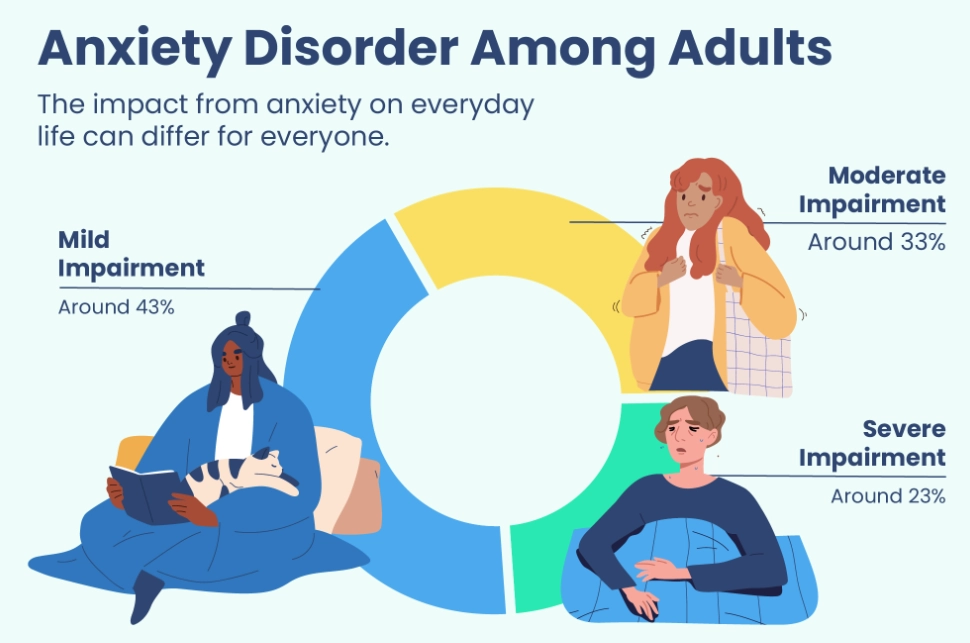
Here’s the blunt protocol, based on Cognitive Behavioral Therapy for Insomnia (CBT-I) principles:
- Pick a fixed wake-up time. Choose a time you can stick to 7 days a week, weekends included. This is your anchor. No sleeping in.
- Get out of bed if you're not sleeping. If you're awake for more than 20 minutes (don't watch the clock, just estimate), get up. Go to another dimly lit room and do something boring until you feel sleepy. Then return to bed. This breaks the "bed = frustration" link.
- Initially, limit your time in bed. If you're only actually sleeping 5 hours a night, don't spend 8 hours in bed. Go to bed later to compress your sleep window. This increases sleep efficiency (the percentage of time in bed you're actually asleep). As your efficiency improves, you gradually go to bed earlier.
This feels brutal for the first week. You might be more tired. But by week two, your sleep drive becomes powerful, and you start falling asleep faster and staying asleep. It retrains your brain.
Daytime Habits That Make or Break Your Night
Sleep isn't a separate part of your day. What you do from the moment you wake up sets the stage for the night.
| Habit | What to Do | Why It Works |
|---|---|---|
| Morning Light | Get 15-30 minutes of natural sunlight within an hour of waking. | It sets your circadian rhythm, suppressing melatonin and signaling your brain that the day has started. This makes it easier to produce melatonin at night. |
| Caffeine Cut-off | Stop all caffeine by 2 PM (or at least 8 hours before bed). | Caffeine has a half-life of 5-6 hours. That 3 PM coffee can still be 50% active in your system at 9 PM, blocking sleep-promoting adenosine receptors. |
| Exercise Timing | Finish moderate-to-vigorous exercise at least 3 hours before bedtime. | Exercise raises core body temperature and releases stimulants. Finishing earlier allows your temperature to drop, promoting sleep. Gentle evening yoga or stretching is fine. |
| Evening Wind-Down | Create a 60-minute pre-bed ritual with no screens. | This tells your nervous system it's time to shift from "fight-or-flight" to "rest-and-digest." Blue light from screens directly suppresses melatonin. |
Most people mess up the caffeine and light parts. They have a late coffee and then scroll in bed, wondering why they're wired.
The Biggest Mental Trap That Keeps You Awake
Performance anxiety about sleep. The more you try to sleep, the more elusive it becomes. You lie there thinking, "I need to sleep now. I have to get 8 hours. If I don't, tomorrow will be ruined." This creates stress, which releases cortisol—the very hormone that keeps you alert.
The fix is paradoxical: give up the effort to sleep. Your goal is not to sleep. Your goal is to rest comfortably in a dark, cool room. If sleep comes, great. If not, you're still giving your body valuable rest. This mental shift removes the pressure. I practiced this by focusing on the physical sensation of relaxation in my toes and letting it slowly creep up my body, without any expectation of sleep. More often than not, sleep sneaked up on me.
Avoid clock-watching. Turn your clock away. Each time you check the time, you calculate how much sleep you've lost, which spikes anxiety.
When It's Time to Get Professional Help
If you've consistently tried these behavioral changes for a month and see no improvement, it's time to consult a professional. This isn't failure; it's smart troubleshooting. You may have an underlying condition that needs specific treatment.
- See a Doctor: Rule out medical issues like sleep apnea (characterized by snoring and gasping), restless legs syndrome, thyroid problems, or chronic pain. A primary care physician is a good start.
- Consult a Sleep Specialist: These are doctors board-certified in sleep medicine. They can order a sleep study (polysomnography) to get precise data on your sleep stages, breathing, and movements.
- Work with a CBT-I Therapist: Cognitive Behavioral Therapy for Insomnia is the gold-standard non-drug treatment. A therapist guides you through the stimulus control, sleep restriction, and cognitive restructuring we touched on. Studies from the National Institutes of Health (NIH) consistently show it's more effective long-term than sleep medication.
Medication can be a short-term bridge, but it's not a fix. It's a tool best used under a doctor's supervision while you build the sustainable habits outlined here.
Your Top Sleep Disorder Questions, Answered
 What's the one most overlooked tip for someone who wakes up at 3 AM with a racing mind?
Reader Comments