You know the feeling. You clock seven or eight hours in bed, but you wake up feeling like you ran a marathon in your sleep. Groggy, unfocused, and reaching for that third coffee before lunch. For years, I chased sleep duration, thinking more time in bed equaled better rest. I was wrong. The real game-changer wasn't more sleep; it was better sleep. And that's where legitimate sleep quality research steps in, cutting through the noise of wellness trends to show us what actually works.
Sleep research isn't just white-lab-coat stuff in a university lab anymore. It's a practical toolkit. It helps us understand why we wake up at 3 a.m., why some nights feel restorative and others don't, and most importantly, what we can actually do about it. Let's ditch the guesswork.
What You'll Learn in This Guide
Beyond the Basics: What Sleep Quality Really Means
Most people think quality sleep just means not waking up. That's a good start, but it's like saying a good meal is just not being hungry. Sleep science breaks it down into specific, measurable components.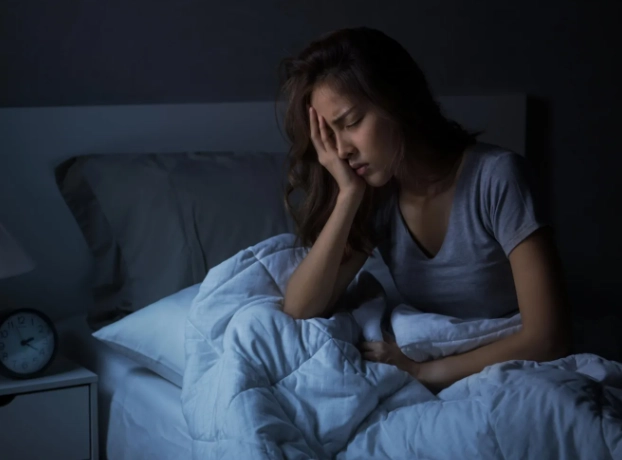
Sleep efficiency is a big one. It's the percentage of time you're actually asleep while in bed. If you're in bed for 8 hours but only sleep for 6, your sleep efficiency is 75%. Research consistently links higher efficiency (85% or above is considered good) with better daytime function.
Then there's sleep architecture. This is the structure of your night—the cycling through light sleep, deep sleep (slow-wave sleep), and REM (dream) sleep. Each stage has a role. Deep sleep is for physical restoration and memory consolidation. REM is for emotional processing and creativity. High-quality sleep isn't just about total time; it's about getting sufficient, uninterrupted cycles of these stages. Disruptions—from a snoring partner, a street noise, or checking your phone—can fragment this architecture, leaving you deprived of crucial deep or REM sleep even if you don't fully wake up.
A key insight from the lab: One of the most replicated findings is that sleep continuity—sleeping through the night without awakenings—is often a stronger predictor of how refreshed you feel than total sleep time. A solid 6-hour block can be more restorative than a fractured 8 hours.
How Researchers Measure Sleep (And How You Can Too)
In the gold-standard sleep lab, they use polysomnography (PSG). It involves wires measuring brain waves (EEG), eye movement, muscle activity, heart rate, and breathing. It's incredibly precise but not exactly practical for nightly use.
For the rest of us, the revolution has been in actigraphy and consumer devices. Actigraphy uses a wrist-worn device (like a research-grade Fitbit) to measure movement. Less movement suggests sleep. It's good for measuring patterns over weeks. Consumer sleep trackers (Oura Ring, Whoop, Apple Watch) go further, using heart rate variability, skin temperature, and movement to estimate sleep stages.
Here's the critical nuance most blogs miss: These consumer devices are estimators, not medical devices. A 2022 study published in the journal Sleep Medicine Reviews analyzed data from several trackers and found they are reasonably good at detecting sleep versus wake but can be highly inaccurate in distinguishing between specific sleep stages like light and deep sleep. Don't obsess over your "deep sleep" number from your watch. Look at the trends.
Is your resting heart rate trending down over weeks? That's a great sign of improved recovery. Are you seeing more consistent sleep times? That's a win. The data is a compass, not a GPS pin.
The 4 Pillars of Sleep Quality Backed by Science
Research points to a handful of factors that overwhelmingly influence sleep quality. Getting these right solves 80% of the problem.
1. Light & Your Circadian Rhythm
This is your body's master clock. Bright light, especially blue light from screens, in the evening tricks your brain into thinking it's daytime, suppressing melatonin (the sleep hormone). The fix isn't just blue-light glasses. It's about bright light exposure in the morning to set the clock and dim, warm light in the evening. Try this: get 10 minutes of morning sunlight within an hour of waking. In the evening, use dimmable lights and set your devices to night mode at least 90 minutes before bed. The difference can be stark.
2. Temperature Regulation
Your body needs to drop its core temperature to initiate sleep. A hot, stuffy room is one of the biggest silent killers of sleep quality. Studies, including those cited by the National Sleep Foundation, pinpoint the ideal bedroom temperature around 18.3°C (65°F). Your bedding matters too. Materials like wool and certain high-tech fibers are better at wicking heat and moisture than traditional cotton.
3. The Wind-Down Routine (Sleep Pressure)
Sleep pressure, driven by the buildup of a chemical called adenosine, is what makes you feel sleepy. Caffeine blocks adenosine receptors, which is why an afternoon coffee can wreck your evening. A wind-down routine isn't just "self-care"; it's a biochemical necessity. It allows adenosine to do its job and lowers cortisol (the stress hormone). An hour of reading a physical book, light stretching, or a mindfulness practice signals the nervous system that it's safe to power down.
4. Consistency, Consistency, Consistency
This is the most boring but most powerful advice. Going to bed and waking up at roughly the same time every day—yes, even on weekends—stabilizes your circadian rhythm more than anything else. A shifting schedule is like giving yourself jetlag every few days. Your body never knows when to release melatonin or cortisol. Pick a wake-up time you can stick to 90% of the year and work backwards from there.
From Data to Action: A Research-Backed Improvement Plan
Okay, so you understand the pillars. What does a week of applying this look like? Let's get specific.
Week 1: The Foundation. Don't change everything. Pick one pillar. Let's say consistency. Set an alarm for your wake-up time only. Get up at that time no matter what. Don't worry about bedtime yet. By the end of the week, you'll naturally feel sleepy earlier. Track how you feel at 11 a.m. each day.
Week 2: Layer in Environment. Keep the consistent wake-up. Now, tackle temperature. Set your bedroom thermostat to 19°C (66°F). Get a fan if needed. Assess: Do you fall asleep faster?
Week 3: Master Light. Keep the previous habits. Now, implement a 60-minute screen curfew. Charge your phone outside the bedroom. Use an old-school alarm clock. Read with a warm-light lamp. Notice any change in sleep depth?
This gradual, research-led approach builds sustainable habits. It's about observing cause and effect on your own biology.
The Truth About Sleep Trackers and Apps
I've been down the tracker rabbit hole. I've had weeks where I'd stare at my "poor" sleep score and feel defeated before the day began. That's the trap.
The value of a sleep tracker isn't in the daily score. It's in spotting patterns over a month. Look for correlations.
- See a spike in resting heart rate and poor sleep score? Check your log. Did you have alcohol, a late heavy meal, or a stressful argument that evening?
- Notice your sleep consistency score is always lower on Fridays? Maybe your Thursday night social routine involves a late dinner or drinks.
The tracker gives you the "what." Your job is to detective the "why." Without that step, it's just anxiety-inducing data. Sometimes, the best research you can do is to put the tracker away for a month and just listen to your body.
Your Top Sleep Research Questions Answered
The goal of engaging with sleep quality research isn't to achieve a perfect score every night. That's impossible. Life happens. The goal is to build a resilient system—a strong circadian rhythm and good sleep habits—that helps you bounce back faster after a bad night and gives you more good nights than bad. Start with one pillar, observe, adjust, and trust the process. Your mornings will thank you.
Reader Comments