You know the feeling. You spend 7, maybe 8 hours in bed, but you wake up feeling like you ran a marathon in your sleep. Your brain is foggy, your body aches, and the alarm clock is your worst enemy. Sound familiar? You're not alone. The Centers for Disease Control and Prevention (CDC) has called insufficient sleep a public health problem. But here's the thing everyone misses: it's often not about the quantity of sleep, but the disastrous quality. Figuring out what causes poor sleep quality is the first step to fixing it for good.
Most articles throw the same five reasons at you. I've been researching and writing about sleep for over a decade, and I can tell you, the real culprits are often more subtle. People focus on the obvious—caffeine, screens—but completely overlook the silent sleep killers that do just as much damage.
What’s Inside: Your Guide to Better Sleep
Lifestyle & Habits: The Usual (and Unusual) Suspects
This is where most sleep problems start. You have more control here than you think.
The Caffeine & Alcohol Trap
Everyone knows caffeine keeps you awake. But the half-life is about 5-6 hours. That 3 PM coffee? Half of it is still in your system at 9 PM. It doesn't just prevent you from falling asleep; it reduces deep sleep even if you do nod off.
Alcohol is the bigger trickster. It's a sedative, so it knocks you out. Great, right? Wrong. As it metabolizes, it acts as a stimulant. It decimates your REM sleep—the stage crucial for memory and emotional processing. You might crash quickly, but you'll spend the second half of the night in shallow, fragmented sleep. You wake up dehydrated and unrested. It's a terrible trade-off.
Screen Time & Blue Light
Yes, your phone is a problem. But it's not just the blue light suppressing melatonin (though that's a big part). It's the cognitive stimulation. Scrolling through social media, reading stressful news, or answering work emails puts your brain into an alert, engaged state. Telling it to suddenly shut off is like slamming the brakes on a highway. You need a buffer zone.
Irregular Sleep Schedule
Your body loves rhythm. Going to bed at 10 PM during the week and 1 AM on weekends confuses your internal clock (circadian rhythm). This "social jet lag" makes it harder to fall asleep and wake up, and consistently degrades sleep quality. Monday morning fatigue isn't just about work; it's a literal form of jet lag.
Diet & Late-Night Eating
Heavy, spicy, or fatty meals right before bed force your digestive system to work overtime when it should be winding down. This can cause discomfort, acid reflux, and a higher core body temperature—all enemies of deep sleep. Conversely, going to bed hungry can also keep you awake. A small, carbohydrate-rich snack (like a banana) might help some people, but a full meal is a bad idea.
Your Sleep Environment: Is Your Bedroom Sabotaging You?
You can have perfect habits, but if your bedroom is working against you, you'll lose. This is the most underrated category.
Temperature, Noise, and Light
The ideal sleep temperature is cooler than most people think: around 65°F (18.3°C). Your body needs to drop its core temperature to initiate and maintain sleep. A hot room prevents this.
Noise doesn't have to wake you fully to disrupt you. Even low-level background noise can shift you from a deep sleep stage to a lighter one. Consistent, monotonous white noise can help mask these irregular sounds.
Light is a powerful signal to your brain that it's time to be awake. Even the tiny LED from a charger or the glow of a streetlamp through a crack in the blinds can interfere. Pitch black is the goal.
Your Mattress and Pillow
This is a big one. An old or unsupportive mattress is a major cause of poor sleep quality that people endure for years. It can cause misalignment, pressure points, and pain that leads to constant micro-awakenings you don't even remember. If your mattress is over 7-8 years old, it's likely past its prime. The right pillow is equally critical for neck support.
I made this mistake for years. I had a mid-range mattress that I thought was "fine." After switching to one that properly supported my side-sleeping posture, the reduction in morning back stiffness was immediate. It wasn't cheap, but it was a better investment than any sleep tracker or supplement.
Underlying Health & Medical Conditions
When lifestyle and environment are dialed in but sleep is still poor, it's time to look deeper. These causes often require professional help.
Sleep Disorders: The Invisible Thieves
- Sleep Apnea: This is huge. Your breathing repeatedly stops and starts during sleep. Each event causes a mini-arousal, pulling you out of deep sleep. You might not remember waking up, but your brain and body do. Loud snoring, gasping for air, and extreme daytime fatigue are major red flags. According to the American Sleep Apnea Association, it's vastly underdiagnosed.
- Restless Legs Syndrome (RLS): An irresistible urge to move your legs, usually in the evenings. It can make falling asleep nearly impossible.
- Insomnia: The inability to fall or stay asleep. It often starts with stress but can become a chronic cycle of anxiety about sleep itself.
Mental Health: Stress, Anxiety, and Depression
Stress and anxiety flood your system with cortisol, the alertness hormone. It's the biological opposite of the sleepy melatonin you need. Your mind races, replaying the day or worrying about tomorrow. Depression is tightly linked to sleep problems—either insomnia or sleeping too much, with neither being restorative.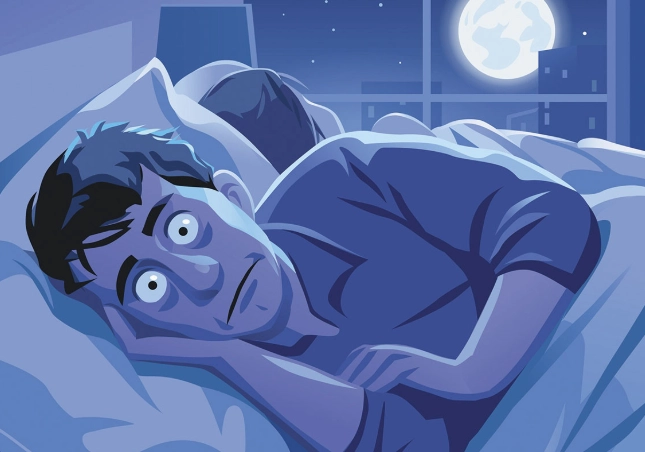
Chronic Pain and Other Conditions
Arthritis, back pain, fibromyalgia, headaches—any chronic pain condition makes finding a comfortable position a nightly battle. Other conditions like acid reflux (GERD), hyperthyroidism, and even certain medications can be primary drivers of poor sleep.
How Can You Actually Improve Sleep Quality?
Knowing the causes is useless without action. Don't try to change everything at once. Pick one area to master first.
Start with the environment. Make your bedroom a cave: cool, dark, and quiet. Get blackout curtains, use a fan or white noise machine, and set your thermostat lower at night. This gives you immediate wins.
Build a consistent wind-down routine. The last 60 minutes before bed are sacred. No work, no stressful conversations, no exciting shows. Read a (physical) book, listen to calm music, do gentle stretching, or take a warm shower (the subsequent cooldown helps lower body temperature).
Get light exposure early. View bright natural light within an hour of waking. This resets your circadian rhythm more powerfully than anything else. It tells your brain, "The day has started," so it can plan to produce melatonin at the right time later.
Re-evaluate your mattress. If you're waking up with aches or your mattress has visible dips, it's time. Don't just buy the most marketed brand. Go to a store, lie down in your typical sleep position for 10-15 minutes. Support is key.
Finally, be kind to yourself. One bad night isn't a catastrophe. The anxiety about not sleeping is often worse than the sleep loss itself. If you can't sleep after 20 minutes, get out of bed. Go read in dim light until you feel sleepy. Break the association between bed and frustration.
Your Top Sleep Questions, Answered
Figuring out what causes poor sleep quality is a personal investigation. It's rarely one thing. It's usually a combination of a few lifestyle missteps, an unoptimized environment, and maybe an underlying condition you've ignored. Start with the low-hanging fruit—your bedroom environment and a wind-down routine. The improvement can be dramatic. If problems persist, don't hesitate to seek professional help. Good sleep isn't a luxury; it's the foundation of everything else.
Reader Comments