You know the feeling. That 3 PM wall hits, your brain feels foggy, and the only thing you can think about is closing your eyes. A nap seems like the perfect solution, but then you wake up an hour later feeling even worse—disoriented, groggy, and somehow more tired than before. What went wrong? Chances are, you napped for the wrong amount of time. This is exactly the problem the 30 60 90 nap rule is designed to solve. It's not just a catchy phrase; it's a practical framework based on sleep cycle science that tells you how long to nap to wake up refreshed, not wrecked.
What You'll Learn In This Guide
How the 30 60 90 Nap Rule Actually Works
Forget vague advice like "take a power nap." The 30 60 90 rule gives you three specific, timed options, each linked to a different stage of your sleep cycle. The core idea is to either wake up before you enter deep sleep, or sleep long enough to go through a complete cycle and wake up naturally from light sleep.
Here’s the breakdown at a glance:
| Nap Length | Primary Benefit | Sleep Stage You Wake From | Biggest Risk |
|---|---|---|---|
| 30 Minutes (or less) | Quick alertness & energy boost | Stage N1/N2 (Light Sleep) | Might not fall asleep fast enough to get benefits. |
| 60 Minutes | Memory consolidation & cognitive processing | Often Stage N3 (Deep Sleep) – the "Danger Zone" | High chance of sleep inertia (grogginess). |
| 90 Minutes | Full cycle refresh: creativity, emotion, motor skills | Stage N2 or REM (Light Sleep) | Requires significant time; can disrupt nighttime sleep if too late. |
The mistake most people make? They nap for 45, 50, or 75 minutes. That's a one-way ticket to grogginess city because you're almost guaranteed to be ripped out of deep sleep. The 30 60 90 rule forces you to pick a lane.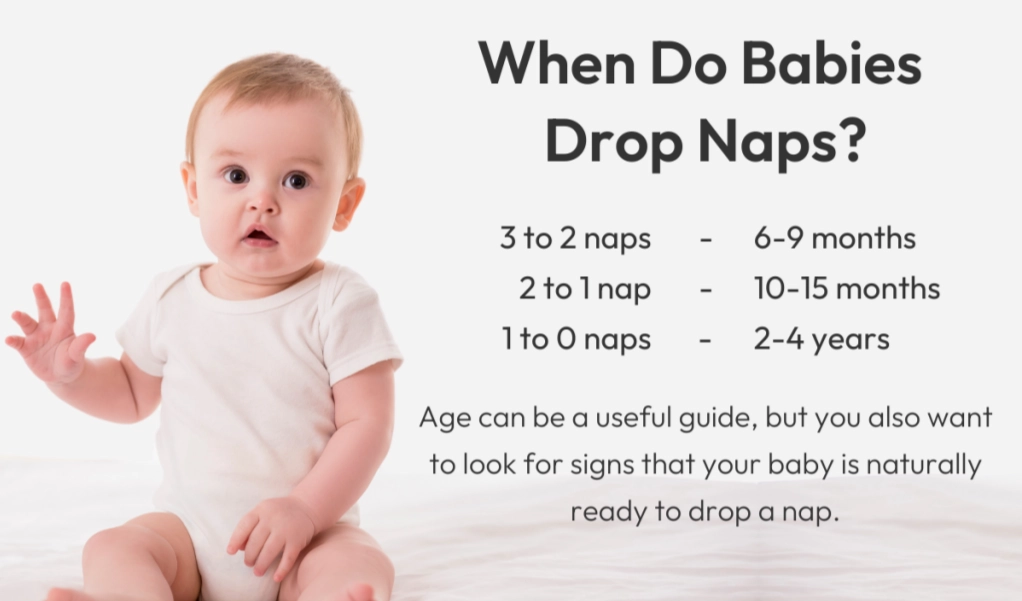
The Sleep Science Behind Each Number
Let's get into the why. Sleep isn't a uniform state. Your brain cycles through distinct stages roughly every 90 minutes. Napping strategically means playing the edges of this cycle.
The 30-Minute Power Nap: Hitting the Sweet Spot
Aim for 20-30 minutes, max. The goal here is to stay in Stage 1 (N1) and Stage 2 (N2) sleep. This is light sleep. Your body starts to relax, your brain waves slow down, but you're still relatively easy to wake.
Why it works: This short burst can clear out adenosine, a sleep-promoting chemical that builds up in your brain while you're awake. Research from institutions like NASA has shown a 26-minute nap improved pilot alertness by 54% and performance by 34%. You get the restorative benefits without the brain needing to engage in the heavy lifting of deep sleep.
The trick? You actually have to fall asleep. If it takes you 15 minutes to doze off, a 30-minute alarm gives you only 15 minutes of actual sleep. That's why some experts suggest a hard 20-minute limit.
Pro Tip: Drink a cup of coffee right before your 20-minute nap. The caffeine takes about 20-30 minutes to kick in, so it will start working just as you're waking up, giving you a double boost. It's called a caffeine nap.
The 60-Minute Nap: The Cognitive Boost (With a Caveat)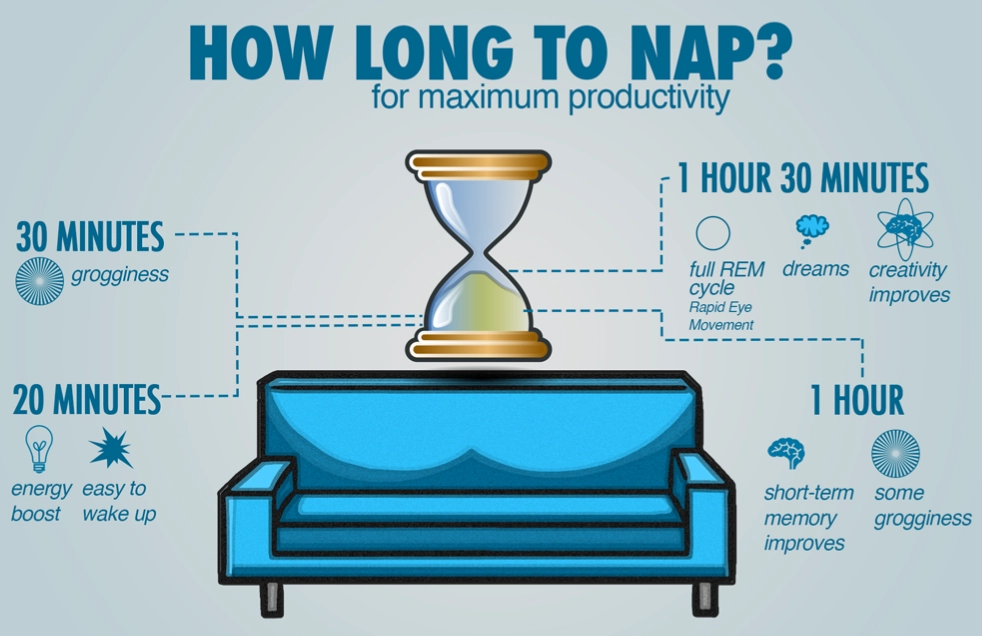
This one is interesting. Around the 60-minute mark, you're likely descending into or are in the middle of Stage 3 (N3) or Slow-Wave Sleep (SWS). This is deep sleep, crucial for physical restoration and memory consolidation—specifically for facts, figures, and locations (declarative memory).
So, a 60-minute nap can be fantastic for locking in information you just learned. A study published in Neurobiology of Learning and Memory found that people who napped for 60 minutes after learning performed better on memory tests later.
Here's the massive caveat everyone misses: Waking up from deep sleep feels terrible. That grogginess is called sleep inertia, and it can impair your cognitive and motor performance worse than being sleep-deprived for 30 minutes or more. Your brain is literally in a low-activity state and needs time to "boot up."
So, the 60-minute nap is a trade-off: potential memory benefits vs. high risk of grogginess. I only recommend it if you have a solid 90+ minutes total (60 to sleep, 30 to shake off the inertia) before you need to be sharp.
The 90-Minute Nap: The Full Reset
This is the gold standard for a restorative nap. Ninety minutes is the average length of a full adult sleep cycle: light sleep (N1/N2) → deep sleep (N3) → light sleep → REM (Rapid Eye Movement) sleep.
By completing a full cycle, you wake up naturally from REM or light Stage 2 sleep, minimizing sleep inertia. You get the benefits of all stages:
- Deep Sleep (N3): Physical recovery, immune boost, declarative memory consolidation.
- REM Sleep: Emotional processing, creativity, procedural memory (skills), and dreaming.
This is the nap that can truly make up for a poor night's sleep. It can reset your mood, enhance creative problem-solving, and improve motor skills. The downside is obvious: it requires a big time commitment and should ideally be done earlier in the afternoon (before 3 PM) to avoid interfering with your nighttime sleep drive.
Watch Out: Don't fall for the myth that a 90-minute nap "resets" your brain like a full night. It's one cycle. A full night has 4-6 cycles, with later cycles containing much more REM sleep, which is vital for complex emotional and cognitive processing.
How to Choose the Right Nap Length for You
It's not about picking a random number. Match the nap to your situation. Let's walk through some real scenarios.
Scenario 1: The Mid-Afternoon Office Slump (2:30 PM)
You have a big meeting at 3:30. You need to be alert now.
The Choice: A strict 20-minute nap. Set an alarm for 25 minutes from now (giving you 5 to relax). This guarantees you wake from light sleep, ready to go. A 90-minute nap is impossible, and a 60-minute nap would leave you a groggy mess for the meeting.
Scenario 2: The Student Pre-Exam Cram
You've been studying history dates and formulas all morning. Your brain is full. Your exam is in 4 hours.
The Choice: A 60 or 90-minute nap. The 60-minute nap will help consolidate those facts into long-term memory, even with some grogginess afterward (which you have time to shake off). The 90-minute nap would be even better for overall cognitive function, if you have the time.
Scenario 3: The Night Shift Worker's Day Sleep
You got home at 8 AM and slept poorly. You need to be functional again for your next shift at 10 PM.
The Choice: A 90-minute nap in the late afternoon (around 4-5 PM). This acts as a strategic booster shot. It provides a full cycle of restoration without being so long or so late that it ruins your ability to sleep again after your shift.
The rule of thumb: Time available + Desired outcome = Your nap length.
Pro Tips for Executing the Perfect Nap (Beyond the Timer)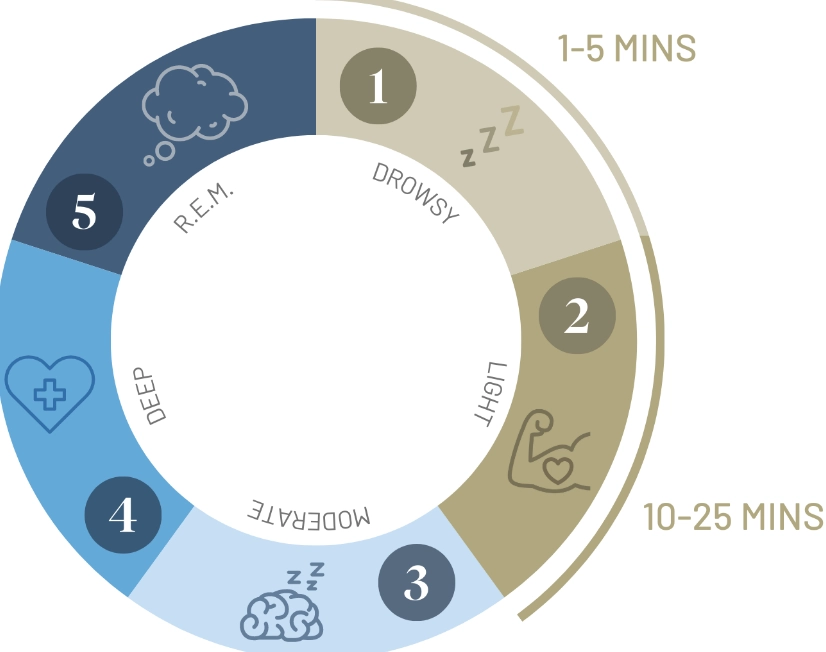
Knowing the rule is half the battle. Making it work consistently is the other half.
1. Environment is Everything. You can't nap well on a bright, noisy office floor. If possible, find a dark, cool, quiet place. An eye mask and earplugs are a napper's best friends. This helps you fall asleep faster, which is critical for short naps.
2. The "10-Minute Rule" for 30-Minute Naps. If you don't feel drowsy within 10 minutes of lying down, get up. Don't just lie there frustrated. Get up, do something low-key for 10 minutes, then try again. This prevents your brain from associating your nap spot with anxiety.
3. Consistency Matters. If you make napping a regular habit, your body gets better at it. You'll fall asleep faster and reap more consistent benefits. Try to nap at roughly the same time each day (the post-lunch dip, between 1-3 PM, is biologically ideal for most).
4. The Post-Nap Ritual. Don't jump straight into a complex task. Give yourself 5-10 minutes to transition. Splash water on your face, get some bright light (sunlight is best), maybe do some light stretching. This helps clear any residual sleep inertia, especially after a 60-minute nap.
Your 30 60 90 Nap Rule Questions, Answered
 The 30 60 90 rule takes the guesswork out of napping. It turns a potentially disruptive habit into a precise performance tool. Stop thinking of a nap as just "a little sleep." Start thinking of it as a targeted intervention—a 30-minute alertness jolt, a 60-minute memory aid, or a 90-minute system reboot. Set that alarm with intention, and you'll never wake up from a nap feeling like you lost the day again.
Reader Comments