Quick Navigation
- The First Stop: Over-the-Counter (OTC) Sleep Aids
- When You Need Heavier Artillery: Prescription Sleep Medications
- The Part Everyone Skips: What If Pills Aren't the Best Medicine?
- How to Actually Decide: A Framework, Not an Answer
- Your Questions, Answered (The Stuff People Really Want to Know)
- The Final Word: It's a Journey, Not a Pill
You're staring at the ceiling. Again. Your mind is racing, your body is tired but wired, and the clock just keeps ticking forward. The question pounds in your head with every passing hour: what is the best medicine to take when you can't sleep? The internet is a minefield of conflicting advice—some swear by a specific pill, others warn against it, and a hundred influencers are pushing "natural" cures. It's exhausting.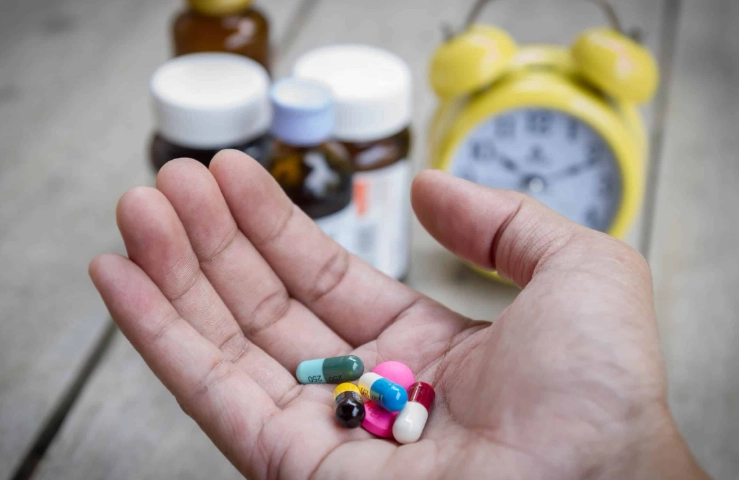
Here's the honest truth right up front, the one most articles bury: there is no single "best" medicine for everyone. Anyone who tells you otherwise is selling something. The real answer depends entirely on why you can't sleep, your overall health, and what you've already tried. What works wonders for your friend with stress-induced insomnia might be useless or even dangerous for you if you have sleep apnea or restless legs.
My goal here isn't to sell you a magic bullet. It's to give you the clearest, most honest map of the landscape so you can have an informed conversation with your doctor. We'll break down everything from the cheap over-the-counter stuff you can grab at the pharmacy to the heavy-duty prescription options, and crucially, the non-drug strategies that often work better in the long run.
The First Stop: Over-the-Counter (OTC) Sleep Aids
Most people's first thought when pondering what is the best medicine to take when you can't sleep is the OTC aisle. It's accessible and doesn't require a doctor's appointment. But "over-the-counter" doesn't mean "risk-free." These are real drugs with real side effects.
The Antihistamine Gang: Diphenhydramine & Doxylamine
You'll recognize these as the active ingredients in brands like Benadryl, ZzzQuil, Unisom, and generic "sleep aids." They work by blocking histamine, a brain chemical involved in wakefulness.
The Good: They can be effective for occasional, short-term sleep problems. They're cheap and widely available. For some people, they work like a charm to shut off a racing mind.
The Not-So-Good: Oh boy, where to start. The "hangover" effect is real—next-day drowsiness, brain fog, and dry mouth are very common. Tolerance builds quickly, meaning you need more to get the same effect within just a few nights. Long-term use is linked to potential cognitive decline and increased risk of dementia in older adults. They can also cause urinary retention (not fun) and worsen conditions like restless legs syndrome or sleep apnea.
My personal take? I used these for a while during a stressful period. The first night was great. By night four, I felt groggy and stupid until noon. They're a blunt instrument.
Melatonin: The Hormone Regulator
This is the body's natural sleep-signaling hormone. Supplemental melatonin is wildly popular, but most people use it wrong.
What it's actually good for: Resetting your circadian clock. This makes it excellent for jet lag, shift work disorder, or if your sleep schedule has drifted into a 4 a.m. bedtime. It's not really a powerful "sleeping pill" in the traditional sense.
Key details everyone misses: Dose matters a lot. More is not better. Studies often use doses between 0.3 mg and 5 mg. The 10 mg pills you see are massive overkill for most people and can cause next-day grogginess and weird dreams. Timing is everything. Take it 1-2 hours before your desired bedtime, not right as you're climbing into bed. The National Center for Complementary and Integrative Health (NCCIH) has a great, science-backed rundown on its proper use.
Herbal & Supplemental Contenders
Valerian root, chamomile, lavender, L-theanine, magnesium glycinate. The evidence here is mixed, but generally milder than pharmaceuticals.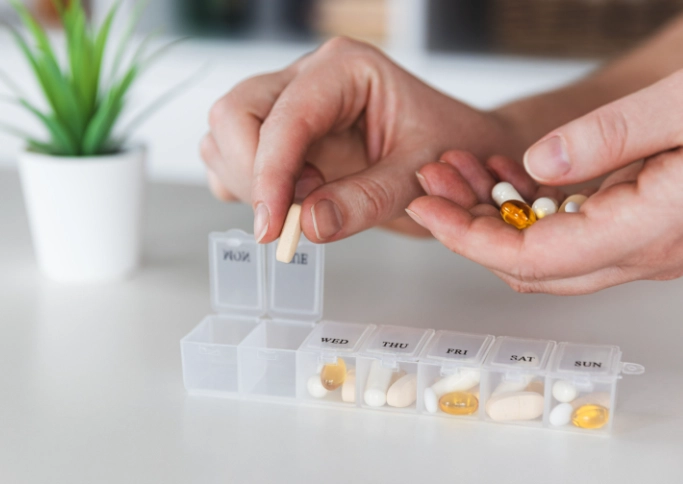
Valerian smells like old socks (seriously, it's pungent), but some studies show it can improve sleep quality over several weeks of use. It's not a quick fix. Chamomile tea's effect is likely very mild, but the ritual of a warm, caffeine-free drink before bed is itself a powerful sleep cue. Magnesium, particularly glycinate, helps muscles relax and can be helpful if tension is keeping you awake. The science isn't rock-solid for all of these, but the risk profile is low if you buy from a reputable source.
So, is an OTC option the best medicine to take when you can't sleep? For rare, situational insomnia, maybe. For anything recurring, you're likely just putting a band-aid on a deeper issue.
When You Need Heavier Artillery: Prescription Sleep Medications
This is where things get serious. These are controlled substances for a reason. They can be life-changing for people with severe, debilitating insomnia, but they come with significant strings attached.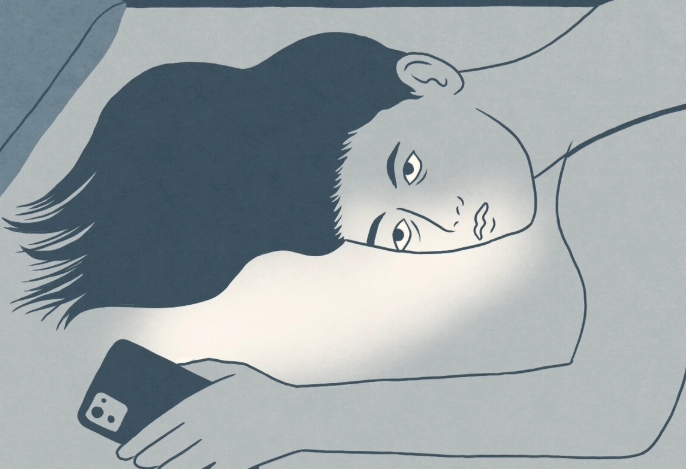
Doctors typically categorize them into groups. Let's break them down in a way that makes sense.
| Medication Class | Common Examples (Brand Names) | How It Works / Best For | Major Considerations & Risks |
|---|---|---|---|
| Z-drugs (Non-Benzodiazepines) | Zolpidem (Ambien), Eszopiclone (Lunesta), Zaleplon (Sonata) | Target specific GABA receptors to induce sleep. Good for falling asleep (zolpidem) or staying asleep (eszopiclone). | Famous for side effects like sleepwalking, sleep-eating, and next-day impairment. High risk of tolerance and dependence. Should be short-term use only. |
| Benzodiazepines | Temazepam (Restoril), Triazolam (Halcion), Clonazepam (Klonopin*) | Older class, enhances GABA broadly. Sedating, anti-anxiety effects. | Very high risk of dependence, tolerance, and severe withdrawal. Can cause significant memory issues and daytime sedation. Generally not first-line for pure insomnia anymore. |
| DORA Drugs (Dual Orexin Receptor Antagonists) | Suvorexant (Belsomra), Lemborexant (Dayvigo), Daridorexant (Quviviq) | Newer class. Blocks orexin, a brain chemical that promotes wakefulness. Think of it as turning down the "wake drive." | Generally lower risk of dependence and next-day effects than Z-drugs. Can be taken long-term. May cause sleep paralysis or hypnagogic hallucinations initially. |
| Sedating Antidepressants | Used "off-label" at low doses for sleep. Not addictive. Trazodone is incredibly common. | Side effects vary: trazodone can cause next-day grogginess and priapism (a rare but serious issue for males); mirtazapine can increase appetite/weight. | |
| Melatonin Receptor Agonists | Ramelteon (Rozerem) | Very mild effect. Not a strong sleeper for most. Expensive. But one of the safest prescription options. |
*Note: Clonazepam is more often prescribed for anxiety or restless legs, not primary insomnia.
Looking at that table, you might ask: what is the best medicine to take when you can't sleep if I need a prescription? The current thinking among sleep specialists is shifting. Many now see the newer DORA drugs (like Dayvigo or Quviviq) as a potentially better first-line option than the classic Z-drugs because of their different mechanism and lower abuse potential. But again, it's highly individual. A low dose of trazodone might be perfect for someone whose insomnia is linked to depression, while ramelteon might help a shift worker.
The U.S. Food and Drug Administration (FDA) has mandatory "Boxed Warnings" on most prescription sleep meds about complex sleep behaviors (like driving or making phone calls while not fully awake). This is not a joke or a rare side effect. It happens.
The Part Everyone Skips: What If Pills Aren't the Best Medicine?
Here's the uncomfortable secret of the sleep industry: for chronic insomnia, the single most effective long-term "medicine" isn't a pill at all. It's a form of therapy.
Cognitive Behavioral Therapy for Insomnia (CBT-I) is considered the gold-standard first-line treatment by the American College of Physicians and other major bodies. Why? Because it addresses the root causes of your sleeplessness—the anxiety about sleep, the bad habits, the racing thoughts—instead of just masking the symptom.
CBT-I involves things like:
- Sleep Restriction: Temporarily limiting your time in bed to match your actual sleep time. This builds powerful sleep drive and breaks the association between bed and frustration.
- Stimulus Control: Re-teaching your brain that the bed is only for sleep (and sex). No more lying in bed awake for hours scrolling.
- Cognitive Restructuring: Challenging the catastrophic thoughts ("I'll never sleep again, my day is ruined") that fuel insomnia.
It's work. It's harder than swallowing a pill. But the effects are lasting. Studies show it often outperforms sleep medication, especially when you look at outcomes months later after medications are stopped.
Sleep Hygiene: The Boring Fundamentals
You've heard it before: cool, dark, quiet room. No screens before bed. Consistent schedule. It sounds simplistic, but it's the foundation. You can't out-supplement a terrible sleep environment or a 3 p.m. triple espresso.
One underrated tip? Get bright light exposure first thing in the morning. It solidifies your circadian rhythm more than anything you do at night.
How to Actually Decide: A Framework, Not an Answer
So you're back to the original, frustrating question. Let's build a decision framework instead of looking for a single answer.
Step 1: Figure out your insomnia type.
- Sleep-Onset Insomnia: Can't fall asleep. Maybe melatonin (timed right), zaleplon, or ramelteon.
- Sleep-Maintenance Insomnia: Wake up and can't get back to sleep. Maybe eszopiclone, low-dose doxepin, or a DORA.
- Early Morning Awakening: Wake up way too early. Often linked to anxiety or depression. An SSRI or CBT-I might be the real answer.
Step 2: Be brutally honest about duration.
- Occasional (a few nights a month): An OTC antihistamine or melatonin might be fine. Or just ride it out.
- Short-Term (less than 3 months, due to stress/grief): A prescription for a limited course of something like zolpidem or trazodone could be appropriate to break the cycle.
- Chronic (3+ months): You need a doctor. Full stop. The goal should be CBT-I first or alongside a carefully considered medication plan.
Step 3: Audit your health. Do you have sleep apnea (loud snoring, gasping)? Medication will make it worse. Restless legs? Some meds trigger it. History of substance abuse? Avoid benzodiazepines and Z-drugs. Kidney or liver issues? Dosages need adjustment. This is why the doctor conversation is non-negotiable.
Your Questions, Answered (The Stuff People Really Want to Know)
Is it safe to take sleep medicine every night?
For most prescription drugs, especially Z-drugs and benzos, the official answer is no—they're approved for short-term use (a few weeks). Tolerance and dependence are real risks. Some newer drugs (DORAs, certain low-dose antidepressants) and OTC melatonin may have a better profile for longer use, but only under a doctor's supervision. The goal for chronic insomnia should be to find the underlying cause, not to rely on a pill forever.
What's the strongest over-the-counter sleep aid?
In terms of sheer sedative power, it's the antihistamines: diphenhydramine or doxylamine succinate. "Strongest" doesn't mean "best" or "safest for long-term use." They pack a punch but come with significant side effect baggage.
I'm scared of prescription drugs. Are there any natural alternatives that actually work?
"Natural" doesn't automatically mean safe or effective. But some options with decent evidence include:
1. CBT-I (Therapy): Again, the #1 most effective non-drug option.
2. Mindfulness & Meditation: Apps like Insight Timer have specific sleep meditations. It's about calming the nervous system.
3. Weighted Blankets: The deep pressure touch can reduce anxiety. It's not a placebo for many people.
4. Glycine (an amino acid): Some promising studies show it can improve sleep quality and reduce next-day grogginess at doses of 3 grams before bed.
The key is managing expectations. These are subtle supports, not knockout pills.
What does a doctor usually prescribe first for insomnia?
It varies wildly by the doctor's training. Many primary care doctors, pressed for time, might first prescribe trazodone (because it's non-addictive) or zolpidem (because it's familiar and works fast). A sleep specialist is far more likely to recommend CBT-I as the first-line treatment, or possibly a newer DORA drug if medication is needed immediately alongside therapy.
How do I talk to my doctor about this without sounding like I'm drug-seeking?
Frame it around function and symptoms, not a specific drug. Say: "My insomnia is really affecting my work and mood. I've tried [list what you've tried, like better sleep hygiene, limiting caffeine]. Can we discuss all my options, including therapy like CBT-I and what medications might be appropriate for short-term help while I address the root cause?" This shows you're informed and seeking a solution, not just a quick fix.
The Final Word: It's a Journey, Not a Pill
Searching for the best medicine to take when you can't sleep is a rational response to a miserable problem. But I hope by now you see that the question itself is a bit of a trap.
The real journey is about diagnosis, not just prescription. Is it anxiety? An erratic schedule? Poor habits? An underlying medical issue? The "best medicine" is the one that targets your specific problem with the least amount of risk and the greatest chance for sustainable success.
Start with your habits and environment. If that's not enough, talk to a doctor. Push for a referral to a sleep specialist or a therapist trained in CBT-I if your primary care doc just reaches for the prescription pad. Be an informed partner in your own care.
Sleep is a complex biological process, not a switch to be flipped with a chemical. The answer to what is the best medicine to take when you can't sleep is often a combination of tools—a bit of short-term pharmaceutical help to break the cycle, combined with the behavioral work that ensures you won't need that pill bottle on your nightstand forever.
You can get your sleep back. It just might look different than you first imagined.
Reader Comments