Quick Navigation
So, you're lying awake again, staring at the ceiling, and your mind just won't shut off. You've tried counting sheep, warm milk, maybe even some meditation apps, but nothing seems to stick. The thought of prescription sleep aids makes you a bit uneasy – you've heard the stories about dependency and morning grogginess. That's when the search begins, right? You start looking for something natural. And sooner or later, you stumble upon the big question: what plant is known for sedative powers?
Let's cut to the chase. If we're talking about the heavyweight champion of the herbal sedative world, the one with the most historical clout and scientific scrutiny, it's hands down Valerian (Valeriana officinalis). It's not the only player in the game, but when people ask which plant is known for its sedative powers, valerian root is almost always the first name that pops up. It's been used since the times of ancient Greece and Rome, not just as a sleep aid, but for calming nerves and quieting a restless mind.
I remember the first time I tried valerian tea. A friend swore by it. The smell… well, let's be honest, it's not winning any awards. It's earthy, musky, some say it smells like old socks. Not exactly inviting. But the effect? That was the interesting part. It wasn't like being knocked out. It was more of a gentle, gradual slowing down. My racing thoughts, which usually felt like a browser with 50 tabs open, finally started to close a few windows. That's the valerian experience for a lot of people.
But why does it work? And is it really the best answer to the question of what plant is known for sedative powers? Let's dig in, beyond the marketing hype and into the dirt (literally) of how this plant works.
Why Valerian Root Tops the Sedative Plant List
It's one thing to have centuries of folk use. It's another to have modern science peek under the hood. Valerian has both. Unlike some herbs that rely purely on tradition, valerian's reputation as the plant known for sedative powers is backed by a growing body of research looking at its effects on our brain chemistry.
The magic (or rather, the science) isn't in one single compound. Valerian root contains a cocktail of active components that seem to work together – what scientists call a synergistic effect. The key players are:
- Valerenic Acid: This is the star of the show. Research suggests it helps increase levels of a neurotransmitter in your brain called GABA (gamma-aminobutyric acid). Think of GABA as your brain's primary brake pedal. It slows down nerve activity, promoting relaxation and quieting neural “noise.” Many prescription anti-anxiety and sleep medications (like benzodiazepines) also work on the GABA system, but in a much more direct and forceful way. Valerenic acid seems to gently encourage your brain's own GABA activity and slow its breakdown. A study published in the journal Phytomedicine highlighted this GABA-modulating effect as central to valerian's sedative properties (source).
- Valepotriates: These are less stable compounds but are thought to contribute to the overall calming effect.
- Essential Oils: The very compounds that give valerian its distinctive smell also play a role in its pharmacological activity.
The World Health Organization (WHO), in its monographs on selected medicinal plants, recognizes valerian root's use “for the relief of temporary mild nervous tension and sleep disturbances” (source). That's a pretty significant nod from a global health authority. It's not claiming to cure chronic insomnia, but for that common, frustrating “I-can't-switch-off” feeling, it's a recognized option.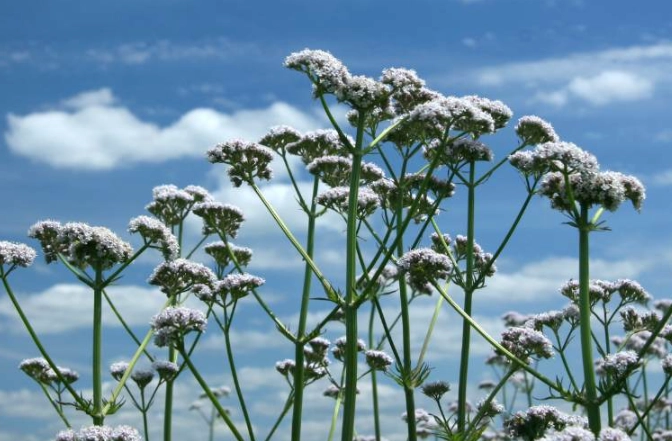
Beyond Valerian: Other Contenders for the Sedative Plant Crown
Calling valerian the plant known for sedative powers is accurate, but it's not the whole story. The herbal world has a whole supporting cast. Sometimes they're used alone, sometimes blended with valerian for a broader effect. It's like building a toolkit.
Here’s a quick comparison of how other popular calming plants stack up. This isn't about declaring one “the best,” but about understanding their different personalities.
| Plant Name | Common Form | Primary Use & Feeling | Key Active Compounds | A Quick Note |
|---|---|---|---|---|
| Passionflower (Passiflora incarnata) | Tea, Tincture, Capsule | Calming anxiety, quieting mental chatter. Often described as gentle and soothing. | Flavonoids (like chrysin), alkaloids. May also influence GABA. | Great for daytime anxiety without heavy drowsiness for some people. The tea is actually quite pleasant. |
| Chamomile (Matricaria recutita) | Tea (most common), Extract | Mild relaxation, digestive comfort. The quintessential “calming” tea. | Apigenin (a flavonoid that binds to benzodiazepine receptors weakly). | Extremely safe and gentle. Perfect for children or for a mild wind-down ritual. Its power is subtle. |
| Kava (Piper methysticum) | Traditional beverage, Extract (standardized) | Promoting muscle relaxation and a sense of sociable calm (in traditional use). Anxiolytic. | Kavalactones. | Important Safety Note: Has been linked to rare but serious liver toxicity. Use only under guidance, from reputable sources, and avoid if you have liver issues. It's potent but comes with more baggage. |
| Hops (Humulus lupulus) | Extract, often combined with valerian | Sedation, sleep aid. Known for its bitter principles. | Bitter acids, essential oils. | Frequently paired with valerian in sleep formulas. On its own, it's less common but has solid historical use for restlessness. |
| Lemon Balm (Melissa officinalis) | Tea, Tincture, Capsule | Elevating mood, reducing stress and agitation. Uplifting yet calming. | Rosmarinic acid, volatile oils. | Has a lovely, light citrusy aroma. Often used for stress that manifests as irritability. Works well in blends. |
See what I mean? When you ask what plant is known for sedative powers, the answer can branch out. Valerian is often the first recommendation for sleep-specific issues. But if your main issue is daytime nervousness, passionflower or lemon balm might be a better first stop. For a gentle nudge, chamomile is unbeatable. It's about matching the plant's “personality” to your need.
How to Actually Use Valerian Root (Without Gagging)
Okay, so you're convinced valerian might be worth a try. How do you take this famously pungent herb? The form you choose can make a big difference in both effectiveness and palatability.
Tea
The traditional method. Steep 1-2 teaspoons of dried valerian root in hot water for 10-15 minutes. The longer you steep, the stronger (and more bitter) it gets. Pros: Inexpensive, fast-acting for some. Cons: The taste and smell are… an acquired taste. I usually add a strong peppermint or lemon ginger tea bag to the mix to mask it. It helps a bit. Some people find tea less potent than extracts.
Tincture (Liquid Extract)
This is an alcohol-based extract. You take a dropperful (usually 1-3 mL) in a little water. Pros: Highly concentrated, fast absorption, easier to dose precisely. The alcohol base can act as a preservative. Cons: You still get the taste, albeit briefly. Not suitable for those avoiding alcohol (though glycerin-based tinctures exist).
Capsules/Tablets
By far the most popular modern form. Pros: No taste! Easy to take, convenient, standardized doses (look for products standardized to 0.8-1.0% valerenic acid). Cons: Can be more expensive over time, and absorption might be slightly slower than a tincture.
Timing is Everything
Don't expect to take valerian and fall asleep in 5 minutes. It's not a knockout pill. It's a gentle wind-down agent. Take it 60 to 90 minutes before you plan to sleep. This gives it time to work with your body's natural rhythms. Using it as part of a consistent bedtime ritual (no screens, dim lights, maybe some light reading) amplifies its effects massively.
Safety, Side Effects, and Who Should Avoid It
Just because it's a plant doesn't mean it's 100% consequence-free. It's a powerful herb, and respecting it is key. This is the part a lot of blogs gloss over because it's not as fun as talking about benefits.
- Morning Grogginess: This is the most common complaint. If you feel hungover or foggy in the morning, your dose is probably too high. Cut back.
- Vivid Dreams: Some people report more intense or strange dreams. This isn't necessarily bad, but it can be surprising.
- Stomach Upset: Occasionally, it can cause mild gastrointestinal discomfort, especially on an empty stomach.
- The Dependency Question: Here's a big one. Unlike prescription benzodiazepines, valerian is not generally believed to be physically addictive or to cause significant dependency. The NIH's National Center for Complementary and Integrative Health states that no studies have reported withdrawal symptoms after stopping valerian. However, any substance used chronically as a sleep crutch can lead to psychological dependence. It's wise to use it cyclically—a few weeks on, maybe a week off—to see if you still need it.
- Alcohol & CNS Depressants: Do not mix valerian with alcohol, prescription sleep meds, anti-anxiety drugs (like benzodiazepines), barbiturates, or antihistamines that cause drowsiness. The combined sedative effect can be dangerous.
- Surgery: Stop using valerian at least two weeks before any scheduled surgery, as it may interact with anesthesia.
- Pregnancy & Breastfeeding: Not enough safety data. Avoid to be safe.
- Liver Disease: While valerian itself isn't notoriously hard on the liver like kava can be, if you have existing liver conditions, it's prudent to consult a doctor first.
Answering Your Burning Questions (FAQ)
- Standardization: Look for “standardized to contain 0.8% to 1.0% valerenic acid.” This ensures potency.
- Form: Decide if you want capsule, tincture, or tea. Capsules are easiest for most.
- Reputation: Buy from reputable brands that specialize in herbs or have strong quality control (look for certifications like GMP – Good Manufacturing Practices).
- Freshness: Valerian's active compounds can degrade. Buy from sources with high turnover and check expiration dates.
- Combinations: Many effective sleep blends pair valerian with hops, passionflower, or lemon balm. These can be excellent, but check the valerian dose within the blend.
The Final Verdict: Is Valerian the Answer?
So, circling back to our core question: what plant is known for sedative powers? Valerian root earns that title through a combination of historical pedigree, mechanistic plausibility (its action on GABA), and a decent amount of positive clinical research. It's not a magic bullet—no herb is. It won't work for everyone, and its distinctive aroma is a hurdle for some.
But for millions of people, it offers a gentler alternative to pharmaceuticals. It represents a middle path between doing nothing and jumping straight to strong prescription meds. Its power lies in its subtlety; it's a nudge towards your own natural sleep, not a sledgehammer.
The key is to manage expectations, start low, be consistent, and pay attention to how your body responds. Pair it with good sleep hygiene for the best results. And remember, while valerian is the most famous plant known for sedative powers, it's part of a rich herbal toolkit. If it doesn't suit you, passionflower, chamomile, or lemon balm might be waiting for their turn to help you find some calm.
Ultimately, the best sedative plant is the one that works safely and effectively for you, helping you reclaim those precious hours of rest. Here's to hoping you find yours and get some solid sleep soon.
Reader Comments