If you're searching for the best remedy for a good night sleep, you're not alone. Millions struggle with restless nights, but the solution isn't a magic pill. After years of helping people fix their sleep, I've found that the most effective approach combines simple, natural strategies tailored to your lifestyle. Let's cut through the noise and dive into what really works.
What You'll Learn in This Guide
Why Sleep Is Non-Negotiable for Health
Sleep isn't just downtime; it's when your body repairs itself. Skimp on it, and you're setting yourself up for trouble—think foggy brain, weight gain, and even heart issues. The National Sleep Foundation recommends 7-9 hours for adults, but quality matters as much as quantity. If you're waking up tired, your sleep architecture might be off.
I remember a client who thought coffee could fix her fatigue. She'd drag through days, relying on caffeine, only to lie awake at night. Once we prioritized sleep, her energy levels skyrocketed. It's a basic need, like food or water, but we often treat it as optional.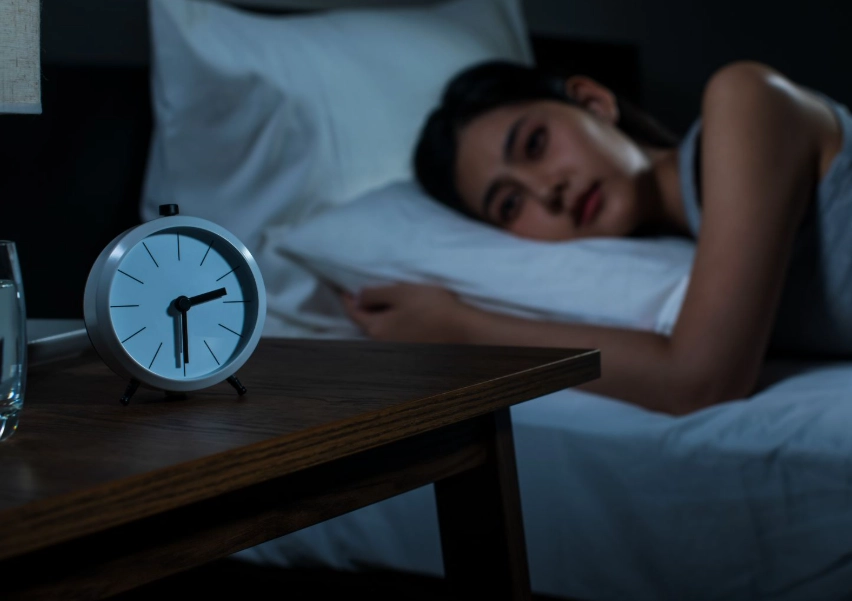
The Top 5 Evidence-Based Sleep Remedies You Can Start Tonight
Forget quick fixes. The best remedies for good sleep are rooted in consistency and science. Here's a breakdown of what actually moves the needle.
Sleep Hygiene: Your Foundation for Better Sleep
Sleep hygiene sounds boring, but it's the bedrock. It's about habits that signal your brain it's time to wind down. Most people mess this up by scrolling in bed or having irregular bedtimes.
Stick to a schedule, even on weekends. Your body loves routine. Dim the lights an hour before bed—blue light from screens tricks your brain into thinking it's daytime. I use amber-tinted glasses in the evening, and it's made a huge difference. Also, keep your bedroom for sleep and sex only. No work, no TV. It trains your brain to associate the space with rest.
Diet and Nutrition: What to Eat (and Avoid) Before Bed
Food impacts sleep more than you'd think. Heavy, spicy meals close to bedtime can cause indigestion and disrupt sleep. Caffeine and alcohol are sneaky culprits. Caffeine has a half-life of 5-6 hours, so that afternoon coffee might still be buzzing at midnight.
On the flip side, try a small snack with tryptophan, like a banana or a handful of almonds. Tart cherry juice contains melatonin, but don't overdo it—too much liquid means bathroom trips. Personally, I avoid eating within three hours of bed, and my sleep has never been deeper.
Relaxation Techniques to Calm Your Mind
Anxiety is a sleep killer. When your mind races, sleep feels impossible. Techniques like deep breathing or progressive muscle relaxation can help. I guide clients through a simple 4-7-8 breathing method: inhale for 4 seconds, hold for 7, exhale for 8. Repeat a few times.
Meditation apps are popular, but they're not for everyone. If sitting still stresses you out, try journaling. Write down worries before bed to clear your head. It's like dumping mental clutter onto paper.
Physical Activity: Timing Is Everything
Exercise promotes sleep, but timing matters. Intense workouts too close to bedtime can raise your core temperature and adrenaline, keeping you awake. Aim to finish vigorous exercise at least 3 hours before bed.
Gentle activities like yoga or stretching in the evening can be beneficial. I've seen people swear by a 10-minute evening walk—it's calming and helps regulate circadian rhythms.
Natural Supplements: Do They Work?
Supplements like melatonin, magnesium, or valerian root are often touted as sleep aids. Melatonin can help with jet lag or shift work, but for chronic insomnia, it's not a cure-all. The Mayo Clinic notes that melatonin is generally safe short-term, but long-term effects are unclear.
Magnesium glycinate might relax muscles, but it's not a magic bullet. I advise starting with lifestyle changes before turning to supplements. Over-reliance can mask underlying issues.
Quick Comparison of Sleep Remedies: Here's a table to help you choose based on your needs.
| Remedy | How It Helps | Best For | Time to See Results |
|---|---|---|---|
| Sleep Hygiene | Signals brain for sleep, improves consistency | Everyone, especially those with irregular schedules | 1-2 weeks |
| Diet Adjustments | Reduces disruptions from food/drink | People with digestive issues or caffeine sensitivity | Few days |
| Relaxation Techniques | Calms mind, reduces anxiety | Stress-prone individuals | Immediate to few days |
| Physical Activity | Promotes deeper sleep, regulates rhythm | Sedentary folks or those with energy surplus | 1-2 weeks |
| Natural Supplements | May aid sleep onset or quality | Short-term issues or specific deficiencies | Varies (consult doctor) |
How to Create a Sleep Sanctuary: Your Bedroom Makeover Guide
Your environment plays a huge role. Think of your bedroom as a cave—cool, dark, and quiet. Most people overlook this, but small tweaks can transform your sleep.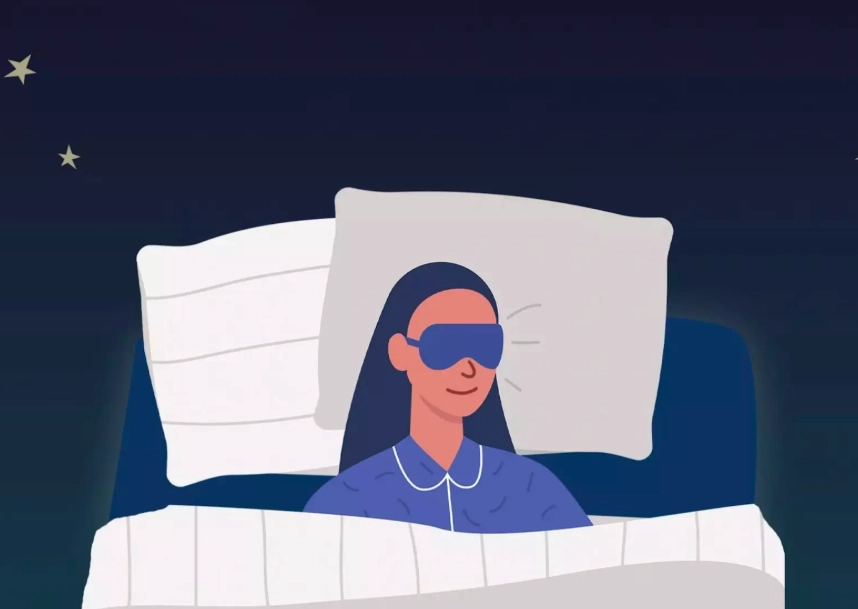
Temperature: Aim for around 65°F (18°C). Your body temperature drops to initiate sleep, so a cool room helps. I use a programmable thermostat to lower it at night.
Light: Blackout curtains are a game-changer. Even small amounts of light can suppress melatonin. If you need a night light, go for red or amber, which are less disruptive.
Noise: White noise machines or fans can mask disruptive sounds. Earplugs work too, but find comfortable ones. I live near a busy street, and a white noise app saved my sleep.
Comfort: Invest in a good mattress and pillows. They don't have to be expensive, but should support your posture. Replace them every 7-10 years. Also, choose breathable bedding—cotton or bamboo are great for temperature regulation.
Declutter your space. A messy room can subconsciously stress you out. Keep it minimal and calming.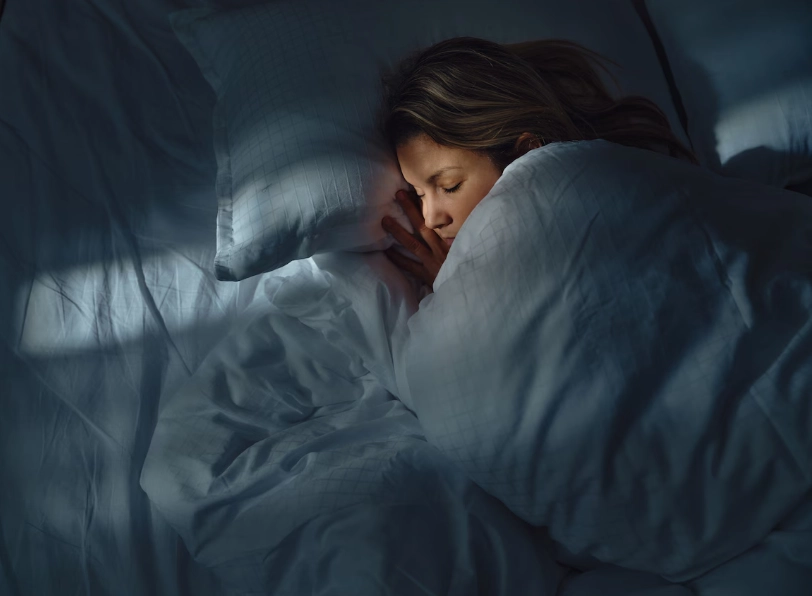
The Big Sleep Mistake: Why Chasing Sleep Often Backfires
Here's a non-consensus view from my experience: trying too hard to sleep is counterproductive. When you lie in bed anxiously watching the clock, you activate your fight-or-flight response. Sleep becomes a performance, and pressure kills it.
I've coached people who'd spend hours in bed, frustrated. The solution? Get up if you can't sleep after 20 minutes. Do something boring in dim light, like reading a physical book (not a screen). Return to bed only when sleepy. It breaks the association between bed and anxiety.
Another subtle error: relying on sleep trackers obsessively. They can cause sleep anxiety if you fixate on data. Use them as guides, not gospel. Sometimes, you sleep better than the tracker says.
Your Sleep Remedies FAQ Answered
Wrapping up, the best remedy for a good night sleep isn't one thing—it's a personalized mix of habits, environment, and mindset. Start small, be patient, and tweak as you go. Sleep is a skill you can relearn. Share your experiences in the comments; I'd love to hear what works for you.
Reader Comments