You looked at your sleep tracker this morning and saw it: 30 minutes of deep sleep. A little number in a blue bar. And that question pops into your head—is that enough? Is my body actually repairing itself, or am I just running on fumes?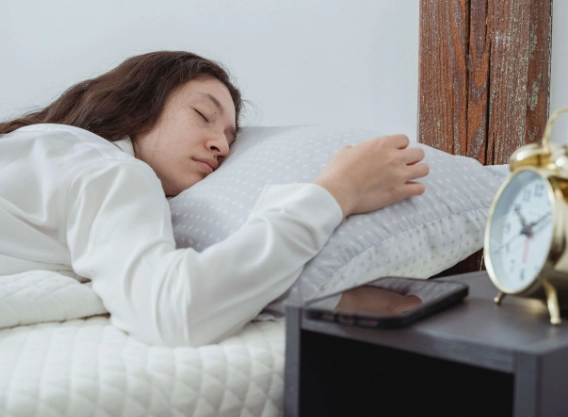
Let's cut through the noise. For most adults, 30 minutes of deep sleep is on the lower end of what's considered adequate. It might get you by, but it's probably not optimal for long-term health, sharp thinking, or feeling genuinely rested. The real answer isn't a simple yes or no; it depends on your age, your total sleep time, and what's happening during the other stages of your night.
I've spent years obsessing over sleep data—first as a biohacker trying to optimize everything, and later as someone who burned out from chronic sleep neglect. The biggest mistake people make is thinking that just getting more deep sleep is the key. It's about consistency and repetition.
What You'll Find in This Guide
Why Deep Sleep Isn't Just "Rest"
Think of deep sleep as your body's nightly maintenance shift. While you're unconscious:
- Physical Repair: Tissue growth and repair occur. Human growth hormone is released, which is crucial for muscle repair, cell regeneration, and overall recovery. This is why you feel stiff and sore after intense workouts—your body needs deep sleep to repair the micro-tears in your muscles.
- Immune System Boost: Your immune system releases cytokines that fight infection. This is why you often feel worse when you're sick—your body is fighting off the illness.
- Memory Consolidation: Deep sleep helps solidify memories from the day before. This is why you remember things better after a good night's sleep.
When you don't get enough deep sleep, you wake up feeling groggy and unfocused.
Skimping on deep sleep means you miss out on crucial memory consolidation and tissue repair.
Deep sleep is essential for feeling restored and ready for the day.
Without enough deep sleep, you wake up feeling tired and drained.
Your body hasn't had the chance to repair itself.
You're more susceptible to getting sick.
Your memories are fuzzy.
You feel like you're running on empty.
Deep sleep is the foundation for a productive day.
Without it, you're just going through the motions.
Your body is in a constant state of repair.
You're fighting off fatigue.
Your brain is foggy.
You're not at your best.
Deep sleep is the key to unlocking your full potential.
Without it, you're just surviving.
Your body is a temple, and deep sleep is the renovation.
You're building a better you.
Deep sleep is the secret weapon.
Without it, you're just playing catch-up.
Your body is a masterpiece in progress.
Deep sleep is the brushstroke that brings it all together.
So, if you're only getting 30 minutes, you might be shortchanging this critical process.
How Much Deep Sleep Is Normal (By Age)
Here's the hard truth: deep sleep decreases with age. A teenager might spend 20% of their night in deep sleep, while a healthy 70-year-old might only get 5%. It's a natural decline.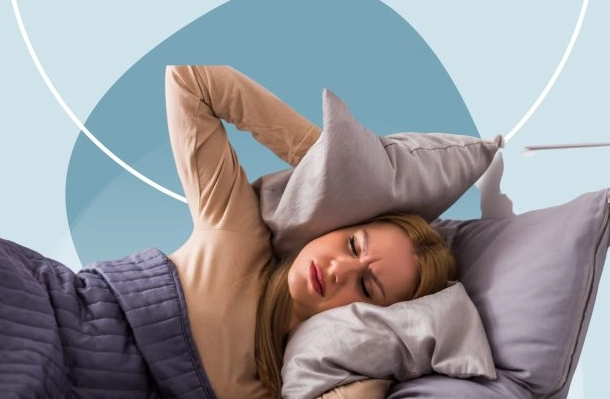
| Age Group | Average Total Sleep | Typical Deep Sleep % | What 30 Minutes Means |
|---|---|---|---|
| Young Adults (18-30) | 7-9 hours | ~15-20% | Likely below average. If you sleep 8 hours, you'd expect 72-96 mins. |
| Middle-Aged (30-60) | 7-8 hours | ~10-15% | Borderline to low. At 7.5 hours sleep, 45-67 mins is more common. |
| Older Adults (60+) | 7-8 hours | ~5-10% | Could be normal. At 7 hours sleep, 21-42 mins is typical. |
My personal wake-up call was in my late 30s. I was sleeping 8 hours but constantly drained. My tracker showed 25-35 minutes of deep sleep. I blamed stress, but the data showed a pattern. I wasn't giving my body the right conditions to sink into that deep, restorative state.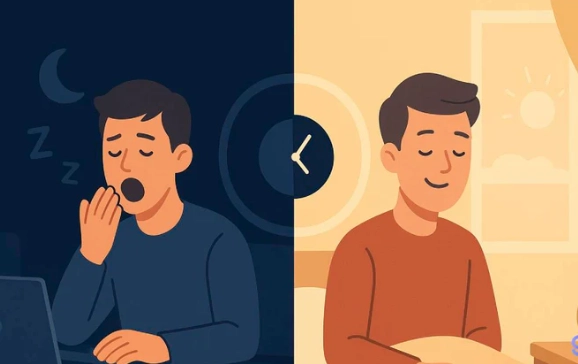
Key Takeaway: Don't just fixate on the 30-minute number. Look at it as a percentage of your total sleep. 30 minutes out of a 6-hour night (8.3%) is very different from 30 minutes out of a 9-hour night (5.5%). Context matters.
Your Tracker Might Be Lying: Understanding Accuracy
Before you panic about your 30 minutes, know this: consumer sleep trackers (like Fitbit, Oura Ring, Whoop) are making educated guesses. They use heart rate variability and movement, not brain waves (the gold standard measured in a sleep lab).
They're good at spotting trends—like whether your deep sleep increased after you started exercising—but the absolute number can be off. I've seen nights where my tracker said "45 mins deep sleep" and I felt terrible, and nights it said "30 mins" where I woke up refreshed.
Common Tracker Pitfalls:
- Mislabeling Light Sleep: Quiet periods of light sleep can sometimes be misread as deep sleep.
- The "First Half" Bias: Deep sleep primarily happens in the first half of the night. If you wear your tracker inconsistently or take it off early, you're missing data.
- Focus on the Trend, Not the Daily Number: A single night of low deep sleep is normal. Look at your weekly average. Is it consistently hovering around 30 minutes? That's the signal.
Actionable Steps to (Safely) Increase Deep Sleep
You can't force deep sleep, but you can create the perfect environment for it to happen. Forget quick fixes and pills. Here's what actually moves the needle, based on both science and my own experimentation:
1. Get Your Timing Right (The Most Overlooked Factor)
Deep sleep loves a predictable schedule. Your circadian rhythm dictates when your body is primed for deep sleep. Going to bed at 11 PM one night and 2 AM the next confuses your brain. Aim for a consistent bedtime and wake-up time, even on weekends. A one-hour variance is okay; three hours is disruptive.
2. Dial Down the Evening Heat
Your core body temperature needs to drop to initiate sleep. A hot room, a heavy meal, or intense exercise too close to bedtime keeps your temperature elevated. My rule: stop vigorous exercise 3 hours before bed, finish eating 2-3 hours before, and keep your bedroom around 65-68°F (18-20°C). A cool shower 90 minutes before bed can also help kickstart the drop.
Pro-Tip: The biggest mistake I see? People drinking alcohol to "help" them sleep. Alcohol is a sedative, not a sleep aid. It absolutely fragments your sleep and severely suppresses deep sleep in the second half of the night. That 4 AM wake-up? That's often the alcohol wearing off.
3. Manage Light & Sound Like a Pro
Blue light from screens tells your brain it's daytime. Use blue light filters (Night Shift, f.lux) or, better yet, avoid screens 60 minutes before bed. For sound, total silence isn't always best. Consistent, low-frequency "pink noise" or brown noise (like deep rainfall) has been shown in studies to potentially enhance deep sleep by masking disruptive sounds and stabilizing brain waves. I use a simple app for this.
4. Re-evaluate Your Exercise Routine
Regular exercise is one of the best long-term promoters of deep sleep. But when you exercise matters. Morning or afternoon workouts are ideal. If you must exercise late, make it low-intensity, like yoga or stretching. High-intensity evening workouts can be counterproductive for sleep initiation.
Your Deep Sleep Questions, Answered

So, is 30 minutes of deep sleep enough? For many, it's a sign that there's room for improvement. Don't obsess over hitting a perfect number. Instead, use that data point as a nudge. Focus on the fundamentals: consistency, a cool and dark environment, and winding down properly. When you get those right, the deep sleep often takes care of itself. You might just wake up feeling different—clearer, stronger, and truly restored.
Reader Comments