In This Guide
Let's be honest. It's 2:37 AM. You've been counting sheep, trying deep breathing, and the ceiling has never been more interesting. Your brain is a browser with 100 tabs open, and none of them are the "sleep" tab. If you're searching for "I can't sleep what should I do," you're not just looking for a list of tips. You're desperate for something that actually works, right now.
I get it. I've spent my share of nights like that. The frustration is real. You're tired, but you're wired. You know you need sleep, but your mind or body just won't cooperate. The advice out there can feel overwhelming or just plain useless when you're in the thick of it. "Just relax," they say. As if it's that easy.
This guide is built for that moment. We'll break it down into what you can do tonight to salvage some rest, and what you can work on long-term to make these nights the exception, not the rule. We'll cut through the fluff and get to the actionable stuff.
First Things First: Why Can't I Sleep?
Before we jump to solutions, let's pause for a second. Throwing solutions at a problem without understanding it is like taking medicine without a diagnosis. It might work, but it's guesswork. The question "I can't sleep what should I do" has different answers depending on the "why."
Insomnia (that's the fancy term for persistent trouble sleeping) isn't one thing. It's usually a symptom, not the disease itself. Your body is trying to tell you something. Here are the usual suspects, the top 5 reasons you might be staring at the clock:
The Usual Suspects: Top 5 Reasons You're Awake
- Stress and Anxiety: This is the heavyweight champion. Work deadlines, money worries, relationship problems, global news – your brain treats them all as potential threats. When it's in "threat mode," it pumps out cortisol (the stress hormone), which is basically the opposite of a lullaby. Your heart races, your mind races, and sleep feels impossible.
- Poor Sleep Hygiene: This sounds boring, but it's crucial. It's all the habits and environment around your sleep. It includes things like: using your bed for work or scrolling, having a room that's too warm or too bright, eating a huge meal right before bed, or having an irregular sleep schedule. Your body thrives on routine, and if it doesn't know when to wind down, it won't.
- Too Much Screen Time: Yeah, you've heard this one before, but it's worth repeating. The blue light from phones, tablets, and laptops tricks your brain into thinking it's daytime. It suppresses melatonin, the hormone that makes you feel sleepy. But it's not just the light. Scrolling through social media or work emails is mentally stimulating. It's the worst kind of pre-bed activity.
- Caffeine and Alcohol: Caffeine is a stimulant. It can stay in your system for 6-8 hours. That afternoon latte might still be partying in your brain at midnight. Alcohol is a sneaky one. It might make you feel drowsy initially, but as your body metabolizes it, it can lead to fragmented, poor-quality sleep and early waking.
- Underlying Health Issues: Sometimes, the root is physical. Conditions like sleep apnea (where you stop breathing briefly during sleep), restless legs syndrome, chronic pain, acid reflux, or an overactive thyroid can severely disrupt sleep. This is why it's so important to talk to a doctor if your sleep problems are persistent.
See which one resonates? Often, it's a combination. The good news is, for most of these, there are clear steps you can take.
Okay, I'm Awake Right Now. What Should I Do?
This is the emergency protocol. You're in bed, wide awake, and frustration is building. The worst thing you can do is just lie there getting more anxious about not sleeping. That creates a negative association with your bed. So, here's a step-by-step plan for the middle of the night.
The "Get Out of Bed" Protocol (The 20-Minute Rule)
- Notice the Clock: If you've been lying in bed awake for more than 20 minutes (don't watch the clock obsessively, just estimate), it's time to act.
- Get Up Calmly: Don't huff and puff. Just get up. The goal is to break the cycle of frustration-in-bed.
- Go to Another Room: Leave your bedroom if you can. This reinforces that the bed is for sleep, not for being awake and worried.
- Do Something Boring and Dimly Lit: This is key. Read a physical book (nothing thrilling). Listen to a calm, spoken-word podcast or a sleep story. Do some gentle stretching. Fold laundry. The activity should be so dull it makes sleep seem appealing.
- Avoid the Triggers: No screens. No checking work emails. No eating a big snack. No intense problem-solving.
- Return When Sleepy: Once you feel drowsy again, head back to bed. If you're still awake after another 20 minutes, repeat the process.
This method, often called stimulus control therapy, is backed by a ton of research. It feels counterintuitive to get out of bed when you want to sleep, but it works by retraining your brain. The National Sleep Foundation recommends this as a core technique for chronic insomnia. It breaks the anxiety loop.
Quick Mental Resets for a Racing Mind
Sometimes you just need to quiet the mental chatter. Here are a few techniques I've found useful, beyond the standard "count sheep."
- The 4-7-8 Breathing Method: Inhale quietly through your nose for 4 seconds. Hold your breath for 7 seconds. Exhale completely through your mouth, making a whoosh sound, for 8 seconds. Repeat 3-4 times. It acts as a natural tranquilizer for your nervous system.
- Body Scan Meditation: Don't run from this if you're not "into meditation." Just lie down and mentally scan your body from toes to head. Notice any tension without judging it. Just think, "My foot is tense," and then consciously relax it. Move slowly upward. It forces your mind to focus on physical sensations, not thoughts.
- The "Brain Dump": Keep a notebook by your bed. If your mind is spinning with to-do lists or worries, write them all down. Getting them out of your head and onto paper can provide a sense of release. You're telling your brain, "It's noted. We'll handle it tomorrow."
Personally, I find the brain dump the most effective for my type of anxiety. The act of writing it down somehow makes the problems feel more manageable and less urgent at 3 AM.
Building a Fortress of Good Sleep: The Long-Term Game
Fixing the occasional bad night is one thing. But if you're regularly asking "what should I do when I can't sleep," you need to look at your daily habits. This is about building a lifestyle that supports sleep, not just fighting it when it goes wrong.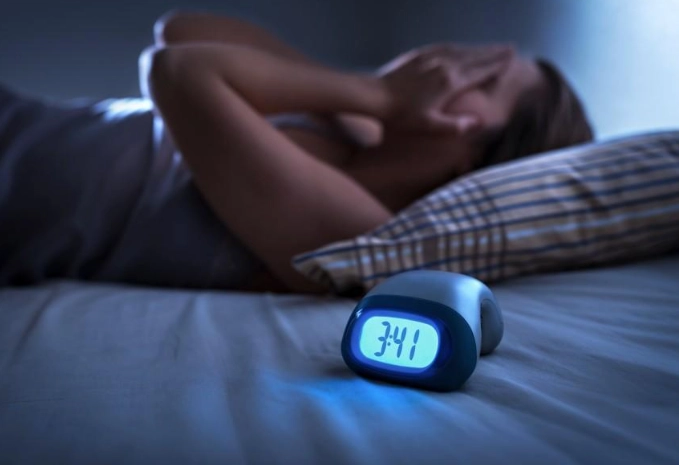
Master Your Sleep Hygiene
Think of sleep hygiene as the foundation. If the foundation is weak, everything else will be shaky. Here’s a practical table to audit your own habits. Be honest with yourself.
| Habit to Check | The Problem | The Fix |
|---|---|---|
| Inconsistent Schedule | Your body's internal clock (circadian rhythm) gets confused. | Try to wake up at the same time every day, even on weekends. Yes, even weekends. This is arguably the most important one. |
| Bright Evening Lights & Screens | Blue light blocks melatonin production. | Use blue light filters on devices after sunset. Consider dim, warm-toned lights in the evening. Stop screens 60+ minutes before bed. |
| Bedroom Environment | Too hot, too bright, too noisy. | Cool (around 65°F or 18°C), dark (blackout curtains), and quiet. Use a fan for white noise if needed. Your bedroom should be a sleep sanctuary. |
| Late Caffeine/Nicotine | Stimulants that can linger for hours. | Cut off caffeine by 2 PM. Be mindful of hidden sources like chocolate, some medications, and green tea. |
| Alcohol as a Sleep Aid | Disrupts sleep architecture, leads to non-restorative sleep. | Avoid alcohol within 3 hours of bedtime. Don't use it to fall asleep. |
| Heavy Meals & Late Snacks | Digestion can disrupt sleep and cause reflux. | Finish large meals 2-3 hours before bed. If you need a snack, keep it light (e.g., banana, small handful of nuts). |
Looking at that list, pick one or two to focus on this week. Don't try to overhaul everything at once. You'll just get overwhelmed. Maybe start with a consistent wake-up time and turning off screens an hour earlier.
The Power of a Wind-Down Routine
You don't go from 60 mph to 0 instantly. Your brain needs a ramp. A wind-down routine signals to your body that it's time to shift gears from "doing" to "resting." It should last 30-60 minutes before your target bedtime.
What should be in it? Anything calm and enjoyable that isn't a screen. Here's a sample menu—mix and match:
- Take a warm bath or shower (the drop in body temperature afterwards promotes sleepiness).
- Listen to calming music or a sleep podcast.
- Do some light reading (a real book, preferably not a page-turner thriller).
- Practice gentle yoga or stretching.
- Journal or write down things you're grateful for.
- Dim all the lights in your house.
When Should You See a Doctor?
This is important. If you've tried improving your sleep hygiene and sleep for several weeks and still find yourself constantly asking, "I can't sleep what should I do," it's time to talk to a professional.
A doctor can help rule out or diagnose conditions like sleep apnea, which requires specific treatment like a CPAP machine. They can also refer you to a sleep specialist or a therapist who practices Cognitive Behavioral Therapy for Insomnia (CBT-I). CBT-I is considered the gold standard, first-line treatment for chronic insomnia. It's more effective and sustainable than sleep medication in the long run. You can find resources and certified providers through organizations like the American Psychological Association or the American Academy of Sleep Medicine.
Medication can be a tool in some cases, but it should be a short-term solution used under strict medical supervision, not a long-term crutch.
Your Questions, Answered (The FAQ Section)
Let's tackle some of the specific questions that pop up when you're searching for help. These are the things people really want to know.
Yes, if it's for more than 20-30 minutes. It trains your brain to associate your bed with wakefulness and anxiety. That's why the "get out of bed" rule is so important. It preserves the bed-sleep connection.
For most people, sleeping on your back or side is best for spinal alignment. Stomach sleeping can twist your neck and back. If you have sleep apnea, back sleeping can make it worse. Side sleeping, especially on the left, can help with acid reflux. Ultimately, the best position is the one that allows you to sleep comfortably and wake up without pain.
They can be a useful tool for spotting trends, like how caffeine or late exercise affects your sleep. But don't become a slave to the data. They aren't 100% accurate (they often confuse lying still with being asleep), and obsessing over your "sleep score" can actually create more anxiety about sleep—which is the last thing you need. Use them as a guide, not a gospel.
This is incredibly common. It's often linked to a stress hormone (cortisol) spike or a blood sugar dip. Long-term, working on stress management and sleep hygiene is key. In the moment, use the "get out of bed" protocol. Also, avoid looking at the clock—it just feeds the anxiety.
Melatonin is a hormone, not a herb. It's best used to shift your sleep cycle (like for jet lag), not as a knockout pill. The dose matters—often less is more (0.5mg to 3mg). It's not regulated like a drug, so quality varies. Other supplements like magnesium glycinate or valerian root have some evidence, but talk to your doctor first. They are not a substitute for good sleep habits.
Pulling It All Together
So, if you're lying there tonight thinking, "I can't sleep what should I do," remember this: you have a plan.
Start with the immediate: get up, do something boring, reset. Don't fight it in bed. For the long haul, build your fortress. Audit your sleep hygiene, pick one thing to improve, and craft a wind-down routine that you actually enjoy. Be patient with yourself. Changing habits takes time. You're not going to fix years of poor sleep in one night.
And most importantly, if it persists, ask for help. Talking to a doctor or a CBT-I therapist isn't a failure; it's a smart strategy. Good sleep isn't a luxury; it's a non-negotiable pillar of your health. Investing in it is one of the best things you can do for your mind, body, and quality of life.
Now, turn off the screen, dim the lights, and give yourself permission to wind down. Sweet dreams.
Reader Comments